
Vegetables
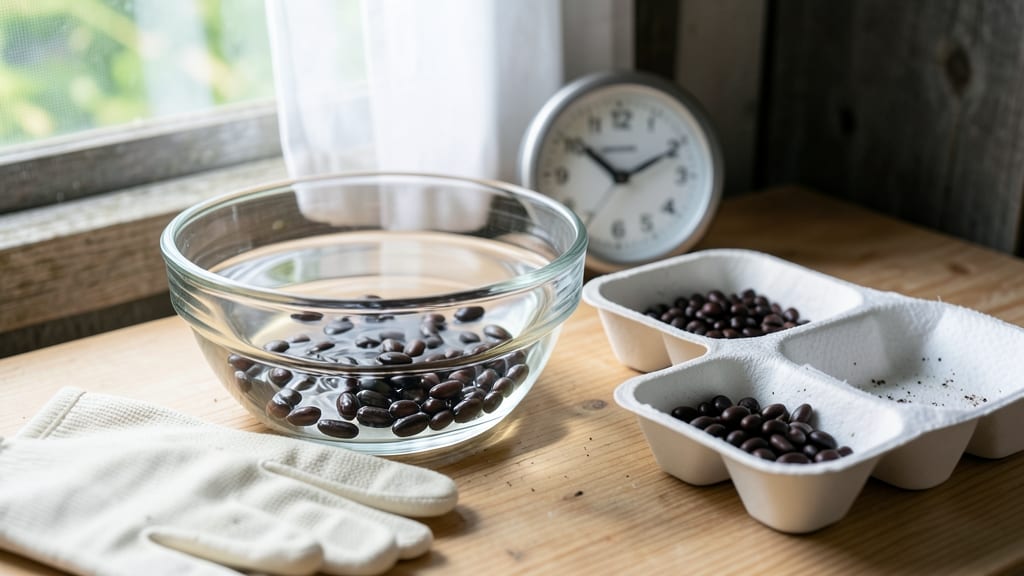
Soaking cucumber seeds for 24 hours before planting cuts your wait time from weeks to days. 🌱 I used to watch my seedlings struggle to emerge, but this simple trick transformed my germination rate from spotty to reliable.
The seeds absorb moisture, soften their outer shells, and send roots sprouting within 2-3 days instead of the usual 7-10.
All you need is a clean jar, warm water, and a damp paper towel. The basic method involves soaking seeds overnight, but adding a pinch of hydrogen peroxide boosts pest resistance and speeds things up.
Just don't soak too long—24 hours max, or you risk over-hydration. After soaking, let them dry slightly before planting to prevent rot.
What you'll end up with is a garden full of vigorous seedlings that outpace their unsoaked cousins. The plants grow faster, resist damping-off disease better, and produce more fruit earlier in the season.
My first batch of soaked cucumbers went from sprout to harvest in just 55 days—half the usual time.
This trick works for any cucumber variety, whether you're growing in containers or straight in the ground. The only real mistake is skipping the drying step, so pay attention there. Once you try it, you'll never go back to dry planting again.
📚 In This Guide
- What you need
- Instructions
- Tips and common mistakes
- Wrapping up and next steps
What you need
- ● Cucumber seeds: Fresh, high-quality, non-GMO seeds (check the packet for germination rates—aim for 85%+). Quantity depends on your garden size (e.g., 10–20 seeds for a small patch).
- ● Clean container: A shallow dish, bowl, or jar with a lid (glass or plastic). Size: Large enough to hold seeds spread out (e.g., 6–8 inches wide for 10–15 seeds).
- ● Water: Room-temperature, chlorine-free water (tap water left out for 24 hours or filtered water works). Use 1 cup per 10–15 seeds.
- ● Paper towels or coffee filters: 2–3 sheets (cut to fit your container). Avoid thick towels—they slow moisture absorption.
- ○ Plastic wrap or damp cloth: To cover the container and retain humidity (optional but recommended for faster results).
- ● Fine-mesh strainer or colander: For rinsing seeds gently (if using tap water initially).
- ● Notebook & pen: To track soaking time and seed progress (pro tip: label your container!).
- ● Seedling heating mat: If your space is below 65°F (18°C), a mat keeps seeds cozy and speeds germination.
- ● Hydrogen peroxide (3% solution): 1 tsp per cup of water to disinfect seeds and boost early growth (rinse before planting).
- ● Planting tray with drainage: Prep your final growing spot (e.g., pots or seedling trays) ahead of time.
- ○ Growth hormone (optional): Products like Seaweed Extract or Vitamin B1 can enhance germination (follow label instructions).
How to soak cucumber seeds for faster, stronger germination
This simple trick cuts germination time in half and gives you a head start on the growing season.
💧 Step 1: Prepare Your Soaking Container
Fill a clean glass or bowl with warm water (around 70-80°F)—room temperature works, but warm speeds up the process. I like to use a shallow dish so the seeds stay submerged without floating away. Add just enough water to cover the seeds by about 1 inch.
This warm water is key—it mimics the natural rain-soaked conditions that trigger germination. If your water feels cold, let it sit for 10 minutes to warm up. You'll see the seeds begin to plump up within a few hours, which means they're absorbing moisture and activating their growth hormones.
🌱 Step 2: Soak Seeds for 24 Hours
Place your cucumber seeds in the water and let them soak for the full 24 hours. I use a small plate or mesh bag to keep them contained—this prevents them from sticking to the bottom or getting lost. Stir them gently once or twice during the soak to ensure even exposure to water.
After 24 hours, the seeds should look noticeably larger and feel heavier in your hand. If they still feel light or haven't swollen, give them another 4-6 hours. Over-soaking beyond 24 hours can lead to rot, so don't leave them longer than necessary. You'll know they're ready when they're firm and slightly puffy.
☀️ Step 3: Prepare for Planting After Soaking
After soaking, drain the seeds in a fine mesh strainer or paper towel to remove excess water. Let them dry slightly for 10-15 minutes so they don't stick to your fingers or the soil. This step is crucial—wet seeds planted directly can rot in cold or compacted soil.
While the seeds dry, prepare your planting area. Cucumbers thrive in well-draining soil with plenty of organic matter. If you're planting in containers, use the 4 gallons of potting mix you've prepared, and if it's in the ground, loosen the top 6 inches of soil. The goal is to create a loose, airy environment where the now-activated seeds can easily push through.
🌿 Step 4: Plant the Soaked Seeds
Plant the soaked seeds 1 inch deep in the prepared soil, spacing them 2-3 inches apart if you're growing multiple plants. The soaking trick means they'll sprout faster, so you can plant them closer together initially and thin later if needed. I like to use my finger to make small holes—it's gentle on the seeds and ensures they go in straight.
Cover the seeds lightly with soil and water gently with a spray bottle or fine mist. Avoid heavy watering, which can wash the seeds deeper than intended. Within 3-5 days, you should see the first sprouts pushing through the soil. Keep the soil consistently moist but not soggy during this time—this is when your soaked seeds will show their advantage over dry ones.
⏰ Step 5: Monitor and Maintain Germination Conditions
Place your newly planted seeds in a warm, sunny spot. Cucumbers germinate best in soil temperatures between 70-90°F. If your garden soil is cooler, consider using a seedling heat mat or covering the area with black plastic to warm the soil. You'll know the seeds are happy when they sprout within 3-7 days—much faster than the 10-14 days it takes for dry seeds.
Once sprouts appear, thin them to the strongest 1 plant per 12-inch space to give each plant room to grow. Watch for leggy seedlings, which is a sign they need more light. If you see this, move them closer to a sunny window or under a grow light. Your soaking effort pays off here—these seedlings will be sturdy and ready to thrive.
Tips & tricks for speeding up cucumber germination
These little tricks will help you maximize your soaking process and give your cucumber seeds the best possible start.
Warm Water Matters: That 70-80°F warm water in Step 1 isn't just a suggestion—it's the key to activating those growth hormones. If your tap water runs cold, fill your container first and let it sit for those 10 minutes to warm up. You'll notice the seeds begin plumping within hours, which means they're absorbing moisture and preparing to sprout faster. This warm-up mimics natural spring rains that trigger germination in the wild.
Soaking Container Strategy: I've learned the hard way that using a shallow dish prevents seeds from floating away or sticking to the bottom. A mesh bag or small plate works perfectly to contain them while allowing water circulation. This keeps all seeds evenly hydrated during the full 24-hour soak. If you notice some seeds floating, gently press them under with a spoon—they need that consistent moisture to activate properly.
Seed Readiness Test: After your 24-hour soak, give those seeds a little squeeze test. They should feel noticeably heavier and firm to the touch. If they still feel light or haven't swollen, you can extend the soak by 4-6 hours—but don't go beyond that 30-hour mark or you risk rot. The seeds should look slightly puffy and feel ready to push through soil. This is your cue they're primed for planting.
Planting Depth Precision: When you plant those soaked seeds 1 inch deep in Step 4, use your finger to create those small holes—it gives you better control than a trowel. The soaking means they'll sprout faster, so you can plant them closer together (2-3 inches apart) and thin later. This gives you more plants per square foot while still allowing room for each seedling to grow strong. The key is keeping that soil consistently moist but not soggy during the first critical days.
Pro Tips for Soak Cucumber Seeds Before Planting
- These little tricks will help you maximize your soaking process and give your cucumber seeds the best possible start.
- Warm Water Matters: That 70-80°F warm water in Step 1 isn't just a suggestion—it's the key to activating those growth hormones.
- Soaking Container Strategy: I've learned the hard way that using a shallow dish prevents seeds from floating away or sticking to the bottom.
Frequently asked questions
Got questions about soaking cucumber seeds? You’re not alone—this simple trick can make or break your harvest if done wrong! Here are the answers to the most common queries to help you grow like a pro.
How long should I soak cucumber seeds before planting?
Soak your seeds for 12–24 hours in warm water (65–85°F) to soften the seed coat and kickstart germination. Avoid over-soaking—beyond 24 hours, seeds may rot or sprout too early, making them fragile. Drain and plant immediately after soaking for best results!
What’s the best water temperature for soaking cucumber seeds?
Use warm (not hot!) water between 65–85°F to speed up the soaking process. Cold water slows germination, while boiling water can kill the seeds. A simple trick? Place your seed jar in a bowl of warm (not scalding) water for consistent temps.
Can I plant cucumber seeds without soaking them first?
Yes! Cucumber seeds can germinate without soaking, but it’ll take 7–14 days longer in cooler soil. Soaking cuts wait time to 3–5 days—ideal for short growing seasons or impatient gardeners. If you skip soaking, ensure soil stays consistently moist and warm (70°F+).
What do I do if my soaked seeds start sprouting before planting?
If seeds sprout too early, plant them immediately—gently press them into moist soil (1 inch deep) with the sprout facing up. If you can’t plant right away, wrap them in a damp paper towel and store in a cool, dark place (like a fridge) for up to 24 hours. Avoid letting them dry out!
Should I use tap water or filtered water for soaking?
Tap water is fine for soaking, but if your water is hard or chlorinated, let it sit out for 24 hours before using—or use filtered or rainwater to avoid chemical buildup. Avoid distilled water, as it lacks minerals seeds need to germinate. A quick rinse before planting also removes excess moisture.
Pro Tip:
Label your seed packets or use a small mesh bag (like an old nylon stocking) to keep seeds together while soaking—no more lost seeds or mix-ups! Plus, it makes draining easier.
Wrapping up and next steps
Soaking your cucumber seeds for 24 hours is a simple yet powerful trick to boost germination speed and give your plants a healthier start. Whether you're a seasoned gardener or just beginning, this easy method ensures stronger seedlings and a more productive harvest.
Now that you're armed with the know-how, grab those seeds and get planting! 🌱 Next, explore the best soil mixes or companion plants to maximize your cucumber garden’s success.