
Vegetables
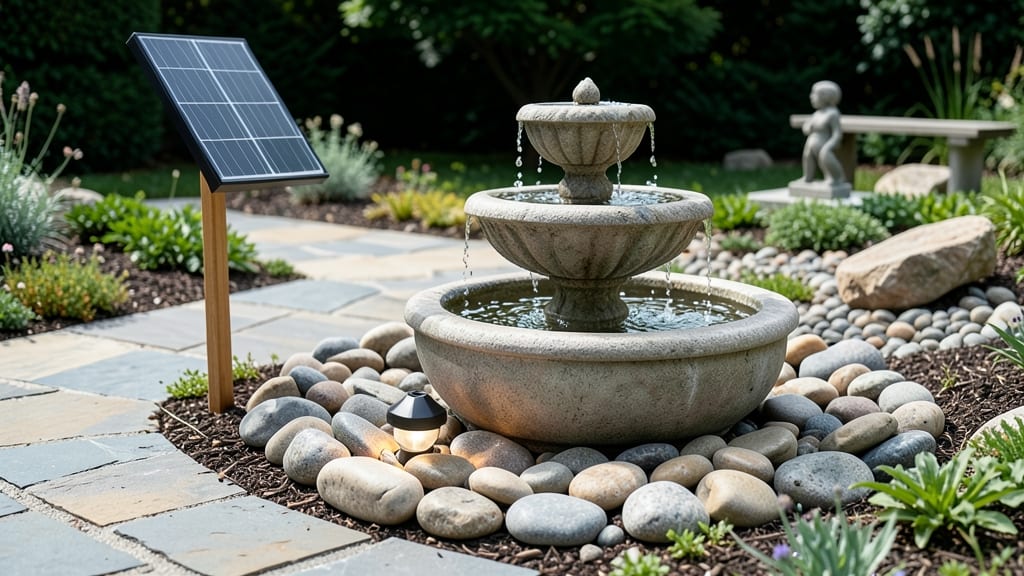
Transforming your garden into a tranquil oasis starts with a solar-powered fountain that hums with life all day—no cords, no fuss. 💧 I’ve tested different styles over the years, and the right fountain turns a simple backyard into a peaceful retreat, while saving energy and water in the process.
The best solar fountains blend seamlessly into any garden design, whether you’re working with a cozy courtyard or a sprawling landscape. They’re low-maintenance, run quietly, and some even include built-in lighting for evening ambiance. Plus, they attract birds and butterflies, adding another layer of natural beauty to your space.
You’ll love how effortlessly they enhance your garden’s mood—water trickling over rocks or cascading through tiered tiers creates instant relaxation. Choose from tabletop models for patios or larger basin fountains for bigger areas, all powered by sunlight. Installation is straightforward, and once set up, they require minimal upkeep.
Just keep the solar panel clean and the water fresh, and you’re good to go for years. Here’s how to pick the perfect one for your garden’s vibe.
📚 In This Guide
- What you need
- Instructions
- Tips and common mistakes
- Wrapping up and next steps
What you need
- ● Solar fountain pump: 1 unit (choose a 12V-24V model with a flow rate of 500-1,500 GPH, depending on fountain size).
- ● Solar panel: 1 unit (minimum 5W-10W, 12V-compatible for small fountains; 20W+ for larger setups).
- ● Water reservoir: 1 basin or pond liner (minimum 10-20 gallons, depending on fountain design).
- ● Water tubing: 1/2-inch or 3/4-inch flexible tubing (10–30 feet, depending on fountain layout).
- ● Fountain nozzle or spout: 1–3 units (choose decorative or adjustable designs).
- ● Submersible pump: 1 unit (if not included with the solar pump, ensure it’s waterproof and quiet).
- ● Waterproof sealant: 1 tube (for securing connections and preventing leaks).
- ● Garden rocks or pebbles: 5–10 lbs (for decorating the base and hiding tubing).
- ● Basic tools: Scissors or tubing cutter
- ● Screwdriver set
- ● Measuring tape
- ○ Drill (optional, for mounting panels or basins)
- ● Battery backup: 12V 12Ah-20Ah deep-cycle battery (for cloudy days or extended runtime).
- ● LED lights: Solar-powered or battery-operated lights (to illuminate your fountain at night!).
- ● Decorative stones or statues: For a personalized touch.
- ● Water treatment: Barley straw or natural additives (to keep water fresh and algae-free).
- ● Weatherproof enclosure: For the pump or solar panel (if exposed to harsh elements).
Step-by-Step guide to installing solar-powered garden fountains
Transform your garden into a tranquil retreat with a solar fountain that hums quietly all day.
🪴 Step 1: Choose the Right Location
Pick a spot that gets at least 6 hours of direct sunlight daily—this ensures your solar panel stays charged. I like to place mine near seating areas so the sound of water becomes part of the ambiance. Avoid shady spots or areas with tall trees that cast long shadows.
Check for level ground or a stable surface. Uneven terrain can cause water to splash unevenly or the pump to strain. If your ground slopes, consider a small raised platform or a shallow basin to catch any overflow. Test the spot by placing your fountain base there—if it wobbles, you’ll need to adjust or add a layer of gravel for stability.
☀️ Step 2: Position the Solar Panel
Mount the solar panel at a slight upward angle (about 15-30 degrees) to maximize sunlight exposure. Most solar panels come with adjustable brackets—use them to tilt the panel toward the sun. Face it south in the Northern Hemisphere (or north in the Southern Hemisphere) for optimal efficiency.
Keep the panel clean and free of debris. Dust or leaves blocking sunlight can reduce power output. I wipe mine down every few weeks with a damp cloth—it only takes a minute and keeps the fountain running smoothly. Avoid placing the panel in direct shade, even from nearby plants.
💧 Step 3: Assemble and Fill the Fountain
Follow the manufacturer’s instructions to assemble your fountain, but here’s the key: prime the pump before filling. Most solar fountains require a small amount of water in the pump chamber to start. Pour about ½ cup of water directly into the pump’s intake tube or chamber—this step prevents airlocks that can stall the pump.
Fill the basin with water, leaving about 1-2 inches of space below the rim. Overfilling can cause spills, while too little water may expose the pump. Use a garden hose or bucket to fill it gently—no need to rush. Once filled, let the fountain run for a few minutes to check for leaks or uneven water flow.
⏰ Step 4: Connect and Test the System
Attach the solar panel to the pump using the provided wiring. Most kits include a simple plug-and-play connection—just match the positive and negative terminals correctly. If your fountain has a built-in controller, ensure it’s set to auto mode so the pump turns on when sunlight hits the panel.
Turn on the fountain and let it run for 24 hours to monitor performance. Listen for unusual noises or watch for inconsistent water flow—these could signal air in the pump or a wiring issue. If the water stops midday, check the panel for shade or debris. Solar fountains are low-maintenance, but this test ensures everything works before you settle into your serene new setup.
🌿 Step 5: Maintain for Long-Lasting Performance
Clean the fountain basin and pump every 2-3 months to prevent algae buildup. Use a mild vinegar solution (1 part vinegar to 3 parts water) to scrub the interior—vinegar’s acidity cuts through grime without damaging plastic or metal. Rinse thoroughly afterward to avoid a vinegar smell.
In winter, drain the fountain completely if temperatures drop below 32°F to prevent freezing and cracking. Store the pump and panel in a dry place, or use a fountain cover to protect it from snow and ice. With proper care, your solar fountain will keep your garden tranquil for years.
Tips & tricks for perfect solar-powered garden fountains
Here's what nobody tells you about making your solar fountain installation go smoothly from day one.
Sunlight Strategy: The 6 hours of direct sunlight requirement is non-negotiable, but here's the thing: morning sun is more valuable than afternoon. Position your panel to catch those early rays when the sun is lower in the sky. I've found that facing slightly east of south (about 15 degrees) gives me consistent power all day, especially in areas with afternoon clouds.
Prime the Pump Like a Pro: That ½ cup of water in Step 3 isn't just a suggestion—it's the secret to avoiding those frustrating startup issues. I've seen people skip this and spend 20 minutes troubleshooting when all they needed was to add water. For extra reliability, I like to add a few drops of dish soap to the priming water—it helps break surface tension and ensures smooth operation.
Test Day Troubleshooting: During that critical 24-hour test period in Step 4, watch for three things: consistent water flow, no unusual noises, and steady operation even when clouds pass over. If your fountain stops unexpectedly, check for shade on the panel or debris blocking the pump intake. I keep a small handheld mirror nearby during testing—it's surprisingly effective for directing sunlight to the panel when clouds obscure it temporarily.
Winter Prep: The 32°F threshold is where things get tricky. I've learned that even if your thermometer shows 33°F, if there's wind chill or the temperature is dropping, it's safer to drain. For extra protection, I add a splash of antifreeze (the non-toxic kind for water features) to the basin before draining—it prevents any residual water from freezing and cracking components.
Pro Tips for Solar Fountains For Gardens
- Here's what nobody tells you about making your solar fountain installation go smoothly from day one.
- Sunlight Strategy: The 6 hours of direct sunlight requirement is non-negotiable, but here's the thing: morning sun is more valuable than afternoon.
- Prime the Pump Like a Pro: That ½ cup of water in Step 3 isn't just a suggestion—it's the secret to avoiding those frustrating startup issues.
Frequently asked questions
Got questions about solar fountains? We’ve got answers!
Here are the most common queries—plus practical tips to help you pick the perfect water feature for your garden.
How long do solar fountains last on a single charge?
Most solar-powered garden fountains run continuously for 8–12 hours on a full charge, depending on sunlight and battery capacity. On cloudy days, they may last 4–6 hours. Opt for models with high-efficiency solar panels or backup rechargeable batteries for longer runtime.
Do solar fountains work in shady gardens?
Yes! While direct sunlight maximizes performance, many solar fountains include low-light sensors or internal rechargeable batteries to keep them running. For deep shade, choose a model with a large-capacity battery (12V+) or pair it with a small backup power source.
Are solar fountains more expensive than electric ones?
Upfront costs can be slightly higher ($100–$500 vs. $50–$300 for electric), but solar fountains save money long-term by eliminating electricity bills. Plus, they’re eco-friendly and low-maintenance—no wiring or hidden costs! Compare features like pump power, durability, and runtime before deciding.
How do I troubleshoot a solar fountain that won’t turn on?
Start with these quick fixes:
- Check the solar panel: Ensure it’s clean, angled toward sunlight, and not shaded.
- Test the battery: Some fountains have a manual override—consult your manual for details.
- Inspect connections: Loose wires or corroded terminals can disrupt power.
- Wait for dusk: Many solar fountains automatically turn on at night after charging.
Can I add lighting or fish to a solar fountain?
Solar fountains pair well with LED lights (battery-powered) or small koi ponds, but ensure:
- The fountain’s pump can handle added weight (check specs for max capacity).
- Fish-safe materials (e.g., PVC or fiberglass) are used to avoid toxins.
- Lighting is waterproof and solar-compatible to avoid draining the fountain’s battery.
Wrapping up and next steps
Transforming your garden into a tranquil oasis with a solar-powered fountain is easier—and more rewarding—than you think!
These water features blend sustainability with beauty, offering 24/7 operation while cutting energy costs and reducing your carbon footprint. 🌿✨ Whether you’re drawn to the soothing sounds of water or the eco-friendly appeal, now’s the perfect time to take the plunge.
Ready to make the leap? Start by sketching your design and gathering materials—then watch your garden (and stress levels) melt away as nature does the work for you! 💦🌞