
Vegetables
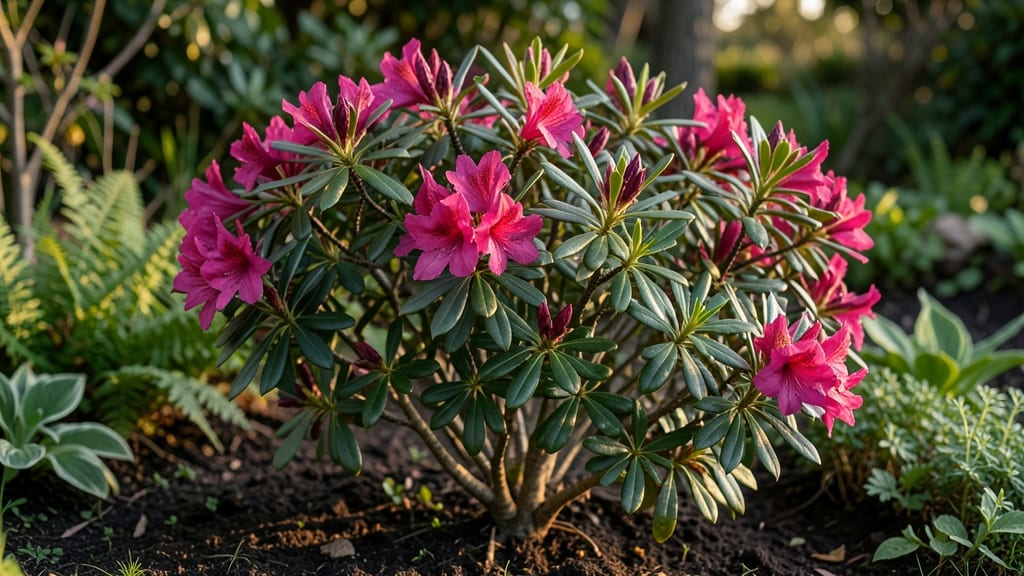
Your Stewartstonian azalea can defy winter's chill with the right care—cold-hardy blooms that surprise you in February when most gardens are still gray. ✨ I’ve watched mine burst into color after snowstorms, proving these azaleas aren’t just survivors, but winter showstoppers with proper protection.
Cold hardiness is their superpower, but dehydration and frost still sneak in. The secret lies in mulching 3-4 inches deep with shredded bark or pine needles before the ground freezes, then adding a burlap wrap around the base for extra insulation.
Prune right after blooming to avoid cutting off next year’s buds—this is where most gardeners go wrong.
By spring, you’ll see vibrant new growth and buds forming earlier than ever. The key is checking for frost cracks in stems and watering only when the soil is truly dry (overwatering in winter is a silent killer).
These azaleas reward patience with months of color when others are still dormant.
Works in zones 4-7 with minor adjustments—just add an extra layer of mulch in zone 4. The payoff? A garden that feels alive even in January. Let’s get those blooms prepped for winter’s best surprise.
📚 In This Guide
- What you need
- Instructions
- Tips and common mistakes
- Wrapping up and next steps
What you need
- ● Stewartstonian Azalea plants: 1–3 mature shrubs (3–5 feet tall, depending on your garden space). Choose Rhododendron varieties labeled as winter-blooming or cold-hardy (USDA Zones 4–7).
- ● Well-draining soil mix: 50% acidic potting soil (pH 4.5–5.5)
- ● 30% peat moss or coconut coir
- ● 20% perlite or sand (for aeration)
- ● Organic mulch: 2–3 inches of pine straw, cedar chips, or wood chips (avoid dyed mulch—it’s alkaline!).
- ● Slow-release acid-loving fertilizer: 10-10-10 or 8-3-9 (iron sulfate blend) applied in early spring and late summer.
- ● Watering can or hose with a gentle spray nozzle: Azaleas hate soggy roots but need consistent moisture.
- ● Pruning shears: Sharp, clean bypass pruners (sterilize with rubbing alcohol between cuts).
- ● Burlap or frost cloth: 1–2 rolls to protect young plants or tender buds from late frosts.
- ○ Garden stakes or trellis: Optional, for supporting heavy winter blooms if needed.
- ● Soil pH test kit: Ensures your soil stays acidic—critical for azaleas!
- ● Anti-desiccant spray (e.g., Wilt-Pruf): Protects leaves from winter drying.
- ● Mulch volcano guard: Keeps mulch piled away from the stem to prevent rot.
- ● Garden journal: Track blooming times, pruning notes, and fertilizer schedules.
How to care for Stewartstonian azaleas through winter
Winter-blooming azaleas like Stewartstonian bring color when most gardens sleep—here’s how to protect them and ensure stunning spring blooms.
☀️ Step 1: Mulch Heavily to Insulate Roots
After the first hard frost, spread 3-4 inches of organic mulch (like shredded bark or pine needles) around the base of your Stewartstonian azalea. Keep mulch 6 inches away from the trunk to prevent rot. This acts like a cozy blanket, protecting roots from freezing soil while retaining moisture.
I like to apply mulch after a light frost when the ground is slightly frozen—this helps trap heat radiating from the soil. Check the mulch layer every few weeks in winter. If it shrinks below 2 inches, add more to maintain protection.
💧 Step 2: Water Sparingly in Dormancy
Stewartstonian azaleas need far less water in winter than in growing seasons. Water only when the soil feels bone-dry 3-4 inches down—about once every 3-4 weeks unless you have unusually warm spells. Overwatering in cold soil leads to root rot, which is deadly for these tender shrubs.
Use a soaker hose or drip irrigation to water at the base, avoiding wet foliage. Early morning is best—this gives leaves time to dry before nighttime freezing. If your winters are below 10°F, hold off on watering entirely until temperatures rise.
✂️ Step 3: Prune After Blooming (But Not Too Late)
Wait until after the Stewartstonian’s winter flowers fade (usually late February or early March) to prune. Remove dead, crossing, or weak branches first, cutting just above a healthy bud or outward-facing growth. This keeps the shrub’s natural shape and encourages strong new blooms.
Here’s the thing—never prune in fall or winter. Pruning stimulates new growth, which can’t survive cold snaps. If you see frost-damaged branches in spring, wait until new growth appears before making cuts—sometimes stems recover better than you’d expect.
🪴 Step 4: Shield from Harsh Winds and Salt
If your garden gets strong winter winds, protect your Stewartstonian by placing a burlap windbreak on the exposed side. Even better, plant it where natural barriers (like evergreens or fences) block cold gusts. Windburn dries out leaves and weakens the plant before spring.
In snowy or icy climates, brush off accumulated snow from branches—too much weight can snap limbs. And if you shovel sidewalks near the azalea, sweep up salt residue immediately. Salt burns roots and foliage, stunting next year’s blooms.
🌱 Step 5: Monitor for Pests and Disease
Winter isn’t pest-free—spider mites and scale insects can still attack dormant azaleas. Inspect leaves monthly for webbing or sticky residue (a sign of scale). If you spot trouble, spray with neem oil mixed with water (1 tablespoon per gallon) in mild winter days above 40°F.
Watch for fungal issues like bud blast, which causes buds to blacken before opening. If you see this, prune infected buds immediately in spring and improve airflow around the plant. A little prevention now means vibrant blooms next winter—no compromises.
Tips & tricks for Stewartstonian azalea winter care
These simple strategies will help your Stewartstonian azalea thrive through winter's challenges and reward you with next year's stunning blooms.
Mulching Mastery: The 3-4 inch mulch layer isn't just about insulation—it's about creating a microclimate. I've found that adding a thin layer of evergreen needles on top of the mulch (about 1 inch) provides extra protection against freezing temperatures. This works especially well in zones with frequent temperature swings below 10°F. The needles' natural oils also help deter pests that might otherwise seek shelter in your mulch.
Watering Wisdom: When checking soil moisture in Step 2, use a long screwdriver or soil probe to test the 3-4 inch depth mentioned. If it comes out dry, that's your cue to water—but if it's still damp, wait. I've ruined several azaleas by overwatering when the soil was actually fine. Remember, cold soil holds moisture longer than warm soil, so you'll need less water than you think. Early morning watering is key because it gives foliage time to dry before nighttime freezing.
Pruning Precision: When pruning in Step 3, look for buds that face outward on the branch. Cutting just above these buds encourages new growth in the right direction. I've made the mistake of cutting too close to the bud, which can damage the emerging shoot. For Stewartstonians, aim to remove no more than 20-25% of the plant's total growth in one pruning session to avoid stressing it. The late February to early March window is perfect because it gives the plant time to recover before spring growth begins.
Winter Pest Prevention: For the neem oil treatment in Step 5, I've found that adding a drop of dish soap (about 1 teaspoon per gallon) helps the mixture stick better to the leaves. This is especially important for azaleas in windy areas where the spray might otherwise blow away. Apply on days when temperatures are above 40°F but below 70°F for best results—this temperature range prevents the neem oil from breaking down too quickly while still being safe for the plant.
Pro Tips for Stewartstonian Azalea In Winter
- These simple strategies will help your Stewartstonian azalea thrive through winter's challenges and reward you with next year's stunning blooms.
- Mulching Mastery: The 3-4 inch mulch layer isn't just about insulation—it's about creating a microclimate.
- Watering Wisdom: When checking soil moisture in Step 2, use a long screwdriver or soil probe to test the 3-4 inch depth mentioned.
Frequently asked questions
Got questions about keeping your Stewartstonian azalea thriving through winter? Here are some common ones—and their answers!
Can Stewartstonian azaleas survive harsh winters?
This cold-hardy variety thrives in USDA Zones 5-8 and can handle winter temperatures down to -15°F (-26°C). Just ensure they’re planted in well-draining soil and mulch heavily (3–4 inches) to protect roots. Young plants may need extra winter wrap, but mature azaleas are tough as nails!
How do I protect Stewartstonian azaleas from winter damage?
Focus on root and bud protection. Apply a thick layer of mulch (like pine straw or shredded bark) around the base, but avoid piling it against the trunk. For heavy snow, gently brush it off branches to prevent breakage. If your region gets extreme cold snaps, wrap the plant in burlap or frost cloth—just remove it in early spring to avoid overheating.
Will Stewartstonian azaleas bloom in winter?
Yes! This variety is famous for its late-winter to early-spring blooms (typically February–March), often before other azaleas. Cold winter dormancy actually enhances their vibrant flowers. Just avoid pruning in late fall/winter—wait until after blooming to shape the plant.
What if my Stewartstonian azalea looks dead in winter?
Don’t panic! Azaleas are evergreens but may look dormant or browned in winter. Check for green buds—if they’re there, the plant is alive. Prune back any dead branches in early spring. If the entire plant seems lifeless, test soil moisture (they prefer slightly acidic, moist-but-well-drained soil) and consider a soil pH test (ideal: 4.5–6.0).
Are there winter-care alternatives for Stewartstonian azaleas?
If you’re overwhelmed, focus on these low-maintenance swaps:
- Mulch upgrade: Swap regular mulch for pine needles (they acidify soil naturally).
- Watering: Water deeply once a month in winter if rain is scarce (avoid soggy soil).
- Fertilizer: Skip fall/winter feeding—wait until early spring for a balanced azalea fertilizer.
- Companion plants: Pair with hemlock or rhododendrons for shared winter care.
Wrapping up and next steps
Discovering the Stewartstonian azalea’s winter-blooming magic proves that cold-climate gardens can be just as vibrant—and stunning—as their warmer counterparts! 🌸❄️ This hardy beauty not only thrives in frost but also brings a rare splash of color and life when most plants are dormant.
Whether you’re a seasoned gardener or a winter enthusiast, adding this azalea to your landscape is a game-changer for year-round interest.
Ready to transform your winter garden? Start by researching your local climate zone, then plan your planting spot with care—soon, you’ll be rewarded with fragrant blooms that turn heads (and cameras!) even in the chill. Happy gardening!