
Vegetables
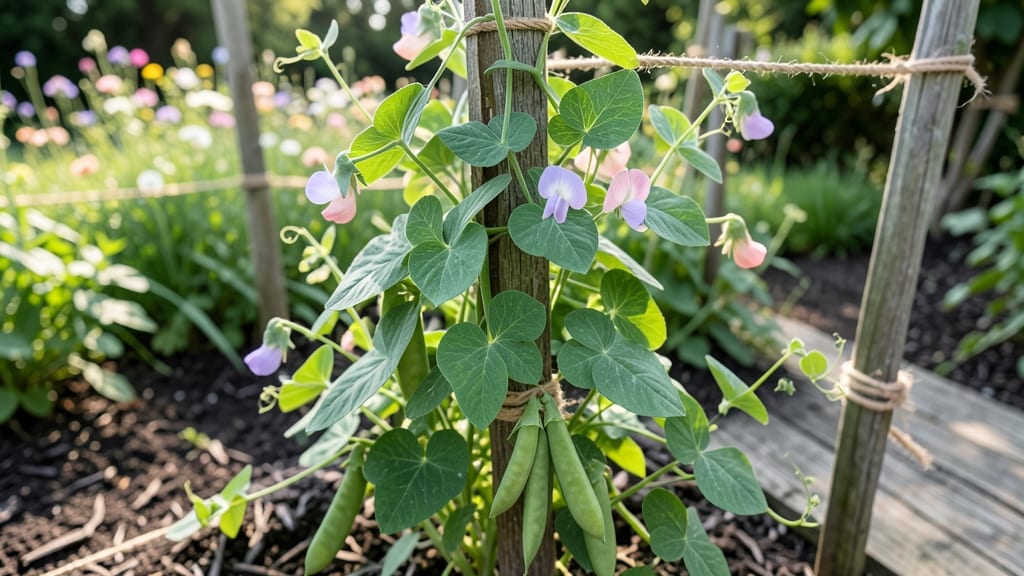
Sugar snap pea leaves turning yellow or spotted? 🌱 That’s your garden’s way of saying something’s off—and fixing it is easier than you think. The good news? Those "problem" leaves are actually edible greens packed with nutrients, but only if you address the root cause first.
I’ve seen snap peas go from sad and spotted to thriving in just a week with the right tweaks.
Yellowing leaves often mean too much water or poor drainage, while brown spots usually signal fungal issues or over-fertilizing. Start by checking the soil moisture—it should feel like a damp sponge, not a swamp.
If you spot powdery mildew (that white fuzzy stuff), prune affected leaves immediately and space plants for better airflow. The key is acting fast before pests or disease spread.
📚 In This Guide
- What you need
- Instructions
- Tips and common mistakes
- Wrapping up and next steps
What you need
- ● Sugar snap pea plants: 10–20 plants (or seeds) for a small harvest; more for larger batches. Choose varieties like Sugar Sprint or Super Sugar Snap for tender leaves.
- ● Well-draining soil: 1–2 cubic yards of rich, loamy soil (pH 6.0–7.0). Mix in compost or aged manure for extra nutrients.
- ● Sunlight: A sunny spot (6+ hours of direct light daily) or partial shade (4–6 hours) for cooler climates.
- ● Water: Consistent moisture (1–1.5 inches per week). Drip irrigation or a watering can works best.
- ● Garden tools: Hand trowel or small spade
- ● Pruning shears (for harvesting)
- ○ Garden gloves (optional but recommended)
- ○ Support structures (optional): Trellis or stakes (4–6 feet tall) to encourage vertical growth and larger leaves.
- ○ Fertilizer (optional): Balanced organic fertilizer (e.g., 10-10-10) or fish emulsion for a nutrient boost.
- ● Patience! Sugar snap pea leaves take 4–6 weeks to mature after planting (or 60–70 days from seed).
- ● Cool-season timing: Plant in early spring (after last frost) or late summer for a fall harvest.
- ● Space: At least 18–24 inches between plants for optimal airflow and leaf growth.
How to grow and harvest sugar snap pea leaves for nutrient-rich greens
Turn your sugar snap pea vines into a double harvest—sweet pods AND tender greens—with this simple method.
🌱 Step 1: Plant Sugar Snap Peas for Dual Harvest
Sugar snap peas thrive in cool weather and produce both edible pods and nutrient-packed leaves. Start by planting seeds ½ inch deep in well-draining soil, 2-3 inches apart along a trellis or fence. I use a 5-foot tall trellis to maximize vertical growth and leaf production. Peas need full sun to partial shade—morning sun with afternoon shade works best in hotter climates.
Water gently after planting to settle the soil without disturbing seeds. Keep the soil consistently moist but not soggy—peas hate waterlogged roots. You'll see first true leaves emerge in 7-10 days, signaling healthy growth. This is also when you can begin monitoring for leaf development alongside pod formation.
☀️ Step 2: Encourage Leaf Growth Through Proper Care
Sugar snap pea leaves are most tender and flavorful when harvested young. To maximize leaf production, ensure your plants receive at least 6 hours of sunlight daily. If leaves start yellowing or growing slowly, they need more light—move the trellis to a sunnier spot or supplement with a grow light.
Feed plants with a balanced 10-10-10 fertilizer every 3-4 weeks to support both pod and leaf growth. Avoid over-fertilizing with nitrogen-heavy mixes—this promotes leafy growth at the expense of sweet pods. You'll notice healthy leaves with a vibrant green color when care is just right.
✂️ Step 3: Harvest Leaves at Peak Tenderness
Harvest sugar snap pea leaves when they're 3-5 inches long for the best flavor and texture. Use clean scissors or pruning shears to snip leaves just above a leaf node—this encourages new growth. I like to harvest the youngest leaves first, as they're most tender. You can pick every 2-3 days to keep production steady throughout the growing season.
Harvesting leaves doesn't harm the plant—it actually stimulates bushier growth. Just avoid taking more than ⅓ of the plant's leaves at once to prevent stress. When pods begin to form, you can continue harvesting leaves until the pods reach maturity, giving you a continuous supply of greens.
🌿 Step 4: Store and Use Your Harvested Leaves
Sugar snap pea leaves store best in the refrigerator. Place freshly harvested leaves in a plastic bag with a paper towel to absorb moisture, then store in the crisper drawer for up to 5-7 days. For longer storage, blanch leaves in boiling water for 30 seconds, then shock in ice water before freezing in airtight containers.
Use your leaves like spinach in salads, sautés, or soups. They have a mild, slightly sweet flavor that pairs well with garlic, lemon, and nuts. If you notice any yellowing or wilting during storage, it's a sign the leaves are past their prime—use them up quickly for the best results.
Tips & tricks for perfect sugar snap pea leaf harvests
Here's what nobody tells you about maximizing your garden's green bounty without sacrificing those sweet pods.
Sunlight Strategy: Those 6 hours of sunlight per day are non-negotiable, but here's the secret: position your trellis to catch morning sun first. Sugar snap pea leaves develop their sweetest flavor when exposed to cooler morning light rather than hot afternoon rays. I've noticed the youngest leaves on the north side of my trellis are always the most tender—harvest those first!
Fertilizer Timing: The 3-4 week feeding schedule is perfect, but I've learned to split that 10-10-10 fertilizer into two lighter applications—once at planting and again when you first see pods forming. This prevents sudden growth spurts that can make leaves tough. Think of it as giving your plants a steady diet rather than a feast every month.
Harvesting Hack: When harvesting those 3-5 inch leaves every 2-3 days, focus on the outer leaves first. This "pruning" technique actually encourages the plant to produce more leaves along the main stem. I've doubled my harvest by following this method—just make sure to leave at least ⅓ of the leaves intact to keep the plant healthy.
Storage Wisdom: That 5-7 day refrigerator life is amazing, but here's how to extend it: wrap your leaves in a slightly damp paper towel before sealing them in the bag. The moisture mimics the plant's natural environment, keeping leaves crisp for an extra 2-3 days. For freezing, I've found that spreading leaves in a single layer on a baking sheet first prevents them from clumping together.
Pro Tips for Sugar Snap Pea Leaves
- Here's what nobody tells you about maximizing your garden's green bounty without sacrificing those sweet pods.
- Sunlight Strategy: Those 6 hours of sunlight per day are non-negotiable, but here's the secret: position your trellis to catch morning sun first.
- Fertilizer Timing: The 3-4 week feeding schedule is perfect, but I've learned to split that 10-10-10 fertilizer into two lighter applications—once at planting and again when you first see pods forming.
Frequently asked questions
Got questions about growing or using sugar snap pea leaves? You’re not alone! Here are answers to the most common queries—from harvest timing to creative uses and troubleshooting.
Can you eat sugar snap pea leaves?
These young, tender leaves are edible and packed with nutrients like vitamins A, C, and K. They have a mild, slightly sweet flavor similar to peas but with a fresher, greener taste. Just avoid overcooked leaves—they can turn bitter.
How long does it take for sugar snap pea leaves to grow?
Leaves typically appear 3–4 weeks after planting, depending on conditions. Young leaves are best for harvesting, so you can start picking them as soon as they’re 2–3 inches tall. The main pods take longer (60–70 days), but leaves are ready much sooner!
What’s the best way to harvest sugar snap pea leaves?
Use clean scissors or pruners to snip leaves just above a leaf node (where new growth emerges). Harvest in the morning for the freshest flavor. Avoid taking more than 1/3 of the plant at once to encourage regrowth.
How can I use sugar snap pea leaves in cooking?
Toss them raw in salads, blend into smoothies, or sauté like spinach (they wilt quickly!). Try them in stir-fries, soups, or pestos. For a unique twist, lightly blanch and serve as a side dish—just like asparagus!
Why are my sugar snap pea leaves turning yellow or spotted?
Yellowing leaves often signal overwatering, nutrient deficiency (like nitrogen), or fungal issues. Check soil moisture (keep it evenly damp but not soggy) and ensure the plant gets 6+ hours of sunlight. Spray with neem oil if you spot powdery mildew.
Can I grow sugar snap pea leaves in containers?
Yes! Choose a 5-gallon pot or larger with drainage holes. Use well-draining soil and a trellis for vertical growth. Just ensure the container gets full sun and stays consistently moist. Dwarf varieties like ‘Sugar Sprint’ work well in small spaces.
Will harvesting leaves affect pod production?
Not if done right! Pruning leaves can actually boost pod production by redirecting energy. Just avoid heavy harvesting late in the season (after pods form). Focus on young leaves early in the plant’s life cycle for the best balance.
Wrapping up and next steps
Sugar snap pea leaves are a hidden garden gem—packed with nutrients, easy to grow, and perfect for adding a fresh, vibrant twist to your meals!
Whether you’re harvesting them for salads, sautéing them as a side, or blending them into smoothies, these greens prove that even the "leftovers" can be delicious and nutritious. 🌱
Ready to put your newfound knowledge to use? Start small—plant a few seeds, experiment with recipes, or share your harvest with friends. Every leaf you grow is a step toward a healthier, more sustainable kitchen. Happy gardening! 🌿