
Vegetables
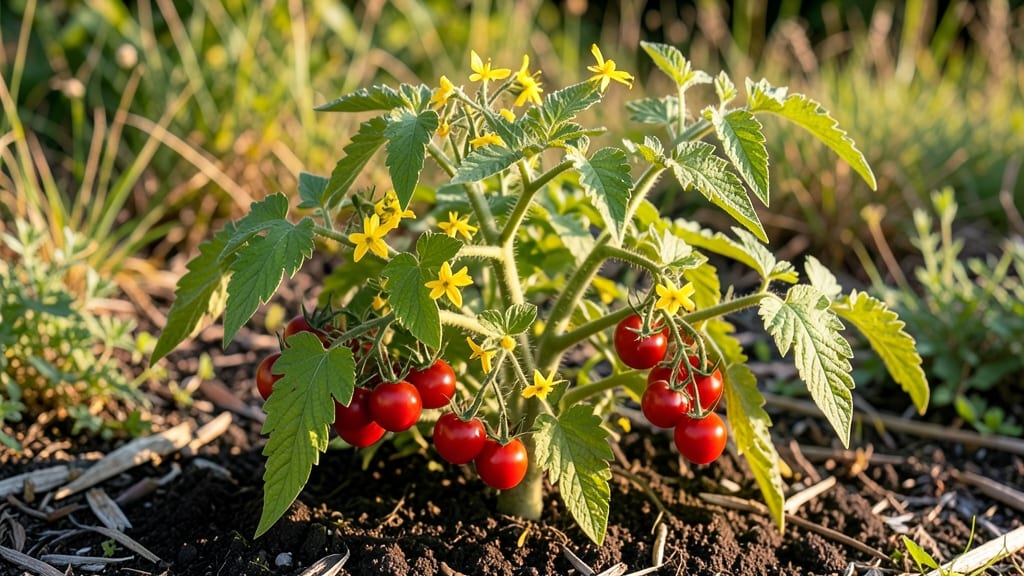
Sunburst cherry tomatoes are the showstopper of your garden—those vibrant yellow-orange fruits with bold stripes taste like summer in every bite. 🌱 I’ve grown them for years, and they’re the only variety that thrives in my small balcony pots and delivers fruit until frost.
The secret? Their compact vines and heat tolerance make them perfect for containers, but they still need the right care to produce those sweet, striped jewels.
These tomatoes love full sun (6+ hours daily) and well-draining soil, but they’re forgiving if you adjust watering—too much moisture causes blossom end rot, their biggest nemesis.
Start with a 5-gallon container or larger, fill it with potting mix rich in compost, and stake them early to support their 3-4 foot vines. The payoff? Clusters of 1-inch fruits that ripen in waves all season long.
Once you master the basics, you’ll troubleshoot like a pro: yellow leaves? Check watering; few flowers? Boost potassium. My plants produce 100+ fruits per vine when pruned right—prune suckers weekly and pinch off early blooms for bigger later harvests. The flavor? Unmatched—sweet, tangy, and addictive.
Works in zones 4-10, whether you’re a balcony gardener or have a sunny patio. Here’s how to grow them like a pro—no green thumb required!
📚 In This Guide
- What you need
- Instructions
- Tips and common mistakes
- Wrapping up and next steps
What you need
- ● Sunburst cherry tomato seeds – 3–5 seeds (or 1–2 seedlings if starting with transplants). Look for Solanum lycopersicum varieties labeled "Sunburst" or "Striped Roman" for those gorgeous golden-yellow stripes!
- ● Containers – 5-gallon pots or larger (at least 12–18 inches deep) with drainage holes. Pro tip: 💡 Use fabric grow bags for better aeration!
- ● High-quality potting mix – A well-draining blend (avoid garden soil—it compacts!). Mix in compost (1 part compost to 3 parts potting mix) for nutrients.
- ● Balanced fertilizer – 10-10-10 or 5-10-10 (organic options like fish emulsion or worm castings work too!).
- ● Tomato cages or stakes – 5–6 feet tall to support vines as they grow.
- ● Mulch – Straw, shredded leaves, or grass clippings to retain moisture and suppress weeds.
- ● Watering can or hose with a gentle spray nozzle – Cherry tomatoes need consistent moisture but hate soggy roots!
- ● Grow lights (if starting indoors before the last frost).
- ● Epsom salt (1 tablespoon per plant monthly for magnesium boosts).
- ● Drip irrigation system (for hands-off watering).
- ● Pruning shears (to encourage bushier growth and better air circulation).
- ● Succession planting seeds (for a continuous harvest!).
Step-by-step instructions for growing sunburst cherry tomatoes in containers
Here's how I grow these stunning striped tomatoes—vibrant, productive, and perfect for small spaces.
🌱 Step 1: Select the Right Container and Prepare Soil
Choose a container at least 12 inches deep and wide—Sunburst tomatoes need room for their vigorous vines. I use fabric grow bags because they allow roots to breathe and prevent waterlogging. Fill the bottom third with a fast-draining mix like perlite or coarse sand to prevent soggy roots.
Next, add a high-quality container potting mix enriched with compost. Sunburst tomatoes thrive in slightly acidic soil with a pH between 6.0 and 6.8. Mix in a slow-release fertilizer to provide steady nutrients throughout the season. The soil should feel like a damp sponge—light enough for roots to spread but moist enough to retain water.
🌱 Step 2: Plant Seeds or Transplants at the Right Time
Start seeds indoors 6-8 weeks before your last frost date or buy healthy transplants from a nursery. If sowing seeds, plant them 1/4 inch deep in the prepared soil. I like to use biodegradable seedling pots so I can transplant without disturbing the roots later. Keep the soil consistently moist but not soggy—water when the top inch feels dry.
Once seedlings develop 2-3 sets of true leaves and nighttime temperatures stay above 55°F, it's time to transplant. Choose a sunny spot that gets at least 6-8 hours of direct sunlight daily. If growing in containers, place them where they won’t be disturbed by wind or foot traffic.
☀️ Step 3: Provide Support and Encourage Strong Growth
Sunburst tomatoes are indeterminate, meaning they’ll grow continuously until frost. Install a sturdy 5-6 foot tall trellis or cage right after transplanting. Gently tie the main stem to the support as it grows—this prevents breakage when heavy fruit develops. I use soft plant ties to avoid damaging the stems.
Pinch off the first few flowers that appear on young plants. This may seem counterintuitive, but redirecting the plant’s energy into leaf and vine growth results in a stronger, more productive plant later. Once the plant is established and has 5-6 sets of leaves, it will reward you with a burst of striped cherry tomatoes.
💧 Step 4: Water and Feed for Maximum Fruit Production
Water deeply 1-2 times per week, ensuring the soil dries slightly between waterings. Sunburst tomatoes are drought-sensitive, so consistent moisture is key. Water at the base of the plant in the morning to reduce evaporation and prevent fungal diseases. Avoid wetting the leaves, as this can lead to blight.
Feed your plants every 2-3 weeks with a balanced liquid fertilizer, like a 10-10-10 mix, to encourage both foliage and fruit production. When the first tomatoes appear, switch to a fertilizer higher in phosphorus, like a 5-10-5, to boost flowering and fruiting. Watch for signs of nutrient deficiency—yellowing leaves or stunted growth means it’s time to feed again.
✂️ Step 5: Prune and Harvest for Continuous Production
Prune suckers—those little shoots that grow in the leaf axils—regularly to improve airflow and direct energy to fruit production. I remove them when they’re about 2 inches long, using clean pruning shears. This also helps prevent diseases by reducing humidity around the plant.
Harvest Sunburst tomatoes when they’re fully colored and plump, usually 50-60 days after flowering. Pinch off the stem just above the fruit to avoid damaging the vine. The more you harvest, the more your plant will produce. These tomatoes are sweetest when picked in the morning, so make it a habit to check your plants early in the day. Enjoy their vibrant stripes and burst of flavor!
Tips & tricks for growing vibrant sunburst cherry tomatoes
These container-friendly secrets will help you coax the most stunning striped tomatoes from your compact garden space.
Container Selection: While the instructions call for a 12-inch minimum container, I've found that wider containers (16 inches or more) actually produce more fruit because they allow the sprawling roots to spread out horizontally. The extra width gives the plant stability against wind and supports heavier fruit loads. Look for containers with drainage holes—this is non-negotiable for preventing root rot in these moisture-sensitive plants.
Soil Science: The pH range of 6.0-6.8 is crucial, but don't stop there. I recommend adding a handful of worm castings to the soil mix before planting. These contain beneficial microbes that help break down nutrients into forms the plant can absorb more efficiently. Think of it as giving your tomatoes a probiotic boost—they'll reward you with more vibrant stripes and sweeter flavor. The soil should always be moist but never soggy, so consider using a moisture meter if you're unsure when to water.
Transplant Timing: That 55°F nighttime temperature threshold is your green light, but here's the thing: if your mornings are still dipping below 50°F, wait a few more days. Cold-sensitive seedlings can develop blossom end rot later if shocked by temperature swings. I've learned this the hard way—patience at this stage pays off with healthier plants that produce fruit all season long. And remember, those biodegradable seedling pots are worth the small investment—they minimize root disturbance during transplanting.
Support System: When installing your 5-6 foot trellis, position it slightly off-center from the container. This creates a natural weight distribution that prevents tipping when heavy fruit develops. I also recommend using a spiral tomato cage as a secondary support—it provides extra stability during windy conditions. The key is to tie the main stem loosely with soft plant ties every 12 inches as it grows, allowing room for the stem to thicken naturally.
Pro Tips for Sunburst Cherry Tomatoes
- These container-friendly secrets will help you coax the most stunning striped tomatoes from your compact garden space.
- The extra width gives the plant stability against wind and supports heavier fruit loads.
- Soil Science: The pH range of 6.0-6.8 is crucial, but don't stop there.
Frequently asked questions
Got questions about growing or using sunburst cherry tomatoes? You’re not alone! Here are some of the most common queries—plus quick, practical answers to help you succeed.
How long does it take for sunburst cherry tomatoes to produce fruit?
With proper care, sunburst cherry tomatoes typically start flowering 50–60 days after transplanting (or 60–70 days from seed). First fruits usually ripen 8–10 weeks later, so plan for a 3–4 month harvest window. Patience pays off—these beauties reward you with bold stripes and sweet flavor!
Can I grow sunburst cherry tomatoes in containers? If so, what size pot do I need?
These compact vines thrive in containers. Use a pot at least 12–15 inches deep and wide (bigger is better for stability). Add a tomato cage or trellis to support the vines and improve air circulation. Just ensure the pot has drainage holes to prevent root rot.
Why aren’t my sunburst cherry tomatoes turning red or striped?
If your tomatoes lack color or stripes, check these fixes:
- Sunlight: They need 6–8+ hours of direct sun daily. Move pots or prune nearby shade sources.
- Watering: Inconsistent moisture (especially during flowering) can dull stripes. Water deeply 1–2 times/week (more in heat).
- Nutrients: Yellowing leaves? Feed with a balanced fertilizer (10-10-10) or compost tea every 3–4 weeks.
- Temperature: Extreme heat (>90°F) can stunt ripening. Use shade cloth if needed.
Are sunburst cherry tomatoes better for eating fresh, cooking, or preserving?
These tomatoes are versatile superstars! Enjoy them:
- Fresh: Snack on the vine, slice for salads, or dip in balsamic glaze.
- Cooking: Roast, grill, or toss into pasta for a sweet-tangy burst.
- Preserving: Perfect for sun-dried tomatoes, salsa, or sauces—their stripes add visual flair!
What’s a good alternative if I can’t find sunburst cherry tomatoes?
If sunburst varieties are unavailable, try these striped or similarly sweet cherry tomato alternatives:
Variety
Why It’s Similar
‘Tumbling Tom’ (Yellow)
Disease-resistant, prolific, and great for containers—just lacks stripes.
‘Sungold’
Sweeter than sunburst, but orange with no stripes—ideal for snacking.
‘Black Cherry’
Dark, smoky flavor; pair with sunburst for a colorful harvest.
‘Sweet 100’
Classic red cherry tomato—reliable and versatile.
For stripes, check seed catalogs for ‘Striped Roman’ or ‘Rainbow’ heirlooms—they’re rarer but worth the hunt!
Wrapping up and next steps
Growing sunburst cherry tomatoes is a rewarding journey that brings vibrant color and delicious flavor to your garden—whether in containers or raised beds! 🌱 Their striking striped vines and sweet-tart taste make them a standout choice for both beginners and seasoned gardeners.
With the right care, you’ll soon enjoy a bountiful harvest to share with friends or savor in fresh salads.
Ready to dive in? Start by gathering your supplies, then follow our simple steps to nurture these sun-kissed beauties. Happy planting—your future harvest is waiting! 🌞