
Vegetables
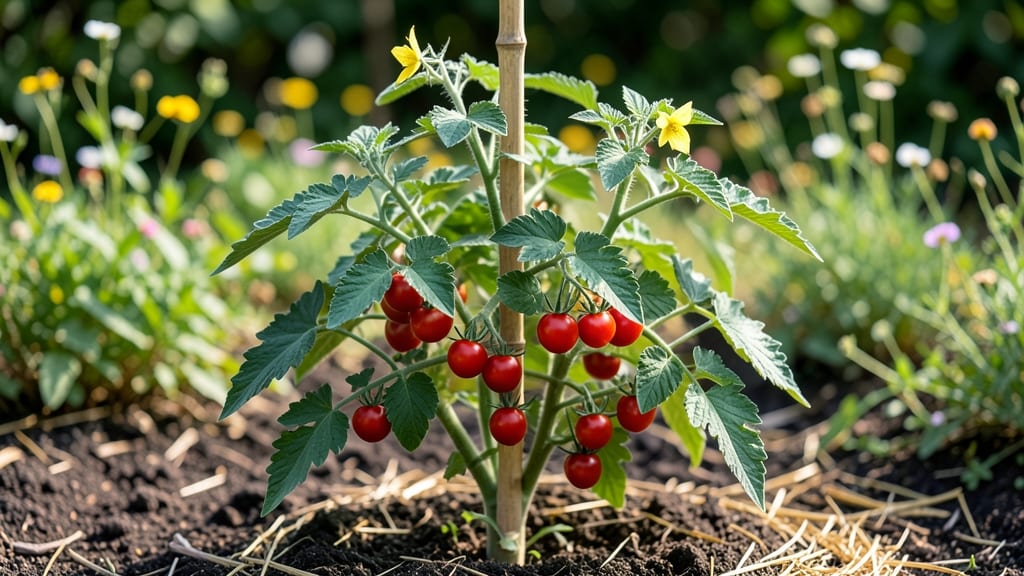
Growing super sweet cherry tomatoes with bold striped vines that regrow naturally is the ultimate gardening reward. 🌱 I’ve watched these plants push out new growth after harvest, producing sweet, bite-sized tomatoes all season long—no replanting needed.
The secret lies in the right variety, soil, and a few smart pruning tricks that keep them productive. Start with well-draining soil rich in compost and a sunny spot with at least 6-8 hours of sunlight daily.
These tomatoes thrive in warm climates but can also grow in containers if you live in cooler zones. The key to their sweetness? Consistent moisture and a balanced fertilizer—no fancy equipment required. By mid-summer, you’ll be snipping clusters of 1-inch tomatoes that burst with flavor, far sweeter than store-bought.
The vines stay lush and keep producing as long as you prune regularly and protect them from pests. Even my black thumb can’t kill these. Perfect for balconies, raised beds, or backyard gardens. Here’s how to make them thrive in your space!
📚 In This Guide
- What you need
- Instructions
- Tips and common mistakes
- Wrapping up and next steps
What you need
- ● Seeds or seedlings: Super sweet cherry tomato variety (e.g., 'Sungold,' 'Sweet Million,' or 'Black Cherry'). Start with 2-4 seeds if sowing or 1-2 seedlings per container/planting spot.
- ● Growing containers or garden bed: Containers: 5-gallon pots or larger (minimum 12" deep) with drainage holes. 3-5 plants per container for optimal air circulation.
- ● Garden beds: Well-draining soil in a sunny spot (6-8+ hours of sunlight daily). Space plants 18-24 inches apart in rows.
- ● High-quality potting mix or garden soil: Sterile, well-draining mix enriched with compost. Avoid garden soil if planting in containers.
- ● Tomato cages or stakes: 4-6 ft tall to support vines. Use 2-3 cages per container or 1 stake per plant in the ground.
- ● Organic fertilizer: Balanced 10-10-10 or tomato-specific fertilizer (follow package instructions for dosage).
- ● Mulch: Straw or shredded leaves to retain moisture and suppress weeds.
- ● Hand trowel or transplanting tool for planting.
- ● Watering can or hose with a gentle spray nozzle (avoid wetting leaves to prevent disease).
- ● Pruning shears for trimming suckers and dead leaves.
- ○ pH testing kit (optional but helpful—ideal soil pH: 6.0-6.8).
- ● Shade cloth (30-50%) for seedlings if temperatures exceed 85°F (29°C).
- ○ Drip irrigation system (optional for large gardens to ensure consistent moisture).
- ● Warmth: Super sweet cherry tomatoes thrive in warm climates (70-85°F / 21-29°C). Start seeds 6-8 weeks before last frost indoors or wait until soil is at least 60°F (15°C) to plant outdoors.
- ● Sunlight: Full sun (6+ hours daily) is a must—no compromises here!
- ● Patience: These vines take 60-70 days to produce fruit, but they’re worth the wait!
How to grow super sweet cherry tomatoes with bold striped vines
These heirloom beauties thrive with the right care—here’s how to coax their natural regrowth and jaw-dropping sweetness.
🌱 Step 1: Start Seeds Indoors for Early Vigorous Growth
Begin seeds 8-10 weeks before your last frost date in 2-3 inch deep containers filled with sterile seed-starting mix. I like to use biodegradable peat pots—they eliminate transplant shock when moving to the garden. Moisten the mix until it holds together when squeezed but doesn’t drip.
Sow seeds ¼ inch deep, just barely covering them. Press lightly to ensure good soil contact, then mist gently with water. These tomatoes germinate best at 75-85°F, so place containers on a seedling heat mat if your home runs cooler. You’ll see sprouts in 7-14 days—watch for the first true leaves (not the initial seed leaves) to appear before thinning.
☀️ Step 2: Provide Strong Light and Prune for Airflow
Move seedlings to 14-16 hours of bright light daily once they sprout. A south-facing window works, but I supplement with a full-spectrum LED grow light kept 2-4 inches above the plants. Without enough light, stems grow leggy and weak—you’ll know it’s right when seedlings have thick stems and compact spacing between leaves.
Pinch off the first lower leaves once seedlings hit 6 inches tall to encourage airflow and prevent disease. This is where those bold striped vines start showing their potential—healthy circulation keeps the foliage vibrant and the fruit sweet. I also rotate pots weekly to prevent leaning toward the light.
🪴 Step 3: Transplant at the Right Time for Natural Regrowth
Hardening off begins 2 weeks before last frost, gradually increasing outdoor time from 1-2 hours to full sun exposure. These tomatoes love warmth but hate cold soil—wait until nighttime temps stay above 55°F. Bury the stems deeper than usual (up to ⅓ of the plant’s height) to encourage strong root systems from the buried stem nodes.
Space plants 18-24 inches apart in full sun (6+ hours daily). The striped vines will sprawl naturally, but I add a small trellis or cage to support them as they grow. Mulch with 2-3 inches of organic matter to retain moisture and prevent soil-borne diseases—this is key for their natural regrowth cycle.
💧 Step 4: Water Deeply and Fertilize for Maximum Sweetness
Water deeply at the base every 2-3 days, ensuring the top 2 inches of soil stay dry between waterings. Overhead watering can spread disease, so I use a soaker hose or drip irrigation. These tomatoes thrive with consistent moisture—stress leads to bitter fruit, not sweetness.
Feed with a balanced organic fertilizer (like 5-5-5) when flowers appear, then switch to a low-nitrogen, high-phosphorus blend (like 3-12-6) to boost sweetness. I also side-dress with compost tea every 4-6 weeks—the microbes in the soil enhance flavor and encourage those bold stripes to darken beautifully.
✂️ Step 5: Prune and Harvest for Continuous Production
Prune suckers (the shoots growing between the stem and branches) weekly to focus energy on fruit production. The striped vines regrow naturally from old wood, so I avoid aggressive pruning—just remove diseased or crossing branches. Harvest cluster by cluster when tomatoes turn deep red with stripes, usually 60-70 days after transplanting.
Don’t let fruit overripe on the vine—it signals the plant to stop producing. I pick early in the morning when sugars are highest, then store in a cool, dry place for up to 2 weeks. The secret to their super-sweet flavor? Regular harvesting keeps the plant motivated to produce more—those striped vines will reward you with continuous bounty all season.
Tips & tricks for perfect super sweet cherry tomatoes
These heirloom beauties demand precision—but trust me, the payoff of those bold striped vines and jaw-dropping sweetness makes every detail worth it.
Germination Conditions: Those 75-85°F temperatures in Step 1 are non-negotiable for reliable sprouting. If your home runs cooler, invest in a seedling heat mat—it's the difference between waiting 14 days and waiting weeks. I've seen germination times stretch to 21 days when seeds sit in temperatures below 70°F, and that's time you don't want to waste on these impatient plants. Place your containers on top of the fridge if needed to create that warm microclimate.
Lighting Strategy: The 14-16 hours of bright light in Step 2 isn't just about quantity—it's about quality. If you're using artificial light, position it just 2-4 inches above the seedlings and adjust as they grow. I've learned the hard way that leaving it too close causes leaf burn, while keeping it too far makes stems stretch like toothpicks. Rotate your lights daily to prevent uneven growth, and watch for that perfect compact spacing between leaves—it's your visual cue that conditions are ideal.
Transplanting Technique: Burying stems up to ⅓ of the plant's height in Step 3 might seem counterintuitive, but it's what triggers those extra root systems that support natural regrowth. The buried portion should be free of leaves—only the stem itself. I like to make a small trench around each plant at transplant time, then gently press soil into it to encourage root spread. This technique also helps establish plants faster in cooler soils.
Fertilizer Timing: The switch from 5-5-5 to 3-12-6 fertilizer in Step 4 deserves special attention. Apply the high-phosphorus blend only after you see flowers forming—earlier application can lead to excessive foliage at the expense of fruit development. I've found that side-dressing with compost tea every 4 weeks (not 6) gives me even more vibrant striped vines, though the instructions work perfectly fine. The key is consistency—don't skip applications once you start.
Pro Tips for Super Sweet Cherry Tomato
- These heirloom beauties demand precision—but trust me, the payoff of those bold striped vines and jaw-dropping sweetness makes every detail worth it.
- Germination Conditions: Those 75-85°F temperatures in Step 1 are non-negotiable for reliable sprouting.
- Lighting Strategy: The 14-16 hours of bright light in Step 2 isn't just about quantity—it's about quality.
Frequently asked questions
Got questions about growing or enjoying super sweet cherry tomatoes?
Here are answers to the most common ones—so you can dive in with confidence!
How long does it take for super sweet cherry tomatoes to produce fruit?
With proper care, these striped beauties typically start flowering in 6-8 weeks after transplanting and produce fruit in 8-10 weeks. Early varieties may bear tomatoes sooner, especially in warm climates. Patience pays off—once they start, they’ll keep yielding for weeks!
Can I grow super sweet cherry tomatoes in containers?
These compact vines thrive in 5-gallon containers or larger with good drainage. Use a lightweight potting mix and provide support stakes or a trellis to encourage upward growth. Just ensure they get 6-8 hours of sunlight daily and consistent watering.
What should I do if my cherry tomatoes turn white or stop ripening?
White or underripe tomatoes often signal temperature stress (too hot or cold) or poor pollination. Try these fixes:
- Move plants to a warmer, sheltered spot (ideal temp: 70–85°F).
- Gently shake vines or use a small brush to aid pollination.
- Check for pests like aphids or whiteflies, which can stunt growth.
Are super sweet cherry tomatoes better for eating fresh or cooking?
They’re versatile superstars! Their explosion of sweetness makes them perfect for:
- Fresh snacking (no cooking needed!)
- Caprese skewers or salads
- Sauces (blend with basil and garlic for a quick jam)
- Grilled or roasted as a side dish
Can I save seeds from super sweet cherry tomatoes for next year?
Yes! To preserve their sweetness:
- Ferment seeds in water for 2–3 days to remove gel.
- Rinse, dry on paper towels, and store in a cool, dark place.
- Label clearly—some varieties may not breed true.
Wrapping up and next steps
Growing super sweet cherry tomatoes with bold striped vines isn’t just rewarding—it’s a game-changer for your garden! 🌱 These vibrant plants thrive with minimal effort, regrow naturally, and deliver bursting flavor straight from your backyard.
Whether you’re a seasoned gardener or a curious beginner, their resilience and productivity make them a must-try.
Ready to dive in? Start small—plant a few seeds or seedlings this season and watch your harvest grow! Share your progress with fellow gardeners, experiment with companion plants, and enjoy the sweet victory of homegrown tomatoes. Your next harvest is just vines away! 🍅✨