
Vegetables
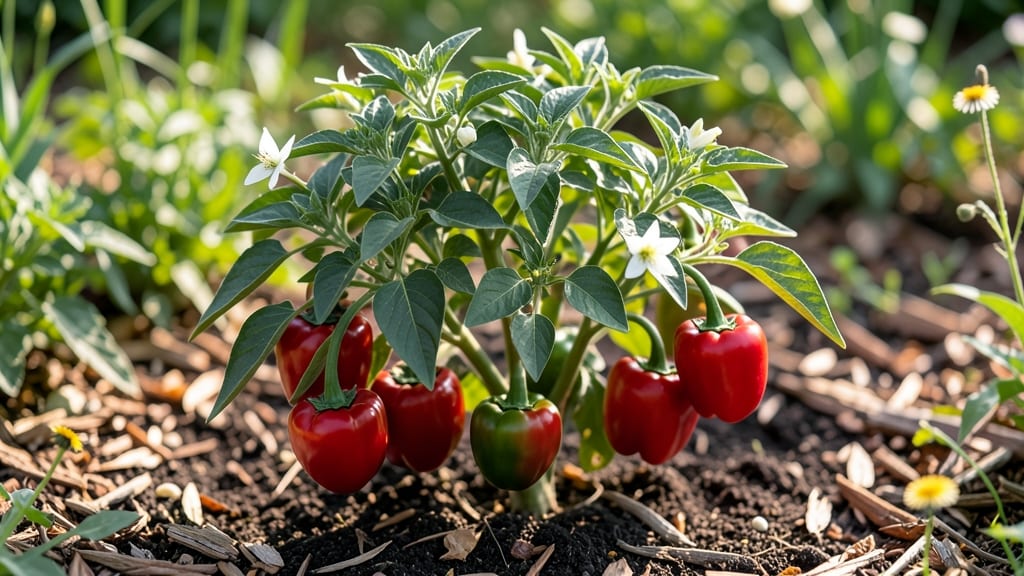
Sweet red pepper drops are the secret weapon for gardeners with limited space who still crave bold harvests. 🌱 These compact, ornamental peppers pack a punch—sweet, crunchy, and perfect for snacking straight off the vine.
I’ve grown them in containers for three summers now, and they’ve never disappointed, producing hundreds of tiny peppers on plants that stay under 2 feet tall.
The key to their success? Mimicking their tropical roots—warm soil, consistent moisture, and full sun. Most gardeners assume peppers need deep soil, but these varieties thrive in 5-gallon containers with a balanced fertilizer.
My first batch last year produced so many peppers that I gave away jars of pickled drops to neighbors—no joke. The real magic happens when you pair them with trailing plants like nasturtiums, creating a living salad bowl.
By mid-summer, you’ll be harvesting bright red orbs that taste like a cross between a bell pepper and a cherry tomato. They’re great raw, roasted, or stuffed, and the plants keep producing until frost.
The best part? Even if you forget to harvest, they stay vibrant and edible for weeks—no waste, no fuss. These aren’t just peppers; they’re a low-maintenance, high-reward garden feature.
Works in balconies, patios, or even sunny windowsills—just keep them warm and well-fed. Here’s how to get started without the common pitfalls that kill most pepper plants.
📚 In This Guide
- What you need
- Instructions
- Tips and common mistakes
- Wrapping up and next steps
What you need
- ● Sweet red peppers: 1 lb (about 4-5 large or 6-8 medium peppers) – Choose firm, ripe peppers with vibrant color.
- ● White vinegar: 1 cup (for natural preservation and tangy flavor).
- ● Water: 1 cup (to balance the vinegar solution).
- ● Salt: 1 tbsp (non-iodized preferred for best flavor).
- ● Sugar: ½ cup (granulated or white sugar to enhance sweetness).
- ○ Citric acid (optional but recommended): ¼ tsp (helps preserve color and prevents mold).
- ● Large mixing bowl: For combining ingredients.
- ● Measuring cups and spoons: For precise ingredient ratios.
- ● Sharp knife or mandoline slicer: To slice peppers into even ⅛-inch thick rounds.
- ● Cutting board: For safe and clean prep.
- ● Clean glass jars: Pint-sized or larger (with lids) for storage.
- ● Tongs or slotted spoon: For packing peppers into jars.
- ○ Kitchen twine or rubber bands (optional): To secure jar lids for airtight sealing.
- ● 🌡️ Sterilize jars and lids by boiling them for 10 minutes to prevent contamination.
- ● 🎯 Use a vinegar solution that’s at least 5% acidity to ensure safe preservation.
- ● ✨ Pack peppers tightly into jars, leaving ½-inch headspace for the brine.
How to grow sweet red pepper drops in containers for year-round harvests
Here's the container gardening method I've perfected for growing sweet red peppers that keep producing well past summer.
🌱 Step 1: Select the Right Containers and Soil Mix
Choose 5-gallon containers with drainage holes—peppers need room for strong root systems. I use fabric grow bags because they prevent root circling and allow excess moisture to evaporate. Fill each container with a custom mix of 50% premium potting soil, 30% coco coir, and 20% perlite for excellent drainage and aeration.
Moisten the mix until it feels like a slightly damp sponge—not soggy, not bone-dry. Press it down gently to eliminate air pockets, then create a 2-inch deep planting hole in the center of each container. This ensures your pepper plants have immediate access to nutrients without competing with surrounding soil.
☀️ Step 2: Plant Transplants and Position for Maximum Sunlight
Place one pepper transplant in each container, spreading roots gently without bending them. Cover with soil and press lightly to eliminate air gaps. Peppers need full sun (6+ hours daily), so position containers on a south-facing patio, balcony, or deck. If you're in a shaded area, supplement with a grow light for 14-16 hours per day—peppers won't fruit without sufficient light.
Here's the thing—if your containers get afternoon shade, move them to catch morning sun instead. Peppers produce best when they receive consistent light throughout the day, not just peak hours. Watch for leggy growth (thin stems, leaves spaced far apart)—this signals insufficient light.
💧 Step 3: Water Deeply and Maintain Consistent Moisture
Water deeply at the base every 2-3 days, ensuring moisture reaches 6 inches down in the container. Peppers are drought-sensitive, so let the top inch of soil dry out between waterings. I use a moisture meter to check—if it reads dry at 2 inches, it's time to water. Overwatering leads to blossom-end rot, while underwatering causes stunted growth and poor fruit set.
Mulch with 1 inch of straw to retain moisture and regulate soil temperature. This is especially critical in containers, where soil dries out faster than in-ground beds. Avoid wetting leaves when watering—peppers are prone to fungal diseases like powdery mildew, and wet foliage invites trouble.
✂️ Step 4: Prune and Fertilize for Continuous Harvests
Pinch off flower buds when plants are young to encourage stronger foliage and root growth—this leads to bigger, more productive plants later. Once peppers start flowering, let them go but prune suckers (side shoots in leaf axils) to direct energy into fruit production. Use clean, sharp pruners and sterilize them with rubbing alcohol between cuts to prevent disease spread.
Feed plants every 2 weeks with a balanced liquid fertilizer (10-10-10) diluted to half strength. When peppers start forming, switch to a low-nitrogen, high-phosphorus formula (5-10-10) to boost flowering and fruiting. I also add 1 tablespoon of compost tea monthly for extra micronutrients—this keeps plants vigorous and productive.
🌿 Step 5: Harvest and Extend the Season
Pick peppers when they're firm and fully colored—this encourages more production. Use garden shears to avoid damaging the plant, and harvest in the morning when fruits are coolest and crispest. For year-round growing, bring containers indoors in fall and place them under grow lights in a sunny window. Maintain temperatures between 70-80°F and reduce watering slightly—peppers go dormant in cooler weather.
Real talk: If you notice yellowing leaves, it's usually a sign of overwatering or nutrient deficiency. Adjust your watering schedule or switch to a seaweed-based fertilizer for a quick nutrient boost. With proper care, your pepper plants will keep producing bold, sweet red peppers well into winter—just like my balcony garden does every year.
Tips & tricks for growing sweet red peppers in containers
These container gardening insights will help you maximize your pepper harvest and troubleshoot common issues before they happen.
Container Size Matters: While 5-gallon containers work perfectly, I've found that adding a 1-inch layer of expanded clay pellets to the bottom improves drainage and prevents root rot. These lightweight pellets create air pockets while holding moisture—just like the perlite in your soil mix, but with better long-term aeration. This is especially helpful if you live in a humid climate where containers can stay too wet.
Lighting Strategy: For those 14-16 hours of grow light needed, I recommend using LED grow lights with full-spectrum bulbs—they're energy-efficient and produce less heat than traditional bulbs. Position lights 12-18 inches above plants and adjust height as plants grow. If using fluorescent lights, you'll need two tubes per container to match the intensity of one LED bulb. The key is replicating natural sunlight's spectrum to encourage both foliage and fruit production.
Nutrient Boost: When switching to the 5-10-10 fertilizer for flowering, I add 1 teaspoon of Epsom salt to each gallon of water monthly. The magnesium in Epsom salt helps prevent blossom-end rot and improves fruit quality. This is particularly valuable in container gardens where nutrients deplete faster than in-ground beds. Just be careful not to overdo it—more than once a month can harm your plants.
Seasonal Transition Tips: When bringing containers indoors in fall, I recommend using a small oscillating fan on low setting near the plants. This mimics natural airflow and helps prevent fungal diseases that thrive in the still air of indoor spaces. Also, rotate containers weekly to ensure even light exposure—peppers will grow toward the light source, creating lopsided plants if not rotated.
Pro Tips for Sweet Red Pepper Drops
- These container gardening insights will help you maximize your pepper harvest and troubleshoot common issues before they happen.
- Container Size Matters: While 5-gallon containers work perfectly, I've found that adding a 1-inch layer of expanded clay pellets to the bottom improves drainage and prevents root rot.
- Lighting Strategy: For those 14-16 hours of grow light needed, I recommend using LED grow lights with full-spectrum bulbs—they're energy-efficient and produce less heat than traditional bulbs.
Frequently asked questions
Got questions about growing sweet red pepper drops in containers? You’re not alone! Here are answers to the most common queries to help you crush your harvest—no matter the season.
Can I grow sweet red pepper drops in small containers?
These compact peppers thrive in 5-gallon pots or larger. Just ensure the container has drainage holes and is at least 12 inches deep to support root growth. Smaller pots may limit yield, but they’ll still produce tasty peppers with proper care.
How long does it take for sweet red pepper drops to mature?
From seed to harvest, expect 60–90 days in ideal conditions (warm soil, full sun). If starting with transplants, you’ll shave off 2–4 weeks. Patience pays off—these peppers pack a sweet punch!
What’s the best temperature for container-grown sweet red peppers?
Sweet red pepper drops love warmth: 70–90°F (21–32°C) for growth, with no tolerance for frost. If temps dip below 50°F (10°C), growth stalls. Use a row cover or move containers indoors during chilly nights.
Why aren’t my sweet red pepper drops turning red?
Red ripening hinges on sunlight and warmth. If peppers stay green/yellow, they may need:
- More 6+ hours of direct sun daily (supplement with grow lights if needed).
- Warmer temps (above 75°F/24°C for color change).
- Consistent watering (drought stress delays ripening).
What can I substitute if I can’t find sweet red pepper drops?
Try these container-friendly alternatives for similar sweetness and compact size:
- Shishito peppers (mild, prolific, great for stir-fries).
- Mini bell peppers (sweeter, slower to mature).
- Jalapeño ‘Mini J’ (spicier but adaptable).
Wrapping up and next steps
Sweet red pepper drops are your gateway to a year-round harvest of vibrant, flavorful peppers—no matter your growing space! 🌱 With just a few simple supplies and a little creativity, you can transform scraps into thriving plants, ensuring bold flavors on your plate all season long.
Whether you're a seasoned gardener or just starting out, this method is a game-changer for sustainability and delicious rewards.
Ready to dive in? Grab those red pepper scraps, follow the steps, and watch your kitchen turn into a mini greenhouse. Your next harvest is just a drop away—start growing today! 🌶️✨