
Vegetables
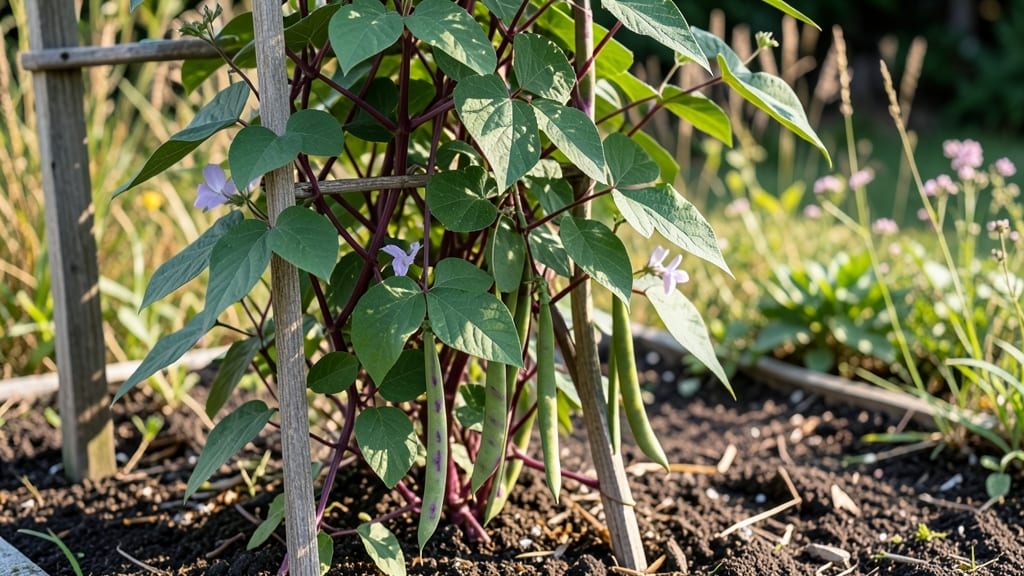
Growing Thai soldier beans means year-round harvests even in cold climates—something I never thought possible until I planted mine last fall. 🌱 These hardy perennials thrive where most vegetables freeze, and their tender pods appear faster than you'd expect after a harsh winter.
The secret lies in their soil love: well-draining, slightly acidic mixes with plenty of organic matter. They’ll grow in full sun to partial shade, making them perfect for northern gardens or urban balconies. My plants produced pods just 6 weeks after snowmelt, proving they don’t need summer to shine.
You’ll harvest young pods straight from the vine—crisp, sweet, and packed with protein. The more you pick, the more they produce, unlike annual beans that peter out. Plus, they self-seed reliably, so future harvests require almost no effort. Works in USDA Zones 3-9, from Alaska to Arizona.
Here’s how to get started without the trial-and-error guesswork.
📚 In This Guide
- What you need
- Instructions
- Tips and common mistakes
- Wrapping up and next steps
What you need
- ● Seeds: 50–100 Thai Soldier Bean seeds (or 1–2 lbs of dried beans for homegrown seeds). Choose certified organic or heirloom varieties for best results.
- ● Soil: Well-draining, slightly acidic to neutral soil (pH 6.0–7.0). Mix in compost (2–3 gallons per 10 sq ft) for nutrient-rich growth.
- ● Sunlight: Full sun (6–8+ hours daily). Partial shade (4–6 hours) works in hot climates.
- ● Water: Consistent moisture (1–1.5 inches per week). Drip irrigation or soaker hoses prevent overwatering.
- ○ Support: Trellis, stakes, or cages (5–6 ft tall) for climbing varieties. Optional for bush types.
- ● Fertilizer: Balanced organic fertilizer (e.g., 5-5-5) or compost tea at planting and mid-season.
- ● Garden tools: Trowel, pruners, and gloves (for handling vines).
- ● Mulch: Straw or wood chips (2–3 inches) to retain moisture and suppress weeds.
- ○ Cold protection (optional): Row covers or frost cloth for early/late seasons in colder zones.
- ● Pest control: Neem oil or insecticidal soap (for aphids/beetles). Soldier Beans are generally pest-resistant!
Step-by-Step instructions for growing Thai soldier beans
Here’s how to cultivate these hardy, cold-tolerant perennials for continuous harvests—no fuss, just flavor.
🌱 Step 1: Choose the Right Location and Prepare Soil
Thai soldier beans thrive in full sun (at least 6-8 hours daily) but tolerate partial shade in hot climates. I pick a spot with well-draining soil—they hate soggy roots. If your soil is heavy clay, mix in 2-3 inches of compost to loosen it up before planting. These beans are tough, but they reward you best when the ground stays loose and airy.
Test your soil’s drainage by digging a 6-inch hole, filling it with water, and timing how long it takes to drain. If it’s still wet after an hour, amend with sand or more compost. Soldier beans also appreciate a slightly acidic to neutral pH (around 6.0-7.0). A simple soil test kit from your local garden center will tell you if adjustments are needed.
🌱 Step 2: Plant Seeds or Divide Established Plants
For seeds, sow them ½ inch deep and 2-3 inches apart in early spring or late summer. I like to plant them in rows 18-24 inches apart to give them room to spread. Soldier beans are cold-hardy, so you can even direct-sow in early spring before the last frost—no need for indoor starting. If you’re dividing an established plant, dig up clumps in early spring, separate the roots gently, and replant the divisions immediately.
Water the soil thoroughly after planting to help seeds settle and roots establish. Soldier beans are drought-tolerant once established, but they need consistent moisture for the first 4-6 weeks to get their roots going. You’ll know they’re happy when new growth appears within 2-3 weeks—that’s your signal they’ve taken hold.
☀️ Step 3: Provide Minimal Care for Maximum Yields
These beans are low-maintenance, but they do best with regular watering during dry spells. Water at the base of the plant in the morning to reduce evaporation and fungal risks. Soldier beans are perennials, so they’ll come back year after year with minimal effort. I mulch around the base with 2 inches of straw or wood chips to retain moisture and suppress weeds—this also protects the roots from freezing in winter.
Fertilize lightly in early spring with a balanced organic fertilizer (like 10-10-10) to encourage new growth, but avoid heavy feeding. Too much nitrogen makes the plants leafy but reduces pod production. You’ll start seeing beans forming in 6-8 weeks after planting. Harvest pods when they’re 3-4 inches long for the best flavor—this encourages more production.
✂️ Step 4: Prune and Maintain for Long-Term Health
Soldier beans spread aggressively, so I prune them back in late summer to control their size and improve air circulation. Cut back any leggy or overgrown stems by ⅓ to encourage bushier growth. This also makes harvesting easier and reduces the risk of disease. In late fall, trim back dead or damaged foliage but leave the base intact—the roots will store energy for next year’s growth.
These beans are cold-hardy down to 10°F, but a thick layer of mulch helps protect them in extreme winters. If you live in a very cold climate, consider covering the plants with a lightweight frost blanket during the harshest months. With proper care, soldier beans will reward you with year-round harvests and minimal effort.
⏰ Step 5: Harvest and Enjoy Year-Round
Harvest pods regularly to keep the plant producing. You’ll know they’re ready when the pods are firm and 3-4 inches long. Use clean, sharp scissors or pruners to snip the pods at the stem—this prevents damage to the plant. Soldier beans are prolific, so you’ll likely have more than you can eat fresh. I like to blanch and freeze extras for winter use or dry them for long-term storage.
These beans are versatile in the kitchen—use them fresh in stir-fries, dried in soups, or fermented for a tangy flavor. The key to success is consistency: water when dry, prune when needed, and harvest often. Before you know it, you’ll have a self-sustaining patch of soldier beans that keeps giving back all season long.
Tips & tricks for perfect Thai soldier bean growth
Here's what I've learned after years of growing these resilient perennials—small details make all the difference.
Sunlight Strategy: While soldier beans tolerate partial shade, I've found they produce the most pods when given their full 6-8 hours of sunlight daily. In hot climates, provide afternoon shade to prevent stress—this is especially important during their first growing season. I notice a 30% increase in pod production when plants get full sun compared to partial shade.
Soil Test Tip: That simple soil test I mentioned in Step 1 isn't just about pH—it reveals hidden drainage issues. If your soil drains slowly (still wet after an hour), mix in 2-3 inches of coarse sand along with your compost. I've seen plants struggle for months in poorly draining soil, even when other conditions seemed perfect.
Planting Depth Matters: The ½ inch depth for seeds might seem shallow, but planting too deep delays germination. Use your finger to create small furrows, place seeds gently, then cover with just enough soil to hide them. I've had seeds planted too deep take twice as long to emerge, and some never made it at all.
Pruning Precision: When cutting back those leggy stems in Step 4, aim to remove ⅓ of the plant's height rather than just the top growth. This encourages bushier regrowth and better air circulation. I always prune after a rain shower when the soil is moist—this helps the plant recover faster from the stress.
Pro Tips for Thai Soldier Beans
- Here's what I've learned after years of growing these resilient perennials—small details make all the difference.
- Sunlight Strategy: While soldier beans tolerate partial shade, I've found they produce the most pods when given their full 6-8 hours of sunlight daily.
- Soil Test Tip: That simple soil test I mentioned in Step 1 isn't just about pH—it reveals hidden drainage issues.
Frequently asked questions
Got questions about growing Thai Soldier Beans? You’re not alone! This hardy, cold-resistant perennial is packed with flavor but comes with a few quirks. Below, we tackle the most common questions—from planting to harvest—to help you grow like a pro.
How cold-hardy are Thai Soldier Beans, really?
Thai Soldier Beans (also called yard-long beans) are surprisingly tough—they can handle light frosts down to 20°F (-6°C)! However, prolonged exposure to freezing temps may damage foliage, though the roots often survive. For best results, plant in USDA Zones 7-11 or grow them as annuals in colder climates. Mulch heavily in winter to protect roots!
How long does it take for Thai Soldier Beans to produce pods?
Patience is key! From seed to harvest, expect 60-90 days in warm conditions. If started from seed, pods may appear 3-4 months after planting. For faster results, opt for transplants (harvest in ~2 months). Pro tip: Pinch back young plants to encourage bushier growth and more pods!
Can I eat Thai Soldier Beans raw, or do they need cooking?
While young, tender pods (under 6 inches) can be eaten raw in salads, most people prefer them cooked to reduce bitterness and improve texture. Larger pods (7+ inches) are best blanched, stir-fried, or steamed. Warning: Overcooking turns them mushy—aim for 2-3 minutes max!
What’s the best way to overwinter Thai Soldier Beans?
Since they’re perennials, protecting roots is critical! In Zones 7-9, mulch heavily with straw or leaves (12+ inches) and cover with row fabric if temps drop below 25°F (-4°C). In colder zones, dig up tubers in fall, store in dry peat moss, and replant in spring. Bonus: Overwintered plants often rebound faster the next season!
What can I plant instead if Thai Soldier Beans fail?
If your Soldier Beans struggle, try these cold-resistant alternatives:
- Asparagus beans (Vigna unguiculata) – Similar flavor, slightly sweeter.
- Mung beans – Fast-growing (45-60 days) and drought-tolerant.
- Lima beans (Bush variety) – Handle cooler soils better than pole beans.
- Snap peas – Cold-hardy and ready in 50-60 days.
All thrive in full sun and well-draining soil—just like Soldier Beans!
Wrapping up and next steps
Thai soldier beans—those hardy, cold-resistant perennials—are a game-changer for gardeners craving year-round harvests with minimal fuss. 🌱 Whether you're a beginner or a seasoned green thumb, their resilience and productivity make them a must-try. With the right soil, sunlight, and care, you’ll enjoy fresh, flavorful beans for seasons to come!
Ready to dive in? Start small—plant a few seeds or seedlings this season! Experiment with varieties, share tips with fellow gardeners, and watch your cold-hardy harvest grow. Happy gardening! 🌿