
Vegetables
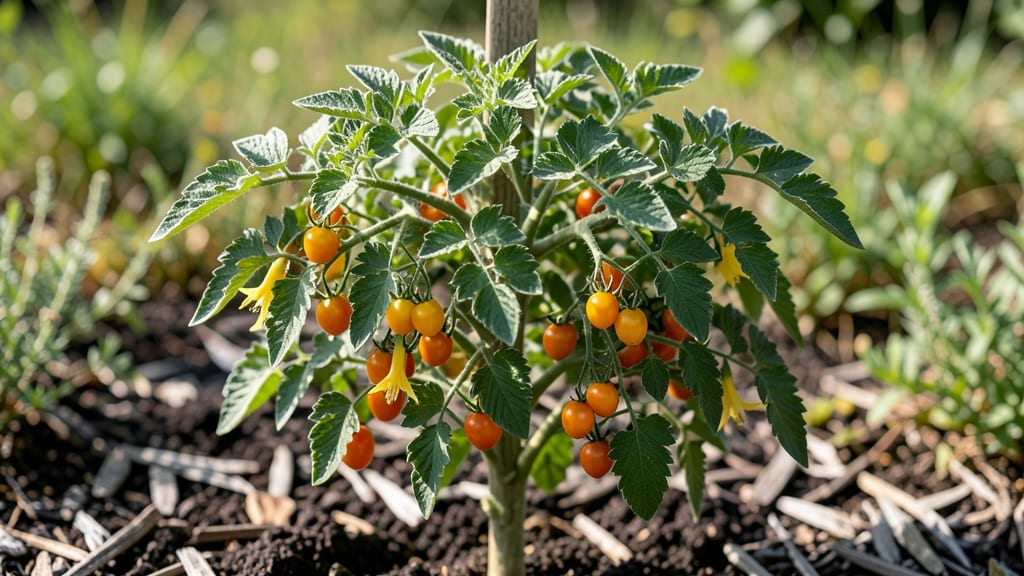
Growing tiny orange tomatoes like Tumbling Tom or Sun Gold means sunshine in a pot—literally. 🌱 These bite-sized gems stay compact, produce all summer, and even handle cooler temps better than their big siblings.
I’ve grown them in 5-gallon pots for years, and they’ve never disappointed with their sweet, prolific harvests. The secret? Balanced care—well-draining soil, consistent watering, and a sturdy trellis to support their cascading growth. Unlike heirlooms, these varieties stay small naturally, so no pruning stress.
Just plant, feed lightly, and watch them burst with flavor by mid-July. You’ll end up with hundreds of tiny, sweet tomatoes perfect for snacking or salads. The plants stay productive until frost, and their cold tolerance means you can start them earlier than most varieties.
Great for balconies, small yards, or even hanging baskets. Here’s how to keep them thriving all season!
📚 In This Guide
- What you need
- Instructions
- Tips and common mistakes
- Wrapping up and next steps
What you need
- ● Seeds or seedlings: 3–5 tiny orange tomato seeds (or 1–2 seedlings) per pot. Choose cold-hardy varieties like 'Tumbling Tom' or 'Tiny Tim'.
- ● Containers: 5–10 gallon pots (with drainage holes) or a raised bed. Ensure pots are at least 12 inches deep for optimal root growth.
- ● Potting mix: 1 bag (1–2 cubic feet) of high-quality, well-draining potting soil (avoid garden soil—it compacts too much!).
- ● Fertilizer: Balanced, organic fertilizer (e.g., 10-10-10 or compost) or a slow-release tomato-specific formula.
- ● Support: Small stakes (6–12 inches tall) or a cage (1–2 feet in diameter) for vining varieties.
- ● Mulch: Straw or shredded leaves to retain moisture and regulate soil temperature.
- ● Grow lights (if starting indoors or in low-light areas).
- ● Succession planting kit (for continuous harvests).
- ● Plant markers (to track varieties).
- ● Pruning shears (for shaping plants).
- ● Drip irrigation system (for consistent watering).
Step-by-step instructions for growing cold-resistant orange tomatoes in pots
Here's how I grow compact, flavor-packed orange tomatoes that handle cooler weather and containers like a pro.
🌱 Step 1: Select the Right Variety and Container Setup
Choose a cold-tolerant orange variety like 'Sun Gold Cherry' or 'Tiny Tim'—both thrive in pots and handle temperatures down to 40°F. I use 5-gallon fabric grow bags for each plant because they breathe better than rigid pots and prevent root circling. The fabric also mimics field conditions, which these dwarf varieties prefer.
Place a 2-inch layer of gravel at the bottom for drainage, then fill the container halfway with a lightweight potting mix (never garden soil—it compacts and suffocates roots). These tomatoes need well-draining soil to prevent blossom end rot, so I blend in 20% perlite to the mix. Tap the pot gently to settle the soil without compacting it too much.
☀️ Step 2: Plant and Provide Early Season Warmth
Plant your seedling when nighttime temperatures stay above 50°F—these varieties handle cooler days better than most, but they still need warmth to set fruit. I bury the stem slightly deeper than in the nursery pot to encourage stronger root growth. Water deeply right after planting to eliminate air pockets around the roots.
For the first 2 weeks, protect plants from evening chills by covering them with frost cloth if temperatures drop below 55°F. During the day, position pots in full sun (at least 6-8 hours daily). If your spring is slow to warm, use a small heat mat under the pot to keep roots 60-65°F—this jumpstarts flowering.
💧 Step 3: Water and Fertilize for Compact Growth
Water when the top inch of soil feels dry—these dwarf varieties need consistent moisture but hate soggy roots. I use a drip irrigation system set to deliver ½ gallon per plant daily during fruit set, reducing to ¼ gallon weekly once established. Overhead watering can spread disease, so I water at the base early in the morning.
Feed every 2 weeks with a balanced 10-10-10 fertilizer diluted to half strength. The key with these compact plants is to avoid excessive nitrogen—it promotes leafy growth at the expense of fruit. When flowers appear, switch to a low-nitrogen, high-phosphorus fertilizer (like 5-10-10) to encourage fruiting. You'll see tiny orange blossoms within 3-4 weeks of planting.
✂️ Step 4: Prune and Support for Maximum Yield
Pinch off the first flower cluster that appears below the first 6 inches of stem—this directs energy to stronger lower branches. For 'Tiny Tim', I remove all suckers (side shoots) to keep the plant bushy rather than leggy. These varieties don't need heavy pruning like indeterminate types, but I do trim any leaves touching the soil to prevent disease.
Install a small tomato cage or bamboo stake at planting to support the plant as it grows. The cages should be 2 feet tall—enough to hold the compact 2-3 foot height these varieties reach. Gently tie the main stem to the support as it grows, using soft plant ties that won't cut into the stem. You'll harvest your first tiny oranges in 50-60 days after planting.
🌿 Step 5: Extend the Season with Simple Tricks
To keep producing through fall, protect plants from frost by moving pots to a sheltered location or covering them with clear plastic domes. These varieties can tolerate light frosts, but fruit won't ripen below 55°F. I also remove all fruit when nighttime temperatures drop below 50°F—the plant will focus energy on surviving rather than ripening.
Harvest when tomatoes turn fully orange and yield slightly to gentle pressure. Pick regularly to encourage more production. At the first frost, dig up the entire plant, pot it, and move it indoors to a sunny window or under grow lights for a late-season harvest. With proper care, you'll get 3-4 harvests per plant before winter ends production.
Tips & tricks for perfect tiny orange tomatoes in pots
These cold-resistant varieties need special care to thrive in containers—here's how to maximize your harvest.
Container Choice: Fabric grow bags breathe better than plastic or ceramic pots, preventing root suffocation and allowing excess moisture to evaporate. If you must use rigid containers, choose ones with drainage holes—these tiny tomatoes despise soggy roots. I've found that 5-gallon fabric bags provide just the right balance of air circulation and root space for these compact varieties.
Soil Mix Matters: The 20% perlite addition in your lightweight potting mix is crucial for preventing blossom end rot, a common issue with container-grown tomatoes. I always sift the mix before planting to eliminate any large clumps that could restrict root growth. For added insurance, mix in a handful of composted worm castings—this boosts microbial activity without overwhelming the plant's delicate root system.
Temperature Timing: Those first two weeks are critical—nighttime temps below 55°F can stall flowering. I've learned to monitor evening forecasts and have frost cloth ready. During the day, position your pots where they'll get the full 6-8 hours of sunlight, but move them to avoid afternoon heat stress if temperatures exceed 85°F. A simple shade cloth can protect leaves while still allowing light penetration.
Fertilizer Transition: The switch from balanced 10-10-10 to low-nitrogen 5-10-10 fertilizer when flowers appear makes all the difference. I make this transition as soon as I spot the first tiny blossoms, which typically appears within 3-4 weeks of planting. This shift encourages fruit production rather than leafy growth, giving you more of those sweet, tiny oranges you're growing for.
Pro Tips for Tiny Orange Tomatoes
- These cold-resistant varieties need special care to thrive in containers—here's how to maximize your harvest.
- Container Choice: Fabric grow bags breathe better than plastic or ceramic pots, preventing root suffocation and allowing excess moisture to evaporate.
- Soil Mix Matters: The 20% perlite addition in your lightweight potting mix is crucial for preventing blossom end rot, a common issue with container-grown tomatoes.
Frequently asked questions
Got questions about growing tiny orange tomatoes? You’re not alone! Here are some of the most common queries—plus quick, practical answers to help your harvest shine.
When do tiny orange tomatoes actually ripen?
These cold-resistant varieties typically ripen 60–75 days after transplanting, depending on your climate. In cooler zones, they may take longer—expect fruit in late summer or early fall. Pro tip: Watch for color shifts from green to orange, and pick when fully firm!
Can tiny orange tomatoes survive frost?
While they’re more cold-tolerant than traditional tomatoes, they won’t survive hard frosts (<32°F/0°C). Use row covers or move pots to a sheltered spot if frost is forecasted. Key: They’ll stop producing but won’t die—just protect them early!
What’s the best pot size for these tomatoes?
Aim for 5-gallon containers minimum (12+ inches deep) to support roots and fruit. Drainage holes are a must! Bonus: Add a tomato cage or stakes early—they’re lightweight but need support as they grow.
What if my tiny orange tomatoes turn yellow or crack?
Yellowing often signals overwatering or nutrient deficiency (try a balanced fertilizer). Cracking? It’s usually uneven watering—keep soil consistently moist. Fix: Mulch pots to retain moisture and adjust watering to deep but infrequent soaks.
Are there alternatives if I can’t grow tiny orange tomatoes?
Yes! Try ‘Tiny Tim’ (cherry tomato), ‘Sun Gold’ (orange hybrid), or ‘Patio Princess’ (compact). All thrive in pots and offer similar sweetness. Note: ‘Tiny Tim’ is even more cold-hardy—a great backup!
Wrapping up and next steps
Growing tiny orange tomatoes in pots is a rewarding journey—whether you're a seasoned gardener or a curious beginner!
These cold-resistant varieties bring vibrant color and delicious flavor to your space, proving that even small gardens can yield big results. 🌱 Start your next harvest by picking a variety that suits your climate, gathering the right supplies, and giving your plants the love they need.
Ready to take the next step? Try planting a few seeds this season and watch your tiny orange tomatoes flourish! Share your progress with fellow gardeners or experiment with new recipes—your green thumb will thank you. 🍅✨