
Vegetables
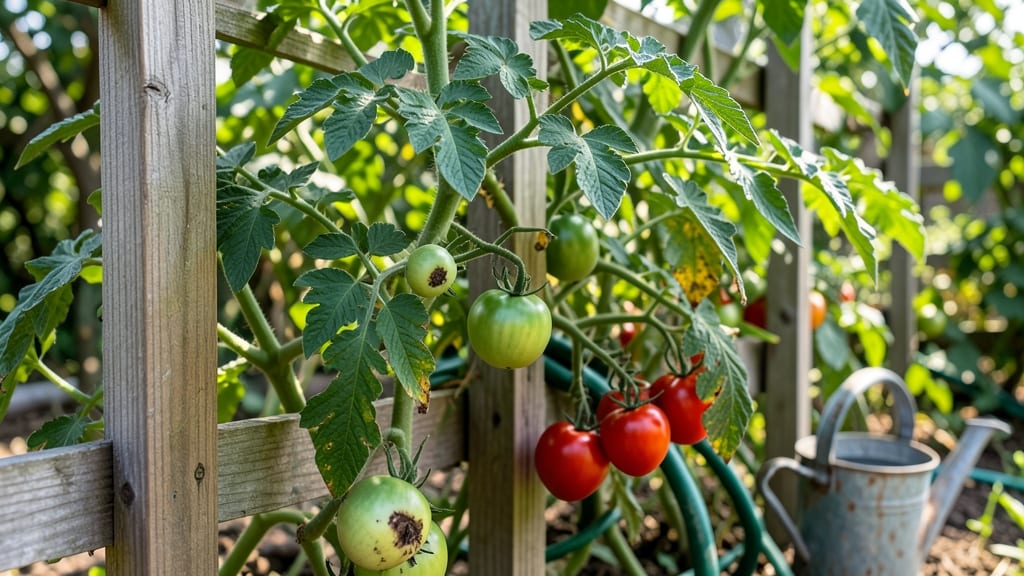
Your tomatoes refuse to ripen—staying stubbornly green even as summer stretches on. 🌱 That cold snap last week might be the culprit, but there’s a simple trick to rescue your harvest before it’s too late.
I’ve seen this happen every year, and the fix is easier than you think—just a few adjustments to temperature, sunlight, and care can turn those green fruits into juicy red tomatoes in no time.
First, check your plants for signs of stress: yellowing leaves, cracked stems, or spots could mean disease or water issues.
If it’s just the cold keeping them green, move containers to a warmer spot or cover plants at night with frost cloth. Harvesting early—when they’re still firm but starting to turn pink—lets you ripen them indoors with a paper bag trick that speeds up the process naturally.
The payoff? Sun-ripened tomatoes that burst with flavor, even if they’re not perfectly red. You’ll taste the difference immediately—no more mealy, pale fruits that taste like nothing. This method works for heirlooms, cherry tomatoes, or beefsteaks, so don’t let a few cold nights ruin your harvest.
Once you’ve saved this year’s crop, you’ll adjust next season’s planting to avoid the problem entirely—just a little earlier start or some row covers, and you’re golden. The key is acting fast when the weather turns, so your garden doesn’t become a science experiment.
📚 In This Guide
- What you need
- Instructions
- Tips and common mistakes
- Wrapping up and next steps
What you need
- ● Green tomatoes: Any quantity (the more, the merrier! 🍅)
- ● Paper bags: Brown paper lunch bags (2–4 bags, depending on tomato volume)
- ○ Newspaper or dry leaves: Enough to line the bottom of each bag (optional but helpful)
- ● Scissors or box cutter: For cutting bag openings (if needed)
- ○ Permanent marker (optional): To label bags with ripening dates
- ● Warm, dry space: A pantry, closet, or indoor shelf (avoid direct sunlight or cold drafts!)
- ● Apple or banana: Place 1–2 in the bag to release ethylene gas (speeds up ripening! 🍎)
- ● Plastic produce bags: Poke small holes for airflow if paper bags aren’t available
- ○ Thermometer (optional): To monitor warmth (ideal: 65–75°F)
- ● Rubber bands or twine: To loosely secure bag openings (prevents spills)
How to save your tomatoes when cold weather keeps them green
Here's the simple trick I've used for years to rescue tomatoes hit by unexpected chilly nights.
☀️ Step 1: Identify the Cold Stress Signs
First, confirm it's cold stress—not disease—keeping your tomatoes green. Look for uniform green color across all fruits, even when they should be ripening. Cold nights below 50°F slow ripening, but temperatures dropping to 40°F or lower can halt it completely. Check the stems too—if they're firm and not mushy, it's just cold, not rot.
Here's the thing—tomatoes ripen fastest when daytime temps are 75-85°F and nights stay above 55°F. If your mornings are foggy with dew still clinging to leaves at 9 AM, that's your warning. Grab a thermometer and record temps for 3 days to confirm the pattern.
🌱 Step 2: Protect Plants Overnight
Cover plants with frost cloth or lightweight row covers as soon as temps drop below 55°F at night. Secure edges with bricks or stakes to prevent wind from tearing the fabric. I use 3-4 layers of cheesecloth in extreme cold snaps—it traps just enough heat while still letting sunlight through during the day.
Remove covers by 10 AM when temps rise above 60°F to prevent overheating. Watch for condensation on the underside of covers—if it's dripping onto leaves, remove them immediately. You'll see leaves perk up within hours of proper protection, signaling the plant is no longer stressed.
💧 Step 3: Boost Ripening with Strategic Watering
Water deeply once per week during cold snaps to maintain soil moisture, but avoid wet leaves at night. Cold water on foliage slows photosynthesis further. Use a soaker hose at the base of plants in the early morning so water has time to absorb before evening chill sets in.
Add a 1-inch layer of straw mulch around plant bases to insulate roots. This keeps soil temps 5-10°F warmer than surface air. You'll notice new growth resuming within 3-5 days of consistent moisture and warmth at the roots.
⏰ Step 4: Accelerate Ripening with Sun Exposure
Move containers to sheltered, south-facing spots where they get full sun for at least 8 hours daily. If growing in-ground, prune lower leaves to allow sunlight to reach developing fruit. I snip away foliage below the first flower cluster—this redirects energy toward ripening existing tomatoes instead of new growth.
For potted plants, rotate them quarter-turn daily so all sides get even light. You'll see green tomatoes start turning pink or yellow within 7-10 days of proper sun exposure. If fruits remain hard after 2 weeks, they're likely too far gone—harvest and ripen indoors instead.
🌿 Step 5: Harvest and Ripen Indoors if Needed
Pick fully green tomatoes when they reach 3/4 of their mature size. Place them in a paper bag with a banana or apple—the ethylene gas speeds ripening. Store in a 70-75°F spot away from direct light. You'll see color changes within 3-5 days if the tomatoes were just cold-stressed, not diseased.
Discard any tomatoes that feel soft or have dark spots—they won't ripen properly. Healthy green tomatoes will develop bright red or yellow color when fully ripe. This method works best for varieties like Roma, Beefsteak, and Cherry that tolerate cold better than heat-sensitive types.
Tips & tricks for perfecting your cold-stressed tomatoes
Here's what nobody tells you about rescuing tomatoes when chilly weather hits—these tricks make all the difference.
Temperature Matters: The 75-85°F daytime range is ideal for ripening, but if you're dealing with cold snaps, focus on protecting plants when nighttime temps drop below 55°F. I've seen tomatoes start ripening again within 3-5 days once consistent warmth returns—just be patient and keep monitoring. A simple indoor-outdoor thermometer ($10 at garden centers) is worth its weight in tomatoes!
Protective Layering: When temps plunge toward 40°F, don't just throw any old blanket over plants. Use frost cloth or cheesecloth—they let sunlight through while trapping heat. I've had success with 3-4 layers in extreme cold, but remove them by 10 AM to prevent overheating. Watch for condensation dripping onto leaves—this is your cue to adjust coverage immediately.
Sunlight Strategy: Those 8 hours of full sun make a huge difference! For potted plants, rotate them quarter-turn daily so all sides get even exposure. If you notice green tomatoes staying stubbornly green after 2 weeks, they're likely too far gone—harvest them and try the indoor ripening method instead. The key is consistency in both sun exposure and warmth.
Indoor Ripening Hack: When harvesting green tomatoes, choose ones that are 3/4 mature size—they'll ripen best indoors. Place them in a paper bag with a banana or apple (the ethylene gas speeds things up!). Store in a 70-75°F spot away from direct light, and you'll see color changes within 3-5 days. This works especially well for Roma, Beefsteak, and Cherry varieties.
Pro Tips for Tomatoes Staying Green
- Here's what nobody tells you about rescuing tomatoes when chilly weather hits—these tricks make all the difference.
- Temperature Matters: The 75-85°F daytime range is ideal for ripening, but if you're dealing with cold snaps, focus on protecting plants when nighttime temps drop below 55°F.
- Protective Layering: When temps plunge toward 40°F, don't just throw any old blanket over plants.
Frequently asked questions
Got questions about keeping tomatoes from turning red in cold weather? You’re not alone! Here are some of the most common concerns—and quick fixes—when it comes to tomatoes staying green after a cold snap.
Why do my tomatoes stay green even after warm weather returns?
Tomatoes need consistent warmth (above 55°F) to ripen. If a cold snap delayed ripening, they may stay green due to ethylene production slowdowns. Once temps stabilize, they’ll finish ripening—just be patient! If they’re fully mature (firm, no soft spots), they’ll turn red eventually.
How long should I wait before harvesting green tomatoes?
If frost is coming, harvest fully green tomatoes (not just slightly green) and ripen them indoors. They’ll ripen in 1–3 weeks if stored at 55–65°F with a banana nearby (ethylene speeds it up!). If they’re half-green, leave them on the vine—they’re not ready yet.
Can I save underripe tomatoes for later use?
Store them in a paper bag with a ripe apple or banana to trap ethylene gas. Check weekly—overripe tomatoes can spoil. For long-term storage, freeze them whole or slice them first (they’ll soften after thawing). Avoid refrigerating until fully ripe!
What if my tomato plants died in the cold snap—can I still use the fruit?
Yes! Even if the plant is dead, green tomatoes are edible and can be cooked (sautéed, fried, or baked) like green tomatoes. They’re tangy and firm—perfect for green tomato recipes. Just remove any rotten spots before using.
Will next year’s tomatoes ripen faster if I protect them from cold?
Yes! Use row covers, cold frames, or mulch to shield plants from late frosts. Choose cold-hardy varieties like ‘Mountain Merit’ or ‘Solar Fire’ for better resilience. Early planting and succession planting can also extend your harvest window—no more green surprises!
Wrapping up and next steps
Don’t let a cold snap ruin your garden’s hard work—with just a little patience and this simple trick, you can coax those green tomatoes to ripen like a pro! 🌱 Whether you’re harvesting early or dealing with unexpected frost, the key is consistency and warmth.
Now that you’ve got the know-how, why not turn those green gems into delicious sauces, salsas, or even sun-dried treats? Your future meals—and taste buds—will thank you!
Next step: Grab those ripe (or ripening!) tomatoes and share your success—or tag us in your kitchen adventures! 📸