
Vegetables
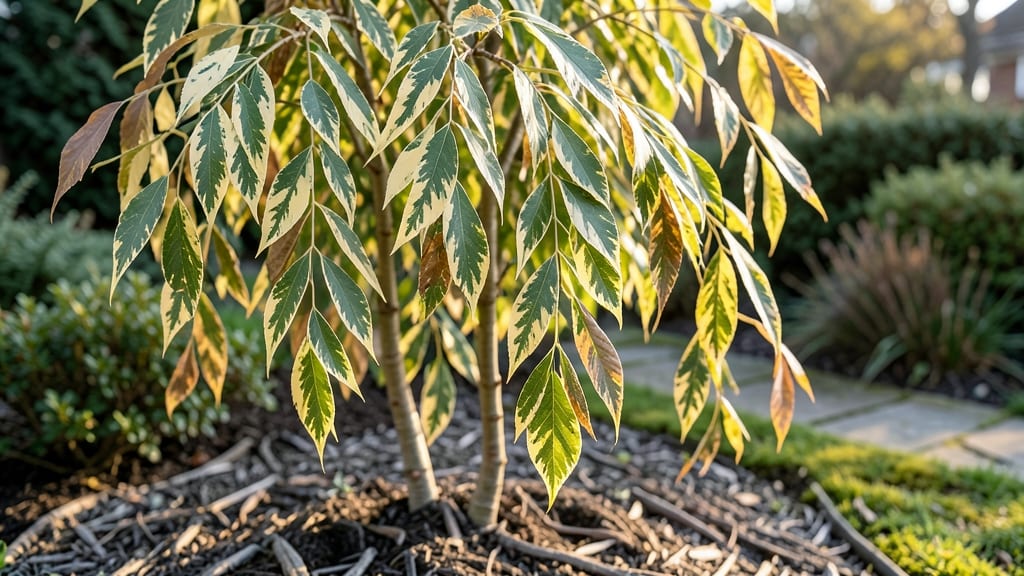
The tri-color dappled willow stays stunning even when everything else goes dormant. 🌿 Its bold striped foliage—creamy white, golden yellow, and deep green—holds color through frost, creating winter drama where most plants fade to brown. This isn’t just a summer showstopper; it’s your garden’s unsung hero when temperatures drop.
What makes it thrive in winter? First, its flexible branches bend under snow without breaking, and its thick bark resists cold damage. Unlike deciduous trees that lose all leaves, this willow keeps its textured foliage for months, offering year-round interest.
Prune lightly in late winter to shape it—just remove dead or crossing branches—and avoid heavy cuts that stress the plant.
For extra protection in harsh climates, wrap young trees in burlap during extreme freezes, but mature specimens usually handle -20°F without issues. The real magic happens in late winter, when new growth emerges with those signature stripes, signaling spring’s arrival long before other plants wake up.
Perfect for small spaces, containers, or as a focal point along fences, this willow needs full sun to partial shade and well-drained soil. Water deeply in dry spells, but otherwise, it’s low-maintenance—ideal for gardeners who want beauty without the fuss. Once established, it’s nearly indestructible.
📚 In This Guide
- What you need
- Instructions
- Tips and common mistakes
- Wrapping up and next steps
What you need
- ● Tri-color dappled willow plant (1-3 plants, depending on desired size; look for cultivars like Salix caprea 'Tricolor' or Salix vitellina 'Aurea' for vibrant yellow, pink, and green foliage).
- ● Well-draining soil mix (50% native soil + 50% compost or peat moss; pH 6.0–7.5).
- ● Organic mulch (2–3 inches of shredded bark, straw, or wood chips to insulate roots in winter).
- ● Garden gloves (1 pair, heavy-duty for digging and pruning).
- ● Pruning shears (sharp, bypass-style shears for clean cuts).
- ● Watering can or hose with a gentle spray nozzle (for deep but controlled watering).
- ● Fertilizer (balanced 10-10-10 or slow-release organic fertilizer like composted manure).
- ○ Stakes or supports (optional but helpful for young willows; 3–4 stakes per plant).
- ● Winter protection (burlap wraps or frost cloth for harsh climates below Zone 5).
- ● Garden twine (for securing stakes to supports).
- ● Epsom salt (1 tbsp/month in water for magnesium-rich foliage).
- ● Decorative rocks or pebbles (for a polished garden bed base).
- ● Slow-release watering system (like drip irrigation for drought-prone areas).
Step-by-Step guide for planting and caring for tri-color dappled willow in winter
This striking willow thrives even in cold months—here's how to plant and nurture it for bold winter interest.
🌱 Step 1: Choose the Right Location for Year-Round Drama
The tri-color dappled willow's striped foliage shines best in full sun to partial shade, with at least 4-6 hours of direct sunlight daily. I always select a spot near a water feature or where it can reflect light onto nearby plants—its golden, pink, and green stems become even more vibrant when backlit. Avoid areas with harsh afternoon winds, which can scorch the delicate new growth, especially in late winter when the plant is still establishing.
Test your site in winter first. The willow’s striking bark and upright habit make it a natural focal point, so position it where you’ll see it year-round. If your winters are extremely cold (below 10°F), choose a sheltered location where snow drifts can provide natural insulation. The roots are surprisingly hardy, but the canes benefit from protection during the harshest freezes.
🪴 Step 2: Plant in Well-Draining, Moist Soil
Dig a hole twice as wide as the root ball but only as deep—planting too deeply suffocates the roots. Amend the native soil with compost or peat moss if your soil drains poorly, as the willow dislikes soggy roots but needs consistent moisture. I like to mix in a handful of slow-release fertilizer at planting to give it a nutrient boost for early spring growth.
Place the willow in the hole and backfill with native soil mixed with amendments, tamping gently to remove air pockets. Water deeply until the soil is evenly moist to 12 inches down. The willow’s natural habitat is along riverbanks, so it thrives in moist but not waterlogged conditions. Mulch the base with 2-3 inches of shredded bark or wood chips, keeping it 6 inches away from the trunk to prevent rot.
☀️ Step 3: Prune for Structure and Winter Resilience
In late winter or early spring, before new growth begins, prune to shape the willow and encourage dense foliage. Remove any dead, damaged, or crossing branches first—these compete with healthy growth and can harbor pests. Then, cut back any overly long canes by one-third to maintain an open, airy habit. The willow naturally grows in a vase-like shape, so I avoid heavy pruning that could disrupt its signature form.
For winter interest, leave some of the older, more colorful canes intact. These provide structure when the new growth is still dormant. If your winters are severe, wrap the canes loosely with burlap or frost cloth to protect them from drying winds. Never prune in fall—this encourages new growth that won’t harden off before winter, making the plant more vulnerable to cold damage.
💧 Step 4: Water Strategically for Cold-Weather Survival
Water deeply once every 10-14 days during the growing season, but reduce this to every 3-4 weeks in winter, unless you’re in an area with little snowfall. The willow’s deep roots store moisture, so it’s surprisingly drought-tolerant once established. However, in its first year, keep the soil consistently moist to encourage strong root development. You’ll know it’s getting enough water when the soil feels damp 6 inches down—probe with your finger to check.
In late winter, just before new growth appears, give the willow a deep soaking to wake up the roots. This jump-starts the plant’s metabolism and ensures vibrant spring foliage. Avoid overhead watering in winter, as wet foliage can freeze and damage the delicate new shoots. Instead, water at the base or use a soaker hose to deliver moisture directly to the roots.
✂️ Step 5: Maintain Year-Round with Minimal Effort
The tri-color dappled willow is one of the most low-maintenance plants for winter interest, but a few simple tasks keep it looking its best. In early spring, remove any mulch that’s piled against the trunk to prevent rot. Then, add a 2-inch layer of fresh mulch around the base, keeping it clear of the trunk. This helps retain soil moisture and suppresses weeds, which compete for nutrients the willow needs for its striking foliage.
Fertilize lightly in early spring with a balanced, slow-release fertilizer to support new growth. Avoid heavy feeding, as this encourages lush foliage at the expense of the willow’s signature striped bark and canes. Instead, focus on keeping the soil fertile and well-draining. With proper care, your tri-color dappled willow will reward you with bold, frost-defying color and texture for years to come—even when most gardens are dormant.
Tips & tricks for perfect tri-color dappled willow planting
These expert insights will help you transform your winter garden with this stunning plant's signature drama.
Lighting Strategy: The willow's vibrant striped canes need that 4-6 hours of daily sunlight to maintain their bold colors. I position mine near a reflective water feature—this backlighting intensifies the golden, pink, and green hues, making them pop even on overcast winter days. If your garden has limited sunlight, choose the sunniest spot available, even if it means sacrificing another plant's position.
Soil Science: When amending your soil with compost or peat moss, I recommend mixing in one part compost to three parts native soil. This ratio provides the right balance of moisture retention and drainage that willows crave. For clay-heavy soils, add a handful of sand to improve aeration—willows hate soggy roots but need consistent moisture. Test your soil's moisture level by probing 6 inches down with your finger after watering.
Winter Protection Hack: In areas where temperatures drop below 10°F, I've found that loosely wrapping canes with burlap creates a microclimate that retains heat while allowing airflow. The key is to leave space between the wrap and canes—this prevents moisture buildup that could lead to rot. For extra insulation, mound soil around the base up to the first set of canes, creating a natural windbreak.
Pruning Precision: When cutting back canes by one-third in Step 3, I always make cuts just above a bud or branch node. This encourages new growth from the exact spot where the willow naturally produces shoots. Use sharp, clean pruners to make angled cuts—this prevents water from pooling at the cut site, which could lead to disease. The willow's vase-like shape is its signature, so avoid over-pruning that could disrupt this elegant form.
Pro Tips for Tri-Color Dappled Willow In Winter
- These expert insights will help you transform your winter garden with this stunning plant's signature drama.
- Lighting Strategy: The willow's vibrant striped canes need that 4-6 hours of daily sunlight to maintain their bold colors.
- Soil Science: When amending your soil with compost or peat moss, I recommend mixing in one part compost to three parts native soil.
Frequently asked questions
Got questions about keeping your tri-color dappled willow stunning through winter?
Here are answers to the most common queries—from care tips to troubleshooting—so you can enjoy its frost-defying beauty all season long.
How cold can a tri-color dappled willow tolerate?
The tri-color dappled willow is hardy to USDA Zones 4-8, meaning it can handle temperatures as low as -20°F (-29°C). While it may shed leaves in extreme cold, the striped bark and branches add winter interest. Mulch the base with 3-4 inches of organic matter (like shredded bark or straw) to protect roots.
Why are my willow’s leaves turning brown in winter?
Brown leaves in winter are normal—deciduous willows naturally drop foliage to conserve energy. However, if browning happens before winter or affects new growth in spring, it could signal fungal issues (like willow blight) or overwatering. Prune dead branches in late winter and avoid wet soil to prevent rot.
Can I plant a tri-color dappled willow in winter?
Yes! Planting in late fall or early winter (before freezing) gives roots time to establish before spring. Choose a partially sunny spot with moist, well-draining soil. Water deeply after planting, then mulch to retain moisture. Pro tip: Use a root stimulator to boost growth in cold climates.
What’s a good alternative if my willow struggles in winter?
If your climate is Zone 3 or colder, consider these cold-hardy alternatives with winter interest:
- Pussy willow (Salix discolor) – Tolerates Zone 3, soft yellow catkins in spring.
- Red twig dogwood (Cornus sericea) – Zones 2-7, fiery red stems in winter.
- Variegated ninebark (Physocarpus opulifolius) – Zones 3-8, creamy-white foliage.
How do I revive a wilting tri-color dappled willow in winter?
If your willow looks unusually wilted or leafless mid-winter:
Most willows bounce back in spring with proper care!
Wrapping up and next steps
The tri-color dappled willow proves that winter doesn’t have to be a dull season in your garden. With its striking striped foliage and resilience against frost, this plant adds year-round drama and texture to any landscape.
Whether you’re a seasoned gardener or just starting, its low-maintenance charm makes it a perfect choice for effortless beauty.
Ready to transform your winter garden? Start by selecting the right variety, preparing the soil, and giving your dappled willow the care it deserves. Plant one today and enjoy the show! 🌿✨