
Vegetables
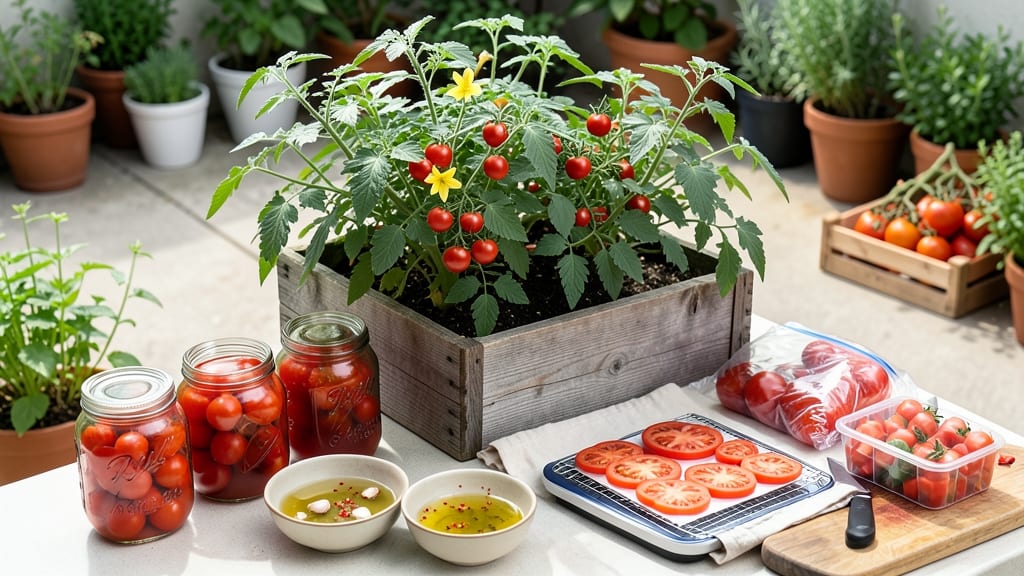
Your cherry tomatoes won’t last through summer without the right ways to preserve them—I’ve learned the hard way with overripe tomatoes on the vine and wasted harvests from poor storage.
The good news? With the right methods, you can savor your homegrown cherry tomatoes all year, whether you’re canning, freezing, or simply storing them in the fridge.
Cold storage is your first line of defense—keeping tomatoes at 50-55°F slows ripening and preserves texture. But that’s just the start. Canning locks in flavor for months, while freezing works for cooking but can soften texture.
Drying concentrates sweetness, and fermenting adds tangy complexity. Each method has trade-offs, so I’ll walk you through the best fit for your harvest.
You’ll end up with tomatoes that taste like summer, even in January. The key is timing—pick at peak ripeness, handle gently, and avoid common pitfalls like overcrowding or improper sealing. Whether you’re preserving a handful or a bushel, these methods keep your garden’s bounty fresh and delicious.
No fancy equipment needed—just a little prep and patience. Let’s turn your cherry tomato harvest into year-round flavor without the guesswork.
📚 In This Guide
- What you need
- Instructions
- Tips and common mistakes
- Wrapping up and next steps
What you need
- ● Cherry tomatoes: Fresh, firm, and unblemished (choose organic if preferred). Aim for 1–2 pints (1–2 lbs) for small batches or up to 5 lbs for larger projects.
- ● Storage containers: Glass jars (for canning/pickling): Pint or quart-sized (mason jars work best—2–4 jars depending on quantity). Ensure they’re sterilized (boil in water for 10 mins or run through a dishwasher cycle).
- ● Plastic or glass airtight containers (for fridge/freezer): 1–2 containers (e.g., 16 oz Tupperware or silicone bags for freezing).
- ● Water or brine solution (for pickling/canning): 1 cup vinegar (white or apple cider) + 1 tsp salt + 1 cup water per pint jar.
- ● Salt (for curing or seasoning): 1–2 tsp (kosher or sea salt).
- ○ Optional herbs/spices (for flavor): 1–2 tbsp (e.g., basil, oregano, garlic, or red pepper flakes).
- ○ Blender or food processor (for sauces/purees): Optional but handy for making tomato sauces or salsas.
- ● Paper towels or clean kitchen cloth: For drying tomatoes before storage.
- ● Vacuum sealer: Extends shelf life for freezer storage (great for long-term preservation!).
- ● Citric acid or lemon juice: ½ tsp per pint to prevent discoloration in canned tomatoes.
- ● Labeling supplies: Masking tape + marker to label jars with dates.
- ● Colander: For rinsing tomatoes before storage.
- ● Cutting board + sharp knife: For prepping tomatoes (if slicing or dicing).
Step-by-step guide to cold-storing cherry tomatoes for maximum freshness
Here’s how I keep my cherry tomatoes crisp and flavorful for weeks—no fancy equipment needed.
Select and Prep Tomatoes for Storage
Pick tomatoes that are fully ripe but still firm to the touch—avoid any with soft spots or bruises. Rinse them gently under cool water and pat completely dry with a clean towel. The drier they are, the longer they’ll last. I always check for cracks or nicks, since those spots invite rot faster than anything else.
Leave the stems intact if possible—they act as a natural barrier against moisture loss. If stems are already gone, don’t worry, but handle them more gently to avoid crushing. Sort them into a single layer in a shallow container (like a cake pan or wide bowl) to prevent stacking, which traps heat and speeds spoilage.
Choose the Right Cold Storage Method
For short-term storage (up to 2 weeks), place the dry tomatoes in a ventilated container lined with a paper towel. Keep them in the crisper drawer of your refrigerator at 38-40°F. The paper towel absorbs excess moisture that would otherwise make them mushy. I like to leave the container uncovered—condensation is the enemy of crispness.
For longer storage (up to 4 weeks), try the paper towel wrap method. Wrap each tomato individually in a dry paper towel, then nestle them into a sealed plastic bag with a few air holes punched in. Store in the coldest part of the fridge—usually the back of the bottom shelf. This slows ethylene gas buildup, which causes overripening.
Monitor and Rotate Weekly
Check your tomatoes every 3-4 days for signs of spoilage—shriveling, mold, or an off smell mean it’s time to use them up. Remove any bad ones immediately to prevent contamination. I rotate the container so all tomatoes get even air circulation. Uneven exposure leads to some ripening faster than others.
If you notice condensation inside the container, unwrap them and let them air-dry for 10-15 minutes before resealing. Moisture is the fastest way to turn crisp tomatoes into a sad, mealy mess. For extra insurance, sprinkle a tiny bit of food-grade diatomaceous earth (just a pinch) into the container—it absorbs moisture without altering flavor.
Use or Freeze Before They Spoil
Cherry tomatoes stored this way will start to soften after 2-3 weeks. If they’re still firm but lose some vibrancy, they’re perfect for salads or snacking. For longer preservation, transfer ripe tomatoes to a freezer-safe bag, remove as much air as possible, and freeze flat. They’ll keep for 6-8 months—ideal for winter sauces or soups.
Thaw frozen tomatoes in the fridge overnight before using. They’ll be slightly softer but still packed with flavor. I like to chop them directly from frozen into marinara sauce—no thawing needed if you’re cooking immediately. The key is acting fast once they’re out of cold storage, so plan to use them within 24 hours of removing from the fridge.
Tips & tricks for perfectly preserved cherry tomatoes
These simple strategies will help you extend your cherry tomatoes' freshness without sacrificing flavor or texture.
Selection is Everything: When picking tomatoes for storage, focus on those that are uniformly firm and free of blemishes. The slight give you feel when gently squeezing should spring back immediately. I've learned the hard way that even small cracks or soft spots will spread rot to nearby tomatoes—so inspect carefully before storing. This initial selection makes all the difference in how long they'll stay crisp.
Container Choice Matters: Avoid using airtight containers for short-term storage—they trap moisture and create condensation, which turns your tomatoes mushy within days. Instead, opt for shallow, well-ventilated containers like cake pans or wide bowls. The key is maximizing airflow while keeping them protected from fridge humidity. For the paper towel wrap method, make sure your plastic bag has those air holes—this prevents ethylene gas buildup that causes premature softening.
Temperature Consistency: The ideal fridge temperature of 38-40°F is crucial for maintaining texture. If your fridge runs warmer (common in many homes), consider placing a thermometer inside the crisper drawer to monitor conditions. I've noticed that even small temperature fluctuations can accelerate spoilage, so consistency is key. The coldest part of your fridge—usually the back of the bottom shelf—is where you'll get the most stable conditions for that 4-week storage period.
Moisture Management: Condensation is the silent killer of crisp tomatoes. If you notice any moisture inside your storage container, unwrap the tomatoes and let them air-dry for those 10-15 minutes before resealing. This quick step prevents the rapid softening that turns perfect tomatoes into a mushy mess. For extra protection, that tiny pinch of food-grade diatomaceous earth works wonders—it absorbs moisture without altering flavor, giving you an extra insurance policy against spoilage.
Pro Tips for Ways To Preserve Cherry Tomatoes
- These simple strategies will help you extend your cherry tomatoes' freshness without sacrificing flavor or texture.
- Selection is Everything: When picking tomatoes for storage, focus on those that are uniformly firm and free of blemishes.
- Container Choice Matters: Avoid using airtight containers for short-term storage—they trap moisture and create condensation, which turns your tomatoes mushy within days.
Frequently asked questions
Got questions about keeping your cherry tomatoes fresh and tasty? You’re not alone! Here are some of the most common queries—and their simple, practical solutions.
How long can I store cherry tomatoes in the fridge?
Cherry tomatoes stay fresh in the fridge for about 1–2 weeks when stored properly in a paper towel-lined container or a breathable produce bag. Avoid washing them first—moisture speeds up spoilage. For longer storage, try freezing or canning instead!
Can I freeze cherry tomatoes whole?
Yes, but with a trick! Whole cherry tomatoes can freeze, but they’ll turn mushy when thawed. For best results, blanch them for 30 seconds first, then freeze in a single layer on a tray before transferring to a bag. Use them in cooked dishes like sauces or soups.
What’s the best way to can cherry tomatoes without a pressure canner?
If you don’t have a pressure canner, water bath canning is your best bet for cherry tomatoes. Pack them into sterilized jars, leaving ½-inch headspace, and process in boiling water for 40–45 minutes (adjust for altitude). Note: Acidify with lemon juice (2 tbsp per quart) to prevent spoilage.
Why do my cherry tomatoes turn soft or mealy in the fridge?
This happens when tomatoes lose moisture too quickly or get crushed. Store them in a single layer in a container with high humidity (like a salad spinner with a towel). Avoid stacking or sealing them in airtight containers—they need airflow!
What’s a good alternative if I don’t have cherry tomatoes?
Need a substitute? Try grape tomatoes, sun-dried tomatoes, or even diced regular tomatoes (though texture and flavor will differ). For freshness, heirloom or vine-ripened tomatoes work well in salads or sauces. If preserving, roma tomatoes hold up better for canning or freezing.
Wrapping up and next steps
Preserving cherry tomatoes doesn’t have to be complicated—with the right techniques, you can enjoy their vibrant flavor and nutrients long after harvest season! Whether you’re fermenting, freezing, or refrigerating, these methods ensure minimal waste and maximum freshness.
Start small with one or two techniques, experiment to find what works best for your kitchen, and soon you’ll be stocking up on homegrown (or store-bought) tomatoes like a pro.
Ready to take the next step? Grab a jar, a freezer bag, or a cool spot in your fridge—your future meals (and taste buds) will thank you! 🌱✨