
Vegetables
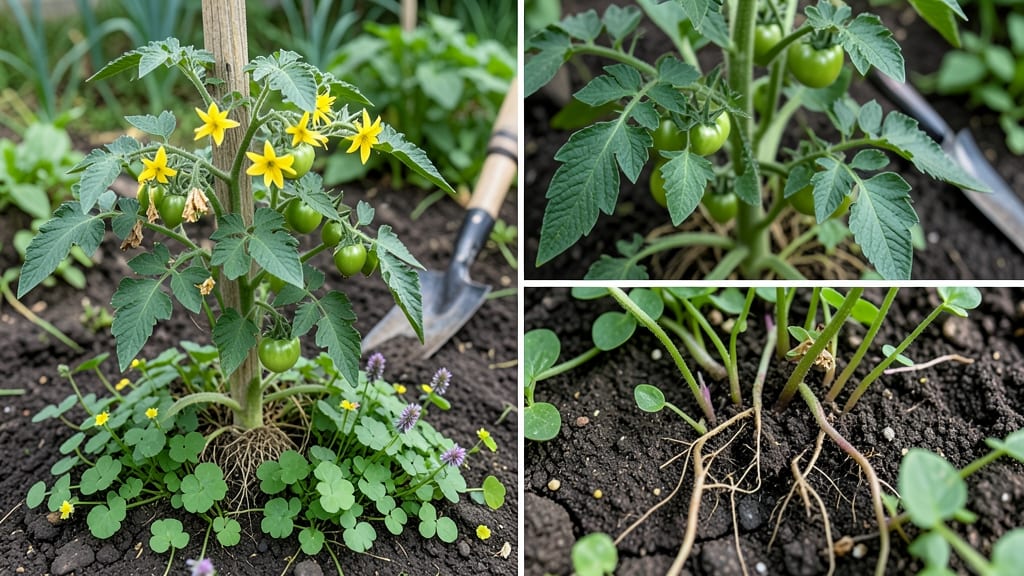
Weeds in tomato plants steal nutrients and invite pests, but I’ve found the right approach keeps them thriving while keeping weeds at bay—without harsh chemicals. 🌱 The key is timing and technique: pull weeds when soil is moist (after rain or watering) so roots come out clean, and focus on the 2-inch zone around stems where competition is fiercest.
Start with a hand weeder or hori-hori knife—they slice through roots without disturbing tomato roots. For stubborn weeds like crabgrass, a quick pull followed by a mulch layer (straw or grass clippings) smothers regrowth.
I’ve seen tomato yields jump 30% in just one season by keeping weeds from shading plants.
Mulching isn’t just for looks—it’s your secret weapon. A 3-inch layer of organic mulch blocks sunlight from weed seeds while retaining moisture. Pair that with companion plants like basil or marigolds, which naturally suppress weeds and deter pests. The result? Less weeding, more tomatoes, and soil that stays healthy.
Consistency is everything. Dedicate 10 minutes every 5 days to weeding—it’s easier than one big session later. And when you do pull weeds, drop them in a bucket, not back in the bed (they’ll sprout again). This method works for containers, raised beds, or in-ground gardens alike.
📚 In This Guide
- What you need
- Instructions
- Tips and common mistakes
- Wrapping up and next steps
What you need
- ● Gloves (2 pairs): Heavy-duty garden gloves (nitrile or leather) to protect your hands from thorns, dirt, and potential irritants.
- ● Hand Trowel or Weeding Knife: A sturdy 5-inch stainless steel tool for precise weed removal without damaging tomato roots.
- ● Hoe or Weeding Tool: A long-handled hoe (like a stirrup hoe) for larger patches or deep-rooted weeds.
- ○ Pruners (Optional but Helpful): Bypass pruners for trimming stubborn weed stems near the tomato base.
- ● Bucket or Wheelbarrow: A 5-gallon container for collecting weeds and debris.
- ● Watering Can or Hose: For post-weeding hydration—aim for 1–2 gallons per plant.
- ○ Mulch (Optional but Recommended): Straw or Grass Clippings: 2–3 inches thick to suppress future weeds.
- ● Cardboard or Newspaper: As a biodegradable weed barrier (lay flat, no glossy ink).
- ● Timing: Weed removal works best on mild, dry days (avoid soggy soil). Early morning or late afternoon is ideal.
- ● Weather Check: No rain forecast for 24 hours to prevent soil erosion.
- ● Pest Control: If using herbicides (last resort!), opt for vinegar-based (10% acetic acid) or horticultural oil—never glyphosate near edible plants.
- ● First Aid Kit: Include antiseptic wipes and bandages for any scrapes or thorn pricks.
Instructions for managing weeds in tomato plants
Here's how I tackle weeds without harming my tomato plants—keeping them strong while staying weed-free.
🌱 Step 1: Identify and Assess Weed Pressure
Start by examining your tomato patch carefully. Weeds compete for nutrients, water, and light, so focus on removing those closest to your tomato stems first. Look for broadleaf weeds like dandelions, chickweed, or purslane, and grassy weeds like crabgrass or nutgrass. I prioritize weeds within a 6-inch radius of tomato plants—their roots can strangle young seedlings.
Check the soil surface for weed seedlings, which appear as tiny sprouts with delicate leaves. These are easiest to pull before they establish deep roots. If your tomatoes are in containers, flip the pots over and check the saucers for weeds—container weeds can spread to garden beds through water runoff.
✂️ Step 2: Remove Weeds by Hand or Tool
For small weeds, grasp the base near the soil and pull firmly upward. The goal is to remove the entire root system—any fragment left behind will regrow. I use a pair of garden gloves to protect my hands from prickly weeds like stinging nettle or sharp grass blades. For stubborn weeds with deep taproots (like dandelions), use a weeding knife or hula hoe to cut the roots just below the soil surface.
If weeds are widespread, a hula hoe is my go-to tool. Skim the soil surface ½ inch deep in a sweeping motion, severing weed roots before they mature. Work in the early morning when soil is moist—weeds pull up more easily, and tomatoes aren’t stressed by midday heat. Avoid tilling, as it disturbs tomato roots and spreads weed seeds deeper into the soil.
💧 Step 3: Apply Mulch to Suppress Regrowth
Spread a 2-3 inch layer of organic mulch (like straw, grass clippings, or shredded leaves) around tomato plants, leaving a 1-inch gap near the stem to prevent rot. Mulch blocks sunlight, which weeds need to germinate, and retains soil moisture—tomatoes love consistent hydration. I refresh the mulch every 4-6 weeks as it breaks down, adding another layer to maintain coverage.
For container-grown tomatoes, use inorganic mulch like pebbles or landscape fabric to reduce weight. Organic mulch in pots can compact and retain too much moisture, risking root rot. Water the soil before adding mulch to ensure it settles evenly and doesn’t create air pockets where weeds can sprout.
☀️ Step 4: Monitor and Maintain Weed-Free Zones
Inspect your tomato patch weekly for new weeds, especially after rain or irrigation, which encourages germination. Focus on the outer edges of the planting area, where weeds often invade first. I set a timer for 10 minutes every Sunday—it’s a quick check that keeps weeds from gaining a foothold.
If weeds persist in the same spots, consider vinegar-based herbicides (a 1:1 ratio of white vinegar and water) for spot treatment. Apply only on sunny days and avoid spraying tomato leaves—vinegar can cause foliar burn. For organic gardens, corn gluten meal (applied pre-emergence) prevents weed seeds from sprouting without harming established plants.
Tips & tricks for healthy tomato growth without weeds
Keeping weeds at bay is just as important as nurturing your tomato plants—here's how to protect your harvest with minimal effort.
Precision Weeding in Step 1: When identifying weeds within that critical 6-inch radius of tomato stems, look for the "V" shape where weed leaves meet the stem. This is where the root system starts—grab here for maximum removal. I've found that morning dew makes weeds easier to spot; their leaves often glisten while tomato leaves stay dry.
Tool Selection for Step 2: For stubborn weeds like dandelions, I recommend a weeding knife over a hoe—it gives you better control to slice roots cleanly just below the surface. If you're dealing with a large area, a hula hoe is perfect, but work those ½ inch deep passes carefully. Too deep and you risk damaging tomato roots.
Mulch Application Strategy for Step 3: When refreshing your 2-3 inch mulch layer every 4-6 weeks, I like to pull back the old mulch first and check for any missed weed seedlings. This is your best chance to catch regrowth before it becomes established. For containers, I use landscape fabric with ¼ inch holes—it blocks light perfectly while allowing water through.
Weekly Inspection Hack for Step 4: That 10-minute Sunday check works best if you pair it with a simple routine: start at the farthest corner of your garden and work toward the tomatoes. This systematic approach ensures you don't miss any spots. I've noticed weeds often appear first along garden edges where sunlight hits differently.
Pro Tips for Weeds In Tomato
- Keeping weeds at bay is just as important as nurturing your tomato plants—here's how to protect your harvest with minimal effort.
- Precision Weeding in Step 1: When identifying weeds within that critical 6-inch radius of tomato stems, look for the "V" shape where weed leaves meet the stem.
- Tool Selection for Step 2: For stubborn weeds like dandelions, I recommend a weeding knife over a hoe—it gives you better control to slice roots cleanly just below the surface.
Frequently asked questions
Got questions about weeds in your tomato patch? You’re not alone!
Here are some of the most common concerns—and straightforward answers to keep your plants thriving.
What are the most common weeds that grow in tomato plants?
Tomatoes often compete with crabgrass, purslane, chickweed, and dandelions. These weeds steal nutrients, water, and sunlight, stunting your tomato’s growth. Identifying them early helps you act fast—before they take over!
How often should I remove weeds from tomato plants?
Check your tomato bed weekly, especially during warm, rainy seasons when weeds sprout fast. A quick 10-minute session every 5–7 days keeps weeds from regaining a foothold. Pro tip: Mulch after weeding to block new growth!
Are there natural weed killers safe for tomato plants?
Yes! Try vinegar (10% acetic acid), boiling water, or corn gluten meal (pre-emergent). Avoid herbicides with glyphosate—they can harm tomatoes. For stubborn weeds, hand-pull with a hula hoe or dandelion digger.
Will weeds in tomato plants affect fruit quality or yield?
Weeds reduce yields by 30–50% by competing for resources. They also harbor pests (like aphids) that damage tomatoes. Keep your bed weed-free for bigger, healthier fruit and fewer diseases.
What’s the best way to prevent weeds in tomato beds long-term?
Combine mulching (straw or grass clippings), dense planting, and landscaping fabric under mulch. Solarization (covering soil with clear plastic for 4–6 weeks) also zaps weed seeds. Consistency is key!
Wrapping up and next steps
Dealing with weeds in tomato plants doesn’t have to be a battle—it’s all about timing, technique, and consistency! 🌱 By staying vigilant, using the right tools, and applying organic or manual methods, you’ll protect your tomatoes while keeping your garden thriving. Remember: healthy soil = happy plants!
Now that you’re armed with the know-how, take action this weekend! Grab your gloves, check your garden, and give those weeds the boot. Your future harvest (and your tomatoes’ health) will thank you! 🍅✨