
Vegetables
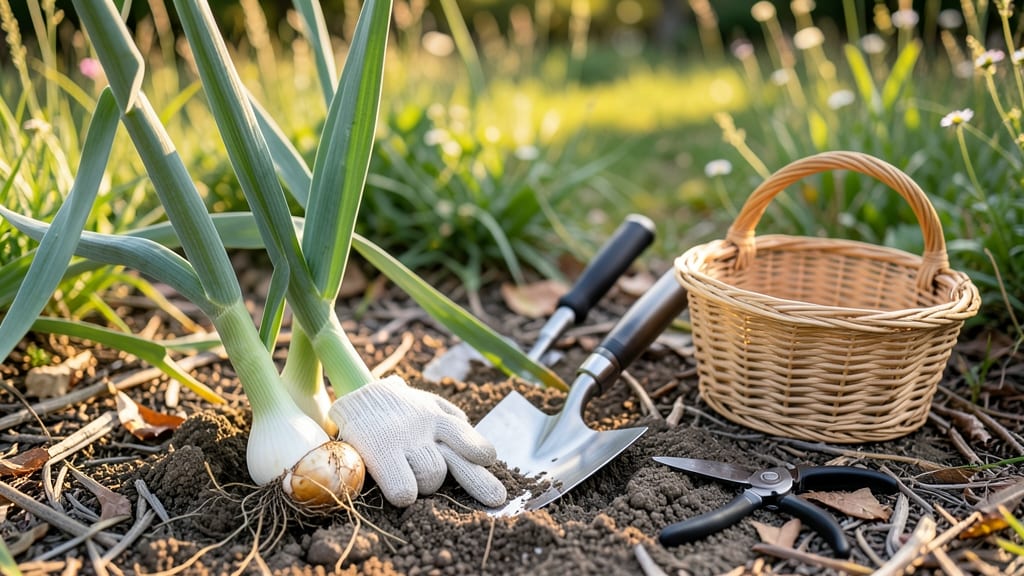
When are Vidalia onions in season? The answer is simple: from April through July, when their mild, caramel-like flavor shines brightest. 🌱 I still remember the first time I bit into one fresh from the Georgia fields—it was like summer in every bite. These onions thrive in the warm Southeast climate, making them a regional treasure, but you’ll also find them at farmers' markets and specialty stores nationwide during these months.
The secret to their sweetness lies in the timing: harvest them when the tops start to yellow but before they bolt. For homegrown onions, planting in late winter ensures you’ll have fresh bulbs ready by spring.
If you miss the season, don’t worry—frozen or jarred Vidalia onions preserve that signature taste, though nothing beats the fresh harvest.
Stock up during peak season by grilling, pickling, or storing them in a cool, dark place. A mesh bag keeps them fresh for weeks, while freezing or dehydrating extends their shelf life. The flavor fades over time, so enjoy them fresh when you can—it’s worth the wait.
For next year’s harvest, start seeds indoors in late winter or buy sets from a trusted supplier. The key is patience: Vidalia onions need 100-120 days to mature, so plan ahead. Whether you’re growing or sourcing, timing is everything for that perfect sweet onion moment.
📚 In This Guide
- What you need
- Instructions
- Tips and common mistakes
- Wrapping up and next steps
What you need
- ● Vidalia onion sets or seeds: 50–100 sets (or 1 oz of seeds) per 100 sq ft. Choose certified disease-free varieties like ‘Vidalia Sweet’ or ‘Granex’.
- ● Well-draining soil: Loamy soil with a pH of 6.0–7.0. Mix in 2–3 inches of compost per planting area.
- ● Fertilizer: Balanced 10-10-10 or 5-10-10 fertilizer (apply at planting and mid-season).
- ● Organic mulch: Straw or grass clippings (2–3 inches) to retain moisture and suppress weeds.
- ● Watering supplies: Drip irrigation or soaker hose for 1–1.5 inches of water per week (adjust for rain).
- ○ Pest control (optional):
- ● Neem oil spray for aphids or onion flies.
- ● Row covers to protect from pests early in the season.
- ● Fresh Vidalia onions: Look for firm, golden-yellow bulbs with dry skins. Avoid soft spots or sprouting!
- ● Storage: Cool, dry place (50–60°F) for up to 2 weeks.
- ● Refrigerator (crisp drawer) for longer freshness (up to 4 weeks).
- ○ Cutting tools (optional): Sharp chef’s knife or mandoline slicer for even slices.
- ● Cutting board (preferably wood or plastic to avoid dulling knives).
- ● Fresh Vidalia onions: 1–2 medium onions per recipe (adjust to taste!).
- ● Cooking fat: Butter, olive oil, or bacon fat (1–2 tbsp for caramelizing).
- ○ Seasonings (optional but recommended): Salt (½ tsp per onion, to taste).
- ● Black pepper, garlic powder, or a pinch of smoked paprika for depth.
- ● Serving dishes: Cast-iron skillet, baking dish, or grill for grilling or roasting.
How to identify and select peak-season Vidalia onions
Here's how I spot the sweetest, juiciest Vidalia onions when they hit their prime in spring and summer.
🌱 Step 1: Know the Exact Seasonal Window
Vidalia onions shine brightest from mid-April through July, with the absolute sweetest harvest typically landing in May and early June. This is when Georgia's warm days and cool nights create their signature mild, almost caramel-like flavor. I always mark my calendar for these months because that's when grocery stores and farmers' markets restock their best batches.
If you're shopping outside this window, you might find regular yellow onions instead—those lack the same delicate sweetness. The key is timing: Vidalia onions are a short-season crop, meaning their flavor peaks for just a few months before they turn sharper and more pungent. I've learned the hard way that August onions just aren't the same!
☀️ Step 2: Check for Perfect Size and Firmness
The ideal Vidalia onion is 4-6 inches in diameter—big enough to be useful but not so large that the outer layers become tough. Hold one in your hand: it should feel heavy for its size, which means it's packed with moisture and flavor. Light onions are often dry or underripe.
Give the onion a gentle squeeze—it should yield slightly but not feel mushy. If it's rock-hard, it's overmature. If it feels soft or squishy, it's past its prime. The skin should be smooth and papery, not wrinkled or overly dry. I always run my fingers over the surface to check for any blemishes or soft spots, which can indicate spoilage.
🌿 Step 3: Look for Fresh-Cut Indicators
Many stores sell Vidalia onions that have been pre-cut and vacuum-sealed—this is actually a good thing! Pre-cut onions have a shorter shelf life, so seeing them in stock means they were recently harvested. Look for bright white or pale yellow flesh with no dark spots or slimy areas.
The ends should be freshly trimmed (not dried out or brown). If you're buying whole onions, check the stem end—it should be firm and slightly green, not shriveled or blackened. I avoid onions with sprouting stems because that means they've been sitting too long, and the flavor suffers.
💧 Step 4: Test for Sweetness Before Buying
This is my foolproof trick: squeeze the onion and smell the juice. Vidalia onions release a mild, almost floral scent when pressed. If it smells sharp or pungent, it's not a true Vidalia. The juice should also be clear and watery—not cloudy or bitter-tasting.
For an extra test, cut a small slice from the onion (if buying whole) and taste it raw. The sweetest Vidalia onions have a gentle, almost honey-like flavor with no bite. If it tastes sharp or metallic, it's not at peak season. I've found that the sweetest onions often come from smaller farms or roadside stands rather than big-box stores, where they sometimes carry older stock.
⏰ Step 5: Store Them Properly for Maximum Freshness
Once you bring Vidalia onions home, store them in the refrigerator—not the pantry. Their sweetness fades quickly at room temperature. Whole onions last 1-2 weeks in the crisper drawer, while pre-cut onions should be used within 3-5 days. I like to wrap them loosely in a paper towel to absorb any excess moisture.
If you won't use them right away, freeze them for up to 6 months. Slice them first, spread on a tray to freeze solid, then transfer to a bag. Frozen Vidalia onions work great in soups, stews, or caramelized dishes where their sweetness really shines. Just remember: fresh is always best, so plan to use them within their prime window!
Tips & tricks for perfect Vidalia onion selection
Timing and technique make all the difference when hunting for the sweetest Vidalia onions.
Seasonal Timing: The mid-April through July window is non-negotiable for peak flavor. I've found that May and early June deliver the absolute sweetest onions because Georgia's unique climate creates their signature mild, almost caramel-like taste. Mark your calendar—these onions are a short-season crop, and their flavor declines sharply after July. If you're shopping in August, you're likely getting regular yellow onions instead.
Size and Weight Check: In Step 2, when checking size, remember that the ideal onion should be 4-6 inches in diameter and feel heavy for its size. This weight indicates moisture and flavor. I learned this the hard way—once I bought a batch of light onions that were dry and bland. Also, avoid onions with any soft spots or wrinkled skin, as these indicate spoilage or overmaturity.
Fresh-Cut Indicators: When evaluating pre-cut onions in Step 3, look for bright white or pale yellow flesh with no dark spots or slimy areas. The ends should be freshly trimmed, not dried out or brown. This is your best indicator that the onions were recently harvested. I always check the stem end for a firm, slightly green appearance—shriveled or blackened stems mean the onions have been sitting too long.
Storage Wisdom: In Step 5, storing Vidalia onions in the refrigerator is crucial—their sweetness fades quickly at room temperature. For whole onions, 1-2 weeks in the crisper drawer works well, but pre-cut onions should be used within 3-5 days. Wrap them loosely in a paper towel to absorb excess moisture, which helps preserve their flavor. For longer storage, freezing sliced onions for up to 6 months is a great option, especially for soups or caramelized dishes.
Pro Tips for When Are Vidalia Onions In Season
- Timing and technique make all the difference when hunting for the sweetest Vidalia onions.
- Seasonal Timing: The mid-April through July window is non-negotiable for peak flavor.
- Size and Weight Check: In Step 2, when checking size, remember that the ideal onion should be 4-6 inches in diameter and feel heavy for its size.
Frequently asked questions
about Vidalia onions—because timing, storage, and swaps can make or break your dish!When is the absolute peak season for Vidalia onions?
The sweetest, juiciest Vidalias hit markets from mid-April through July, with the sweetest flavor in May and June. Outside this window, they’re still edible but less tender and flavorful. Pro tip: Look for onions with papery skins and a bright green top—that’s your telltale sign!
Where can I find Vidalia onions outside their season?
You’ll spot them year-round in grocery stores (often shipped from California or Mexico), but they’ll lack the signature sweetness and crisp texture. For the real deal, visit farmers' markets in Georgia (their home state!) during peak season or order from specialty growers online. Note: Frozen or canned Vidalias are a budget-friendly alternative but lose texture.
How do I store Vidalia onions to last longer?
Keep them unwashed, dry, and in a cool (50–55°F), dark place—like a pantry or mesh bag. Never refrigerate (it makes them soggy and bitter!). For longer storage (up to 6 months), braid them and hang in a dry spot. Bonus: Cut onions? Store in an airtight container with a paper towel to absorb moisture.
What’s the best way to cook with Vidalia onions when they’re in season?
Grill, caramelize, or eat them raw in salads and sandwiches—their sweetness shines! For grilling, peel and slice them thick (they burn easily), then brush with olive oil and grill cut-side down. Pro move: Toss grilled slices into tacos, burgers, or even Bloody Marys for a bright, sweet kick.
What can I use if I can’t find Vidalia onions?
Try these sweet onion substitutes:
- Yellow or white onions: Softer flavor, but great for cooking (add a pinch of sugar to mimic sweetness).
- Shallots or scallions: Milder and slightly sweet, but more delicate.
- Pearl or sweet onions: Closest in flavor (though less juicy).
- Leeks (white parts only): For a mild, oniony base in soups or sauces.
Wrapping up and next steps
Now that you know Vidalia onions shine brightest from April through July, it’s time to savor their sweet, tender goodness!
Whether you’re grilling, roasting, or whipping up a fresh salad, these onions are a summer kitchen staple. 🌱 Head to your local farmers' market or grocery store during peak season to stock up—your taste buds (and recipes!) will thank you.
Pro tip: If you miss the window, frozen or canned Vidalia onions can still bring that signature sweetness to your meals. Happy cooking! 😊