
Vegetables
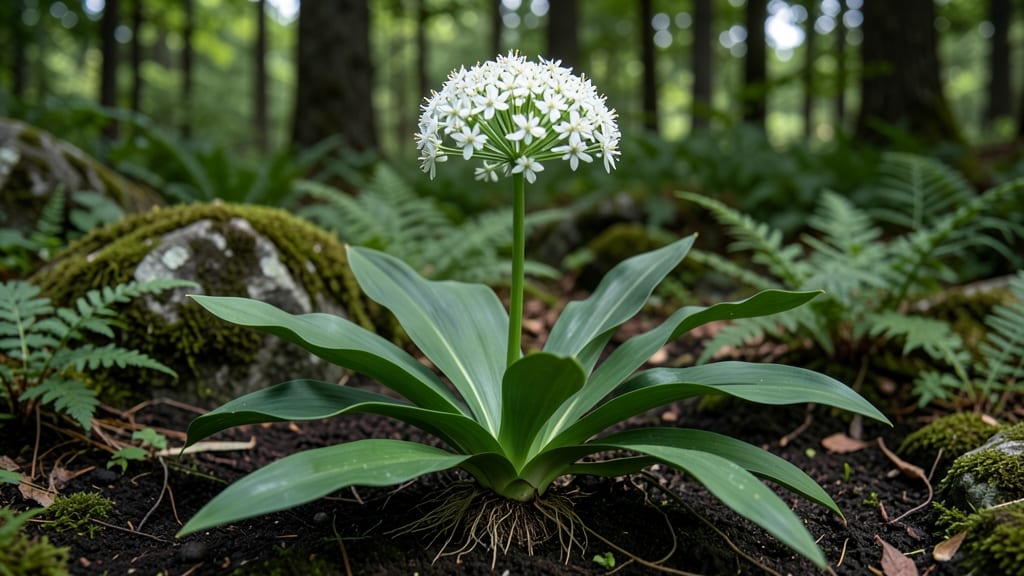
Wild garlic weed isn't just a nuisance—it's a garden takeover waiting to happen. 🌱 I’ve spent years battling its relentless spread, and I’ve found that the key to control isn’t just pulling it out but understanding its life cycle and how to starve it before it crowds out your prized plants.
The problem with wild garlic is its persistence: it spreads through underground rhizomes, and even small patches can explode into dense colonies if left unchecked. Chemical herbicides work but often harm surrounding plants, while natural methods like smothering with cardboard or mulch take patience.
The best approach combines early removal, soil disruption, and preventing regrowth—all without sacrificing your garden’s health.
By the end of this guide, you’ll know exactly how to identify wild garlic (those telltale white flowers and garlic scent), the most effective removal techniques, and how to keep it from staging a comeback. Your garden’s future depends on acting now—before the weeds win.
Whether you’re dealing with a small infestation or a full-blown invasion, these strategies will help you reclaim your space without resorting to harsh chemicals. Let’s get started on a weed-free garden.
📚 In This Guide
- What you need
- Instructions
- Tips and common mistakes
- Wrapping up and next steps
What you need
- ● Wild garlic identification guide (app or printed guide—critical for safe foraging!)
- ● Kitchen shears or a sharp knife (for harvesting leaves and stems)
- ○ Gloves (optional)—if you’re sensitive to sap or handling rough foliage
- ● Small mesh bag or basket (to collect 1–2 cups of leaves/stems per person)
- ● Cutting board (wood or plastic, ~12" x 18")
- ● Chef’s knife or pairing knife (for chopping)
- ● Mixing bowl (stainless steel or glass, ~2-quart size)
- ● Colander (if rinsing—wild garlic is often dirty!)
- ● Oil & heat-safe pan (10–12" skillet for sautéing or stir-frying)
- ○ Salt, pepper, and optional seasonings (garlic powder, lemon zest, or chili flakes)
- ● Forage in early spring—wild garlic peaks in flavor before flowering!
- ● Test for freshness: Crushed leaves should smell strongly like garlic (no musty odors!).
- ● Store in the fridge in a sealed container for up to 5 days, or freeze chopped leaves in ice cube trays with water.
How to identify and harvest wild garlic safely
This is how I spot, gather, and preserve wild garlic without harming ecosystems or risking misidentification.
🌿 Step 1: Master the Visual and Sensory Identification
Wild garlic (Allium ursinum) has two key identifiers: broad, oval leaves with a smooth edge and a strong garlic-onion aroma when crushed. The leaves grow in a rosette from a single point, with no stem—this distinguishes it from poisonous look-alikes like lily of the valley or wild leeks. I always crush a leaf between my fingers first; if it smells like garlic, I proceed with caution.
Timing matters too. Harvest leaves in early spring before flowering (March-April in most climates), when the flavor is most intense. Avoid areas near roads or industrial sites—wild garlic absorbs contaminants like a sponge. I carry a small mesh bag to collect leaves without bruising them, which releases enzymes that dull the flavor.
🌱 Step 2: Gather Without Damaging the Plant
Cut leaves 1-2 inches above the ground using clean scissors or a sharp knife. This encourages regrowth while preventing overharvesting. I never pull the entire plant—wild garlic spreads via underground rhizomes, and removing the bulb kills the plant entirely. For large patches, I harvest no more than 30% of the leaves to ensure future growth.
Work in morning sunlight when dew is present—this makes leaves crisp and easier to handle. I avoid harvesting after rain, as the soil becomes too soft and roots are more vulnerable to damage. Always leave some leaves behind; a healthy patch will regrow within weeks.
☀️ Step 3: Clean and Store for Maximum Flavor
Rinse leaves immediately in cool water to remove dirt, but avoid soaking—this leaches flavor. I pat them dry with a clean towel and store them in a paper bag in the fridge for up to 5 days. For longer storage, I freeze leaves whole or chop them finely and freeze in ice cube trays with a little water. Thawed cubes blend directly into dressings or soups.
Never store wild garlic with other strong-smelling produce (like onions or cabbage)—it absorbs odors quickly. I label my storage containers clearly, as the scent can be overpowering. The best test? Crush a tiny piece of your stored garlic; if it still smells sharp and pungent, it’s fresh enough to use.
✂️ Step 4: Preserve for Year-Round Use
For dried wild garlic, tie small bundles of leaves with twine and hang them in a dark, dry, well-ventilated space for 2-3 weeks. Once completely dry, crumble the leaves into a jar and store in a cool, dark place. Dried wild garlic loses some potency but retains enough flavor to enhance dishes like pesto or marinades.
I also make wild garlic oil by infusing 2 cups of high-quality olive oil with 1 cup of finely chopped leaves in a clean jar. Store it in the fridge for up to 2 weeks—never leave it at room temperature, as garlic oil can spoil quickly. Use it sparingly; a little goes a long way.
Tips & tricks for perfect wild garlic harvesting
These insider secrets will help you gather and preserve wild garlic like a seasoned forager—without risking misidentification or harming the plants.
Visual Confirmation is Non-Negotiable: In Step 1, when crushing a leaf to test for garlic scent, also check the leaf's base for tiny white bulbs or roots—this confirms it's wild garlic (Allium ursinum) and not a look-alike. I've learned the hard way that skipping this step can lead to dangerous mistakes with plants like lily of the valley, which has similar leaves but deadly toxins. The rosette growth pattern is another key clue: wild garlic leaves all emerge from a single point at ground level.
Harvesting Technique Matters: When cutting leaves in Step 2, use a clean, sharp knife or scissors to make precise cuts 1-2 inches above ground level. This clean cut prevents damage to the plant's rhizomes, which is crucial for future regrowth. I've noticed that using dull tools crushes the leaves, releasing enzymes that dull the flavor—so always keep your tools sharp. For large patches, I mark harvested areas with small flags to avoid overharvesting and give the plants time to recover.
Preservation Secrets: For the wild garlic oil in Step 4, I've found that using a high-quality extra-virgin olive oil with a mild flavor profile works best—it won't compete with the wild garlic's intense aroma. Always store the oil in the fridge to prevent spoilage, and use it within 2 weeks. A pro trick: add a small bay leaf to the oil infusion for subtle depth of flavor. The 2-3 week drying time for leaves is critical—any less and they won't be fully dry, any more and they'll lose too much of their potent flavor.
Pro Tips for Wild Garlic Weed
- These insider secrets will help you gather and preserve wild garlic like a seasoned forager—without risking misidentification or harming the plants.
- I've learned the hard way that skipping this step can lead to dangerous mistakes with plants like lily of the valley, which has similar leaves but deadly toxins.
- Harvesting Technique Matters: When cutting leaves in Step 2, use a clean, sharp knife or scissors to make precise cuts 1-2 inches above ground level.
Frequently asked questions
Got questions about foraging, identifying, or cooking with wild garlic weed? You’re not alone! Here are some of the most common queries—plus quick, practical answers to help you get the most out of this flavor-packed green.
How do I tell wild garlic weed apart from poisonous look-alikes?
Wild garlic (also called wild onion or ramp) has long, flat leaves with a distinct garlic-onion scent when crushed. Avoid plants with round stems (like lily of the valley) or white flowers (like death camas). When in doubt, smell first—if it doesn’t smell like garlic, skip it!
When is the best time to harvest wild garlic weed?
The peak flavor is in spring (March–May), when leaves are tender and pungent. Harvest before flowering (when bulbs are still small) for the mildest taste. Avoid harvesting in fall—leaves turn bitter, and bulbs may be woody. Early morning is ideal for maximum freshness!
Can I substitute wild garlic weed for regular garlic in recipes?
Use a 1:1 ratio by volume—chopped wild garlic leaves or bulbs add a milder, fresher flavor than cooked garlic. Try it in pesto, soups, or butter for a bright twist. Pro tip: Blend leaves into garlic oil for a long-lasting infusion!
What’s the best way to store wild garlic weed to keep it fresh?
Wrap leaves in a damp paper towel and store in a sealed container in the fridge for up to 5 days. For longer storage, blanch and freeze chopped leaves in ice cube trays with water or oil. Dried leaves lose potency but work well in tea or seasoning blends.
Why does my wild garlic weed taste bitter or soapy?
Bitterness often means it’s past prime (harvested too late or stored too long). A soapy taste could signal contamination—rinse thoroughly and avoid if the smell is off. Harvest young leaves and store properly to prevent this. If all else fails, cook it to mellow flavors!
Wrapping up and next steps
Wild garlic weed isn’t just a flavorful freebie—it’s a game-changer for home cooks and foragers alike! 🌿 Whether you’re whipping up pesto, sautéing greens, or infusing oils, this wild gem adds a zesty punch with minimal effort.
Now that you’re armed with how-tos and tips, it’s time to get foraging!
Start small: try a wild garlic pesto or a simple sautéed side this weekend. Share your creations with us—we’d love to see how you transform this humble weed into something extraordinary! 🍽️