
Vegetables
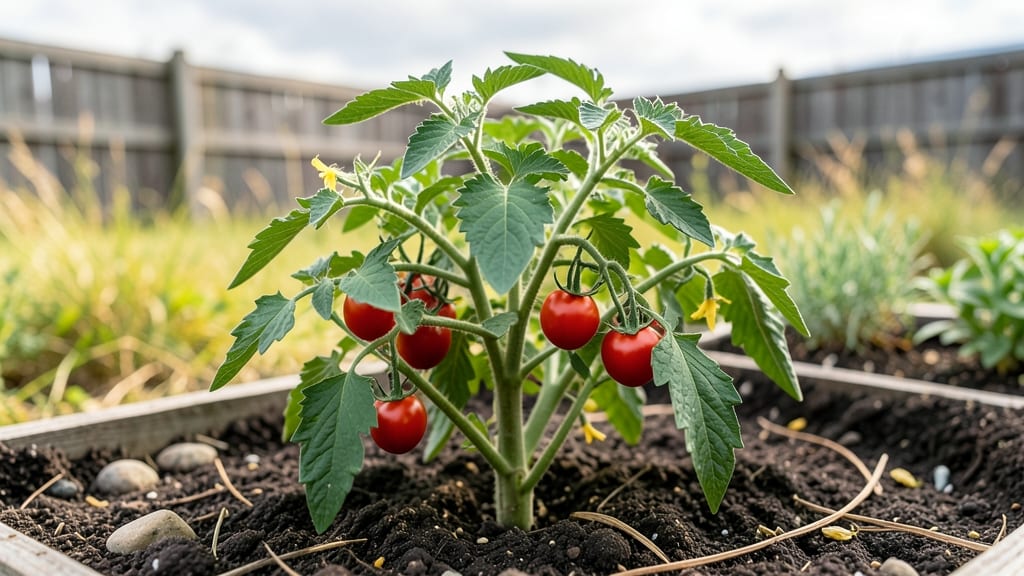
Cold-hardy Tiny Tom tomatoes thrive where most varieties fail—growing Tiny Tom in containers means you can harvest sweet, bite-sized fruit even in cooler climates. 🌱 I’ve grown them in pots from Zone 4 to Zone 8, and they consistently outperform traditional cherry tomatoes.
Their compact size (2–3 feet tall) makes them perfect for balconies, patios, or small yards, while their cold tolerance lets you plant them weeks earlier than usual.
These tomatoes need well-draining potting mix (add compost for extra nutrients) and a sunny spot with at least 6–8 hours of light daily. A 5-gallon container works for one plant—just ensure it has drainage holes to prevent soggy roots.
Water consistently, keeping soil moist but not waterlogged, and fertilize lightly every 2–3 weeks once flowers appear. The real secret? Staking or caging early prevents sprawl and keeps fruit accessible.
By mid-summer, you’ll be snipping clusters of 1-inch red orbs—perfect for snacking, salads, or skewers. Tiny Toms produce prolifically, often yielding hundreds of tomatoes in a single season. The flavor is sweet, tangy, and packed with juice, making them a crowd-pleaser.
Prune suckers (the shoots between stems and main trunk) to direct energy into fruit production, and watch your plant explode with growth.
Container-growing Tiny Toms avoids soil-borne diseases common in in-ground gardens, and their cold resistance means fewer lost seasons. Whether you’re a balcony gardener or just want a low-maintenance tomato, this variety delivers foolproof results with minimal effort. Ready to grow yours?
📚 In This Guide
- What you need
- Instructions
- Tips and common mistakes
- Wrapping up and next steps
What you need
- ● Tiny Tom Tomato Seeds or Seedlings: 1-2 plants (choose disease-resistant varieties if possible).
- ● 5-Gallon Container or Fabric Grow Bag: 1 per plant (ensure drainage holes are present).
- ● High-Quality Potting Mix: 1 bag (look for a blend labeled for vegetables or tomatoes).
- ● Slow-Release Fertilizer (10-10-10 or tomato-specific): 1 small bag (follow package instructions for application).
- ● Tomato Cage or Stakes: 1 per plant (4-5 ft tall for support).
- ● Mulch (Straw or Shredded Leaves): Enough to cover the soil surface (helps retain moisture and regulate temperature).
- ● Gloves: 1 pair (to protect your hands while gardening).
- ● Trowel or Small Shovel: 1 (for planting and transplanting).
- ● Watering Can or Hose with Gentle Spray Nozzle: 1 (avoid overhead watering to prevent disease).
- ● Pruning Shears: 1 (for trimming suckers and dead leaves).
- ○ Plant Food (Liquid or Granular): Optional (for mid-season boosts).
- ○ Shade Cloth (Lightweight): Optional (for hot climates to protect young plants).
Step-by-step instructions for growing Tiny Tom tomatoes in containers
Here’s how I grow these cold-tolerant, compact tomatoes—perfect for small spaces and cooler climates.
🌱 Step 1: Select and Prepare Containers for Optimal Growth
Tiny Tom tomatoes thrive in 5-gallon containers with at least 12 inches of depth—their roots need room to spread. I use fabric grow bags because they allow excess moisture to evaporate, reducing the risk of root rot in cooler weather. Make sure each pot has multiple drainage holes—no exceptions. If your container lacks them, drill extra holes along the sides.
Fill the bottom 2 inches with gravel or perlite to improve drainage. This layer prevents water from pooling at the roots, which is especially critical for Tiny Toms in containers. Next, add a 2-inch layer of compost to provide nutrients right where the roots will establish. This two-layer setup mimics the natural soil stratification Tiny Toms prefer.
☀️ Step 2: Plant and Provide Early Support
Plant one Tiny Tom seedling per container, positioning it so the top of the root ball sits just below the soil surface. Press the soil gently around the roots to eliminate air pockets, but don’t compact it—roots need loose soil to spread. Tiny Toms grow determinately, meaning they won’t vine indefinitely, but they still benefit from early support. Install a 4-foot tomato cage or sturdy bamboo stake immediately after planting to prevent stem damage as the plant matures.
Water deeply right after planting to settle the soil and encourage root expansion. Use lukewarm water—cold water can shock the roots, especially in cooler climates. You’ll know the soil is moist enough when water runs out the drainage holes without pooling. Avoid wetting the leaves to prevent fungal diseases like early blight, which Tiny Toms are still susceptible to despite their cold tolerance.
💧 Step 3: Maintain Consistent Moisture and Fertility
Tiny Tom tomatoes prefer consistent moisture—never let the soil dry out completely, but avoid soggy conditions. Water every 2-3 days in warm weather, checking the top 1-2 inches of soil for dryness. In cooler temperatures, reduce watering to every 4-5 days, as the soil retains moisture longer. I use a moisture meter to avoid guesswork, but if you don’t have one, stick your finger in the soil: it should feel damp but not wet.
Feed the plants every 2 weeks with a balanced liquid fertilizer (10-10-10 or 5-5-5). Tiny Toms are prolific producers, and container-grown plants deplete nutrients faster than those in the ground. Mix the fertilizer at half-strength to prevent burning the roots. You’ll notice new leaves emerging within 3-5 days of fertilizing—that’s your signal the plant is thriving.
✂️ Step 4: Prune and Harvest for Maximum Yield
Prune Tiny Toms sparingly—they’re compact but still need airflow. Remove suckers (the small shoots that form in the leaf axils) once they reach 2 inches to redirect energy to fruit production. Focus on keeping the plant open and bushy, not tall and leggy. Pinch off the first flower cluster if your plant is still small—this encourages stronger stem growth before fruiting.
Harvest when tomatoes are fully colored and slightly soft to the touch, usually 50-60 days after planting. Tiny Toms ripen quickly, so check them every 2-3 days in peak season. Use garden shears to cut stems cleanly, leaving a small portion attached to the plant. This prevents disease entry points and encourages more fruit to set. Store harvested tomatoes at room temperature—never in the fridge, as this ruins their flavor.
⏰ Step 5: Overwinter and Prepare for Next Season
When frost threatens, harvest all remaining tomatoes—even unripe ones will ripen indoors. Tiny Toms are cold-tolerant but not frost-proof. Cut the plant back to 6 inches above the soil, leaving a few leaves to photosynthesize. Move the container to a cool, bright spot (like a garage or basement) and reduce watering to once every 10-14 days. The plant will go dormant but can be replanted in spring with minimal stress.
Before replanting in spring, refresh the soil by removing the top 2 inches of old mix and replacing it with fresh compost. This replenishes nutrients and prevents soil-borne diseases. Tiny Toms are perennials in mild climates, but their productivity declines after 2-3 years, so I replace them every few seasons. Start new plants from seed or cuttings to keep your harvests vigorous.
Tips & tricks for growing Tiny Tom tomatoes in containers
These practical insights will help you maximize your harvest while avoiding common pitfalls with this cold-hardy variety.
Container Selection: While 5-gallon containers work perfectly, I've found that adding a 3-inch layer of expanded shale beneath the gravel improves drainage even further. This extra layer creates better airflow at the roots, which is especially beneficial during cooler, damp weather. If you're using decorative pots without drainage, consider nesting them inside larger containers with drainage holes—this gives you aesthetic flexibility while maintaining proper growing conditions.
Watering Wisdom: The key to consistent moisture is understanding your specific climate. In my experience, Tiny Toms in containers dry out faster than in-ground plants, so I water early in the morning to allow excess moisture to evaporate during the day. For the every 2-3 days guideline, I check soil moisture by lifting the pot—if it feels significantly lighter than when watered, it's time. In cooler weather, I reduce to every 4-5 days and monitor for wilting, which is the plant's way of telling you it needs water.
Fertilizer Strategy: The every 2 weeks feeding schedule works well, but I've discovered that alternating between liquid fertilizer and a slow-release granular fertilizer (applied at planting) creates more stable nutrient levels. When using liquid fertilizer, always mix it at half-strength—I learned this the hard way after seeing leaf burn from over-fertilizing. The 3-5 days window for new leaf growth after fertilizing is your best indicator that the plant is absorbing nutrients properly.
Pruning Precision: When removing suckers that reach 2 inches, I use clean pruning shears and make cuts at a 45-degree angle just above a leaf node. This prevents disease entry and encourages faster healing. For the first flower cluster, I pinch it off when the plant has 5-6 true leaves—this gives the plant enough energy to develop a strong structure before fruiting. The every 2-3 days harvest check pays off with continuous production throughout the season.
Pro Tips for Tiny Tom Tomato
- These practical insights will help you maximize your harvest while avoiding common pitfalls with this cold-hardy variety.
- Container Selection: While 5-gallon containers work perfectly, I've found that adding a 3-inch layer of expanded shale beneath the gravel improves drainage even further.
- Watering Wisdom: The key to consistent moisture is understanding your specific climate.
Frequently asked questions
Got questions about growing the Tiny Tom Tomato in your container garden? You’re not alone!
Here are answers to the most common queries—from planting tips to troubleshooting—so you can enjoy a bountiful harvest of these cold-hardy, compact tomatoes.
How cold can Tiny Tom Tomatoes tolerate?
The Tiny Tom is one of the few varieties that can handle light frosts (28°F/-2°C) and thrive in cooler climates (down to Zone 3). Start seeds indoors 6–8 weeks before your last frost, then transplant after soil warms to 50°F/10°C. For extra protection, use frost blankets or grow them in insulated containers.
How long does it take for Tiny Tom Tomatoes to produce fruit?
Expect your Tiny Tom plants to bear fruit in 50–60 days from transplanting (or 70–80 days from seed). These early producers are bred for speed, making them perfect for short growing seasons. Prune suckers lightly to boost energy to fruit production, and watch for those first tiny (but mighty!) cherry tomatoes!
What’s the best container size for Tiny Tom Tomatoes?
While Tiny Toms are compact, they still need 5-gallon containers minimum (bigger is better for root growth). Use self-watering pots or add a moisture meter to prevent drought stress. Ensure containers have drainage holes and place them in a spot with 6–8 hours of sunlight daily. Hanging baskets work too—just secure them firmly!
How do I prevent pests from eating my Tiny Tom Tomatoes?
Common pests like aphids, hornworms, and whiteflies love Tiny Toms too! Start with neem oil or insecticidal soap for mild infestations. Introduce ladybugs or praying mantises for natural control. For hornworms, handpick them early in the morning (they’re less active then). Row covers can also deter flying pests.
Can I grow Tiny Tom Tomatoes indoors?
Place your containers near a south-facing window or under grow lights (12–16 hours/day). Use a self-watering planter to maintain moisture, and fertilize every 2–3 weeks with a balanced tomato feed. Just watch for blossom end rot (lack of calcium)—add crushed eggshells or calcium supplements to prevent it. Indoor tomatoes taste just as sweet!
What can I do if my Tiny Tom Tomatoes stop producing?
If your plants slow down, check for heat stress (temps above 90°F/32°C), overwatering, or nutrient deficiencies. Prune lower leaves to improve airflow, and fertilize with phosphorus-rich food to encourage flowering. Sometimes, a light trim of new growth can trigger a second flush of fruit. Don’t give up—these resilient plants often bounce back!
Wrapping up and next steps
The Tiny Tom tomato is a game-changer for gardeners with limited space or chilly climates—its cold resistance and compact size make growing fresh, flavorful tomatoes easier than ever! Whether you’re a beginner or a seasoned gardener, this variety proves that big rewards come in small packages. 🌱
Ready to dive in? Start by gathering your supplies, then plant those seeds or seedlings and watch your container garden thrive. Happy growing—your future salads (and bragging rights) await! 🍅✨