
Vegetables
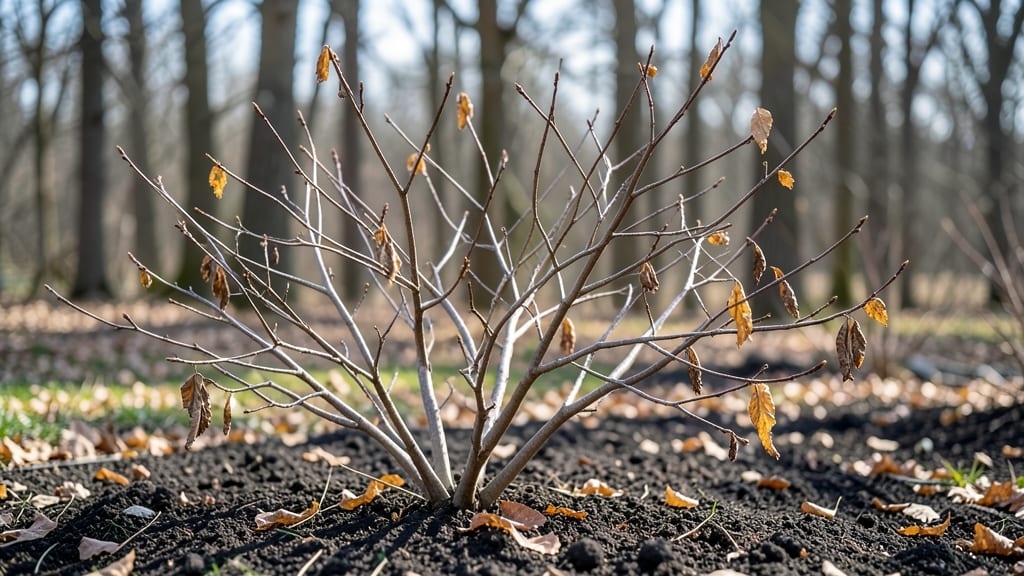
Your Summersweet Clethra shrub can smell like summer even in winter—if you protect it right. 🌿 I learned the hard way that these fragrant beauties need special care when frost rolls in, or you’ll wake up to browned branches and lost fragrance.
The secret lies in timing your pruning, shielding tender growth, and letting nature’s insulation do the work.
Start by pruning in late winter or early spring—never after summer blooms fade. Cut back dead or crossing branches with clean shears, then mulch heavily around the base with 3-4 inches of organic material.
This acts like a cozy blanket, keeping roots warm while allowing air circulation to prevent rot.
When the first frost hits, cover young shrubs with burlap or frost cloth—it’s like tucking them into a winter coat. Mature plants usually handle cold just fine, but a thick layer of mulch still helps retain moisture.
The reward? Those signature summery blooms return stronger, and you’ll smell like a meadow even in January.
This method works for both new and established shrubs, whether you’re in a cold northern climate or a milder zone with occasional freezes. Just remember: patience pays off. By spring, your Clethra will be bursting with new growth and ready to perfume your garden again.
📚 In This Guide
- What you need
- Instructions
- Tips and common mistakes
- Wrapping up and next steps
What you need
- ● Pruning shears or loppers – Sharp, clean, and sterilized (1 pair, with 6-8" blades for thick branches).
- ● Garden gloves – Heavy-duty, cut-resistant (1 pair).
- ● Mulch – Organic options like shredded bark, pine straw, or compost (3-4 inches, enough to cover the root zone).
- ● Watering can or hose with adjustable nozzle – For deep watering before winter.
- ○ Fertilizer (optional but recommended) – Slow-release, balanced (10-10-10) or acidic fertilizer for shrubs (1 bag, ~20 lbs).
- ● Burlap or frost cloth – For young or tender shrubs in harsh climates (1 roll, 4-6 feet wide).
- ● Anti-desiccant spray – To protect leaves from drying out (1 spray bottle).
- ● Soil moisture meter – To check root zone hydration (1 unit).
- ● Compost or aged manure – For enriching soil before mulching (1-2 gallons).
- ● Stakes or small tree ties – If your shrub needs support in windy areas (4-6 stakes, 2-3 feet tall).
Step-by-Step guide to winterizing your Summersweet clethra shrub
Here's how to protect your fragrant clethra through winter's chill—keeping it healthy and ready to bloom again.
🌿 Step 1: Prune Strategically Before Frost
Wait until late fall after the first hard frost, but before temperatures drop below 25°F, to prune your clethra. This timing lets the plant enter dormancy naturally while still allowing you to remove any dead or diseased branches. Use clean, sharp pruners to cut back any branches that look brown or shriveled—these won’t survive the winter anyway.
Focus on shaping the shrub by removing any crossing branches or those growing inward. Clethra thrives when it has good airflow, so avoid over-trimming. You’ll know you’ve done it right when the shrub’s natural form is preserved, with only the dead wood gone. This step ensures your clethra wakes up in spring with a strong structure and fewer pests.
☀️ Step 2: Mulch for Insulation and Moisture Retention
Spread a 2-3 inch layer of organic mulch around the base of your clethra, keeping it 6 inches away from the trunk to prevent rot. I prefer shredded bark or wood chips because they break down slowly and improve soil quality over time. This layer acts like a cozy blanket, protecting roots from extreme cold and retaining moisture during dry winter spells.
Don’t skip this step—clethra roots are sensitive to freezing, and mulch can make the difference between a shrub that thrives and one that struggles. If you live in a region with sub-zero temperatures, add an extra inch of mulch for added protection. You’ll see the mulch settle slightly over winter, but that’s normal—just top it up in early spring.
❄️ Step 3: Protect from Harsh Winter Conditions
If your clethra is young or your winters are particularly brutal, consider wrapping the shrub with burlap or frost cloth during the coldest months. Secure it loosely around the branches to allow airflow but block harsh winds and heavy snow. Avoid plastic wraps—they can trap moisture and cause rot. This extra layer is especially important if your clethra is in a windy or exposed location.
Watch for heavy snow accumulation on the branches, which can snap them under the weight. Gently shake off excess snow if it builds up to more than 2 inches. You’ll know your clethra is well-protected when it looks sturdy and unstressed, even after a snowstorm. In most cases, mature clethras handle winter well, but this step gives them a fighting chance in extreme conditions.
💧 Step 4: Water Sparingly in Late Fall
Before the ground freezes, give your clethra a deep watering to ensure the roots are hydrated for winter. This helps the plant store moisture, which it will slowly use over the dormant season. After that, stop watering entirely until spring—overwatering in winter can lead to root rot. You’ll know the soil is ready for dormancy when it feels cool to the touch and no longer holds moisture well.
If you’re in a region with occasional winter thaws, avoid watering during these periods. The goal is to let the plant rest, not encourage new growth. Come spring, you’ll see your clethra emerge with vibrant leaves and fragrant blooms, a sign that your winter care paid off.
⏰ Step 5: Monitor and Adjust for Spring Readiness
Start checking your clethra in early spring as temperatures rise above 40°F. Remove any protective wraps or burlap once the threat of frost has passed, usually around late March or early April. This timing gives the plant a chance to wake up gradually. If you notice any dead branches that didn’t survive the winter, prune them out now to encourage new growth.
You’ll know your clethra is ready for spring when you see new buds forming at the tips of the branches. At this point, resume regular watering and fertilizing to support its growth. With proper winter care, your clethra will reward you with lush foliage and those signature fragrant summer blooms.
Tips & tricks for perfectly winterizing Summersweet clethra
Here's what I've learned from years of helping clethras survive winter—these small details make all the difference.
Pruning Precision: When you're ready to prune in Step 1, look for branches that are completely brown and brittle—they're dead and should be removed completely. For partially damaged branches, cut back to the first healthy green growth you see. I've seen people hesitate to prune because they're afraid of cutting too much, but clethras are surprisingly resilient. The key is to remove only what's clearly dead or crossing.
Mulch Depth Matters: That 2-3 inch layer of mulch in Step 2 is non-negotiable for clethras, but here's what I've noticed: the mulch should be fluffy, not packed down. If you use wood chips, spread them loosely so they don't mat together. For extra protection in cold climates, I like to add a thin layer of straw on top of the wood chips—it provides additional insulation without compacting. Just remember to keep it 6 inches away from the trunk to prevent rot.
Snow Removal Strategy: In Step 3, when you're watching for snow accumulation, here's my pro tip: use a soft-bristle brush or even a broom to gently remove snow rather than shaking branches. I learned this the hard way when I accidentally snapped a few branches trying to shake off heavy snow. The goal is to remove just enough to prevent breakage—usually when you see more than 2 inches building up. A little snow actually protects the branches from extreme temperature swings, so don't go overboard with removal.
Spring Transition Timing: For Step 5, I've found that waiting until temperatures consistently stay above 40°F before removing protective wraps is crucial. But here's what nobody tells you—clethras often start showing new growth before the last frost date. If you see buds forming but there's still a chance of frost, leave the protective wraps on during the day and remove them during warm periods to let the plant acclimate gradually.
Pro Tips for Summersweet Clethra Shrub In Winter
- Here's what I've learned from years of helping clethras survive winter—these small details make all the difference.
- Pruning Precision: When you're ready to prune in Step 1, look for branches that are completely brown and brittle—they're dead and should be removed completely.
- Mulch Depth Matters: That 2-3 inch layer of mulch in Step 2 is non-negotiable for clethras, but here's what I've noticed: the mulch should be fluffy, not packed down.
Frequently asked questions
about keeping your Summersweet Clethra thriving through winter—because even fragrant evergreens need a little TLC!Does Summersweet Clethra lose its leaves in winter?
The Summersweet Clethra is semi-evergreen, meaning it may drop some leaves in cold climates but often retains a few. In milder zones (6-9), it keeps most foliage year-round. Prune dead leaves in early spring to encourage fresh growth. Pro tip: Mulch around the base to protect roots from freezing!
When should I prune Summersweet Clethra for winter?
Prune after flowering (late summer/early fall) to shape the shrub and remove dead or weak branches. Avoid heavy pruning in late winter—wait until spring (March-April) for major cuts. This timing ensures you don’t cut off next year’s blooms!
Are Summersweet Clethras pest- or disease-prone in winter?
They’re generally tough, but watch for scale insects or powdery mildew in damp winters. Inspect branches for sticky residue (scale) or white powder (mildew). Treat with neem oil or fungicide if needed. Prevention tip: Ensure good airflow by spacing plants 3-5 feet apart!
Can Summersweet Clethra survive harsh winters (Zone 5 or colder)?
Yes! While it prefers zones 6-9, hardy varieties (like ‘Ruby Spice’) tolerate Zone 5 with proper winter care: mulch heavily (4-6 inches), water before freezing, and plant in sheltered spots. Young shrubs benefit from burlap wraps for extra protection.
What’s a good winter alternative if Summersweet Clethra struggles?
Try Winter Daphnes (fragrant winter blooms), Inkberry Holly (evergreen, low-maintenance), or Witch Hazel (late-winter flowers). All thrive in similar conditions but offer different textures/colors. Bonus: Pair them with Summersweet for layered winter interest!
Wrapping up and next steps
Discovering the summersweet clethra shrub as a winter-friendly evergreen is a game-changer for gardeners craving year-round beauty! 🌿 With its fragrant blooms, resilience, and low-maintenance charm, this shrub proves that winter doesn’t have to be dull.
Whether you’re a seasoned gardener or just starting, now’s the perfect time to plant, prune, or simply admire this fragrant evergreen—because every season deserves a touch of nature’s elegance.
Ready to transform your winter garden? Grab your gloves, pick up a clethra shrub, and give your outdoor space a fragrant, evergreen upgrade today! 🌟