
Vegetables
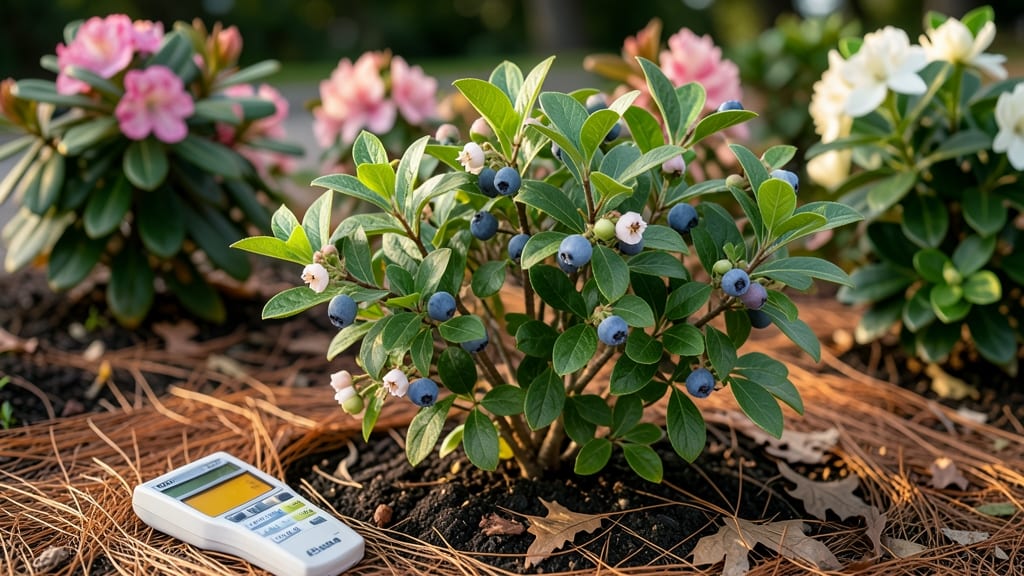
Acid-loving crops thrive when soil pH drops between 4.5 and 6.0—the secret behind vibrant blueberries, lush rhododendrons, and productive vegetable beds that outperform in regular soil. 🌿 I learned this the hard way after my azaleas turned yellow and my blueberry bushes produced tiny, tart berries.
The fix wasn’t complicated: adjusting pH with simple amendments transformed my garden’s productivity overnight.
The right plants make all the difference. Blueberries, cranberries, and potatoes demand acidic conditions, while kale, spinach, and strawberries prefer slightly acidic soil. Even flowers like hydrangeas change color based on pH—blue blooms in acidic soil, pink in alkaline.
Testing your soil first (with a simple kit) ensures you’re planting what will truly flourish.
Preparing acidic soil starts with sulfur or pine needles—both lower pH naturally over time. Mix in peat moss for organic matter that holds moisture while keeping soil acidic. For quick results, use elemental sulfur (apply in early spring) or cottonseed meal (a slow-release acidifier).
The payoff? Plants that grow stronger, faster, and more productive than in neutral soil.
Maintaining the right pH takes patience, but the results are worth it. Monitor soil annually with a meter, and reapply amendments if pH drifts above 6.0. The key is consistency—once your garden’s ecosystem adapts, you’ll see healthier foliage, bigger yields, and fewer pest problems.
Start small, test often, and watch your acid-loving crops reward you with lush growth.
📚 In This Guide
- What you need
- Instructions
- Tips and common mistakes
- Wrapping up and next steps
What you need
- ● Soil: 2–3 cubic yards of acidic soil (pH 4.5–6.0), or
- ● Peat moss (1–2 bags) + compost (1 bag) + perlite (1 bag) for a DIY mix
- ● Acidifiers: Elemental sulfur (1–2 lbs) or
- ● Aluminum sulfate (1 lb) – use sparingly!
- ● Fertilizer: Balanced organic fertilizer (10-10-10 or 5-5-5, 5–10 lbs)
- ● OR slow-release acid-loving plant food (e.g., Miracle-Gro Azalea, Camellia & Rhododendron)
- ● Seeds/Plants: Blueberries (10–20 plants), cranberries (5–10 plants), or acid-loving greens like kale, spinach, or Swiss chard (seeds or seedlings)
- ● Tools: Garden trowel or spade
- ● Garden fork (for aerating soil)
- ● pH testing kit (digital or liquid test strips)
- ○ Gloves (optional but highly recommended)
- ● Mulch (pine needles or oak leaves – free from local parks!)
- ● Drip irrigation system or soaker hoses (for consistent moisture)
- ● Epsom salt (1 cup per plant, monthly – boosts magnesium for greens)
- ● Compost tea (homemade or store-bought, for extra nutrients)
- ● Shade cloth (if your climate gets too hot)
Step-by-Step guide to cultivating acid-loving crops
Here's how I transform my garden into a thriving haven for acid-loving plants—no guesswork involved.
🌱 Step 1: Test and Adjust Soil pH
Use a reliable soil pH test kit to check your garden's current pH level. Acid-loving crops like blueberries, azaleas, and rhododendrons thrive in soil with a pH between 4.5 and 5.5. If your soil tests higher, you'll need to lower the pH using elemental sulfur or peat moss. I typically apply 1 pound of elemental sulfur per 100 square feet and mix it into the top 6 inches of soil. Water the area thoroughly after application.
For a more gradual adjustment, incorporate 2-3 inches of peat moss into the planting hole. This organic amendment not only lowers pH but also improves soil structure and moisture retention. Re-test the soil after 4-6 weeks to confirm the pH has reached the desired range. If you're impatient like I was initially, don't be tempted to overdo it—too much sulfur can harm beneficial soil microbes and create an environment that's too acidic.
🪴 Step 2: Prepare Planting Beds with Acidic Soil Mix
Create a custom planting mix by combining 50% peat moss, 30% pine bark fines, and 20% perlite or coarse sand. This blend ensures proper drainage while maintaining the acidic environment these crops need. Fill your planting containers or beds with this mix, leaving 2-3 inches of space at the top for mulch. I like to add a slow-release acid-forming fertilizer like cottonseed meal at a rate of 1 cup per 100 square feet to provide essential nutrients over time.
For container gardening, use pots with drainage holes and fill them with your acidic mix. Place a 1-inch layer of pine bark fines at the bottom of each pot to improve drainage and prevent root rot. This layer also helps maintain the acidic environment longer. Water the mix thoroughly before planting to settle it and ensure even moisture distribution. You'll know it's ready when the surface feels uniformly damp but not soggy.
🌿 Step 3: Plant Acid-Loving Crops Correctly
Dig planting holes that are twice as wide as the root ball but no deeper. Gently remove plants from their containers and loosen any circling roots with your fingers. Place each plant in its hole, ensuring the top of the root ball sits level with the surrounding soil. Fill the hole with your acidic mix, pressing lightly to eliminate air pockets. Water immediately after planting to help the soil settle around the roots and eliminate any gaps.
Space plants according to their mature size—typically 3-5 feet apart for shrubs like azaleas and 1-2 feet apart for smaller plants like blueberries. Mulch the soil surface with 2-3 inches of pine needles or bark, which slowly release acids as they decompose. This mulch also helps retain moisture and suppress weeds. Keep the mulch 2-3 inches away from plant stems to prevent rot and ensure proper air circulation.
💧 Step 4: Maintain Soil Acidity and Moisture
Water your acid-loving crops deeply 1-2 times per week, depending on rainfall and soil type. These plants generally prefer consistently moist but not waterlogged soil. Use a rain gauge to monitor rainfall and adjust your watering schedule accordingly. In hot, dry weather, you may need to water daily to prevent stress. Always water at the base of the plant to avoid wetting the foliage, which can lead to fungal diseases.
Monitor soil pH annually and adjust as needed. If the pH begins to rise, reapply elemental sulfur or peat moss as described in Step 1. I also recommend a monthly application of an acidic fertilizer, such as one formulated specifically for acid-loving plants. Look for fertilizers with a low nitrogen to high phosphorus ratio to promote strong root development. You'll notice healthier foliage and more vibrant blooms or fruit within 4-6 weeks of consistent care.
✂️ Step 5: Prune and Harvest for Optimal Growth
Prune your acid-loving plants in early spring before new growth begins. Remove any dead, diseased, or crossing branches to improve air circulation and sunlight penetration. For shrubs like blueberries, cut back one-third of the oldest stems each year to encourage new growth and maintain plant vigor. Use clean, sharp pruners to make cuts just above a bud or branch junction. Sterilize your tools with rubbing alcohol between cuts to prevent the spread of disease.
Harvest fruits and flowers as they ripen to encourage continuous production. For blueberries, pick when they're fully colored and slightly soft to the touch. For flowers like azaleas, cut stems just above a leaf node and place them in water immediately. You'll see a noticeable improvement in plant health and productivity if you maintain a regular pruning and harvesting schedule. Always clean up fallen leaves and debris to reduce the risk of pests and diseases.
Tips & tricks for perfect acidic soil gardens
A few strategic moves will help you avoid common pitfalls and create the ideal environment for your acid-loving plants.
Soil pH Precision: When adjusting pH in Step 1, I've learned that patience pays off. The 4-6 week wait before retesting is crucial—rushing leads to overcorrection. For faster results, mix elemental sulfur with water first to create a slurry, then apply. This ensures even distribution without clumping. Too much sulfur can actually harm your plants, so measure carefully and water thoroughly after application to help it dissolve properly.
Mulch Strategy: The 2-3 inch layer of pine needles or bark in Step 3 isn't just decorative—it's a slow-release acid buffer. I recommend using fresh pine needles from untreated trees, as they break down more consistently than bark. Spread them evenly, keeping them 2-3 inches away from stems to prevent rot. This mulch will maintain your soil's acidity for months while suppressing weeds and retaining moisture.
Container Gardening Hack: For potted acid-loving plants, I've found that adding a 1-inch layer of pine bark fines at the bottom of containers (as mentioned in Step 2) makes all the difference. This layer creates a natural barrier that prevents root rot while maintaining the acidic environment. When repotting, always use your custom acidic mix—regular potting soil will quickly raise the pH and stress your plants. The 50% peat moss in your mix is particularly important for containers, as it helps maintain moisture without compacting.
Watering Wisdom: The 1-2 times per week watering guideline in Step 4 is a starting point, but your actual schedule depends on your climate. In hot summers, I water my acid-loving plants daily in the morning, using a soaker hose to deliver water directly to the roots. Always check soil moisture by sticking your finger 2 inches deep—if it's dry, it's time to water. Avoid overhead watering, which can spread fungal diseases and wash away precious acidic mulch.
Pro Tips for Acid Loving Crops
- A few strategic moves will help you avoid common pitfalls and create the ideal environment for your acid-loving plants.
- Soil pH Precision: When adjusting pH in Step 1, I've learned that patience pays off. The 4-6 week wait before retesti...
- Mulch Strategy: The 2-3 inch layer of pine needles or bark in Step 3 isn't just decorative—it's a slow-release acid b...
Frequently asked questions
Got questions about growing acid-loving crops? You’re not alone! Here are some of the most common queries—and their answers—to help you cultivate thriving greens in acidic soil with confidence.
What are some of the best acid-loving crops besides blueberries?
Blueberries are the superstars, but you can also grow azaleas, rhododendrons, potatoes, cranberries, and even some greens like kale and spinach in acidic soil (pH 4.5–6.0). For vegetables, try tomatoes, peppers, and strawberries—they love the tang too! Test your soil first to avoid surprises.
How long does it take for soil to become acidic enough for these crops?
Patience is key! Adjusting soil pH takes 3–6 months with organic amendments like pine needles, sulfur, or peat moss. For faster results, use elemental sulfur (applied 2–3 months before planting) or vinegar (diluted, for small pots). Monitor pH with a test kit every 4–6 weeks.
Can I grow acid-loving crops in containers or raised beds?
Containers and raised beds are perfect for acid-loving crops because you control the soil mix. Use a 50/50 blend of peat moss and perlite or a pre-mixed acidic potting soil (pH 4.5–5.5). Add cottonseed meal or aluminum sulfate to maintain acidity. Just ensure containers have drainage holes to prevent root rot.
What do I do if my plants look unhealthy despite acidic soil?
Yellow leaves, stunted growth, or poor fruiting could signal overly acidic soil (pH <4.5), nutrient deficiencies (like nitrogen or potassium), or pests. Test your soil again and amend with lime (to raise pH) or compost (to boost nutrients). Check for spider mites or fungal issues—common in acidic soils—and treat with neem oil or copper fungicide if needed.
Are there any acid-loving crops that are easy for beginners?
Start with strawberries, potatoes, or cranberries—they’re forgiving and thrive in acidic soil. Strawberries, in particular, are low-maintenance and produce fruit even in slightly acidic conditions (pH 5.5–6.5). For greens, Swiss chard or mustard greens tolerate a wider pH range (5.0–7.0), making them great starter crops.
Wrapping up and next steps
Growing acid-loving crops isn’t just possible—it’s rewarding! 🌱 From tangy blueberries to vibrant rhubarb, these plants thrive when you embrace their natural soil preferences. With the right soil prep, patience, and a dash of creativity, you’ll enjoy a bountiful harvest that’s both delicious and easy to grow.
Ready to take the next step? Start small—try one or two acid-loving plants in a container or a dedicated garden bed. Test your soil, amend as needed, and watch your green space flourish! Happy gardening! 🌿