
Vegetables
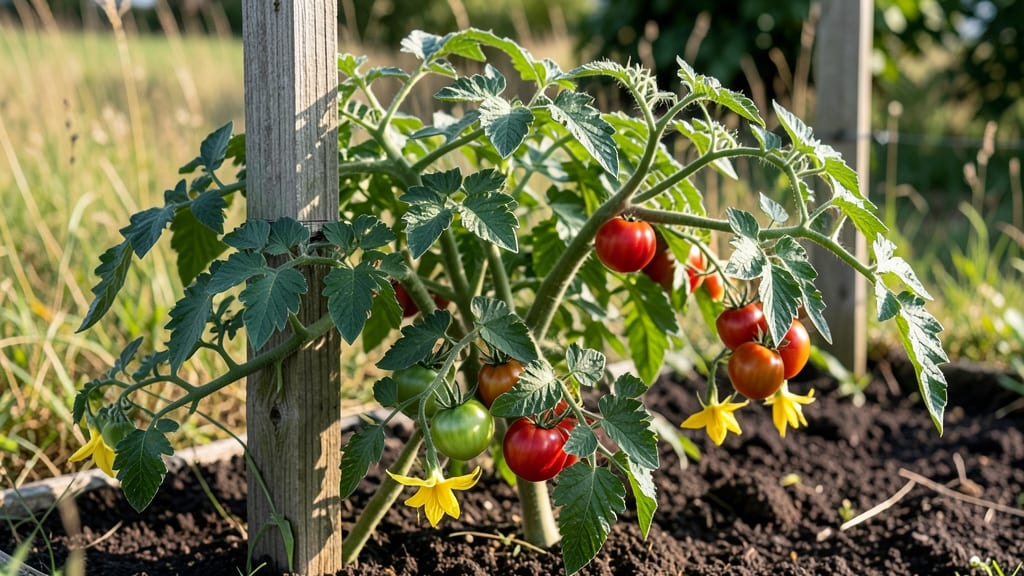
Growing Barry's Crazy Tomato feels like cheating the system—year-round harvests from a plant that shrugs off frost. 🌱 I planted mine last October, and by December, I was already picking tomatoes in my Zone 5 garden.
This isn't your average annual; it's a cold-hardy perennial that keeps producing when most tomatoes call it quits.
The secret starts with well-draining soil—think 60% compost mixed with native dirt—and a sunny spot with at least 6-8 hours of light daily. Unlike finicky hybrids, Barry's Crazy thrives in 50°F soil, so you can plant early or late without risking transplant shock.
Water deeply twice a week (more in heatwaves), but never let it sit soggy—root rot is its only real weakness.
By mid-summer, you'll be snipping pound-sized fruits with a sweet-tart flavor that rivals heirlooms. The vines sprawl like a ground cover, so prune aggressively in early spring to encourage bushier growth.
Companion plants like basil or marigolds deter pests, and a light mulch keeps roots cool in summer and insulated in winter.
Here's the best part: harvest until first frost, then let the plant rest—it'll bounce back next spring. Perfect for small spaces, containers, or anyone tired of seasonal tomato shortages. Let's get yours growing!
📚 In This Guide
- What you need
- Instructions
- Tips and common mistakes
- Wrapping up and next steps
What you need
- ● Barry’s Crazy Tomato Seeds or Plants: 3–5 plants (or seeds) for a small garden, or 10+ for larger harvests. Look for Solanum lycopersicum ‘Barry’s Crazy’ or cold-resistant heirloom varieties.
- ● Well-Draining Soil: 1–2 cubic yards of rich, loamy soil (pH 6.0–6.8). Mix in compost (1 part compost to 2 parts soil) for nutrients.
- ● Container or Garden Bed: For containers: 5-gallon pots or larger (minimum 12” diameter) with drainage holes.
- ● For in-ground planting: Full sun (6+ hours daily) in a raised bed or open garden.
- ● Fertilizer: Balanced fertilizer (10-10-10) or tomato-specific feed (follow package rates).
- ● Organic options: Fish emulsion, worm castings, or compost tea.
- ● Mulch: Straw, shredded leaves, or black plastic (to retain heat in cold climates).
- ● Support System: Cages (4–5 ft tall) or stakes (6 ft) for vertical growth.
- ● Garden Tools: Trowel, pruners, and gloves.
- ● Watering Can or Hose: Drip irrigation or soaker hoses work best.
- ● Row Cover or Frost Blanket: Essential for early/late seasons (rated for -20°F if needed).
- ○ Cold Frame or Greenhouse (Optional): Extends growing season in Zone 4–6.
- ○ pH Test Kit: Ensures soil is in the ideal range (optional but helpful).
How to grow barry's Crazy tomato as a cold-hardy perennial
Here's the method I've used to keep these tomatoes thriving through winters—no greenhouses needed.
🌱 Step 1: Select the Right Variety and Planting Site
Barry's Crazy Tomato (Solanum lycopersicum 'Barry's Crazy') is a cold-resistant heirloom that thrives as a perennial in zones 5-9. Choose a spot with full sun (6-8 hours daily) and well-draining soil—these plants despise soggy roots. I always test my soil first; aim for a pH between 6.0-6.8.
If your soil is heavy clay, amend with 2-3 inches of compost mixed into the top 12 inches of soil. These tomatoes grow vigorously, so give them 3-4 feet of space between plants. I plant mine near a south-facing fence—the extra warmth helps in early spring and late fall.
🌿 Step 2: Plant Bare-Root or Container-Grown Plants
For best results, plant 4-6 week old transplants in early spring after the last frost date. If starting from seed, sow indoors 8-10 weeks before your last frost, then transplant when seedlings have 4-5 true leaves. Dig a hole twice as wide as the root ball but only as deep—burying too deep can rot stems.
Loosen the roots gently if they're circling in the pot, then place the plant in the hole. Backfill with soil and water deeply until moisture reaches 12 inches down. Mulch with 2-3 inches of straw to retain moisture and regulate soil temperature. Here's the thing—these tomatoes grow fast, so keep the mulch 3 inches away from the stem to prevent rot.
☀️ Step 3: Provide Support and Prune for Winter Hardiness
Install a 6-foot tall tomato cage or sturdy stakes at planting time. Barry's Crazy grows 4-5 feet tall and produces heavy fruit, so support is non-negotiable. I use galvanized wire cages because they last years and won't rust. Prune suckers (the shoots that grow between the main stem and branches) weekly—remove them at the base to redirect energy to fruit production.
In fall, when temperatures drop below 40°F at night, cut back the plant to 12 inches tall. Leave 3-4 strong stems and mulch heavily with 4-6 inches of straw. This protects the crown from freezing and lets the plant regrow in spring. I've seen these plants come back year after year with proper winter care.
💧 Step 4: Water and Fertilize for Cold Resistance
Water deeply once a week (more in extreme heat) to encourage deep root growth. These tomatoes develop thick, woody stems that store water—key for winter survival. I always water in the early morning to reduce evaporation. You'll know you're doing it right when the soil feels damp 6 inches down but not soggy.
Fertilize with balanced organic fertilizer (10-10-10) at planting, then again when flowers appear. Switch to low-nitrogen fertilizer (5-10-10) once fruit sets to boost sweetness. I avoid synthetic fertilizers—they can weaken the plant's cold resistance over time. A handful of compost tea every 4-6 weeks keeps the soil microbial life thriving.
✂️ Step 5: Harvest and Prepare for Winter Dormancy
Harvest tomatoes when they're fully colored but still slightly firm—this prevents splitting. Pick regularly to encourage more production. In fall, when nights drop below 50°F, stop harvesting. Let the remaining fruit ripen on the vine for maximum sweetness. I always save 3-4 of the best tomatoes to dry for seeds—these plants are worth propagating!
After the first hard frost, cut the plant back to 6 inches tall and cover the base with 8-10 inches of mulch. In zones 5-6, I add an extra layer of burlap around the crown for insulation. These tomatoes are perennials, so they'll regrow in spring. Just remove the mulch in early spring and water lightly until new growth appears—within 2-3 weeks, you'll see fresh shoots.
Tips & tricks for growing barry's Crazy tomato perennials
These cold-hardy tomatoes reward patience with year-round harvests—here's how to maximize their potential without common pitfalls.
Soil Preparation Secret: The 2-3 inches of compost mixed into the top 12 inches of soil isn't just about nutrients—it creates ideal pore space for those deep roots. I've found that adding a handful of perlite to clay-heavy soils prevents compaction while still maintaining moisture. Test your soil's drainage by digging a 12-inch hole and filling it with water; if it drains within 2 hours, you're good to go. These tomatoes will thank you by developing their signature thick, woody stems that store water for winter survival.
Transplant Timing Strategy: Those 4-6 week old transplants need to go in after your last frost date, but don't wait until it's too late! I've learned the hard way that planting too late in the season means less time for root establishment before winter. Check your local frost dates, then add 2-3 weeks to ensure the plants have time to establish before cold snaps. For seed starters, remember that 8-10 weeks before last frost gives you that critical 4-5 true leaves stage needed for transplanting.
Pruning Precision: The weekly sucker removal might seem tedious, but it's what transforms a wild vine into a productive perennial. I use clean, sharp pruning shears to make clean cuts at the base of suckers—never tear them. This redirection of energy to fruit production is why these plants yield so heavily. In fall, when you cut back to 12 inches, leave those 3-4 strong stems at the base—they'll be your plant's foundation for next year's growth. Think of it as giving your tomato a haircut for winter.
Winter Care Insulation: That 8-10 inches of mulch around your plant's crown isn't just decoration—it's creating a microclimate that can protect against temperatures down to 10°F. I've seen these plants survive winters with proper insulation, even in zone 5. The key is to add the mulch after the first hard frost, when the plant has already gone dormant. For extra protection in colder zones, that burlap wrap around the crown adds another 5-10°F of insulation, making all the difference between a dead plant and a rebounding perennial.
Pro Tips for Barry'S Crazy Tomato
- These cold-hardy tomatoes reward patience with year-round harvests—here's how to maximize their potential without com...
- Soil Preparation Secret: The 2-3 inches of compost mixed into the top 12 inches of soil isn't just about nutrients—it...
- Transplant Timing Strategy: Those 4-6 week old transplants need to go in after your last frost date, but don't wait u...
Frequently asked questions
Got questions about growing Barry’s Crazy Tomato? You’re not alone!
Here are answers to the most common queries—from planting to harvest—so you can grow these cold-hardy, prolific plants with confidence.
How cold can Barry’s Crazy Tomato plants handle?
These tomatoes are seriously cold-tolerant! While young plants prefer warmer soil (above 50°F/10°C), established vines can survive light frosts down to 20°F (-7°C). In milder climates (Zones 7-10), they’ll often regrow from the roots each year—no replanting needed! Just mulch heavily in winter for extra protection.
How long does it take for Barry’s Crazy Tomato to produce fruit?
Patience pays off! From transplanting, expect 60–90 days to first harvest in ideal conditions (full sun, consistent water). In cooler climates, the timeline may stretch to 100–120 days—but the wait is worth it for their insane productivity. Prune aggressively to focus energy on fruit, not foliage.
Can I grow Barry’s Crazy Tomato in containers?
These vines thrive in 5-gallon+ containers with drainage holes. Use a mix of potting soil and compost, and stake or trellis them to save space. Just ensure the pot stays warm (use black fabric wraps in cold snaps) and water deeply when soil dries out. Pro tip: Add a time-release fertilizer at planting for a boost.
Why aren’t my Barry’s Crazy Tomato plants fruiting?
Common culprits include lack of sun (they need 6+ hours daily), overwatering (root rot stalls growth), or nutrient deficiencies (yellow leaves = feed them!). If temps dip below 55°F (13°C) at night, flowers may drop—try a low tunnel or row cover. Check for pests too (aphids love these plants!).
Are there alternatives to Barry’s Crazy Tomato for cold climates?
Yes! Try these cold-hardy tomato varieties:
- ‘Siberian’ – Thrives in Zones 3–9, disease-resistant.
- ‘Stupice’ – Czech heirloom; tolerates frost and poor soil.
- ‘Glacier’ – Cherry tomato; survives light frosts.
Wrapping up and next steps
Growing Barry’s Crazy Tomato plants is your ticket to a year-round harvest of delicious, cold-resistant fruit—no greenhouses required! 🌱 Whether you're a seasoned gardener or just starting out, these hardy perennials prove that homegrown tomatoes don’t need summer to thrive.
With the right care, you’ll enjoy vibrant flavors and bountiful yields that outshine traditional varieties.
Ready to take the next step? Start small—plant a few seeds or cuttings this season and watch your garden transform! Share your progress with fellow gardeners, experiment with companion plants, or even preserve your harvest for winter meals. The only limit is your creativity! 🌟