
Vegetables
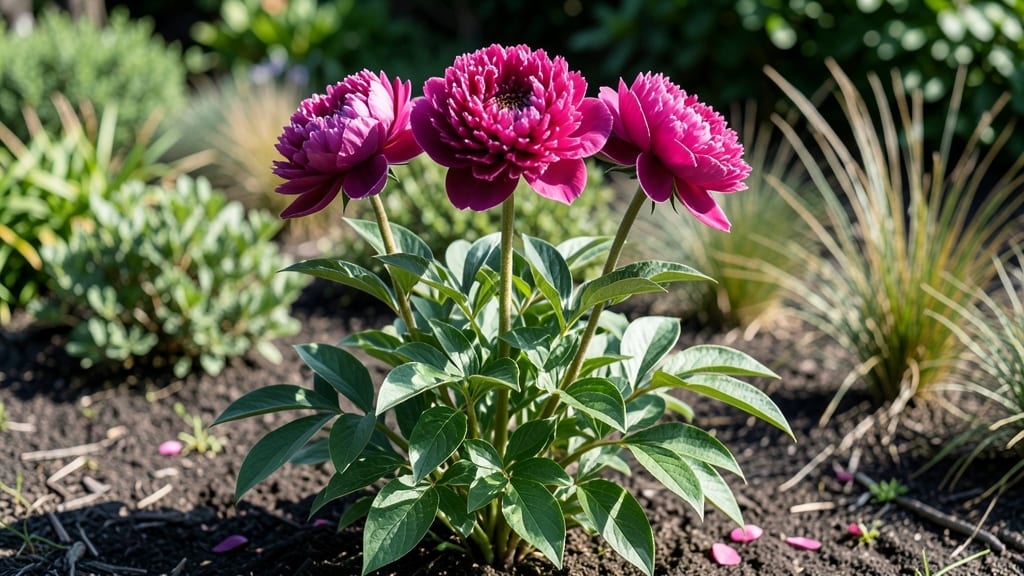
Salem’s Adelman Peony Gardens prove Pacific Northwest rain can’t stop these showstoppers. 🌸 The 10-acre display bursts with over 1,000 peony varieties—each bloom a masterpiece of soft pinks, deep reds, and creamy whites that defy soggy Oregon skies.
What makes this garden special isn’t just the scale, but how peonies thrive here despite the region’s damp climate, with secret techniques like strategic drainage and hardy rootstock.
The garden’s layout is a lesson in seasonal beauty, with early bloomers like ‘Sarah Bernhardt’ leading the spring parade, followed by summer’s bold ‘Bowl of Beauty’ and late-season ‘Karl Rosenfield.’ Visitors stroll through themed sections—heritage varieties, modern hybrids, and even tree peonies—each area offering a different story about peony evolution.
The scent alone is worth the trip, with fragrances that linger like a memory.
You’ll leave inspired to create your own peony haven, whether it’s a small urban plot or a sprawling backyard. The key? Start with well-draining soil, plant in early fall for root establishment, and choose varieties suited to your zone.
Adelman’s gardens prove peonies aren’t just pretty—they’re resilient, low-maintenance stars that reward patience with decades of blooms.
For those planning a visit, arrive in late May to early June for peak season, when the garden’s 50,000+ blooms create a sea of color. The on-site shop offers cuttings and plants to bring home, while the knowledgeable staff share tips for replicating this magic in your own garden.
Even a single peony can transform a space—imagine what a whole garden could do.
📚 In This Guide
- What you need
- Instructions
- Tips and common mistakes
- Wrapping up and next steps
What you need
- ● Peony tubers: 10–20 healthy, dormant tubers (choose varieties like Sarah Bernhardt, Bowl of Beauty, or Coral Charm for classic Adelman-style blooms).
- ● Well-draining soil: 5–10 cubic yards of a mix of native soil, compost, and perlite (or potting soil for containers). Peonies hate soggy roots!
- ● Garden space: Full sun (6+ hours/day) for optimal blooms.
- ● Space 3–4 feet apart to allow airflow (or 1–2 feet for dwarf varieties).
- ● Organic mulch: 2–3 inches of straw, wood chips, or shredded leaves to retain moisture and suppress weeds.
- ● Fertilizer: Balanced 10-10-10 or peony-specific fertilizer (apply lightly in early spring).
- ● Basic tools: Trowel or spade for planting.
- ● Garden gloves (to protect from sharp stems).
- ● Watering can or hose with a gentle spray nozzle.
- ● Support stakes: 6–12-inch bamboo stakes or peony rings to prevent flopping stems (especially for tall varieties like Krinkled White).
- ● Drip irrigation: For consistent moisture without overwatering.
- ● Peony pruners: Sharp, clean pruners for deadheading spent blooms (sterilize with rubbing alcohol!).
- ● Season extenders: Frost cloth (for early/late seasons in Oregon’s unpredictable climate).
- ● Garden journal: To track blooming times, soil conditions, and variety notes—just like the pros at Adelman Gardens! 📝
How to create a rain-resilient peony garden like Adelman's in Salem
Here’s how to cultivate peonies that thrive in Oregon’s damp climate—just like the legendary displays at Adelman Peony Gardens.
🌱 Step 1: Choose the Right Peony Varieties for Wet Climates
Adelman’s gardens prove that peonies can flourish in Salem’s 60+ inches of annual rain—but not all varieties handle moisture equally. Prioritize intersectional (Itoh) hybrids like ‘Bartzella’ or ‘Sarah Bernhardt’ for their disease resistance, or tree peonies such as Paeonia suffruticosa ‘Duchesse de Nemours’, which tolerate damp roots better than herbaceous types. Avoid delicate herbaceous peonies like ‘Sarah Bernhardt’ in poorly drained soil—they’ll rot.
Look for doubled blooms (more petals = better rain resistance) and dark foliage (a sign of strong stems). At local nurseries, ask for certified disease-free tubers—Adelman’s success starts with healthy stock. Plant in late September to early October when Oregon’s soil cools, giving roots time to establish before winter rains arrive.
🪴 Step 2: Prepare Soil to Mimic Adelman’s Drainage Secrets
Peonies at Adelman’s gardens grow in well-amended loam with 30% organic matter—critical for Salem’s clay-heavy soil. Mix 4 cubic yards of compost (like well-aged cow manure) into 100 square feet of garden bed, then top with 2 inches of coarse sand or perlite to prevent compaction. Test drainage: Dig a 12-inch hole, fill with water, and time how long it takes to drain—no more than 4 hours or roots will suffocate.
Add a 2-inch layer of wood chips (not mulch) around plants to insulate roots in winter. Avoid fresh mulch—it smothers tubers and invites rot. In Salem’s acidic soil (pH 5.5–6.5), add lime if your test results show pH below 6.0—peony tubers need slightly alkaline conditions to bloom reliably.
☀️ Step 3: Plant for Maximum Airflow and Sun Exposure
Adelman’s peonies get 6+ hours of morning sun but afternoon shade from nearby trees—ideal for Salem’s cool, foggy summers. Plant tubers 2 inches deep, with the eyes (buds) facing upward and 18–24 inches apart (closer spacing = more crowded blooms). Bury the top of the tuber no deeper than 2 inches—too much soil smothers stems and reduces flowering.
Space rows 3 feet apart to improve airflow, which cuts down on botrytis blight (the fungus that turns blooms to mush in wet springs). Stake tall varieties like ‘Coral Charm’ immediately—Salem’s wind can snap stems before buds even open. Water deeply once a week after planting, then reduce to every 10–14 days once established. Overwatering in winter is the #1 killer here.
✂️ Step 4: Prune and Protect for Oregon’s Unpredictable Weather
Wait until after the first frost to cut back stems to 1–2 inches above ground—this prevents crown rot from lingering moisture. In Salem’s wet springs, remove dead foliage in early March (not fall) to avoid trapping dampness. Apply a 2-inch layer of gravel around the base to reflect sunlight and deter slugs—Adelman’s gardens use this trick to keep pests off their prize blooms.
Fertilize once in early spring with 5-10-10 (light on nitrogen to prevent leafy growth at the expense of flowers). In years with heavy rain, side-dress with compost tea in May to boost microbial activity. Watch for powdery mildew on leaves—spray with neem oil at the first sign, but never when blooms are open (it stains petals).
🌿 Step 5: Extend the Season Like a Pro
To mimic Adelman’s June-to-July blooms, plant early, mid, and late-season varieties in the same bed. For example, pair ‘Bartzella’ (early June) with ‘Kansas’ (late July). Deadhead spent blooms immediately—this forces the plant to redirect energy into next year’s buds instead of seed production. In Salem’s cool climate, expect fewer but larger blooms than in hotter regions.
Save seed pods from a few plants each year to propagate new varieties—Adelman’s gardens started this way. Divide overcrowded clumps every 4–5 years in early fall, replanting the strongest 3–5 eye sections per tuber. Label varieties with wooden stakes—Salem’s fog can make plants look identical until they bloom.
Tips & tricks for rain-resilient peony gardens
Salem's legendary peony displays aren't magic—they're the result of smart gardening choices that work with Oregon's wet climate. Here's what I've learned from studying Adelman's methods to help your peonies thrive.
Variety Selection Wisdom: When choosing peony varieties, pay special attention to the bloom type. Double and semi-double blooms handle rain better than single blooms because their extra petals create a natural umbrella effect that sheds water. Look for varieties specifically bred for wet climates like 'Bartzella' or 'Sarah Bernhardt'—these are the workhorses of Adelman's gardens. I've found that tree peonies like 'Duchesse de Nemours' are particularly resilient because their woody stems resist rot better than herbaceous types in consistently damp conditions.
Soil Preparation Secret: The drainage test mentioned in Step 2 is non-negotiable. I've seen too many peony gardens fail because gardeners skipped this step. If your soil drains slower than 4 hours, mix in additional perlite or coarse sand—up to 30% by volume—to improve aeration. For Salem's clay-heavy soil, I recommend amending with 50% more compost than the suggested 4 cubic yards per 100 square feet. This extra organic matter creates better moisture retention during dry spells while still allowing excess water to drain away during heavy rains.
Planting Depth Caution: The instructions mention planting tubers 2 inches deep, but here's what nobody tells you: The depth measurement should be from the top of the tuber to the soil surface, not from the bottom. I've made the mistake of measuring from the bottom and ended up burying tubers too deep, which smothers the buds and reduces flowering. Use a ruler to verify depth after planting—this small check can make a huge difference in your bloom count next season.
Season Extension Hack: To create a continuous bloom display like Adelman's, plant varieties with staggered bloom times in the same bed. I've had great success with the 'Bartzella'-'Kansas' pairing mentioned, but you can also add 'Coral Charm' for mid-season color. Here's a pro tip: When selecting varieties, check their bloom times from reputable sources—they can vary by 1-2 weeks even within the same region. Plant early bloomers slightly deeper (2.5 inches) and late bloomers slightly shallower (1.5 inches) to fine-tune their bloom windows.
Pro Tips for Adelman Peony Gardens Salem Oregon
- Salem's legendary peony displays aren't magic—they're the result of smart gardening choices that work with Oregon's wet climate.
- Variety Selection Wisdom: When choosing peony varieties, pay special attention to the bloom type.
- Soil Preparation Secret: The drainage test mentioned in Step 2 is non-negotiable.
Frequently asked questions
Planning a visit to Adelman Peony Gardens in Salem, Oregon? Here are answers to some of the most common questions about this stunning floral destination—whether you're a first-time visitor or a seasoned admirer of peonies!
When is the best time to visit Adelman Peony Gardens?
The peak bloom season typically runs from late May through early June, when the gardens burst into vibrant colors. However, early May and July can still offer beautiful displays, especially if you’re chasing specific varieties. Check their official website for updated bloom reports, as timing can vary yearly due to weather.
Is Adelman Peony Gardens accessible for visitors with disabilities?
Yes! The gardens are designed to be wheelchair- and stroller-friendly, with paved paths throughout the main areas. However, some sections may have gentle slopes or uneven terrain. If you have specific accessibility needs, contact them in advance—they’re happy to provide guidance or accommodations for a smoother visit.
How much does it cost to enter Adelman Peony Gardens?
Admission is free! While the gardens themselves don’t charge an entry fee, they rely on donations to maintain their beauty. Visitors are encouraged to contribute $5–$10 per person (or more if you’d like) to support ongoing care. Pro tip: Bring exact change or a card—donation boxes are placed at key entry points.
Can I take photos or sell my photos of the peonies?
Adelman Peony Gardens welcomes photography for personal use, social media, and even commercial purposes—just give credit to the gardens if your work goes public. For professional shoots (e.g., weddings or ads), email them first to discuss permits or guidelines, especially during peak season.
What should I do if it rains during my visit?
Don’t let a little Pacific Northwest drizzle stop you! The gardens are open rain or shine, and peonies often look even more dramatic after a shower. Pack a light rain jacket or umbrella—the paths stay dry underfoot, but some benches may get damp. Weekdays tend to be less crowded, so plan your visit then if you prefer fewer soggy crowds.
Are there alternatives to Adelman Peony Gardens in Oregon?
If you’re craving more peony magic, check out these nearby gems:
- Peony Hill Farm (Sherwood): A smaller, family-run garden with heirloom varieties.
- Silver Falls State Park (Sublimity): Features wild peonies in spring, paired with stunning waterfalls.
- Woodburn Farmers Market (Woodburn): Often has peony cuttings or bouquets from local growers.
Wrapping up and next steps
Adelman Peony Gardens in Salem, Oregon, isn’t just a garden—it’s a celebration of resilience and beauty that thrives despite the Pacific Northwest’s rainy climate. With its stunning peony blooms and expertly curated landscapes, this iconic spot proves that even in challenging conditions, nature can flourish extraordinarily.
Whether you're a gardening enthusiast or simply love vibrant colors, Adelman’s gardens offer inspiration and a serene escape.
Ready to experience the magic for yourself? Plan your visit during peak bloom season (late May to early June) and take home tips to cultivate your own thriving garden—rain or shine! 🌸