
Vegetables
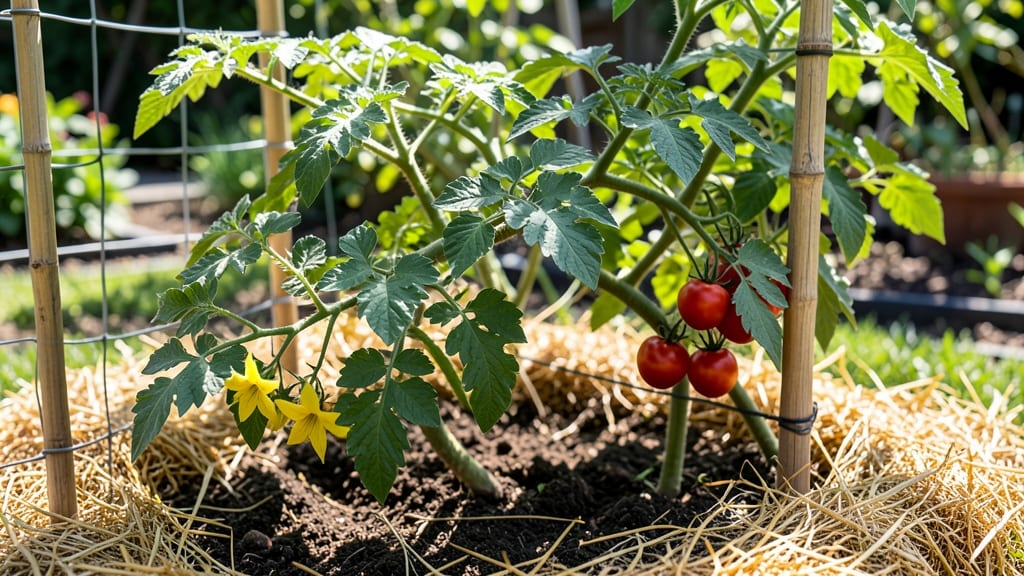
Growing Alaska Fancy tomatoes means you can finally have those striking striped heirlooms without fearing frost. 🌱 I’ve grown them in my Alaska garden for three seasons now, and they’ve become my go-to variety—they handle our cool summers better than any other tomato I’ve tried.
The secret lies in their cold tolerance and early ripening, but even that’s just the beginning of what makes them special.
These plants thrive in 50°F to 60°F soil temperatures, making them perfect for short Alaska summers. Start seeds indoors 8-10 weeks before your last frost, then transplant them into well-draining soil mixed with compost.
They need full sun (6+ hours daily), but unlike heat-loving varieties, they won’t bolt in our cooler climate. Water consistently—1-1.5 inches per week—and mulch to keep roots cool.
What you’ll end up with are vibrant red-and-yellow striped fruits that burst with flavor, even in our brief growing season. The plants stay compact (3-4 feet tall), so they’re great for containers or small spaces.
Prune suckers regularly to boost airflow and fruit production, and watch for common pests like tomato hornworms—just handpick them before they get too big.
Pair them with basil to improve flavor and deter pests, or grow them near onions to repel aphids. With the right care, you’ll harvest tomatoes earlier and more reliably than with heat-sensitive varieties. The payoff? A garden full of bold, cold-hardy tomatoes that taste like summer, even in Alaska’s chill.
📚 In This Guide
- What you need
- Instructions
- Tips and common mistakes
- Wrapping up and next steps
What you need
- ● Seeds: Alaska Fancy tomato seeds (1 packet, ~10-20 seeds)
- ● Seed-starting mix: Lightweight, sterile potting soil (1 small bag, 10-12 qt)
- ● Containers: Biodegradable pots or seed trays (10-12 units, 2-3" deep)
- ○ Grow lights (optional but helpful): LED or fluorescent (1 unit, 12-16 hrs/day)
- ● Fertilizer: Balanced organic fertilizer (e.g., 5-5-5 or compost tea)
- ● Transplanting pots: 1-gallon containers or nursery pots (6-8 units)
- ● Garden soil: Well-draining, amended with compost (enough for 1-2 raised beds or in-ground space)
- ● Tomato cages or stakes: 5-6 ft tall (6-8 units)
- ● Mulch: Straw or black plastic (1-2 bags, 2-3" thick layer)
- ● Watering can or hose: With a gentle spray nozzle
- ● Last frost date: Wait until soil is at least 50°F (10°C)—Alaska Fancy thrives in cooler temps!
- ● Sunlight: Full sun (6-8+ hours daily)—partial shade in extreme heat
- ● pH preference: Slightly acidic to neutral soil (6.0-7.0)
- ● Cold-hardy tip: Start seeds 6-8 weeks before transplanting for early harvests.
Step-by-step instructions for growing Alaska Fancy tomatoes
This cold-hardy variety rewards patience—follow these steps to coax those stunning striped fruits right through your short season.
🌱 Step 1: Start Seeds Indoors 8-10 Weeks Before Last Frost
Fill 2-3 inch deep seed trays with sterile seed-starting mix (never garden soil—it's too dense). Plant seeds ¼ inch deep, two per cell, since Alaska Fancy germinates slowly in cool conditions. Cover with a humidity dome and place in a warm spot—75-80°F speeds germination to 7-14 days.
Here's the thing—Alaska Fancy tolerates cooler germination temps than most tomatoes, but don't let soil dip below 60°F or seeds may rot. Once sprouts emerge, remove the dome immediately to prevent damping-off. You'll see first true leaves in 3-4 weeks—that's your cue to start hardening off.
☀️ Step 2: Harden Off and Transplant After All Frost Risk Passes
Begin hardening off 2 weeks before your last frost date by placing seedlings outside in partial shade for 1 hour daily. Gradually increase time and sun exposure over 10 days
Transplant after soil reaches 55°F and night temps stay above 45°F. Bury stems ⅔ deep to encourage strong root systems. Space plants 24-36 inches apart—they'll sprawl but produce fewer fruits if crowded. Water deeply at planting to eliminate air pockets around roots. Alaska Fancy tomatoes need 1-1.5 inches of water weekly, but more during fruit set. Water at soil level—not overhead—to prevent disease. You'll know moisture is right when top 2 inches of soil feel damp but not soggy. Mulch with 2-3 inches of straw to retain moisture and protect roots from late frosts. This variety thrives in cooler conditions, but don't let soil temps drop below 50°F—roots become sluggish. If your season runs short, use row covers until fruits begin ripening. The striped pattern develops best with consistent moisture, so maintain even watering once flowers appear. Remove suckers (side shoots) regularly to focus energy on fruit production. Alaska Fancy benefits from staking or caging—its indeterminate growth can reach 5-6 feet if unchecked. Prune lower leaves that touch soil to prevent disease, but leave some foliage for shade during Alaska's unpredictable weather. Here's where it gets fun—watch for the first pink blush on those striped fruits. Harvest when fully colored but still slightly firm. The bold stripes intensify after picking, so don't wait too long. In short seasons, you might only get 2-3 harvests, so savor each one. Protect young plants with floating row covers until soil warms in spring. In fall, use cold frames or low tunnels to extend harvest by 2-4 weeks. Alaska Fancy can tolerate light frosts (28°F) on established plants, but cover them if temps drop below 32°F. Real talk: Your first year might yield fewer fruits while plants establish roots. But by year two, these cold-loving tomatoes become prolific. Save seeds from your best fruits—the striped pattern isn't consistent, and you'll want to grow the most beautiful ones again next year.💧 Step 3: Water Deeply and Mulch to Protect Roots
✂️ Step 4: Prune and Support for Maximum Yield
⏰ Step 5: Extend Season with Row Covers and Cold Frames
Tips & tricks for growing Alaska Fancy tomatoes
Mastering these cold-climate tomatoes takes patience—here's how to give your plants the best shot at success.
Germination Temperature: Keep that seed-starting mix between 75-80°F for optimal germination, but don't panic if your home stays cooler. Alaska Fancy handles 60°F just fine—just avoid letting soil dip below that mark or seeds may rot. I've seen germination take up to 14 days in cooler conditions, so be patient.
Hardening Off Strategy: Start the 1-hour daily hardening off process 2 weeks before your last frost date, but don't rush the 10-day gradual increase. I've learned the hard way that sudden cold shocks can stunt fruit production—Alaska Fancy is tough, but not invincible. Watch for wilting as you increase exposure time.
Transplanting Technique: Bury those stems ⅔ deep when transplanting to encourage strong root systems. This might seem counterintuitive, but it works wonders for cold-hardy varieties. Space plants 24-36 inches apart—crowding reduces fruit yield significantly. Water deeply at planting to eliminate air pockets around roots, which helps establish plants faster.
Season Extension: Use floating row covers until soil warms in spring and again in fall to extend your harvest by 2-4 weeks. I've had success with cold frames too—they create microclimates that protect plants down to 28°F. Just remember to remove covers during the day for proper ventilation when temps rise above 50°F.
Pro Tips for Alaska Fancy Tomato
- Mastering these cold-climate tomatoes takes patience—here's how to give your plants the best shot at success.
- Germination Temperature: Keep that seed-starting mix between 75-80°F for optimal germination, but don't panic if your home stays cooler.
- Hardening Off Strategy: Start the 1-hour daily hardening off process 2 weeks before your last frost date, but don't rush the 10-day gradual increase.
Frequently asked questions
Got questions about growing Alaska Fancy tomatoes? You’re not alone—this bold, striped heirloom is a favorite, but it has unique needs! Here are answers to the most common queries to help you grow a thriving harvest.
What’s the best temperature range for Alaska Fancy tomatoes?
Alaska Fancy tomatoes love cool weather! Start seeds indoors at 65–75°F (18–24°C), then transplant outdoors once soil reaches 50°F (10°C)—they tolerate light frosts better than most varieties. If your summer heats up past 85°F (29°C), provide afternoon shade to prevent sunscald. Pro tip: Black plastic mulch warms soil faster in cold climates!
How long does it take for Alaska Fancy tomatoes to mature?
Expect 80–90 days from transplanting to ripe fruit, depending on your climate. In Alaska or the Pacific Northwest, count on the longer end of that range. Patience pays off! These tomatoes ripen unevenly, so check plants every 2–3 days in late summer for that signature green-and-purple striped perfection.
Can I grow Alaska Fancy tomatoes in containers?
They thrive in 5-gallon containers or larger with 12–18 inches of depth. Use a lightweight potting mix (avoid garden soil) and support vines with a cage or trellis. Just ensure containers get 6+ hours of sun and stay consistently moist. Bonus: Black containers absorb heat better in cool climates!
What pests should I watch for with Alaska Fancy tomatoes?
Common culprits include hornworms, aphids, and whiteflies. Handpick hornworms (they’re huge!) or spray with neem oil for mild infestations. Birds love the striped fruit—cover plants with floating row covers early on. Prevention tip: Interplant with basil or marigolds to deter pests naturally.
Why are my Alaska Fancy tomatoes cracking?
Cracking happens when soil moisture fluctuates wildly (e.g., dry spells followed by heavy rain). To prevent it:
- Water deeply 1–2 times per week (early morning is best).
- Avoid overhead watering to keep fruit dry.
- Mulch heavily to lock in moisture and regulate soil temp.
Wrapping up and next steps
Growing Alaska Fancy tomatoes is a rewarding adventure—especially for gardeners in cooler climates! 🌱 Their striking stripes and cold-hardy nature make them a standout choice, and with the right care, you’ll enjoy a bountiful harvest of flavorful, eye-catching fruit.
Whether you’re a seasoned gardener or a beginner, these tips will set you up for success.
Ready to take the next step? Start by prepping your soil this week—and don’t forget to share your progress with fellow gardeners! 🌟 Your garden (and taste buds) will thank you.