
Vegetables
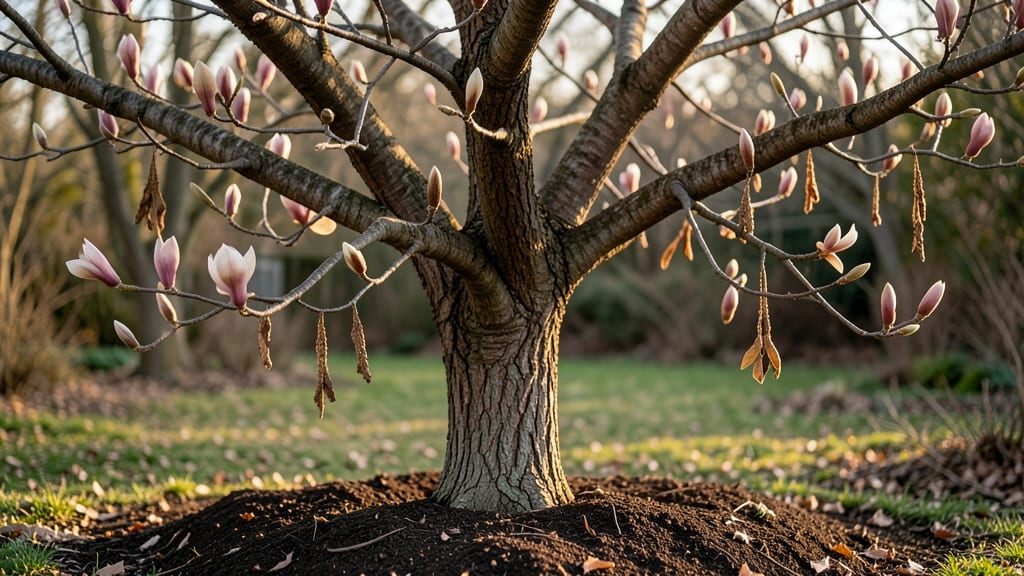
Your Ann magnolia can survive winter with the right care—it’s all about protecting its delicate blooms and roots from harsh cold. ✨ I’ve watched mine stand strong through snowstorms by following a few key steps that keep it healthy until spring.
The secret starts with mulching (3-4 inches of shredded bark or leaves) to insulate roots, plus wrapping the trunk with burlap to prevent frost cracks. Prune lightly in late winter to remove dead wood, but never cut back blooming branches—those are next year’s flowers!
With proper watering adjustments (deep but infrequent) and a watch for winter burn, your magnolia will push out fresh growth as soon as temperatures rise. The payoff? Stunning pink blooms that arrive earlier than ever.
Works for both young trees and mature specimens—just adapt the thickness of your mulch layer based on your zone’s severity.
📚 In This Guide
- What you need
- Instructions
- Tips and common mistakes
- Wrapping up and next steps
What you need
- ● Ann Magnolia plants: 1–3 mature trees (depending on space; standard size is 20–30 ft tall at maturity). Choose Magnolia grandiflora ‘Ann’ for cold-hardy, glossy foliage.
- ● Well-draining soil: Mix 50% native soil with 50% compost or peat moss (1–2 cubic yards per tree). Aim for a pH of 5.0–6.5.
- ● Mulch: 3–4 inches of organic mulch (pine bark, shredded leaves, or wood chips) to insulate roots in winter.
- ● Slow-release fertilizer: 10-10-10 or 8-3-9 blend (apply ½ cup per year of tree age in early spring).
- ● Garden trowel or spade (for planting/transplanting).
- ● Pruning shears (sterilized with rubbing alcohol) and loppers (for thicker branches).
- ● Garden hose or watering can (with a slow drip nozzle for deep watering).
- ● Wheelbarrow (for hauling soil/mulch).
- ● Gloves & long sleeves (thorn protection!).
- ● Burlap wraps (for young trees in harsh climates below Zone 7).
- ● Anti-desiccant spray (e.g., Wilt-Pruf) to prevent leaf burn in drying winds.
- ● Soil thermometer (to monitor root-zone temps; ideal range: 32–40°F).
- ● Drip irrigation kit (for automated winter hydration if rainfall is scarce).
How to care for Ann Magnolia trees in winter
Winter care is where Ann magnolias truly shine—here’s how to keep them vibrant through cold months.
☀️ Step 1: Protect Young Trees from Harsh Winds
Ann magnolias under 5 years old need extra shelter from drying winter winds. I wrap the trunk and lower branches of young trees with burlap or frost cloth before the first hard freeze. Secure it loosely—too tight restricts airflow, and that’s how fungal issues start.
Focus on the north and west sides of the tree where cold winds hit hardest. You’ll see the difference in spring when protected branches bloom earlier and stronger. For mature trees, skip this step unless your winters are below 10°F consistently.
💧 Step 2: Water Deeply Before Ground Freezes
Give your Ann magnolia a deep watering 2-3 weeks before the first hard frost. The goal is to saturate the soil 12-18 inches deep—that’s about the length of a standard trowel. You’ll know it’s right when water drains through the bottom of the hole you dug to check.
Mulch heavily with 3-4 inches of organic mulch (like shredded bark) after watering. This acts like a blanket, keeping roots insulated through temperature swings. Keep mulch 6 inches away from the trunk to prevent rot at the base.
✂️ Step 3: Prune Dead or Damaged Branches
Wait until late winter—after the worst cold snaps—to prune. I look for brown, brittle branches that snap easily when bent. These are dead and should be removed completely at the branch collar. Use clean, sharp pruners to make cuts at a 45-degree angle just outside the branch collar.
Never prune more than 25% of the tree’s canopy in one season. Ann magnolias bloom on old wood, so aggressive cuts reduce next year’s flowers. You’ll see new growth at the branch tips by early spring—this confirms you didn’t cut too aggressively.
🌱 Step 4: Monitor for Frost Damage and Treat Early
After a hard freeze (below 15°F), inspect the tree for blackened leaves or bark cracks. These are signs of frost damage. If you see it, don’t panic—Ann magnolias are tough. Prune only the most severely damaged branches in late winter, and the tree will recover.
For extra protection, spray the tree with anti-desiccant spray (like Wilt-Pruf) in late fall. This creates a temporary barrier that prevents moisture loss from leaves and bark. You’ll notice leaves stay greener longer through winter, and the tree looks healthier when spring arrives.
⏰ Step 5: Plan for Early Spring Fertilization
Ann magnolias wake up early, so I fertilize in late February or early March—just as buds begin to swell. Use a balanced 10-10-10 fertilizer spread evenly under the canopy. Water the soil first to help nutrients absorb quickly.
This timing gives roots time to absorb nutrients before new growth starts. You’ll see stronger, darker green leaves by mid-spring, and the tree will put more energy into blooming. Avoid fertilizing in fall—it encourages tender new growth that won’t survive winter.
Tips & tricks for frost-proof Ann Magnolia care
Winter can be tough on these beauties—but these tricks will keep your Ann magnolia thriving even when temps drop.
Wind Protection Wisdom: When wrapping young trees with burlap or frost cloth, leave the south and east sides exposed. This prevents moisture buildup that can lead to fungal problems. I also recommend using breathable materials—plastic wrap traps moisture and creates the perfect environment for rot. For extra security in extreme cold (10°F), add a layer of straw or pine needles around the base to create a windbreak barrier.
Deep Watering Technique: The 2-3 weeks before frost is your only chance for deep watering, so make it count. I dig a hole about 18 inches deep near the tree and fill it with water—when it drains completely, I know the roots are properly hydrated. For clay-heavy soils, add a handful of sand to improve drainage. This prevents winter desiccation when roots can't absorb moisture from frozen ground.
Pruning Precision: Late winter pruning is your chance to clean up, but timing matters. Wait until after the worst cold snaps but before buds swell—typically February to early March in most climates. Look for branches that are completely brown and brittle; these are dead and should be removed. For stubborn branches, make a small cut first and wait a week to see if it bleeds sap—if it doesn't, it's dead and ready for removal.
Frost Damage Rescue: If you spot blackened leaves or cracked bark after a hard freeze (below 15°F), don't panic. Ann magnolias are resilient! Prune only the most severely damaged areas in late winter, and the tree will regenerate. For extra protection next winter, consider wrapping the trunk with tree wrap or even old pantyhose filled with straw—it creates an insulating barrier against temperature swings.
Pro Tips for Ann Magnolia In Winter
- Winter can be tough on these beauties—but these tricks will keep your Ann magnolia thriving even when temps drop.
- Wind Protection Wisdom: When wrapping young trees with burlap or frost cloth, leave the south and east sides exposed....
- Deep Watering Technique: The 2-3 weeks before frost is your only chance for deep watering, so make it count. I dig a ...
Frequently asked questions
How cold can Ann Magnolia actually handle?
The Ann Magnolia variety is bred for resilience, surviving temperatures down to 15–20°F (-9 to -7°C) with proper protection. Mulch heavily (4–6 inches) and use row covers or cold frames for extra safety. Pro tip: If snow covers the plants, leave it—it acts as an insulating blanket!
Will my Ann Magnolia still produce in winter?
While growth slows dramatically in freezing temps, Ann Magnolia can still yield small, hardy greens under ideal conditions (greenhouses, hoop houses, or heavily insulated beds). Expect reduced but consistent harvests—think of it as a "slow cook" for winter resilience.
What if my leaves turn yellow or wilt in the cold?
Yellowing or wilting is often a sign of transplant shock or frost damage. Trim affected leaves immediately to redirect energy. For severe cases, prune back 1/3 of the plant to encourage new growth. Troubleshoot: Check for pests (like aphids) hiding under mulch—spray with neem oil if needed.
Can I grow Ann Magnolia indoors for winter?
Use deep containers (12+ inches) with a south-facing window or grow lights. Keep soil temps above 50°F (10°C) and fertilize lightly every 4–6 weeks. Warning: Indoor plants may bolt (go to seed) faster—harvest young leaves to delay flowering.
Are there winter-hardier alternatives to Ann Magnolia?
If you’re in Zone 5 or colder, consider:
- Winterbor kale (survives to -20°F/-29°C)
- Swiss chard ‘Bright Lights’ (colorful and cold-tolerant)
- Spinach ‘Winter Bloomsdale’ (harvests even under snow)
Wrapping up and next steps
Ann Magnolia in winter isn’t just about survival—it’s about transforming your garden into a vibrant, frost-proof masterpiece. 🌿 With the right care, this hardy plant thrives even when temperatures drop, offering year-round color and resilience.
Whether you’re a seasoned gardener or just starting, its low-maintenance charm makes it a perfect addition to any outdoor space.
Ready to give it a try? Start by selecting your Ann Magnolia variety and follow the steps above to plant or maintain it. Before you know it, your winter garden will be bursting with life—one stunning bloom at a time! 🌸