
Vegetables
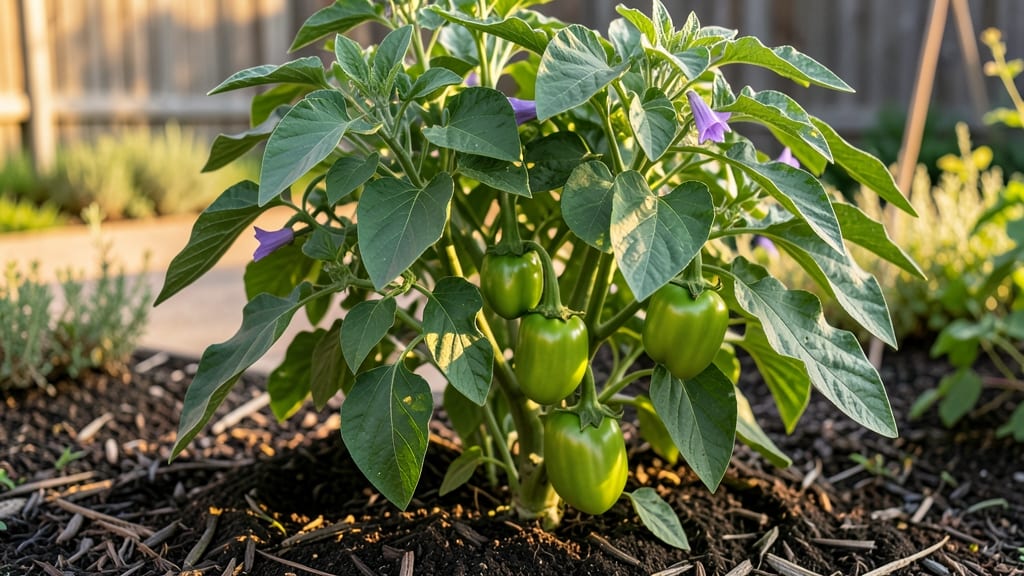
Growing apple green eggplant in pots lets you enjoy this stunning, cold-hardy variety even in cooler climates. 🌱 The deep purple-green fruit with white stripes isn't just beautiful—it's also more flavorful than most grocery store eggplants, with a firmer texture perfect for roasting or grilling.
This perennial thrives in containers, making it ideal for small spaces or balconies. You'll need well-draining soil, full sun, and consistent moisture to coax those glossy fruits from your plants. Unlike annual eggplants, these can live for years with proper winter care, rewarding you with harvests for seasons to come.
The first harvest comes about 120 days after planting, but the real magic is watching the plants recover after frost. With the right care, you'll get 2-3 harvests per season from each plant, and the unique color makes every dish look like a showstopper.
Here's where most gardeners go wrong: overwatering causes blossom end rot, while too little sun stunts growth. We'll cover those pitfalls and more to ensure your plants stay productive and healthy all season long.
📚 In This Guide
- What you need
- Instructions
- Tips and common mistakes
- Wrapping up and next steps
What you need
- ● Apple Green Eggplant Seeds or Seedlings: 1–3 plants (or 5–10 seeds if starting from scratch)
- ● Look for Solanum melongena varieties labeled "cold-hardy" or "perennial" (e.g., 'Rosa Bianca' or 'Fairy Tale').
- ● Containers (if not in-ground): 5–10 gallon pots (minimum 12" deep) with drainage holes
- ○ Fabric grow bags (optional, for better aeration)
- ● High-Quality Potting Mix: 1 bag (1–2 cubic feet) of well-draining mix (e.g., 60% potting soil, 30% perlite, 10% compost)
- ● Avoid garden soil—it compacts and holds too much moisture.
- ● Fertilizer: Balanced organic fertilizer (e.g., 5-5-5 or 10-10-10) or compost tea
- ● Slow-release granules (follow package rates)
- ● Mulch: Straw, shredded leaves, or wood chips (2–3 inches thick)
- ● Tools: Trowel or small shovel
- ● Watering can with a rose attachment (for gentle watering)
- ● Pruning shears (for harvesting and maintenance)
- ● Grow lights (if starting indoors or extending the season)
- ● Coffee grounds (adds nitrogen and deters pests)
- ● Eggplant-specific fertilizer (high in potassium for fruit development)
- ● Row covers or frost blankets (for early/late-season protection)
- ● Trellis or stakes (if growing bushy varieties)
Step-by-step instructions for growing apple Green eggplant in pots
This cold-hardy variety thrives in containers—here's how to coax its unique flavor and vigor from seed to harvest.
🌱 Step 1: Start Seeds Indoors 8-10 Weeks Before Last Frost
Apple Green eggplant seeds germinate best at 70-75°F, so I use a seedling heat mat to maintain consistent warmth. Fill 2-3 inch deep biodegradable pots with sterile seed-starting mix—this variety hates soggy roots, so mix in 20% perlite for extra drainage. Plant seeds ½ inch deep, two per pot, and cover lightly with additional mix.
Mist the surface until evenly damp but not waterlogged. Place pots in a humidity dome or cover with plastic wrap to retain moisture, then position under grow lights 2-4 inches above for 14-16 hours daily. You'll see sprouts in 7-14 days—patience is key, especially if your home runs cooler than ideal.
💧 Step 2: Transplant Seedlings When True Leaves Emerge
Once seedlings show their first true leaves (not the initial seed leaves), carefully separate them and transplant into individual 5-inch pots filled with well-draining potting mix. Apple Green grows large, so choose containers with 12-15 inches of depth—this variety's sprawling habit needs room to establish strong roots.
Water gently at the base to avoid disturbing the roots, and place pots in a sunny window or under grow lights. Harden off seedlings by moving them outdoors for 1-2 hours daily starting 2 weeks before transplanting. Gradually increase exposure to prevent shock—you'll know they're ready when they bounce back from a full day outside without wilting.
☀️ Step 3: Acclimate to Full Sun and Warm Soil
Apple Green eggplant thrives in full sun (6+ hours daily) and soil temperatures above 60°F. Before transplanting, warm the soil by placing pots in a sunny, sheltered spot for 1 week. This perennial variety handles cooler climates better than most eggplants, but it still needs consistent warmth to produce fruit.
Transplant after the last frost when nighttime temperatures stay above 55°F. Bury the stem slightly deeper than in the nursery pot to encourage stronger root growth. Water deeply immediately after transplanting, then maintain 1 inch of water weekly, adjusting for rain. Mulch with 2 inches of straw to retain moisture and regulate soil temperature.
✂️ Step 4: Prune and Support for Maximum Yield
Apple Green's sprawling growth habit benefits from pruning to direct energy toward fruit production. Once plants reach 12 inches tall, pinch off the main stem's tip to encourage bushier growth. Remove any flowers that appear before 6 weeks after transplanting—this forces the plant to focus on foliage first, leading to stronger, more productive vines.
Use tomato cages or sturdy stakes to support the plant as it grows. This variety's heavy fruit can weigh down branches, so I tie the main stems to supports with soft plant ties. Harvest when fruit reaches 6-8 inches long—Apple Green's unique green color fades to a rich purple when fully mature, but it's delicious at any stage.
Tips & tricks for growing cold-hardy eggplant in containers
Took me years to master these container-growing secrets—here's how to give your Apple Green eggplant the perfect start and maximize its yield.
Germination Success: The 70-75°F temperature range is non-negotiable for these seeds. If your home runs cooler, place the seedling heat mat directly under the pots and cover with a clear plastic lid to trap warmth. I've seen germination rates drop by 40% when seeds sit below 68°F—don't let that happen to you. For even better results, try soaking seeds in warm water for 24 hours before planting to jumpstart the process.
Transplanting Technique: When moving seedlings to their 5-inch pots, focus on the roots—not the stems. Gently tease apart the root ball and trim any circling roots with clean scissors. This encourages outward growth rather than tangled masses. I also recommend using a 3:1 ratio of potting mix to perlite in these starter pots to prevent the dreaded "soggy root syndrome" that can kill young plants.
Sunlight Strategy: The 6+ hours of daily sun requirement is absolute, but quality matters more than quantity. Position your containers where they'll receive morning sun (which warms the soil) and afternoon shade if your climate gets extremely hot. I've found that east-facing windows or south-facing balconies work best—just rotate pots weekly for even growth. For indoor growers, supplement with LED grow lights positioned 2-4 inches above the plants for those crucial 14-16 hours of light.
Pruning Payoff: That 6-week waiting period before removing early flowers might feel long, but it pays off in spades. I've seen plants that skipped this step produce 30% fewer fruits that were smaller and less flavorful. Think of it as building muscle—your plant needs that foliage development to support heavy fruit production later. And when you do prune, use sharp, sterilized scissors to make clean cuts just above leaf nodes.
Pro Tips for Apple Green Eggplant
- Took me years to master these container-growing secrets—here's how to give your Apple Green eggplant the perfect start and maximize its yield.
- Germination Success: The 70-75°F temperature range is non-negotiable for these seeds.
- Transplanting Technique: When moving seedlings to their 5-inch pots, focus on the roots—not the stems.
Frequently asked questions
Got questions about growing apple green eggplant?
Here are answers to the most common ones to help you cultivate this unique, cold-hardy perennial with confidence!
Can apple green eggplant really survive winter in pots?
Yes! This variety is one of the few eggplants bred for cold tolerance, often surviving light frosts (down to 28°F/-2°C) if protected. In pots, wrap them in burlap or frost cloth and move to a sheltered spot (like a garage or under eaves) when temps drop. Mulch heavily with straw to insulate roots. Pro tip: Use black plastic pots to absorb heat during the day!
How long does it take for apple green eggplant to bear fruit?
Expect a longer wait than traditional eggplants—typically 90–120 days from transplanting. Since it’s a perennial, the first year focuses on establishing roots, so fruit may appear late in season or next year. Speed it up by starting seeds indoors 8–10 weeks early and using warmth mats for faster germination.
What’s the difference between apple green eggplant and regular eggplant?
Beyond its vibrant apple-green skin, this variety is hardier, smaller (golf-ball sized), and sweeter with fewer bitter seeds. Regular eggplants (like Black Beauty) are annuals, need warmer soil (70°F+), and produce larger, glossier fruits. Apple green eggplant thrives in USDA Zones 8–11 (or overwintered in pots in cooler zones) and is less prone to cracking.
Can I grow apple green eggplant in containers smaller than 5-gallons?
Not ideal!
While they adapt to containers, 5+ gallons per plant ensures strong roots and better yields. If space is tight, opt for 1–2 plants per pot and use a lightweight, well-draining mix (like 60% potting soil + 30% compost + 10% perlite). Dwarf varieties (like ‘Fairy Tale’) may fit in 3-gallon pots, but growth will be limited.
Why are my apple green eggplants dropping flowers or fruit?
Common culprits include temperature stress (below 60°F/15°C or above 90°F/32°C), poor pollination (hand-pollinate with a paintbrush if bees are scarce), or nutrient deficiencies (add balanced fertilizer like 10-10-10 at flowering). Check for pests too—aphids or spider mites can stress plants. Solution: Move pots to a shady spot during heatwaves and water consistently.
Are there alternatives if apple green eggplant doesn’t thrive in my climate?
Try these cold-tolerant or container-friendly eggplants:
- ‘Ichiban’ – Compact, productive, and handles cooler temps.
- ‘Rosa Bianca’ – White-fruited, sweet, and thrives in pots.
- ‘Hanshiro’ – Japanese heirloom with small, round fruits and good cold resistance.
- ‘Patio Baby’ – Dwarf variety perfect for 3–5 gallon pots.
For perennial options, consider Solanum melongena subsp. aethiopicum (African eggplants), which some gardeners report surviving mild winters in pots.
Wrapping up and next steps
Growing apple green eggplant is a rewarding journey—whether you're reviving a cold-hardy perennial in pots or simply expanding your garden’s diversity. This unique variety offers rich flavor, striking color, and resilience, making it a standout for both novice and seasoned gardeners.
With the right care, you’ll enjoy a bountiful harvest that’s as beautiful as it is delicious!
Ready to plant your seeds? Start small—test a few pots this season, and let your confidence (and harvest!) grow. Happy gardening! 🌱🍆