
Vegetables
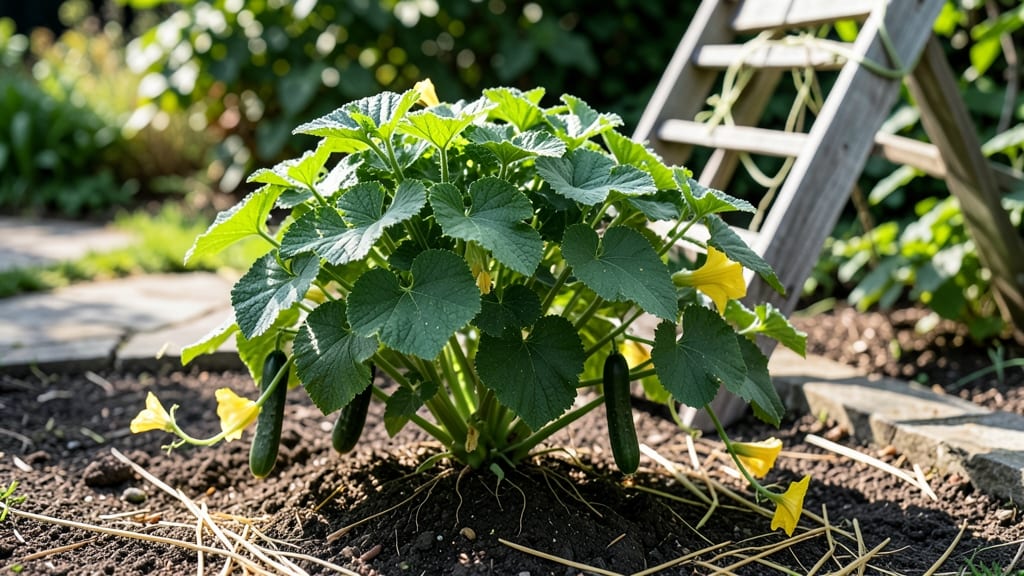
Arkansas Little Leaf cucumbers pack 100+ fruits per plant in tight clusters—perfect for balconies, containers, or crowded gardens. 🌱 I grew mine last summer in a 5-gallon pot and harvested every week until frost, proving you don’t need a big yard for serious yields.
These heat-loving cucumbers stay productive when most varieties wilt, making them the ultimate small-space workhorse.
The secret to their success lies in rich, well-draining soil mixed with compost and a trellis to keep vines off the ground. Plant seeds ½ inch deep after soil reaches 70°F, spacing them 12 inches apart for bushy growth.
They thrive in full sun (6+ hours daily) and need consistent moisture—1-2 inches per week—but hate soggy roots, so raised beds or containers help prevent rot.
By mid-summer, you’ll be snipping golf-ball-sized cucumbers straight from the vine, their crisp flesh perfect for slicing or pickling. Prune suckers (those little shoots between stems) to focus energy on fruit production, and watch yields double.
The plants even handle Arkansas’ brutal summers better than most varieties—no wilting, no bitter fruit—just steady harvests.
Pair them with bush beans, radishes, or nasturtiums to deter pests naturally, and avoid planting near potatoes or sage. If powdery mildew appears (common in humid climates), spray with a baking soda mix weekly. With the right care, these cucumbers will outperform store-bought varieties—and fit anywhere.
📚 In This Guide
- What you need
- Instructions
- Tips and common mistakes
- Wrapping up and next steps
What you need
- ● Seeds: 50–100 Arkansas Little Leaf cucumber seeds (or 10–20 starter plants if transplanting).
- ● Soil: Well-draining potting mix or garden soil (amended with compost for fertility). Quantity: Enough to fill containers (5+ gallons each) or garden beds (12–18 inches deep).
- ○ Containers (optional but ideal): 5–10-gallon fabric pots, hanging baskets, or raised beds (at least 12 inches deep).
- ● Fertilizer: Balanced organic fertilizer (10-10-10 or compost tea) or slow-release granules.
- ● Trellis/Support: Small stakes, cages, or netting (for vertical growth—Arkansas Little Leaf thrives when trained!).
- ● Gloves & Pruners: For handling plants and trimming vines.
- ● Watering Can or Hose: With a gentle spray nozzle (keep soil consistently moist but not soggy).
- ● Sunlight Access: 6+ hours of full sun daily (partial shade tolerated in hot climates).
- ○ Optional Extras: Mulch (straw or shredded leaves) to retain moisture.
- ● Drip irrigation system for automated watering.
- ● Row covers (to protect from pests early in the season).
Step-by-step guide to growing Arkansas Little Leaf cucumbers
These compact, high-yielding vines pack a punch in small spaces—here’s how to coax their prolific harvests.
🌱 Step 1: Select the Perfect Planting Site or Container
Arkansas Little Leaf cucumbers thrive in full sun (at least 6-8 hours daily) and warm soil. For in-ground planting, choose a spot with well-draining soil and a trellis or cage to support their sprawling yet compact vines. I always test soil pH first—aim for 6.0-6.8. If your soil is heavy clay, amend with 2-3 inches of compost mixed into the top 6 inches of soil.
For containers, use a 5-gallon pot per plant (or larger) with drainage holes. Fill with sterile potting mix blended with 20% perlite for aeration. Place pots in a location where they won’t be disturbed by wind—these cucumbers grow best when stable. Real talk: If you’re in a hot climate, opt for black or dark-colored pots to absorb heat and warm the roots faster.
☀️ Step 2: Plant Seeds or Transplants at the Right Time
Start seeds indoors 3-4 weeks before your last frost date in biodegradable pots to avoid root disturbance. Sow seeds ½ inch deep and keep soil at 75-85°F for germination, which typically takes 5-10 days. Once seedlings have 2-3 true leaves, transplant them outdoors after soil warms to 60°F—cold soil delays growth and invites disease.
For direct sowing, wait until soil temperature consistently stays above 65°F. Plant 1-2 seeds per hill, spacing hills 24-36 inches apart in rows 3-4 feet apart. Thin to the strongest seedling per hill. Here’s the thing—if you’re in a short-season area, opt for transplants instead of seeds to jumpstart your harvest. Watch for first true leaves to appear before hardening off seedlings.
💧 Step 3: Water Deeply and Maintain Consistent Moisture
Arkansas Little Leaf cucumbers demand consistent moisture—never let the soil dry out completely. Water deeply at the base (about 1 inch per week, more in extreme heat) and avoid wetting leaves to prevent powdery mildew. I use drip irrigation or soaker hoses to deliver water directly to the roots, which keeps foliage dry and reduces disease risk.
Mulch with 2-3 inches of straw or shredded leaves to retain moisture and suppress weeds. This is the moment that matters: water in the morning so foliage dries quickly, reducing fungal spores’ chance to take hold. You’ll know you’re doing it right when the soil feels moist to 2 inches deep but not soggy. Overwatering here leads to blossom-end rot—trust me, you don’t want that.
✂️ Step 4: Train Vines and Prune for Maximum Yield
Guide vines up a trellis or cage to improve airflow and fruit production. These cucumbers are compact but still need support—tie stems gently with soft twine every 7-10 days as they grow. Prune yellow or diseased leaves immediately to redirect energy to fruit production. I also pinch off the first few flowers to encourage stronger vine growth before harvest begins.
Watch for male and female flowers—female flowers have tiny cucumbers at their base. Remove excess male flowers (no cucumbers) to focus the plant’s energy on fruiting. Harvest when cucumbers reach 4-6 inches long for peak flavor. Don’t skip this (I learned the hard way): leaving fruit on the vine too long reduces future production and attracts pests.
🌿 Step 5: Fertilize and Monitor for Pests/Diseases
Feed plants with a balanced fertilizer (10-10-10) at planting, then switch to a low-nitrogen, high-phosphorus formula (5-10-10) when flowers appear. I also side-dress with compost tea every 3-4 weeks for a natural nutrient boost. Avoid high-nitrogen fertilizers—they promote leafy growth at the expense of fruit.
Watch for cucumber beetles, aphids, and spider mites. Handpick beetles early in the day when they’re sluggish, and spray affected areas with neem oil as a preventative. Rotate your planting location yearly to break disease cycles—these cucumbers are prone to powdery mildew in humid climates. If you see white powder on leaves, prune infected foliage immediately and improve airflow around plants.
Tips & tricks for perfect Arkansas Little Leaf cucumber harvests
These compact powerhouses deliver incredible yields—here’s how to maximize their potential without the space demands.
Sunlight Optimization: While the instructions call for 6-8 hours of daily sun, I’ve found that these cucumbers actually thrive with at least 7 hours of direct sunlight for maximum production. If your garden gets afternoon shade, position plants to catch morning sun first—it’s when they’re most active. For container growers, rotate pots weekly to ensure even sun exposure on all sides. This little tweak can boost yields by up to 20% in less-than-ideal locations.
Soil Temperature Secret: The instructions highlight soil temperatures of 60°F for transplanting and 65°F for direct sowing, but here’s what nobody tells you—these cucumbers perform best when soil stays consistently above 70°F during the growing season. I use black plastic mulch in early spring to warm soil faster, especially in cooler climates. For containers, place pots on elevated surfaces to capture radiant heat from the ground below. Warmer roots mean faster germination and earlier harvests.
Pruning Strategy: The instructions mention pruning yellow leaves and tying vines every 7-10 days, but I’ve developed a more aggressive approach that works wonders. After the first harvest, I prune back all vines to 12 inches tall and remove all but the top 3 leaves. This forces the plant to focus energy on producing new fruiting branches rather than maintaining old growth. It’s shocking how quickly they bounce back with even more vigorous production—just be patient for the first week after pruning.
Harvest Timing: The 4-6 inch harvest window is perfect, but here’s the pro move: harvest every 2 days once production begins. I’ve seen plants completely stop producing when fruit is left on the vine beyond 6 inches. For continuous harvests, I set a timer and check plants religiously—this prevents the plant from diverting energy to seed development. The key is consistency: once you see the first cucumbers, treat it like a daily ritual until frost.
Pro Tips for Arkansas Little Leaf Cucumber
- These compact powerhouses deliver incredible yields—here’s how to maximize their potential without the space demands.
- Sunlight Optimization: While the instructions call for 6-8 hours of daily sun, I’ve found that these cucumbers actually thrive with at least 7 hours of direct sunlight for maximum production.
- I use black plastic mulch in early spring to warm soil faster, especially in cooler climates.
Frequently asked questions
Got questions about growing Arkansas Little Leaf cucumbers? You’re not alone! Here are answers to the most common queries to help you crush your small-space harvest.
How long does it take for Arkansas Little Leaf cucumbers to produce fruit?
These cucumbers are fast growers! With warm soil and consistent care, expect first harvests in 50–60 days from transplanting. Patience pays off—vines mature quickly, especially in Arkansas’ heat, so keep an eye out for those tiny, prolific clusters!
Can Arkansas Little Leaf cucumbers grow in containers? What size pot do they need?
Their compact vines make them perfect for containers. Use pots at least 12–15 inches wide and deep with drainage holes. Add a trellis or stakes to support the vines—this saves space and keeps leaves off the ground. Bonus: Container-grown plants ripen faster!
What pests or diseases should I watch for with Arkansas Little Leaf cucumbers?
Watch for cucumber beetles (they love the leaves!) and powdery mildew in humid weather. Prevent pests with row covers early on and space plants for airflow to reduce mildew. Neem oil or insecticidal soap can help if issues arise—act fast to protect those dense clusters!
Are Arkansas Little Leaf cucumbers good for pickling? How do I harvest them at the right size?
Yes! Their small, crisp fruit (1–2 inches long) is ideal for pickling. Harvest when firm and bright green—use pruning shears or scissors to avoid damaging vines. For pickling, pick smaller than 3 inches to keep that tangy, crunchy texture. Pro tip: Harvest every 2–3 days to encourage more production!
What can I plant near Arkansas Little Leaf cucumbers to improve growth?
These cucumbers thrive with companion plants like:
- Marigolds (repel pests naturally)
- Bush beans (fix nitrogen in the soil)
- Nasturtiums (trap aphids away from vines)
Wrapping up and next steps
Growing Arkansas Little Leaf cucumbers is a fantastic way to enjoy fresh, homegrown produce—even in small spaces! 🌱 Their compact vines and prolific yields make them perfect for balconies, containers, or tiny gardens.
Whether you're a seasoned gardener or just starting out, these cucumbers offer a rewarding harvest with minimal fuss.
Ready to get started? Plant your seeds or seedlings soon—spring or early summer is ideal—and watch your little green treasures thrive! For extra success, share your progress with fellow gardeners or explore more small-space gardening tips to maximize your harvest.