
Vegetables
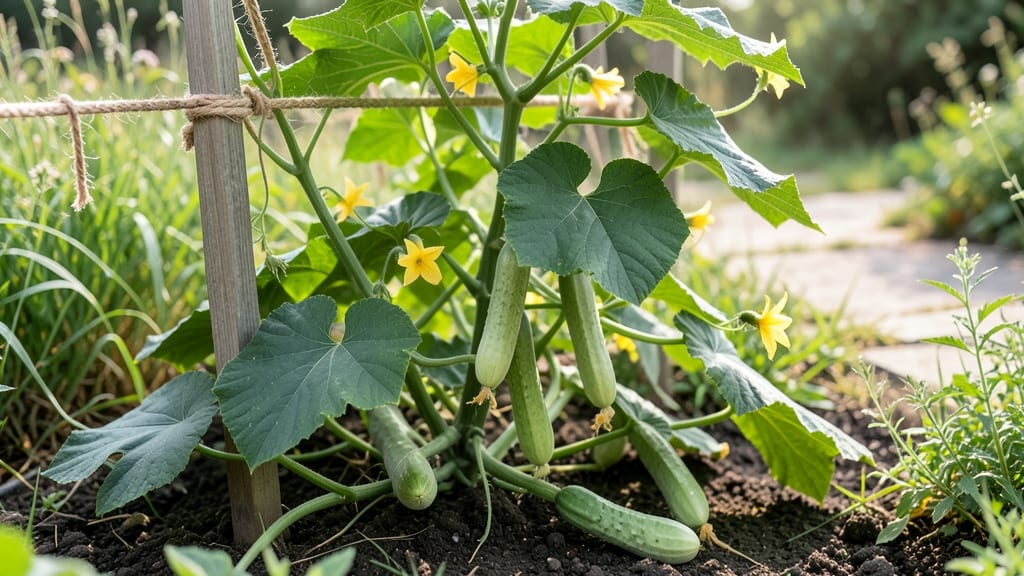
Growing Armenian Pale Green cucumbers means harvesting crisp, striped gems that outshine store-bought varieties. 🌱 These heirloom cucumbers, with their delicate pale green stripes and tender skin, thrive where other cucumbers wilt—cool climates and short seasons.
I planted mine in May, and by July, I was harvesting 6-inch cucumbers that tasted like summer in a single bite. The secret lies in their adaptability: they tolerate cooler temperatures better than most cucumbers and produce prolifically in containers or small plots.
You’ll need well-draining soil rich in compost, consistent moisture (about 1 inch per week), and a sturdy trellis to keep vines climbing and fruits clean. Unlike their heat-loving cousins, these cucumbers reward patience with a longer harvest window—sometimes until first frost.
By midseason, you’ll watch vines explode with 12-18 inch tendrils bearing cucumbers that stay crisp even when fully grown. The flavor? A perfect balance of sweetness and crunch, with none of the bitterness that plagues neglected store-bought varieties. They’re ideal for pickling, slicing, or snacking straight from the vine.
Perfect for gardeners in zones 3-8 or those with short growing seasons. Start seeds indoors 4-6 weeks before last frost, or direct-sow after soil reaches 55°F. The key is keeping them happy in cooler weather—these cucumbers prove you don’t need a greenhouse to grow something extraordinary.
📚 In This Guide
- What you need
- Instructions
- Tips and common mistakes
- Wrapping up and next steps
What you need
- ● Armenian Pale Green Cucumber Seeds – 5–10 seeds (or 2–3 plants if starting with seedlings). Look for heirloom or organic seeds for best results!
- ● Potting Soil or Garden Soil – 10–15 gallons of well-draining, fertile soil (pH 6.0–6.8). Mix in compost for extra nutrients!
- ● Organic Compost or Fertilizer – 1–2 cups per plant (balanced 10-10-10 or compost tea works great).
- ● Mulch (Straw or Grass Clippings) – 2–3 inches to retain moisture and suppress weeds.
- ● Garden Trowels or Transplanting Spade – For digging and planting.
- ● Watering Can or Hose with Gentle Nozzle – Consistent moisture is key!
- ○ Trellis or Cage (Optional but Recommended) – 4–6 feet tall to support vines.
- ● Pruning Shears – For trimming excess vines and encouraging bushier growth.
- ○ Gloves (Optional) – To protect your hands while handling soil or thorny vines.
- ● A sunny location with at least 6–8 hours of direct sunlight daily.
- ● Access to water for consistent hydration (1–2 inches per week).
- ● Patience! These cucumbers thrive in cool climates (55–75°F) but need time to mature (70–80 days).
How to grow Armenian Pale Green cucumbers in cool climates
Cool weather won't stop these striped beauties—here's how to grow them thriving where others fail.
🌱 Step 1: Start Seeds Indoors 4-6 Weeks Before Last Frost
Armenian Pale Green cucumbers need a long growing season, so begin seeds indoors under grow lights or in a sunny window. Use 2-3 inch deep biodegradable pots to avoid transplant shock—these cucumbers have sensitive roots. Fill pots with seed-starting mix and plant 1-2 seeds per cell at ½ inch depth.
Keep soil consistently moist but never soggy—damping-off disease will wipe out seedlings overnight. Place pots in a warm spot (70-75°F) until germination, which typically occurs in 5-10 days. Once sprouts appear, move them to a south-facing window or under grow lights for 14-16 hours daily.
Here's the thing—Armenian cucumbers grow best with strong stems. If seedlings look leggy (thin and stretched), your light isn't intense enough. Move the grow light within 2-3 inches of the plants immediately. You'll see stockier growth within days.
☀️ Step 2: Harden Off and Transplant After All Frost Risk Passes
Two weeks before your last frost date, begin hardening off seedlings by placing them outside in a sheltered spot for 1-2 hours daily. Gradually increase exposure over 10-14 days, ending with full sun. These cucumbers tolerate cooler temperatures better than most, but sudden cold snaps will stunt growth.
Transplant after all frost risk has passed and soil reaches 60°F+. Choose a location with full sun (6+ hours daily) and well-draining soil. Armenian cucumbers perform best in slightly acidic to neutral soil (pH 6.0-7.0). Space plants 12-18 inches apart in rows 3 feet apart to allow for trellising.
Don't rush the transplanting. If nighttime temperatures dip below 50°F, delay until conditions warm. These cucumbers will still produce, but yields will be smaller. Bury the stem slightly deeper than in the seedling pot—this encourages stronger root development.
🪴 Step 3: Provide Support and Consistent Moisture
Armenian Pale Green cucumbers thrive on vertical support. Install a 5-6 foot tall trellis or sturdy stakes at planting and train vines upward as they grow. This improves air circulation, reduces disease risk, and makes harvesting easier. Use soft twine or plant clips to secure vines without damaging them.
Water consistently—these cucumbers need 1-1.5 inches of water weekly, more during fruit production. Let the top 1-2 inches of soil dry between waterings to prevent root rot. Drip irrigation or soaker hoses work best, delivering moisture directly to the roots without wetting foliage (which invites fungal diseases).
Here's what I do: I water in the morning so foliage dries quickly. Armenian cucumbers are less prone to powdery mildew than other varieties, but proper spacing and airflow are still critical. Mulch around plants with 2-3 inches of straw to retain moisture and suppress weeds.
✂️ Step 4: Prune and Harvest for Continuous Production
Prune suckers (the small shoots that grow in the leaf axils) to direct energy toward fruit production. Remove suckers when they're 2-3 inches long—this prevents overcrowding and improves airflow. Leave the main vine and lateral branches intact; these are the fruit-bearing stems.
Harvest cucumbers when they reach 6-8 inches long and develop their signature pale green stripes. Check plants every 2-3 days—overripe cucumbers turn bitter and attract pests. Use pruning shears or a sharp knife to cut stems, leaving ½ inch of stem attached to the fruit.
Real talk: These cucumbers produce prolifically if kept picked. I harvest 6-8 cucumbers per plant weekly during peak season. If you miss a harvest, cucumbers will continue growing but may become seedy and less flavorful. Store harvested cucumbers in the refrigerator for up to 1 week.
🌿 Step 5: Extend the Season with Row Covers or Greenhouses
Armenian Pale Green cucumbers tolerate cooler temperatures than most varieties, but a lightweight row cover extends the growing season even further. Install covers in early spring to warm soil and protect young plants from late frosts. Remove covers when daytime temperatures reach 70°F+ to prevent overheating.
For fall production, use row covers again after the first frost. These cucumbers will keep producing until hard frosts (28°F or below). In colder climates, consider growing them in a cold frame or unheated greenhouse for year-round harvests. Just ensure adequate ventilation to prevent humidity buildup.
This is the moment that matters: If you live in Zone 4 or colder, start a second batch of seeds indoors in late winter. With proper care, you can enjoy fresh Armenian Pale Green cucumbers from early summer through fall—sometimes even into winter with protection.
Tips & tricks for growing Armenian Pale Green cucumbers in cool climates
Here's what nobody tells you about making these cool-climate cucumbers truly thrive—and how to avoid the mistakes that waste your effort.
Lighting Strategy for Strong Seedlings: In Step 1, when you're keeping seedlings under grow lights for 14-16 hours daily, position the lights just 2-3 inches above the seedlings to prevent legginess. I learned this the hard way after growing spindly plants that couldn't support themselves. Use a timer to automate light cycles—this ensures consistent 14-16 hours without you having to remember. The key is simulating natural daylight intensity, which triggers stronger stem development.
Soil Temperature Check Before Transplanting: Don't rush transplanting in Step 2 just because frost risk has passed. Use a soil thermometer to confirm your soil has reached at least 60°F before planting. I've seen growers transplant too early when soil is still cool (50-55°F), which results in stunted growth. These cucumbers are more cold-tolerant than most, but root development suffers below 60°F. For extra insurance in cooler climates, use black plastic mulch to warm the soil 2-3 days before transplanting.
Pruning Technique for Maximum Yield: When pruning suckers in Step 4, focus on removing only those that are 2-3 inches long—never cut the main vine or lateral branches. I've seen beginners over-prune, which actually reduces yield. The main vine and lateral branches are where the fruit develops, so preserve them while removing only the non-fruiting suckers. This redirection of energy produces 6-8 cucumbers per plant weekly during peak season, as mentioned in the instructions.
Season Extension Hack: For fall production in Step 5, use a combination of row covers and black plastic mulch. The mulch warms the soil while the row cover protects from light frosts. I've extended harvests in Zone 5 until November by using this combo—sometimes even into December with a cold frame. The secret is removing covers during the day when temperatures rise above 70°F to prevent overheating, then replacing them at night when temps drop below 50°F.
Pro Tips for Armenian Pale Green Cucumber
- Here's what nobody tells you about making these cool-climate cucumbers truly thrive—and how to avoid the mistakes tha...
- Lighting Strategy for Strong Seedlings: In Step 1, when you're keeping seedlings under grow lights for 14-16 hours da...
- Soil Temperature Check Before Transplanting: Don't rush transplanting in Step 2 just because frost risk has passed. U...
Frequently asked questions
Got questions about Armenian Pale Green cucumbers? You’re not alone!
This unique striped variety is packed with flavor and hardiness, but it’s not your average cucumber. Here are answers to the most common queries—from growing tips to kitchen tricks—to help you make the most of these cool-weather gems.
How do Armenian Pale Green cucumbers differ from regular cucumbers?
These cucumbers are longer (often 8–12 inches), thinner, and have a distinctive pale green stripe down their length. They’re also less watery and more flavorful than standard slicing cucumbers, with a crisp, slightly sweet bite. Plus, they thrive in cooler climates—ideal for early spring or fall harvests!
How long does it take for Armenian Pale Green cucumbers to mature?
From seed to harvest, expect 55–65 days in optimal conditions (60–70°F soil temps). If you’re growing in cooler climates, start seeds indoors 4–6 weeks before the last frost or use row covers to extend the season. Patience pays off—they’re worth the wait!
What’s the best way to use Armenian Pale Green cucumbers in recipes?
Their crisp texture and mild sweetness make them perfect for:
- Fresh salads (try with feta, mint, and olive oil!)
- Pickling (their thin skin holds up well)
- Garnishes (slice into ribbons for tacos or grain bowls)
- Cold soups (like chilled cucumber-yogurt soup)
Can you grow Armenian Pale Green cucumbers in containers or small spaces?
These cucumbers are bush-type (parthenocarpic), meaning they don’t need trellises and are great for containers. Use a 5-gallon pot with well-draining soil and provide 6+ hours of sun daily. Just keep them consistently watered—they hate soggy roots!
Why are my Armenian Pale Green cucumbers turning yellow or bitter?
Yellowing can signal overripeness, heat stress, or uneven watering. For bitterness, check:
- Too much sun (use shade cloth in peak heat)
- Inconsistent watering (drought stress triggers bitterness)
- Overcrowding (thin plants to 12–18 inches apart)
Are Armenian Pale Green cucumbers easy to find in stores?
Probably not! They’re a heirloom variety often sold by seed companies (like Baker Creek or Seed Savers Exchange) or at farmers’ markets in regions with cool summers. If you can’t find them, try substituting Persian cucumbers (similar size/shape) or long English cucumbers for a comparable texture.
Wrapping up and next steps
The Armenian Pale Green Cucumber isn’t just a stunning striped beauty—it’s a hardy, flavorful gem perfect for cool climates and home gardens! 🌱 Whether you’re drawn to its unique appearance or its crisp, refreshing taste, this cucumber proves that growing your own veggies can be both rewarding and delicious.
Ready to take the next step? Start small—plant a few seeds or seedlings this season and watch your garden (and plate) transform!
Pro tip: Share your harvest with friends or local markets—fresh, homegrown Armenian Pale Green Cucumbers make a fantastic conversation starter! 😊