
Vegetables
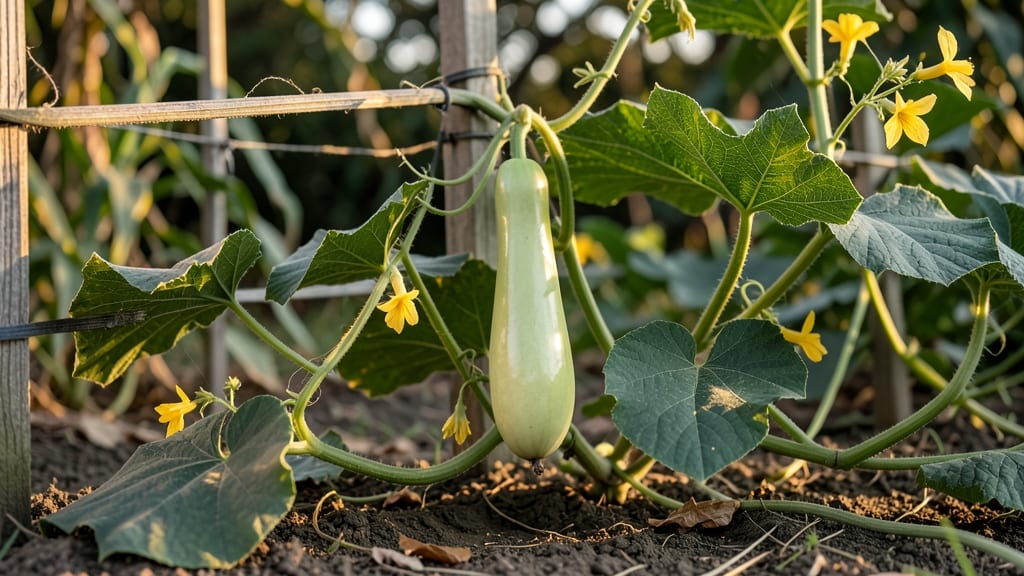
Growing Asian bottle gourds (Lagenaria siceraria var. hispida) means you get cold-hardy, prolific vines that thrive in containers—even in zones where other gourds fail. 🌱 I learned the hard way that these aren’t your typical heat-loving squash; they handle cooler nights and even light frosts better than most.
The secret lies in their perennial roots—with proper care, they’ll come back year after year, producing more gourds than you can shake a stick at. This isn’t a finicky plant—it’s a beginner’s dream if you nail three things: well-draining soil, strong support, and consistent moisture.
Skip the trellis, and you’ll end up with gourds sprawling everywhere (trust me, I’ve been there). But get it right, and you’ll harvest smooth, bottle-shaped fruits perfect for crafts, soups, or even decorative pieces. They’re also drought-tolerant once established, making them low-maintenance stars for containers or small spaces.
What makes them special? Their versatility—you can grow them as annuals or perennials, depending on your zone. In warmer climates, they’ll climb and spread like crazy; in cooler areas, they’ll stay compact and productive. Plus, their fast growth (60-90 days to harvest) means you’ll see results before summer’s over.
The key is starting seeds indoors 4-6 weeks before your last frost, then transplanting when soil hits 60°F. Here’s the game-changer: companion planting. Pair them with bush beans, nasturtiums, or marigolds to deter pests like cucumber beetles, and they’ll reward you with healthier vines and bigger yields.
Even my black thumb couldn’t kill these—once they’re established, they’re basically unbeatable. Ready to try?
📚 In This Guide
- What you need
- Instructions
- Tips and common mistakes
- Wrapping up and next steps
What you need
- ● Seeds: 3–5 high-quality Asian bottle gourd seeds (cold-hardy varieties like ‘Tiffany’ or ‘Long White’ work well).
- ● Containers: 2–3 large pots (15–20 gallons each) with drainage holes. Use lightweight materials like fabric grow bags or plastic.
- ● Potting Mix: 10–15 gallons of well-draining, organic potting soil (amend with perlite or coconut coir for aeration).
- ● Compost: 2–3 cups of aged compost or worm castings per pot to enrich the soil.
- ● Fertilizer: A balanced organic fertilizer (5-5-5 or 3-4-6 NPK ratio) or compost tea for slow-release nutrients.
- ● Mulch: Straw or shredded leaves (1–2 inches) to retain moisture and regulate temperature.
- ● Gloves & Hand Trowel: For planting and soil adjustments.
- ● Watering Can or Hose with Spray Nozzle: Gentle watering is key, especially for seedlings.
- ○ Support Stakes or Trellis: Optional but helpful for vining varieties (bamboo stakes or netting).
- ● Pruning Shears: For trimming excess vines or dead leaves.
- ○ Thermometer (Optional): To monitor soil temperature (ideal range: 70–90°F for germination).
- ○ Cold Frame or Row Cover (Optional): For extending the growing season in cooler climates.
Step-by-Step instructions for cultivating Asian bottle gourd in containers
Here’s how to coax these resilient, vine-loving gourds into thriving container plants—even in cooler climates.
🌱 Step 1: Select and Prepare the Right Container
Choose a 5-gallon or larger container with multiple drainage holes—Asian bottle gourds need deep roots and hate soggy feet. I prefer fabric grow bags because they allow excess moisture to evaporate while still providing sturdy support. If using traditional pots, ensure they’re at least 12 inches deep and 18 inches wide to accommodate the sprawling vines.
Line the bottom with 2-3 inches of coarse gravel or broken pottery to prevent compaction and improve drainage. This layer also insulates roots from temperature swings, which is critical if you’re growing in a cooler zone. Fill the container halfway with a lightweight, well-draining potting mix—avoid garden soil, as it compacts in containers and suffocates roots.
☀️ Step 2: Plant Seeds at the Ideal Time and Depth
Start seeds indoors 4-6 weeks before your last frost date, or sow directly into containers after soil temperatures reach 65°F. Asian bottle gourds are frost-sensitive but tolerate cooler soils better than many tropical vines. Plant 2-3 seeds per container, burying them 1 inch deep—this ensures they have enough energy to push through the soil without exhausting their food reserves.
Space seeds 6 inches apart and cover lightly with additional potting mix. Mist the surface gently with lukewarm water until evenly moist, but avoid soaking the soil. The key here is consistent moisture without waterlogging, which can cause seeds to rot before they sprout. Place containers in a warm, bright spot (like a sunny windowsill) and keep the soil evenly damp until germination, which typically occurs in 7-14 days.
🌿 Step 3: Provide Support and Optimal Growing Conditions
Once seedlings emerge, thin to the strongest plant per container by snipping the weaker stems at the base with clean scissors. Install a trellis, cage, or sturdy stakes immediately—Asian bottle gourds are vigorous climbers and will sprawl 10-15 feet if left unchecked. A 5-foot tall trellis works well for containers, giving vines plenty of vertical space while keeping the fruit accessible.
Move containers to a sunny outdoor location once nighttime temperatures stay above 55°F. These gourds thrive in full sun (6-8 hours daily) but can tolerate partial shade in hotter climates. Water deeply 2-3 times per week, ensuring the top 2 inches of soil dry out between waterings. Overwatering leads to blossom-end rot or fungal issues, so always check moisture with your finger before watering.
💧 Step 4: Fertilize and Monitor for Pests
Feed plants every 4-6 weeks with a balanced, organic fertilizer (like fish emulsion or compost tea) to encourage healthy vine growth and fruit development. Asian bottle gourds are heavy feeders, so don’t skimp—weak fertilization results in small, underdeveloped fruit. I also side-dress with compost mid-season to boost soil fertility without risking over-fertilization.
Watch for squash bugs, aphids, or powdery mildew, which are common pests for gourds. Remove affected leaves immediately and treat with neem oil or insecticidal soap if needed. Prune yellowed or diseased leaves to improve airflow and prevent spread. Harvest when fruit reaches full size but before it hardens—Asian bottle gourds are ready when their rinds turn dull green and firm to the touch.
⏰ Step 5: Overwinter or Extend the Season
In colder climates, dig up containers before the first frost and move them to a garage or unheated greenhouse where temperatures stay above 40°F. Reduce watering significantly but keep soil slightly moist to prevent dormancy. Prune back dead or damaged vines and store containers in a bright, cool spot until spring. If you’re in a mild-winter zone, mulch heavily and protect containers with burlap wraps to insulate roots.
Here’s the thing—Asian bottle gourds rebound quickly in spring if cared for properly. By late summer, you’ll have new vines and fruit ready for harvest again. The secret is consistent moisture, support, and protection—these perennials reward patience with years of harvests in the right conditions.
Tips & tricks for perfect Asian bottle gourd cultivation
These targeted strategies will help you maximize your container-grown Asian bottle gourd harvest—especially in challenging climates.
Container Selection Wisdom: Fabric grow bags are my go-to because they prevent root circling and allow excess moisture to evaporate naturally. For traditional pots, prioritize containers with 18-inch diameters—this gives roots room to spread while still fitting on patios or balconies. If you're using decorative pots without drainage, add a 3-inch layer of expanded clay pebbles at the bottom to create a false drainage layer. This simple adjustment prevents the dreaded soggy soil that leads to root rot.
Seed Starting Secret: The 65°F soil temperature threshold in Step 2 is non-negotiable for germination, but here's what nobody tells you: if your indoor space stays below 68°F, place containers on a seedling heat mat set to 70°F. This small investment speeds up germination from 14 days to just 7-10 days—critical if you're working against a short growing season. For outdoor sowing, test soil temperature with a simple thermometer: push it 2 inches deep where seeds will go.
Sunlight Strategy: While Asian bottle gourds thrive in 6-8 hours of daily sun, they're surprisingly adaptable in partial shade. In hotter climates, provide morning sun and afternoon shade to prevent leaf scorch. I've grown them successfully with just 4-5 hours of direct sun by supplementing with a grow light during cloudy periods. The key is maintaining consistent light exposure—these vines will tell you what they need by leaf color: dark green means happy, pale green means they're reaching for more light.
Fertilization Fine-Tuning: The 4-6 week feeding schedule works, but here's how to optimize it: split your organic fertilizer into three applications—first when flowers appear, second when fruit sets, and third when gourds begin swelling. This targeted approach prevents over-fertilization that can lead to excessive foliage at the expense of fruit production. For an extra boost, mix 1 tablespoon of kelp meal into the soil at planting time—it enhances root development without burning tender seedlings.
Pro Tips for Asian Bottle Gourd
- These targeted strategies will help you maximize your container-grown Asian bottle gourd harvest—especially in challenging climates.
- Container Selection Wisdom: Fabric grow bags are my go-to because they prevent root circling and allow excess moisture to evaporate naturally.
- This small investment speeds up germination from 14 days to just 7-10 days—critical if you're working against a short growing season.
Frequently asked questions
Got questions about growing Asian bottle gourds?
Here are answers to the most common ones—whether you're a beginner or a seasoned gardener looking to troubleshoot!
How long does it take for Asian bottle gourds to mature?
Asian bottle gourds typically mature in 60–90 days from transplanting, depending on your climate. In warmer regions (like Zones 8–11), they may fruit faster, while cooler areas (Zones 7 and below) could take longer. Patience is key—these vines thrive with consistent warmth!
Can I grow Asian bottle gourds in containers?
These cold-hardy perennials adapt well to large containers (at least 15–20 gallons) with drainage holes. Use a lightweight potting mix and place them in full sun. Just ensure the pot stays warm (mulch helps) and fertilize every 4–6 weeks for best results.
What’s the difference between Asian bottle gourd and regular bottle gourd?
Asian bottle gourds (Lagenaria siceraria) are smaller, sweeter, and more tender than their larger, harder-skinned cousins. They’re often used in soups, stir-fries, and fermented dishes. Plus, they’re perennial—they regrow yearly in mild climates, while regular bottle gourds are annuals.
Why aren’t my Asian bottle gourd vines producing fruit?
Common culprits include:
- Insufficient sunlight (they need 6+ hours daily).
- Poor pollination—hand-pollinate with a brush if bees are scarce.
- Overcrowding—thin vines to 1–2 per plant for better airflow.
- Nutrient deficiency—add compost or a balanced fertilizer (10-10-10).
Can Asian bottle gourds survive winter in cold climates?
Yes! In Zones 7–11, they’re perennial and can overwinter with mulch (straw or leaves) and frost cloth. In colder zones (below 7), dig up tubers in fall, store them in a cool, dry place, and replant in spring. Their hardiness makes them a low-maintenance perennial!
Wrapping up and next steps
Growing Asian bottle gourd—whether in containers or as a cold-hardy perennial—is a rewarding adventure that brings unique flavors and versatility to your garden. 🌱 With the right soil, sunlight, and care, you’ll enjoy a bountiful harvest of nutritious, low-maintenance produce year after year.
Whether you're a seasoned gardener or just starting, this resilient plant proves that growing your own food can be both simple and exciting!
Ready to dive in? Start small—plant a single container or a few seeds today—and watch your green thumb grow! For even more tips, explore container gardening hacks or connect with fellow plant enthusiasts in local gardening groups. Happy growing! 🌿