
Vegetables
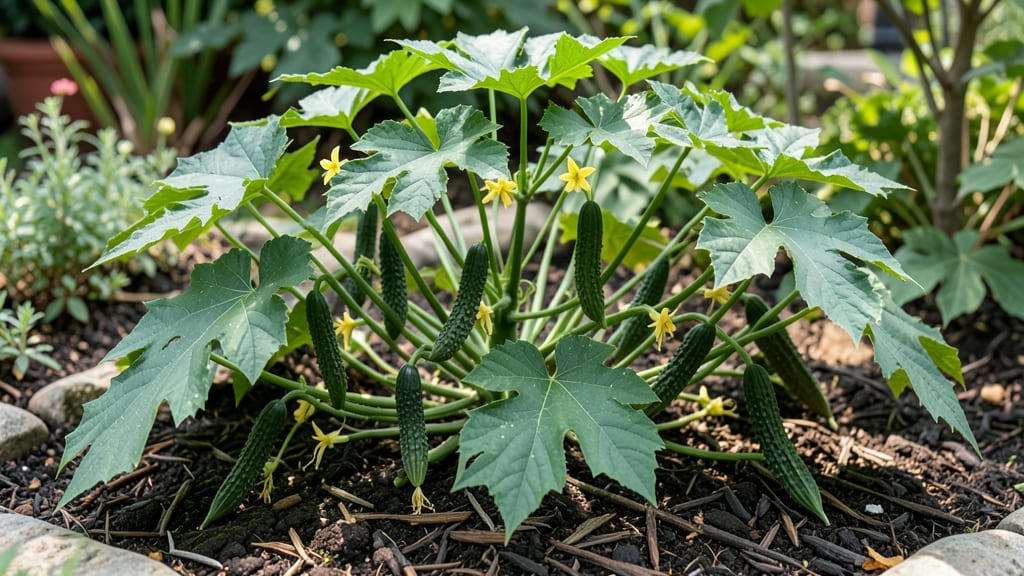
Growing Chinese bitter gourd (Momordica charantia) means turning your warmest corner into a jungle of vines and spiky green fruits. 🌿 I’ve wrestled with this tricky plant for years—until I cracked the code on humidity, trellises, and soil warmth.
The payoff? A harvest of bitter melons that outshine anything you’ll find in stores.
This plant thrives where summers are hot and humid, but don’t let that scare you off—it’s tougher than it looks. You’ll need well-draining soil, a sturdy trellis (these vines grow 10–20 feet if left unchecked), and full sun for at least 6–8 hours daily.
The key? Mimicking its tropical roots with consistent moisture and a little extra care during dry spells.
By mid-summer, you’ll see those signature spiky, cucumber-like fruits forming—each one packed with health benefits. Prune aggressively to encourage bushier growth, and watch as your vines produce dozens of melons per plant.
The real secret? Patience. These plants take 90–120 days to mature, but the flavor and texture are worth every day of waiting.
Even if you’ve struggled before, this guide cuts through the guesswork. Whether you’re a backyard gardener or a small-scale farmer, bitter melons are a game-changer for warm climates. Let’s get those vines climbing!
📚 In This Guide
- What you need
- Instructions
- Tips and common mistakes
- Wrapping up and next steps
What you need
- ● Seeds: 5–10 high-quality Momordica charantia seeds (ensure they’re fresh for best germination).
- ● Growing Containers or Garden Bed: For containers: 5-gallon pots or larger (1–2 plants per pot).
- ● For gardens: Well-draining soil in a sunny spot (6+ hours of sunlight daily).
- ● Potting Mix: 1 bag of well-draining, fertile soil (mix in perlite or coconut coir for aeration).
- ● Fertilizer: Balanced organic fertilizer (e.g., 10-10-10) or compost.
- ● Watering Can or Hose: With a gentle spray nozzle for hydration.
- ● Trellis or Support: 4–6 ft tall (bitter gourds are vining plants!).
- ● Pruning Shears: For trimming vines (sterilize with rubbing alcohol).
- ● Mulch: Straw or shredded leaves to retain moisture.
- ● pH Test Kit: Ideal soil pH: 6.0–6.8 (bitter gourds love slightly acidic soil!).
- ● Grow Lights: If indoors (12–16 hours of light/day).
- ● Insect Spray (Neem Oil): For pest control (aphids, whiteflies).
Step-by-step instructions for cultivating Chinese bitter melon
Here’s how I grow vigorous, productive bitter melon plants—no guesswork, just proven techniques.
🌱 Step 1: Select and Prepare Healthy Seedlings
Start with 4-week-old seedlings from a reputable nursery. Look for plants with thick stems and deep green leaves—these handle transplanting best. Avoid leggy seedlings; they struggle to recover. Soak roots in lukewarm water for 15 minutes before planting to revive them and encourage faster establishment.
Bitter melon thrives in warm soil (75-85°F). If planting early, use black plastic mulch to warm the soil faster. Dig holes twice as wide as the root ball but only as deep—burying too deep can suffocate roots. Space plants 3 feet apart in rows 5 feet apart to allow for sprawling vines and airflow.
☀️ Step 2: Position for Maximum Sun and Support
Bitter melon demands full sun (6+ hours daily)—no compromise. A south-facing wall or trellis maximizes light exposure. Install 5-6 foot tall trellises at planting time. The vines grow aggressively (up to 10 feet), so secure them with soft twine or jute to prevent breakage when tying.
Here’s the thing—morning sun is critical. If your garden gets intense afternoon heat, provide light shade (30-50%) during peak hours to prevent leaf scorch. Watch for yellowing leaves on the undersides—this signals too much heat stress. Mulch heavily with straw or grass clippings to retain moisture and regulate soil temperature.
💧 Step 3: Water Deeply and Consistently
Water deeply 2-3 times per week—enough to moisten 12-18 inches of soil. Bitter melon roots run deep, so shallow watering encourages weak growth. Check moisture by sticking your finger 2 inches down; if dry, water thoroughly. Drip irrigation is ideal—it delivers water at the base and avoids wetting leaves, reducing disease risk.
Never let the soil dry out completely, but avoid soggy conditions. Yellowing leaves with crisp edges mean overwatering, while wilting in the afternoon means underwatering. Adjust your schedule based on rainfall—skip watering if 1 inch of rain falls in the past 24 hours. Fertilize every 2 weeks with a balanced 10-10-10 mix once vines start climbing.
✂️ Step 4: Prune and Harvest for Peak Production
Prune side shoots to encourage main vine growth—this directs energy into fruit production. Remove any yellow or diseased leaves immediately to prevent spread. When flowers appear, hand-pollinate by gently shaking vines in the morning to ensure fruit set. Bitter melon flowers are self-pollinating, but a little help boosts yields.
Harvest when fruits are 4-6 inches long and bright green—they turn bitter and tough if left too long. Use pruning shears to cut stems, leaving ½ inch of stem attached. Harvest every 2-3 days during peak season to stimulate more production. Store in the fridge for up to 5 days or use immediately in stir-fries and soups.
🌿 Step 5: Extend the Season with Care
Bitter melon is tender to frost—protect plants with row covers if temperatures dip below 50°F. In warm climates, it grows year-round, but yields slow in winter. Fertilize lightly with fish emulsion in late fall to boost winter resilience. Watch for aphids or whiteflies—spray with neem oil at the first sign of pests to avoid infestations.
Here’s where patience pays off: Save seeds from your best fruits for next season. Dry them in a paper bag for 2 weeks, then store in a cool, dark place. Starting from seed gives you disease-resistant, climate-adapted plants tailored to your garden. With these steps, you’ll enjoy a bountiful harvest for months.
Tips & tricks for thriving Chinese bitter melon plants
Here’s what nobody tells you about growing bitter melon—these tricks will help you avoid common pitfalls and maximize your harvest.
Seedling Revival: That 15-minute lukewarm water soak before planting isn’t just about hydration—it’s about shock therapy. The warm water activates root growth and helps seedlings recover from transplant stress. I’ve seen leggy plants transform into sturdy vines within days after this step. For extra insurance, add a pinch of seaweed powder to the water for natural growth hormones.
Soil Temperature Secret: Bitter melon roots need soil between 75-85°F to thrive, but most gardeners overlook this. If your spring soil is still cool, lay black plastic mulch 2-3 weeks before planting. This raises soil temps by 5-10°F and jumpstarts growth. Pro tip: Bury the edges of the mulch to prevent wind from blowing it away during those first critical weeks.
Sunlight Strategy: The 6+ hours of daily sun requirement is non-negotiable, but timing matters just as much. Position your trellis to catch morning sun first—this prevents leaf scorch from intense afternoon rays. I’ve found that vines grown with morning sun exposure produce fruits that are less bitter and more tender. For afternoon shade, use lightweight shade cloth (30-50%) rather than solid structures, which can block too much light.
Harvest Timing: Those 4-6 inch fruits should be harvested every 2-3 days during peak season to maintain production. The key is consistency—once fruits reach 6 inches, they become fibrous and lose their signature crisp texture. I mark my calendar with harvest reminders and check plants first thing in the morning when fruits are firmest. For storage, wrap harvested melons in paper towels before refrigerating to absorb excess moisture and extend freshness.
Pro Tips for Chinese Bitter Gourd
- Here’s what nobody tells you about growing bitter melon—these tricks will help you avoid common pitfalls and maximize your harvest.
- Seedling Revival: That 15-minute lukewarm water soak before planting isn’t just about hydration—it’s about shock therapy.
- Soil Temperature Secret: Bitter melon roots need soil between 75-85°F to thrive, but most gardeners overlook this.
Frequently asked questions
Got questions about growing Chinese bitter gourd? You’re not alone! Here are answers to the most common queries to help you cultivate a thriving harvest.
How long does it take for Chinese bitter gourd to grow from seed?
Chinese bitter gourd (or bitter melon) typically takes 70–90 days to mature from seed to harvest, depending on your climate and growing conditions. If you’re starting with transplants, expect 45–60 days to fruiting. Patience is key—these plants love warmth and need time to establish before producing.
Is Chinese bitter gourd hard to find in stores? What’s a good substitute?
Yes! It’s less common than cucumbers or zucchini, but check Asian grocery stores or online seed suppliers. For a milder substitute, try karela (Indian bitter gourd) or even cucumber (though the flavor won’t be identical). If you’re growing your own, the effort is worth the unique taste!
Why are my bitter gourd leaves turning yellow?
Yellowing leaves often signal overwatering, nutrient deficiency, or pests. Check soil moisture—bitter gourd prefers well-draining soil and 1–1.5 inches of water per week. Yellow edges? Likely nitrogen deficiency—try a balanced fertilizer. Inspect undersides for aphids or spider mites too!
Can I grow Chinese bitter gourd in containers? What size pot do I need?
Bitter gourd thrives in 5-gallon containers or larger (at least 12–18 inches deep) with good drainage. Choose a fast-draining potting mix and place the pot in full sun (6+ hours/day). Just be ready to prune vines to control sprawling growth.
How do I reduce the bitterness in Chinese bitter gourd?
Bitterness is natural, but you can mellow it out! Soak slices in salted water for 10–15 minutes or blanch in boiling water for 1–2 minutes before cooking. Stir-frying with garlic, soy sauce, or honey also balances the flavor. Pro tip: Young, tender gourds are less bitter than mature ones!
Wrapping up and next steps
Chinese bitter gourd—ku gua—is a rewarding yet unique addition to any garden or kitchen! 🌱 With the right soil, sunlight, and care, you’ll enjoy a bountiful harvest packed with health benefits and bold flavor.
Whether you’re a seasoned gardener or just starting, patience and consistency are your best tools.
Ready to grow your own? Start small—plant a few seeds or seedlings this season and watch your green thumb flourish! 💚 Try experimenting with recipes once your bitter gourds are ready—your taste buds (and health) will thank you.