
Vegetables
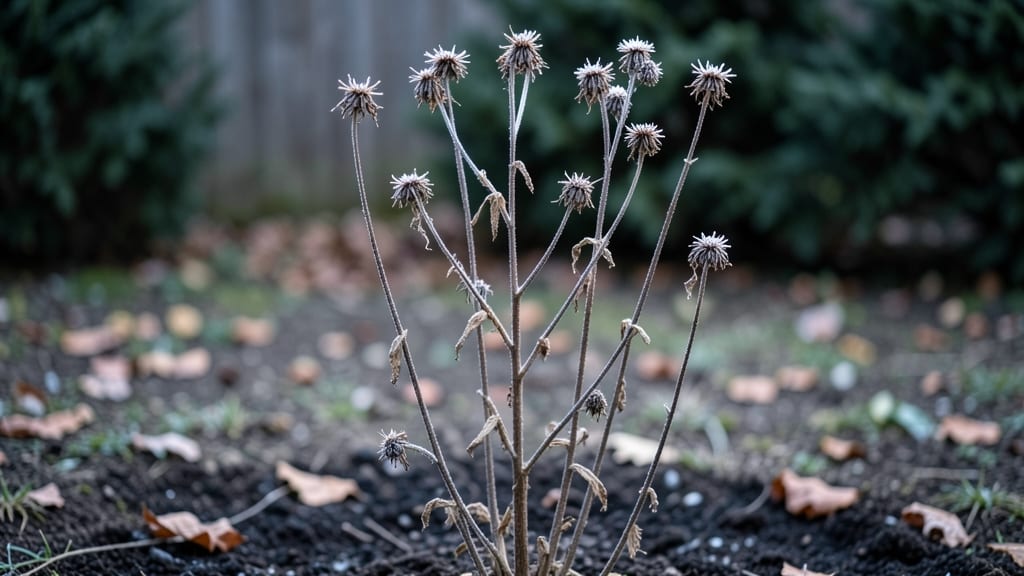
Your asters can defy winter’s gray with the right care—bold purple blooms waiting just beneath the frost. 🌿 I’ve watched my late-season asters push through snow with minimal help, and the secret isn’t complicated: timing, mulch, and a little strategic pruning.
Most gardeners assume these hardy perennials need coddling, but they’re built to survive—we just need to work with their rhythm, not against it.
The key moves take 20 minutes and a few supplies you likely already have: a sharp pair of pruners, a thick layer of straw or leaves, and maybe a small burlap wrap for extra protection.
Cut back stems to 6 inches after the first frost, then blanket the roots with mulch to insulate them from temperature swings. This isn’t about creating a greenhouse—it’s about letting the plant rest while shielding it from the worst of winter’s mood swings.
By spring, you’ll see fresh growth emerge earlier than your neighbors’ plants, often by 2-3 weeks. The blooms return with the same vibrant intensity, sometimes even more dramatic after a cold snap.
There’s something magical about watching those purple spikes push through thawing soil, a reminder that winter isn’t the end—just a pause in the garden’s story.
This works for New England to Zone 5, where winters are long but asters thrive. For colder climates, add a simple frame or cloche for extra warmth. The effort pays off in June’s first flush of color, when your garden wakes up while others are still waiting.
📚 In This Guide
- What you need
- Instructions
- Tips and common mistakes
- Wrapping up and next steps
What you need
- ● Healthy asters (perennials or biennials): 10–20 mature plants (depending on desired coverage)
- ● Look for Symphyotrichum or Aster species (e.g., 'Violet Queen,' 'New England Aster')
- ● Well-draining soil: 1–2 bags (20–40 lbs each) of compost or aged manure
- ○ Optional: 5 lbs of perlite or sand (for heavy clay soils)
- ● Mulch: 3–5 cubic feet of straw, shredded leaves, or pine needles (to insulate roots)
- ● Frost protection: 1–2 frost cloths (5x7 ft or larger, breathable fabric)
- ● OR 10–20 burlap sacks (for individual plant coverage)
- ● Pruning tools: 1 pair sharp bypass pruners (for clean cuts)
- ● 1 hand trowel (for soil amendments)
- ● Slow-release balanced fertilizer (10-10-10, 1 lb for 25 sq ft)
- ● Copper tape or neem oil spray (to deter pests like slugs)
- ● Decorative garden stakes or rings (to support tall varieties)
- ● Watering can with rose attachment (for gentle hydration)
Instructions for reviving asters through winter’s frost
Here’s how I keep asters thriving even when temperatures drop—no fuss, just smart care.
🌿 Step 1: Prune Back Lightly Before First Frost
Use clean, sharp pruners to trim back the entire plant by about one-third once nighttime temperatures consistently drop below 40°F. This prevents weak growth at the base and reduces the risk of frost damage to the stems. I like to cut just above a set of healthy leaves or buds—you’ll see fresh green growth starting later in spring.
Don’t remove all the foliage—leave about 6 inches of stems. This protects the crown from extreme cold and gives the plant energy reserves to bounce back. If your asters are already dormant, skip this step and move to winter prep.
✂️ Step 2: Mulch Heavily to Insulate Roots
Spread a 3-4 inch layer of organic mulch—like shredded leaves or straw—around the base of the plant. This acts like a cozy blanket, keeping roots insulated from freezing temperatures. I always mulch after the first hard frost to trap heat radiating from the soil.
Keep mulch at least 2 inches away from the stems to prevent rot. If you’re in a region with heavy snowfall, add a light layer of burlap over the mulch to protect it from erosion. Check mulch levels in early spring—if it’s broken down, top it off to maintain protection.
☀️ Step 3: Monitor for Frost Damage and Adjust
After a hard freeze, inspect your asters for brown or mushy stems. If the damage is superficial (just the tops), the plant will likely recover. However, if the stems feel soft or blackened all the way to the ground, the plant may not survive. In that case, dig up the roots in spring and start fresh.
If your asters show signs of life—like green shoots at the base—leave them be. Overhandling in winter can stress the plant more than the cold itself. Just keep an eye out for new growth in early spring as a sign they’re ready to rebound.
💧 Step 4: Water Sparingly Before Dormancy Sets In
Reduce watering significantly as temperatures drop. Asters in winter need moisture, but not enough to encourage rot. Water deeply once every 2-3 weeks if the ground isn’t frozen, focusing on the root zone. You’ll know it’s time to water when the soil feels dry 1-2 inches below the surface.
Avoid watering if the ground is frozen—it can damage the roots. Instead, rely on natural snowfall for hydration. If you live in a dry climate, a light mulch layer will help retain any moisture in the soil.
⏰ Step 5: Plan for Spring Revival
As soon as the ground thaws in early spring, remove any remaining mulch from the base of the plant to encourage new growth. You’ll likely see fresh shoots emerging within 2-3 weeks. At this point, you can resume regular care—fertilizing lightly and ensuring they get plenty of sunlight.
If your asters didn’t survive the winter, don’t worry. They’re easy to propagate from cuttings or seeds in spring. Just keep an eye out for those first green shoots—they’re your sign that winter’s work paid off.
Tips & tricks for winterizing asters
Winter care doesn't have to be complicated—these simple strategies will help your asters survive the cold and bounce back stronger in spring.
Timing is Everything: The key to successful winter pruning is acting at the right moment. Wait until nighttime temperatures consistently drop below 40°F—this signals your asters are preparing for dormancy. If you prune too early, you risk encouraging new growth that won't survive winter. I've learned this the hard way after seeing tender new shoots freeze back to the ground. The one-third trim removes weak stems while preserving the plant's energy reserves.
Mulch Like a Pro: When applying that 3-4 inch layer of mulch, focus on the root zone rather than piling it directly against the stems. I like to create a slight depression around the base before adding mulch—this helps water drain properly while still insulating the roots. For extra protection in snowy regions, add a layer of burlap over the mulch to prevent erosion from melting snow. This simple adjustment has saved my asters from winter rot more times than I can count.
Damage Assessment: After a hard freeze, don't panic if your asters look sad. Superficial browning on the stems is normal and often reversible. What matters is checking the stem texture—if it's still firm below the browned area, the plant will likely recover. I've seen asters with completely blackened tops regrow from the base when the stems were still firm at the crown. The key is patience and letting nature handle the recovery.
Spring Revival Strategy: The 2-3 week window for new growth to appear in spring is your best indicator of success. If you don't see shoots by then, gently scratch the soil surface with your fingers—you might find dormant buds just beneath the surface. I've had "dead" asters surprise me with new growth weeks after I'd given up hope. This is why I always check for those first green shoots before deciding whether to replant.
Pro Tips for Asters In Winter
- Winter care doesn't have to be complicated—these simple strategies will help your asters survive the cold and bounce back stronger in spring.
- Timing is Everything: The key to successful winter pruning is acting at the right moment.
- Mulch Like a Pro: When applying that 3-4 inch layer of mulch, focus on the root zone rather than piling it directly against the stems.
Frequently asked questions
about keeping asters vibrant in winter—because even frost-loving plants need a little TLC! Here’s what you’ve been wondering:Can asters survive a hard freeze?
Asters are tough! Most varieties tolerate light frosts down to 20°F (-7°C), but heavy snow or prolonged sub-zero temps may damage tender foliage. Mulch with straw or leaves to insulate roots—this is your secret weapon for winter resilience.
When should I prune asters for winter?
Wait until late winter or early spring (just before new growth starts) to prune. Cut back dead stems to 2–3 inches above ground to encourage fresh shoots. Avoid pruning in fall—it disrupts the plant’s winter prep!
What if my asters look sad by spring?
Don’t panic! If stems are still green but bare, they’re likely dormant. Wait until April to check for signs of life. If no growth appears, test soil moisture—aster roots need consistent dampness (but not soggy!) to bounce back.
Are there winter-blooming asters?
Most asters rest in winter, but ‘October Skies’ or ‘Patriot’ varieties may hold onto blooms until frost. For year-round color, try winter pansies or hellebores as asters’ frost-hardy companions.
Can I move asters in winter?
Nope!
Asters hate winter transplants—their roots are dormant and vulnerable. Wait until spring (March–April) when soil is workable. If you must relocate, do it in fall (September) for best survival.
Pro Tip:
Label your asters now! Winter’s bare stems make it easy to forget which variety is which. A quick stake with the name saves springtime guesswork.
Wrapping up and next steps
Bringing asters in winter isn’t just about surviving the cold—it’s about embracing their bold beauty with minimal fuss. These hardy plants prove that winter gardens can thrive with just a little care, offering vibrant pops of color when most blooms fade away.
Whether you’re a seasoned gardener or a curious beginner, asters are your ticket to effortless winter charm.
Ready to transform your winter landscape? Start by selecting the right variety, prepping your soil, and giving them a cozy spot to shine. Grab your gloves and get planting! Your winter garden will thank you with a dazzling display. 🌸❄️