
Vegetables
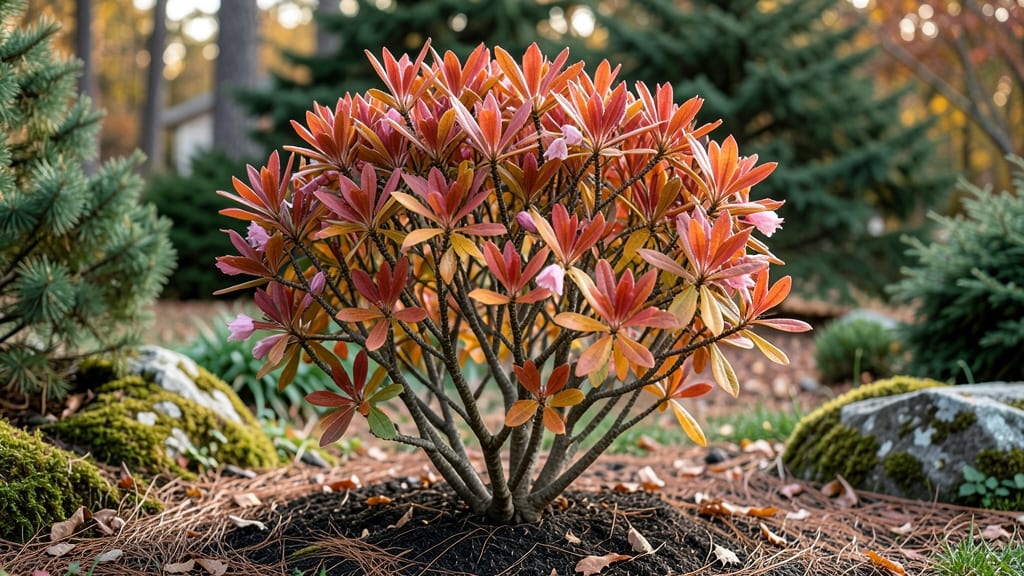
Your Autumn Embers azalea can survive winter—and even reward you with late-season blooms—if you protect it the right way. 🌿 I’ve watched these hardy shrubs push through snow with proper care, and the secret lies in three key moves: mulching, pruning, and shielding from harsh winds.
Start by adding 3-4 inches of mulch around the base after the ground freezes but before heavy snow. This insulates roots while keeping moisture locked in. Skip the pruning until late winter—wait until you see new buds forming before shaping the plant.
By spring, you’ll see fresh growth where others struggle. The blooms arrive later than spring varieties but last longer, giving you bold pink flowers well into early winter in mild climates. Just avoid heavy pruning now—wait until after blooming season to shape it properly.
This azalea thrives in zones 5-9, making it versatile for most gardeners. The key is patience: winter care now means vibrant blooms and lush foliage next year. Let’s get your plant through the cold safely!
📚 In This Guide
- What you need
- Instructions
- Tips and common mistakes
- Wrapping up and next steps
What you need
- ● Seeds or rooted cuttings: 5–10 Autumn Embers azalea seeds (or 2–3 cuttings for faster results).
- ● Well-draining potting mix: 2–3 gallons of acidic (pH 4.5–6.0) soil blend (e.g., 60% peat moss, 30% pine bark fines, 10% perlite).
- ● Containers: 4–6" pots with drainage holes (or seed trays for sowing).
- ● Slow-release fertilizer: 1–2 tbsp of azalea-specific 10-10-10 or 8-3-9 formula per gallon of mix.
- ● Mulch: 1–2 inches of pine straw or shredded bark to retain moisture and acidity.
- ● Pruners or scissors: Sharp, sterilized tools for cuttings/seeds.
- ● Spray bottle: For gentle watering (especially for seedlings).
- ○ pH test kit: To monitor soil acidity (optional but helpful!).
- ● Grow lights or sunny windowsill: 6–8 hours of indirect light daily (if indoors).
- ● Thermometer: To track temps (ideal: 60–70°F for germination).
- ● Burlap or frost cloth: For young plants in Zone 5 or colder.
- ● Anti-desiccant spray: (e.g., Wilt-Pruf) to protect blooms from frost.
- ● Garden gloves: For handling thorny stems or mulch.
Step-by-step guide to winter-blooming Autumn Embers azalea care
Here's how to coax vibrant winter blooms from your Autumn Embers azalea—even when frost threatens.
🌱 Step 1: Choose and Prepare the Perfect Planting Site
Autumn Embers azaleas thrive in partial shade with 4-6 hours of morning sun and protection from harsh afternoon rays. I always plant mine where they get dappled light through nearby trees—this mimics their natural woodland habitat. The soil should be acidic (pH 5.0-6.0) and well-draining, so work in 2-3 inches of peat moss or pine bark fines into the native soil if needed.
Dig a hole twice as wide as the root ball but only as deep. This prevents root suffocation while allowing the top of the root ball to sit 1 inch above ground level. Gently tease out any circling roots before placing the plant in the hole. Real talk: Skipping this step leads to poor drainage and root rot, so don't skip it.
☀️ Step 2: Mulch and Water for Winter Resilience
Spread 3-4 inches of pine bark mulch around the base, keeping it 3 inches away from the trunk to prevent moisture buildup. This mulch layer insulates roots during cold snaps while retaining moisture. Water deeply once a week during winter (unless snow covers the ground), ensuring the soil stays slightly moist but never soggy. You'll know it's right when the top inch feels damp but not wet.
For extra winter protection, I wrap young plants in burlap during the coldest months. This isn't just for show—it prevents winter burn and keeps stems from drying out in freezing winds. Remove the wrap in early spring once daytime temperatures stay above 40°F consistently.
✂️ Step 3: Prune for Next Year's Blooms
Prune immediately after flowering (late winter/early spring) to shape the plant and encourage new growth. Remove dead, crossing, or weak branches first, then trim back any remaining stems by one-third to maintain an open, airy shape. I always use clean, sharp pruners to avoid tearing the bark—this prevents disease entry points.
Watch for new growth at the base of old stems—this is your signal that the plant is recovering. Avoid heavy pruning in fall, as new growth won't harden off before winter. If you see yellowing leaves, it's often a sign of overwatering or poor drainage, not frost damage.
🪴 Step 4: Fertilize Strategically for Winter Color
Feed with an acid-loving azalea fertilizer (look for high nitrogen in early spring, then switch to high phosphorus as buds form). I apply fertilizer twice a year: once in early spring (when new leaves emerge) and again in late summer (to promote fall/winter blooms). Always water the soil thoroughly before and after applying fertilizer to prevent root burn.
Here's the thing—Autumn Embers azaleas bloom on new wood, so late-season feeding is critical. If you skip this, you'll get fewer blooms next winter. I also mix in a handful of coffee grounds around the base every few months—they slowly release nitrogen and acidify the soil naturally.
⏰ Step 5: Protect During Frost and Prepare for Spring
When temperatures drop below 20°F, cover the plant with a thick layer of straw or leaves (at least 6 inches deep) to insulate the roots. This natural mulch traps heat and prevents freeze-thaw cycles that damage roots. Remove the cover in early spring once the ground thaws, but wait until nighttime temps stay above 35°F before uncovering completely.
You'll know the plant is waking up when you see buds swelling along the stems. At this point, resume regular watering and watch for aphids or lace bugs—they love tender new growth. A neem oil spray keeps pests at bay without harming the plant. This is the moment that matters: proper winter care now means vibrant blooms next winter.
Tips & tricks for perfect winter-blooming azaleas
These simple yet game-changing strategies will help your Autumn Embers azalea thrive through winter and burst into vibrant blooms next season.
Lighting Secret: If your yard doesn't have natural dappled shade, create it with sheer curtains or shade cloths during peak afternoon sun (12-4 PM). I've seen azaleas struggle when exposed to harsh midday rays—even just 2 hours of direct sun can stress the plant. For container-grown azaleas, move them to a sheltered spot when temperatures climb above 80°F. The 4-6 hours of morning sun is non-negotiable for those winter blooms.
Mulching Mastery: The 3-4 inch mulch layer isn't just for looks—it's a winter survival strategy. I always use pine bark because it slowly releases acidity as it breaks down, which helps maintain that crucial pH 5.0-6.0 range. Pro tip: Refresh your mulch every fall by adding a 1-inch layer over the existing mulch. This creates better insulation without smothering the plant. And remember, keep that mulch 3 inches away from the trunk to prevent rot.
Frost Protection Hacks: When temperatures drop below 20°F, my go-to winter wrap is burlap combined with frost cloth. The burlap provides structure while the frost cloth creates an insulating air pocket. For extra protection, I've even used upside-down cardboard boxes (with holes for airflow) over young plants during the coldest nights. The key is removing these covers gradually in spring—wait until nighttime temps stay above 35°F consistently before full exposure.
Fertilizer Timing: The twice-yearly feeding schedule is your secret weapon for winter blooms. Here's what I've learned: that late summer feeding (around August) is absolutely critical for Autumn Embers. The plant needs time to process the high-phosphorus fertilizer before winter sets in. I always mix my fertilizer with a little Epsom salt (1 tablespoon per plant) at this time—it gives a magnesium boost that helps with flower production. And never skip watering thoroughly before and after applying fertilizer!
Pro Tips for Autumn Embers Azalea In Winter
- These simple yet game-changing strategies will help your Autumn Embers azalea thrive through winter and burst into vibrant blooms next season.
- Lighting Secret: If your yard doesn't have natural dappled shade, create it with sheer curtains or shade cloths during peak afternoon sun (12-4 PM).
- Mulching Mastery: The 3-4 inch mulch layer isn't just for looks—it's a winter survival strategy.
Frequently asked questions
Can Autumn Embers azalea survive freezing temperatures?
Autumn Embers is a hardy winter-blooming azalea (USDA Zones 6-9), but it thrives best with some winter protection. While it tolerates light frosts (down to 15°F/-9°C), heavy snow or prolonged cold may damage buds. Mulch heavily (3-4 inches) and wrap young plants in burlap for extra defense. Pro tip: Prune in late winter to remove frost-damaged stems before new growth starts!
When should I prune Autumn Embers for winter blooms?
Prune right after flowering (late winter/early spring) to shape the plant and encourage next year’s buds. Avoid heavy pruning in fall—this can remove next winter’s flower buds! Focus on light shaping (no more than 1/3 of growth) and remove dead or crossing branches. Timing is key: Wait until after the first hard frost to assess damage.
Why isn’t my Autumn Embers azalea blooming in winter?
No winter blooms? Check these common culprits:
- Too much shade: These azaleas need 6+ hours of sunlight daily.
- Over-fertilizing: Too much nitrogen = leafy growth, not flowers.
- Improper pruning: Cutting back after bud set (fall) removes next year’s blooms.
- Poor drainage: Root rot from soggy soil can stress the plant.
Fix it: Feed with acidic, low-nitrogen fertilizer (like 10-10-10) in early spring and ensure well-draining soil.
What’s the best alternative if Autumn Embers won’t grow in my climate?
If your winters are colder than Zone 6 or summers are harshly hot/dry, try these winter-blooming azalea alternatives:
Variety
Zone Hardiness
Bloom Time
Girard’s Winter Pink
Zones 5-9
Late fall to early spring
Hino Crimson
Zones 6-9
Winter (resists cold better than Autumn Embers)
Winter Magic
Zones 6-9
Late fall through winter
Bonus tip: For Zone 4-5, grow Autumn Embers in containers and move it to a sheltered spot in winter.
How do I protect Autumn Embers from late-season frost damage?
Late frosts can zap buds just as they open! Use these tricks:
- Row covers: Lightweight fabric (like Reemay) traps heat without smothering.
- Water deeply: Moist soil holds heat better than dry soil.
- Shade cloth: 30% coverage during daytime blooming periods.
- Avoid wind: Wind + cold = faster frost damage. Plant near a southeast-facing wall or use burlap windbreaks.
Emergency hack: If frost hits, cover blooms with a plastic bottle (cut in half) to create a microclimate!
Wrapping up and next steps
Growing Autumn Embers Azalea in winter is a rewarding journey that brings a splash of color to your garden even when frost lingers. 🌸 Whether you’re starting from seed or nurturing a dormant plant, the key is patience, care, and a little winter magic.
This resilient beauty thrives with the right balance of light, protection, and attention—proving that winter isn’t just a season of dormancy, but a time for quiet growth.
Now that you’re armed with tips and answers, why not take the next step? Plant a few seeds or pot up your Autumn Embers today—your winter garden (and future blooms!) will thank you. Happy gardening! 🌱✨