
Vegetables
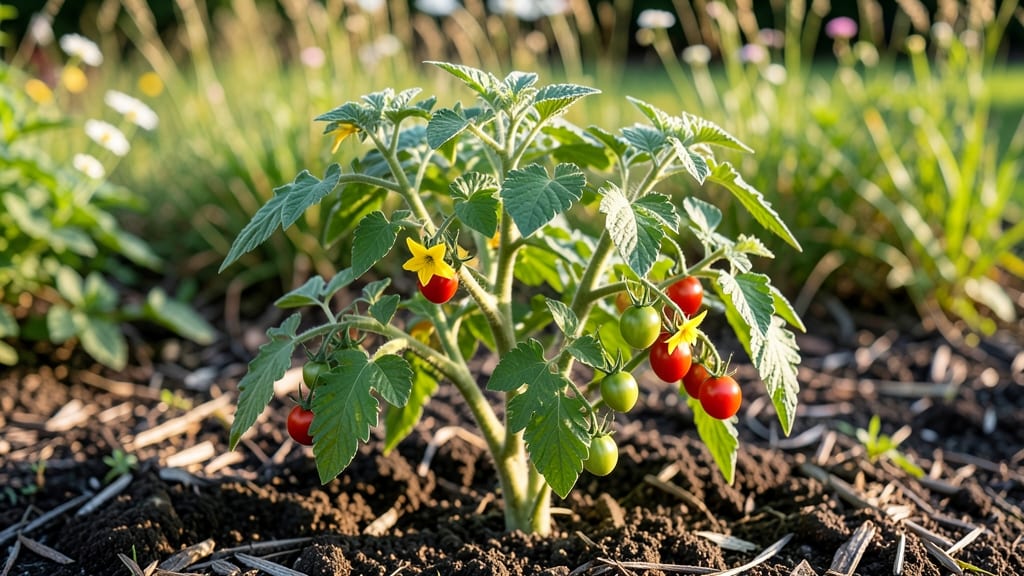
The Little Bing cherry tomato delivers a sweet explosion in just 50 days—tiny, juicy fruits that burst with flavor and pack a pound of tomatoes per plant in a space no bigger than a milk crate. 🌱 I grew mine last summer in a 5-gallon container on my balcony, and by July, I was snipping handfuls of these bite-sized gems for salads every morning.
The secret isn’t just the variety—it’s how you coax them along from seed to table. You’ll need full sun (6+ hours daily), well-draining soil with organic matter, and a support system (cage or stakes) since these compact plants still produce 20-30 lbs per season.
The real magic happens when you water consistently (1-2 inches per week) and fertilize lightly every 3-4 weeks—too much nitrogen means fewer tomatoes, more leaves. Prune suckers regularly to keep air flowing and prevent disease, which is where most beginners trip up.
By day 50, you’ll be harvesting clusters of 1-inch red jewels that taste like sunshine. The plants stay productive for weeks, and because they’re disease-resistant, you avoid the heartbreak of blight or rot that ruins other varieties.
I’ve grown them in containers, raised beds, and even hanging baskets—they adapt like nothing else. Here’s the kicker: these tomatoes ripen all at once, so plan for a big harvest (or share with neighbors—they’re that addictive).
Start seeds indoors 6-8 weeks before last frost, and you’ll have tomatoes when store-bought plants are still struggling to catch up.
📚 In This Guide
- What you need
- Instructions
- Tips and common mistakes
- Wrapping up and next steps
What you need
- ● Seeds or Seedlings: 3–5 Little Bing cherry tomato seeds or young plants (start indoors 6–8 weeks before last frost or buy transplants).
- ● Containers or Garden Bed: For containers: 5–7 gallon pots (1 plant per pot) with drainage holes.
- ● For garden beds: Well-draining soil, full sun (6+ hours/day), and space 18–24 inches apart.
- ● Potting Mix: High-quality, organic seed-starting mix or tomato-specific soil (sterile and lightweight).
- ● Fertilizer: Balanced 5-10-10 or organic compost (add at planting).
- ● Liquid tomato fertilizer (high in potassium and phosphorus) for flowering/fruiting.
- ● Watering Supplies: Spray bottle (for seedlings) + watering can or hose with a gentle nozzle.
- ● Support: Small stakes (6–12 inches tall) or cage (3–4 feet tall) per plant.
- ● Grow Lights: LED or fluorescent lights (for indoor starts, 12–16 hours/day).
- ● Pruning Shears: Small, sharp scissors for trimming suckers or dead leaves.
- ● Mulch: Straw or shredded leaves to retain moisture and suppress weeds.
- ○ Drip Irrigation or Soaker Hose: For consistent watering (optional but helpful in hot climates).
- ● Row Covers: Lightweight fabric to protect seedlings from pests or frost.
- ● pH Test Kit: To ensure soil pH is 6.0–6.8 (tomatoes love slightly acidic soil!).
Step-by-step instructions for growing Little Bing cherry tomatoes
Here's how to coax those tiny, sweet tomatoes from seed to table in record time.
🌱 Step 1: Start Seeds Indoors 6-8 Weeks Before Last Frost
Fill 2-3 inch deep seedling trays with sterile seed-starting mix, keeping it moist but not soggy. Press the surface lightly to create a firm planting bed—this prevents seeds from sinking too deep during watering. Plant 2-3 seeds per cell at a depth of ¼ inch, which is about the diameter of a dime. Cover with a fine layer of mix and mist gently until evenly damp.
Place the tray in a warm spot—75-85°F speeds germination dramatically. A seedling heat mat works wonders if your home runs cooler. Keep the soil consistently moist by covering the tray with a humidity dome or plastic wrap. You'll see sprouts in 7-10 days, but don't remove the cover until 50% of seeds have germinated—this prevents damping-off disease that can wipe out seedlings overnight.
Here's the thing—Little Bing seeds are tiny, so I tap the seed packet gently to release one seed at a time. Planting too many in one hole leads to weak, crowded seedlings that compete for light and nutrients. Once sprouts emerge, thin to the strongest seedling per cell, snipping the others at soil level with clean scissors.
☀️ Step 2: Provide Light and Harden Off Seedlings
The instant those first true leaves appear, move seedlings to a bright, sunny window or under grow lights providing 14-16 hours of light daily. I use a full-spectrum LED positioned 2-4 inches above the plants, raising it as they grow. Without enough light, seedlings stretch desperately toward the source, creating weak stems that snap easily when transplanted.
You'll know your light is perfect when seedlings have thick stems, deep green leaves, and compact spacing between leaves. If they look leggy and pale, your light is too far away. Two weeks before your last frost date, start hardening off by placing seedlings outside in a sheltered spot for 1-2 hours the first day. Gradually increase outdoor time by 1 hour daily over 10-14 days.
Don't skip this step—I've seen gardeners rush transplanting and end up with plants that wilt dramatically in their first week outdoors. Hardening off teaches seedlings to handle wind, sun, and temperature fluctuations. On the final day, leave them out overnight if temperatures stay above 50°F.
🪴 Step 3: Transplant to Garden or Containers
Choose a location with full sun (6-8 hours daily) and well-draining soil. Little Bing tomatoes thrive in 5-6 gallon containers or garden beds with 24-36 inches between plants. Dig holes just deep enough to accommodate the root ball, then loosen the soil around the edges to encourage root spread.
Water the seedlings thoroughly the day before transplanting to reduce shock. Gently remove each seedling from its container, keeping the root ball intact. Place in the hole and backfill with soil, pressing lightly to eliminate air pockets. Water deeply at the base to settle the soil and encourage root growth.
I like to add a low-nitrogen fertilizer (like 5-10-10) at planting time to give the tomatoes a nutrient boost. Mulch around the base with 2-3 inches of straw or shredded leaves to retain moisture and suppress weeds. The key here is keeping the soil consistently moist but never soggy—Little Bing tomatoes hate wet feet.
✂️ Step 4: Support, Prune, and Harvest for Maximum Yield
Install cages or stakes at planting to support the vines as they grow. Little Bing tomatoes grow indeterminately, so they'll keep producing until frost if given proper care. Pinch off the first flower cluster that appears—this encourages bushier growth and more fruit later in the season.
Once fruit begins to set, remove any suckers (the small shoots that form in the leaf axils) to direct the plant's energy into fruit production. You'll see those tiny green tomatoes appear in 50-60 days from transplanting. The moment they turn a vibrant red, they're ready to pick—waiting too long makes them mealy and less sweet.
Here's what I do: I harvest every 2-3 days to keep the plants producing. Little Bing tomatoes are prolific, so regular harvesting prevents the vines from becoming overloaded. Store them in the fridge for up to 1 week or freeze them for later use—though nothing beats eating them fresh off the vine, still warm from the sun.
Tips & tricks for growing Little Bing cherry tomatoes
Took me years of trial and error to master these cherry tomato growing secrets—don't skip them!
Seed Starting Precision: The ¼-inch depth for planting seeds is non-negotiable—any deeper and they'll struggle to emerge. I use a toothpick to mark the planting depth on my seedling trays. Also, sterilize your tools with rubbing alcohol between each seed to prevent cross-contamination that can lead to damping-off disease. The 75-85°F temperature range is ideal, but if your home runs cooler, I've found a simple DIY solution: place the seed tray on top of my refrigerator for consistent warmth.
Lighting Strategy: Those 14-16 hours of light daily are crucial for preventing leggy seedlings. I've noticed that even with grow lights, many gardeners make the mistake of keeping them too far away. Position your lights 2-4 inches above the seedlings and adjust as they grow. A simple trick: if you can see your shadow cast by the seedlings on the tray, the light is too far away. For extra insurance, rotate your trays 180 degrees daily to ensure even growth.
Transplanting Success: The 24-36 inches between plants might seem generous, but it's essential for airflow and preventing disease. I've learned to water seedlings thoroughly the day before transplanting—this reduces shock by keeping roots hydrated during the transition. When handling the root ball, I wrap it in a damp paper towel before placing it in the hole to protect delicate roots. After transplanting, I always water deeply at the base to encourage root spread into the surrounding soil.
Harvesting Hack: Those 50-60 days from transplanting to harvest fly by when you're harvesting every 2-3 days! I've found that using a small basket with a handle makes picking these tiny tomatoes much easier on my back. The key to sweetness is harvesting at peak ripeness—look for vibrant red color and a slight softness when gently squeezed. If you must store them, keep them in a single layer on a paper towel in the fridge to prevent moisture buildup that causes rot.
Pro Tips for Little Bing Cherry Tomato
- Took me years of trial and error to master these cherry tomato growing secrets—don't skip them!
- Seed Starting Precision: The ¼-inch depth for planting seeds is non-negotiable—any deeper and they'll struggle to emerge.
- Lighting Strategy: Those 14-16 hours of light daily are crucial for preventing leggy seedlings.
Frequently asked questions
How long does it take for Little Bing cherry tomatoes to mature?
The Little Bing variety is a fast grower—ready to harvest in just 50–60 days from transplant! Start seeds indoors 6–8 weeks before your last frost, and you’ll be snacking on sweet, bite-sized tomatoes in no time. Patience pays off, but not for long with these speedy plants!
Do Little Bing tomatoes need special care in hot or cold weather?
These tomatoes thrive in warm weather (70–85°F), but they’re tougher than most. In heatwaves, provide afternoon shade and mulch to keep roots cool. For cooler climates, use row covers or grow them in containers to extend the season. Just avoid frost—they’re not cold-hardy!
Can I eat Little Bing tomatoes straight from the vine?
Their sweet, tangy flavor is best when picked at peak ripeness—bright red and slightly firm. No need to wait for the kitchen; they’re perfect for savoring raw, snacking, or tossing into salads. Just rinse them first if they’ve been dusty!
What can I do if my Little Bing plants stop producing tomatoes?
Common culprits include overwatering, poor pollination, or nutrient deficiencies. Try shaking plants gently to boost pollination, prune suckers for better airflow, and fertilize with a balanced tomato feed. If blossoms drop, it might be too hot—provide shade or water deeply in the morning.
Where can I buy Little Bing seeds or plants, and are they expensive?
Little Bing seeds are affordable and widely available from reputable seed companies like Baker Creek, Burpee, or local nurseries (often for $2–$4 per packet). Plants may cost slightly more ($3–$6 each), but their high yield and disease resistance make them worth it! Check seed swaps or garden centers for deals too.
Wrapping up and next steps
The Little Bing cherry tomato isn’t just a tiny powerhouse—it’s a fast, flavorful, and rewarding addition to any garden! With its 50-day harvest time and burst of sweetness, it proves that big flavors come in small packages.
Whether you’re a seasoned gardener or a curious beginner, these little gems make growing veggies fun, easy, and delicious.
Ready to turn your green thumb into a cherry tomato champion? 🌱 Grab your seeds, follow the steps, and get ready to savor the sweetest rewards—literally—by summer! Start planting today!