
Vegetables
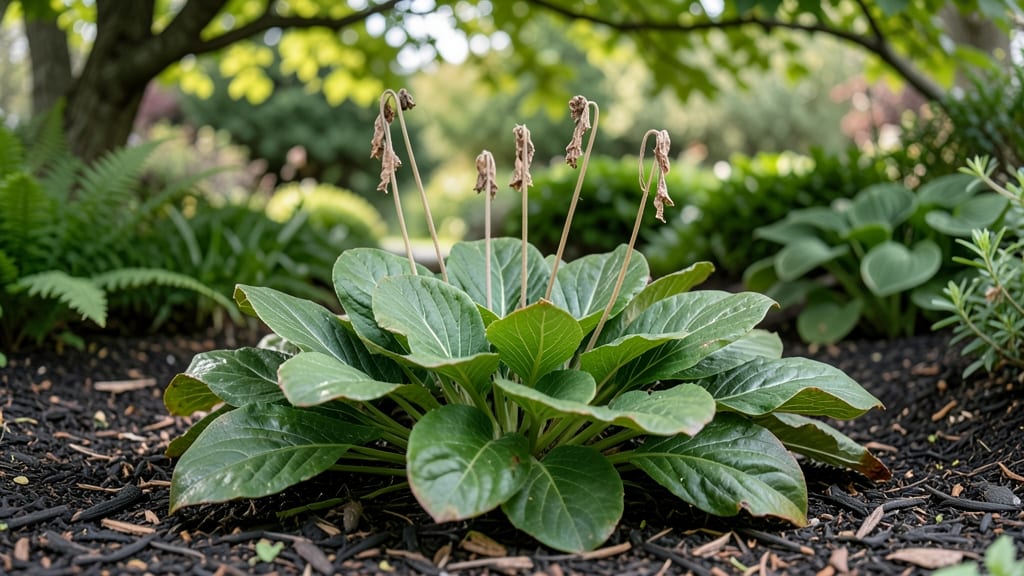
Bergenia in winter is the unsung hero of cold-climate gardens—it thrives when most perennials hide under blankets of snow. 🌿 I’ve watched mine push through frost, its deep green leaves staying crisp even when temps dip below 10°F, and that’s the magic I want to share with you.
The secret to its winter resilience? Three simple habits: mulching after the first frost, avoiding wet soil, and a late-winter pruning that clears dead growth without disturbing roots. My plants look better in February than they do in July, and they’re already sending up new shoots by early spring.
You’ll end up with a low-maintenance evergreen that feeds pollinators early, repels slugs, and gives your garden structure when everything else is dormant. The foliage turns a soft bronze in winter, adding color when most gardens are gray.
Works in zones 3-8, from full sun to partial shade, and handles everything from snow load to urban pollution. Here’s how to keep yours looking its best all winter long.
📚 In This Guide
- What you need
- Instructions
- Tips and common mistakes
- Wrapping up and next steps
What you need
- ● Bergenia plants: 1–5 mature plants (depending on desired harvest size)
- ● Prefer Bergenia cordifolia or Bergenia crassifolia for cold hardiness
- ● Well-draining soil: 2–3 cubic yards of loamy soil mixed with compost (50/50 ratio)
- ○ Optional: Add perlite or coarse sand (1 part per 5 parts soil) for better drainage
- ● Mulch: 3–4 inches of organic mulch (straw, shredded leaves, or wood chips)
- ● Garden tools: 1 trowel or hand shovel for planting
- ● 1 pruners (sterilized) for trimming
- ○ 1 garden fork for soil aeration (optional but helpful)
- ● Watering can or hose: With a gentle spray nozzle for even watering
- ● Slow-release fertilizer: 1–2 cups of balanced 10-10-10 or organic compost tea (spring/fall)
- ● Circular garden ring or edging: To define plant beds and protect roots
- ● Frost cloth or row covers: Lightweight fabric for extra protection in extreme winters
- ● pH testing kit: To ensure soil pH is between 5.0–7.0 (ideal for bergenia)
- ● Gloves & knee pads: For comfort during planting and maintenance
How to grow and maintain bergenia through winter
Here’s how I keep my bergenia thriving even when temperatures drop—no greenhouse needed.
🌱 Step 1: Choose the Right Location for Winter Resilience
Bergenia loves shade but still needs some light to keep its leaves vibrant through winter. I plant mine in partial shade—where they get 3-4 hours of morning sun but stay sheltered from harsh afternoon rays. A spot near the north side of a building or under deciduous trees works perfectly, as the leaves will naturally filter light when the tree is bare.
Check your site in winter first—if it stays frost-free for most of the season, you’re golden. If heavy snow piles up, choose a slightly elevated spot where snow slides off easily. The goal is to avoid waterlogged soil during freeze-thaw cycles, which can rot the roots.
☀️ Step 2: Prepare Soil for Cold-Hardy Growth
Bergenia thrives in well-draining, slightly acidic soil (pH 5.0-6.5). I mix 2 parts garden soil with 1 part compost and a handful of perlite to keep moisture from pooling. The roots need room to breathe, especially in winter when the ground stays cold and compacted.
Before planting, dig in a slow-release fertilizer (like 10-10-10) to give the plant a nutrient boost for early spring growth. If your soil is heavy clay, add a 1-inch layer of coarse sand to improve drainage. The key is to mimic the woodland understory where bergenia naturally grows—moist but never soggy.
🪴 Step 3: Plant at the Right Depth and Spacing
Dig a hole twice as wide as the root ball but only as deep as the container it came in. Bergenia has thick, fleshy roots that store water, so planting too deep can suffocate them. Gently loosen the roots if they’re circling and place the plant so the top of the root ball sits just below soil level—this prevents rot during wet winters.
Space plants 18-24 inches apart to allow for their clumping habit. Overcrowding leads to weak stems and fewer leaves for winter interest. After planting, water deeply until the soil is evenly moist to a depth of 6 inches. Mulch with 2-3 inches of shredded bark or leaves to insulate the roots and retain moisture.
⏰ Step 4: Winter Care—When and How to Prune
Here’s the thing—never prune bergenia in winter. The thick, leathery leaves are its winter shield, protecting the crown from freezing temperatures. Instead, I wait until late winter or early spring (when new growth starts) to trim away any yellowed or damaged leaves at the base with clean, sharp pruners.
If you notice moldy or slimy leaves in spring, that’s a sign of winter rot—remove those immediately and improve drainage next year. A light early spring fertilizer (like 10-10-10) encourages fresh growth, but hold off until after the last frost to avoid burning tender new shoots.
💧 Step 5: Water Strategically During Freeze-Thaw Cycles
Bergenia is drought-tolerant once established, but winter brings exceptions. Water only if the ground feels frozen solid—you’ll know because the soil won’t absorb moisture. If you must water in winter, do it early in the day so the roots have time to dry slightly before nighttime freezing.
In mild winters, a deep watering every 3-4 weeks keeps the plant happy. The goal is to avoid alternating freeze-thaw cycles that expand and contract the soil, damaging roots. If your area gets heavy snow, let it accumulate naturally—it acts as an insulating blanket.
Tips & tricks for perfect winter bergenia care
These simple tricks will help your bergenia survive—and even thrive—through the coldest months without any fuss.
Location Insight: That 3-4 hours of morning sun in Step 1 is crucial for winter survival. I've found that positioning bergenia near evergreen trees works beautifully—they provide shade while letting in just enough light. If your yard gets heavy snow, avoid planting in low spots where snow can pool and suffocate the roots. A slight elevation makes all the difference when freeze-thaw cycles start.
Soil Prep Secret: The 2:1 soil-to-compost ratio in Step 2 is perfect, but here's what I learned the hard way: if your soil is particularly dense, add that 1-inch layer of coarse sand before mixing. I tried skipping this once in heavy clay soil, and the roots struggled to breathe even through winter. Think of it like giving your bergenia's roots a winter coat—room to breathe means they won't suffocate when the ground stays cold.
Planting Depth Tip: When you're planting at the right depth in Step 3, don't just eyeball it—use the container as your guide. The top of the root ball should sit just below soil level, but I've seen people bury it too deep. This can cause rot because water pools around the crown during winter thaws. A good trick is to plant with the top of the root ball level with the surrounding soil, then press down gently to settle it—this gives you that slight below-ground position without guessing.
Winter Watering Wisdom: That advice to water only if the ground feels frozen solid in Step 5 is spot-on, but here's how I test it: press your finger into the soil. If it springs back slowly (like pushing into a cold sponge), it's frozen. If it sinks in easily, the roots are active and can handle moisture. In my zone 5 winters, I've only needed to water twice in December and January—always in the morning so any excess has time to evaporate before nighttime freezing.
Pro Tips for Bergenia In Winter
- These simple tricks will help your bergenia survive—and even thrive—through the coldest months without any fuss.
- Location Insight: That 3-4 hours of morning sun in Step 1 is crucial for winter survival. I've found that positioning...
- Soil Prep Secret: The 2:1 soil-to-compost ratio in Step 2 is perfect, but here's what I learned the hard way: if your...
Frequently asked questions
Can Bergenia survive extreme cold, like sub-zero temperatures?
Bergenia is a winter warrior! These hardy perennials thrive in USDA Zones 3-8 and can handle temperatures as low as -30°F (-34°C). Their thick, leathery leaves act like natural insulation, protecting them from frost. Just ensure they’re planted in well-draining soil to avoid rot if snow lingers.
Do I need to protect Bergenia from heavy snow or ice?
Generally, no—Bergenia loves snow as it adds moisture and insulates roots. However, if you’re in an area with icy buildup (like thick, compacted snow), gently brush it off to prevent leaf damage. Avoid heavy mulch piles, which can trap moisture and cause rot.
When is the best time to harvest Bergenia in winter?
Harvest Bergenia leaves after the first hard frost (when flavors sweeten) but before extreme freezes (below 10°F/-12°C). Young leaves in late fall or early winter are tender and perfect for salads. Older leaves can be cooked like spinach—just trim them close to the ground to encourage regrowth.
What can I do if my Bergenia looks brown or crispy in winter?
Brown or crispy leaves are usually normal winter dormancy, but if it’s widespread, check for:
- Overwatering (reduce watering in winter).
- Fungal issues (like powdery mildew)—prune affected leaves and improve airflow.
- Dehydration (add mulch to retain moisture).
Are there winter alternatives to Bergenia for cold-hardy greens?
If you want variety, try these frost-tolerant greens:
- Winter purslane (Claytonia)
- Kale (Brassica oleracea)
- Swiss chard (Beta vulgaris)
- Winter lettuce (Lactuca sativa)
Wrapping up and next steps
Bergenia thrives in winter, offering hardy, frost-resistant greens that keep producing even when other crops falter. Whether you're a seasoned gardener or just starting, its low-maintenance nature and versatility make it a must-have for cold-season harvests.
Ready to elevate your garden’s resilience? Start small—plant a few Bergenia crowns this fall and watch them reward you with lush, edible leaves all winter long! 🌱❄️
🌟 Next Steps:
- Pick your favorite variety (e.g., Bergenia cordifolia or Bergenia ciliaris) and order seeds/plants.
- Mark your calendar for early fall planting (before the first frost) for a head start.
- Share your progress with fellow gardeners—tag us @GreenThumbCommunity for tips and inspiration!