
Vegetables
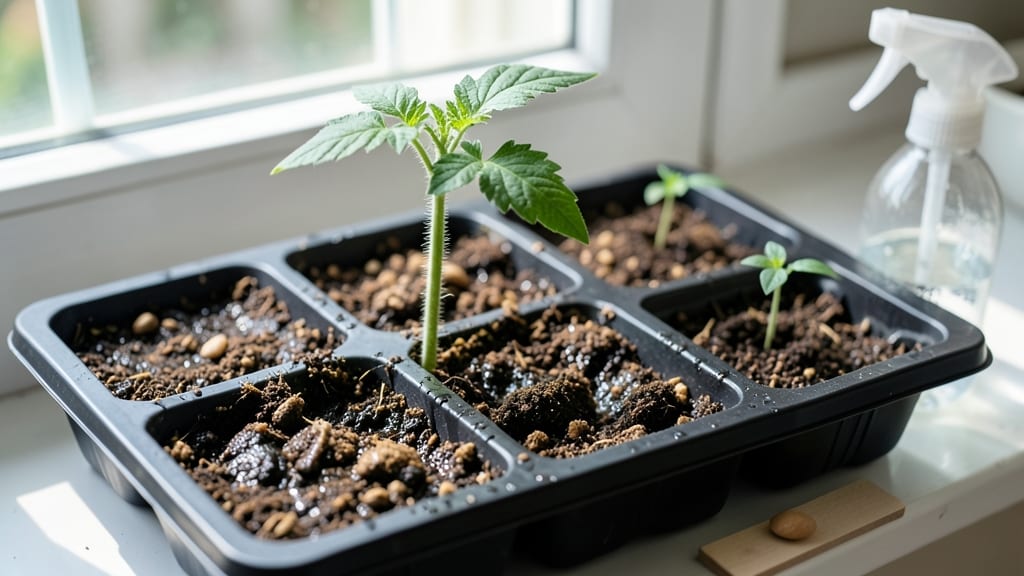
The best way to start tomato seeds in 3 days instead of 2 weeks changed everything for me—no more waiting weeks for those first sprouts to peek through. 🌱 The paper towel trick works like magic, and it’s the secret behind my foolproof seed-starting routine that even my black thumb can’t mess up. You’ll need just three things: a paper towel, a plastic bag, and a warm spot near your kitchen window. The process is simple—soak the seeds overnight, wrap them in the damp towel, and seal them in the bag. Within 72 hours, you’ll see tiny green hooks breaking through the paper, ready to transplant into soil. Once they sprout, move them into seed trays with light, airy potting mix. Keep the soil moist but not soggy, and place them under a grow light or in the sunniest window you have. By the time you’re ready to transplant, you’ll have stocky seedlings that outperform anything from the nursery. This method works for any tomato variety—heirlooms, cherry tomatoes, or beefsteaks—and saves you money while giving you a head start on the season. Here’s how to do it right the first time.
📚 In This Guide
- What you need
- Instructions
- Tips and common mistakes
- Wrapping up and next steps
What you need
- ● Tomato seeds: 5–10 seeds (depending on variety; heirlooms or hybrids work great!)
- ● Paper towels: 2–3 sheets (unbleached, seed-free, and not recycled)
- ● Spray bottle: 8–16 oz (for gentle misting—no soaking!)
- ● Plastic bag or container: Small, sealable (e.g., ziplock or Tupperware)
- ● Permanent marker: To label seeds by date/varity
- ○ Seedling trays or pots: 2–4" deep (4–6 per seedling; optional for transplanting later)
- ● Grow lights or sunny windowsill: 6–8 hours of light/day (post-germination)
- ○ Heating mat (optional): 70–85°F range (speeds up germination by 1–2 days)
- ● Fertilizer: Balanced liquid fertilizer (5-5-5 or 10-10-10; diluted to half-strength)
- ● Scissors or knife: For trimming paper towels neatly
Step-by-Step instructions for speed-germinating tomato seeds
Here's how I've perfected the paper towel trick to get strong, fast starts every time.
🌱 Step 1: Soak Seeds in Warm Water for 12 Hours
Fill a small bowl with lukewarm water (about 80°F) and add your tomato seeds. The water should cover them completely. Soaking kickstarts germination by softening the seed coat and hydrating the embryo. I like to use a clear bowl so I can watch the seeds plump up over time.
Let them soak overnight—12 hours total. You'll notice the seeds swell and double in size. Don't skip this step; dry seeds can take 10-14 days to germinate, while soaked seeds often sprout in just 3 days. After soaking, drain the water completely using a fine mesh strainer or paper towel.
🧻 Step 2: Sandwich Seeds Between Damp Paper Towels
Lay a clean paper towel flat on a plate or tray. Spritz it lightly with water until it's damp but not dripping—think of a wrung-out sponge. Place the soaked seeds about 1 inch apart in a single row. Fold another damp paper towel over the top and press gently to create a snug seal.
This creates a mini greenhouse effect that keeps seeds consistently moist. I like to place the tray in a plastic bag to trap extra humidity, which speeds up germination. Store it in a warm spot, like on top of the fridge or near a sunny window. Check daily—you'll see tiny white sprouts peeking through in just 2-3 days.
🌱 Step 3: Transfer Sprouted Seeds to Soil
Once the seeds have sprouted (you'll see the white radicle breaking through), carefully unfold the paper towels. Gently place each sprout into a 2-3 inch deep seedling pot filled with moist potting mix. The sprout should sit just below the soil surface—no deeper, or it'll struggle to reach light.
Press the soil lightly around the sprout to secure it without compacting. Water gently with a spray bottle to settle the soil. Place the pots under a grow light immediately—tomato seedlings need 14-16 hours of light daily to stay strong. You'll notice the first true leaves (not the initial seed leaves) emerge in about 7-10 days.
☀️ Step 4: Provide Ideal Light and Temperature
Keep the soil consistently moist but never soggy. Stick your finger 1 inch deep—if it feels dry, water lightly. A humidity dome helps retain moisture while seedlings establish. Maintain a temperature of 70-75°F during the day and 60-65°F at night for best growth.
Watch for leggy seedlings (long, thin stems with sparse leaves)—this means they're reaching for light. If this happens, move the grow light closer (within 2-4 inches) or add a second light. Strong seedlings have thick stems and dark green leaves. Once they have 2-3 sets of true leaves, they're ready for their own 4-inch pots.
Tips & tricks for speed-germinating tomato seeds
Here's what nobody tells you—these little details make all the difference between waiting weeks and seeing sprouts in just days.
Water Temperature Matters: That lukewarm water in Step 1 should feel comfortable to your wrist, not hot. Too hot water can cook the seeds before they even have a chance to start. I keep a thermometer handy to confirm it's exactly 80°F—any lower and the seeds won't absorb moisture properly, any higher risks damaging the delicate embryos.
The Humidity Hack: In Step 2, when you place the paper towel sandwich in a plastic bag, don't just seal it loosely—press the bag edges tightly around the tray to create a proper seal. This traps humidity right where the seeds need it. I poke a few tiny holes in the bag if I'm using it for more than 24 hours to prevent mold, but for the initial 2-3 days, that sealed environment is exactly what speeds up germination.
Light Positioning: After transferring sprouted seeds to soil in Step 3, position your grow light so it's within 2-4 inches of the seedlings—not directly touching, but close enough that you can almost feel the warmth. I like to use a clip-on light that lets me adjust height easily. The key is keeping the light intensity bright enough that the seedlings grow toward it but not so intense they burn the delicate leaves.
Soil Moisture Test: In Step 4, when checking soil moisture, stick your finger in about an inch deep—this is the critical zone where roots are establishing. If it feels dry, water gently until moisture reaches that depth. Too much water causes rot, too little causes stress. I use a spray bottle for this step because it gives me precise control over how much moisture I'm adding without disturbing the seedlings.
Pro Tips for Best Way To Start Tomato Seeds
- Here's what nobody tells you—these little details make all the difference between waiting weeks and seeing sprouts in just days.
- Water Temperature Matters: That lukewarm water in Step 1 should feel comfortable to your wrist, not hot.
- The Humidity Hack: In Step 2, when you place the paper towel sandwich in a plastic bag, don't just seal it loosely—press the bag edges tightly around the tray to create a proper seal.
Frequently asked questions
Got questions about starting tomato seeds the right way?
Here are answers to the most common ones—so you can avoid pitfalls and grow like a pro!
How soon can I transplant seedlings after they germinate?
Wait until seedlings have 2-3 true leaves (not just the first "seed leaves") and are sturdy enough to handle. This usually takes 7–14 days after germination. Harden them off for 3–5 days before transplanting to prevent shock. Use a paper towel trick to speed up germination, but don’t rush—patience here pays off!
What’s the fastest way to germinate tomato seeds?
The paper towel method works in just 3–5 days! Soak seeds overnight, then sandwich them between damp paper towels in a sealed bag. Keep them in a warm spot (75–85°F) and check daily. For extra speed, use a seedling heat mat—it cuts germination time by half compared to soil!
Why are my seeds moldy or rotting?
Mold or rot usually means too much moisture or poor airflow. If using the paper towel method, pat towels dry between checks and avoid sealing in airtight containers. For soil starts, use sterilized soil and small pots (2–3 inches deep) to prevent overwatering. Discard any mushy seeds—don’t risk spreading mold!
When is the best time to start tomato seeds indoors?
Timing depends on your climate! Start 6–8 weeks before your last frost date for most varieties. For early starts (like heirlooms), begin indoors in February–March (Zone 5–7). Use a grow light to prevent leggy seedlings. Pro tip: Label seeds with dates—some take longer to mature than others!
Can I reuse seed-starting trays or soil?
Reuse trays after sterilizing with a 10% bleach solution (1 part bleach to 9 parts water). For soil, pasteurize it in the oven (200°F for 30 mins) or microwave (2 mins in a sealed bag) to kill pathogens. Fresh, sterile soil reduces the risk of disease—worth the effort!
What if my seeds don’t germinate?
Don’t panic! First, check if they’re still viable—test a few in warm water. If they sink, they’re good; if they float, they’re likely dead. Try scarifying (lightly nicking the seed coat) or soaking in warm water for 24 hours to break dormancy. If all else fails, order new seeds—some varieties just need the right conditions!
Wrapping up and next steps
Starting tomato seeds with the paper towel trick is a game-changer—fast, budget-friendly, and perfect for impatient gardeners! 🌱 By following these steps, you’ll speed up germination in just 3 days and give your plants a head start for a bountiful harvest.
Now that you’re armed with the best techniques, it’s time to roll up your sleeves and watch those seeds sprout like magic.
Ready to dive in? Grab your supplies, set up your seed station, and get growing! Once your seedlings are thriving, you’ll be eager to transplant them—so stay tuned for our next guide on nurturing healthy tomato seedlings.