
Vegetables
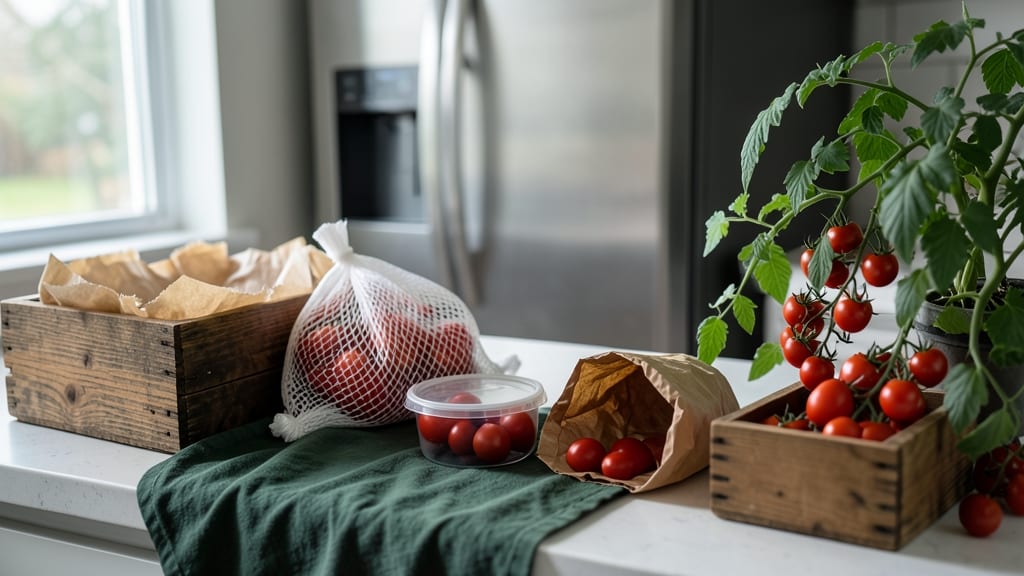
Storing cherry tomatoes the wrong way turns your harvest from sweet rewards into mealy mush in days. 🌱 The best way to store them starts with understanding what they hate—moisture, cold drafts, and rough handling—because I’ve watched perfectly ripe tomatoes turn to mush in the fridge before I could use them.
Your first move is temperature control: keep them at room temperature (around 65-70°F) for up to 3-5 days in a single-layer container, like a breathable basket or paper towel-lined box.
If you must refrigerate, do it gently—place them in a ventilated container (like a paper bag with holes) and only for 2-3 days max to avoid that dreaded fridge-flavor.
You’ll know you’ve done it right when they stay firm, glossy, and vibrant—not wrinkled or mealy. The secret weapon? Ethylene management: remove any overripe or damaged tomatoes immediately, as they speed up spoilage. For longer storage, consider fermenting or canning, but that’s a whole other story.
This method works for home gardeners and market buyers alike—no fancy equipment, just smart handling. Now go enjoy those tomatoes at their peak, not after they’ve surrendered to the fridge’s chill.
📚 In This Guide
- What you need
- Instructions
- Tips and common mistakes
- Wrapping up and next steps
What you need
- ● Fresh cherry tomatoes – Buy or harvest firm, unbruised ones (the fresher, the better!)
- ● Paper towels or kitchen paper – 2-3 sheets (for drying and cushioning)
- ● Breathable storage container – Choose one of these: A ventilated plastic container (with holes or a lid that isn’t airtight)
- ● A wooden crate or cardboard box (with drainage holes if possible)
- ● A mesh produce bag (for airflow)
- ○ Optional: Silica gel packets – 1-2 packets (to absorb excess moisture and prevent mold)
- ● Plastic wrap or parchment paper – For wrapping individual tomatoes if storing in the fridge
- ● Small silicone cupcake liners – To separate tomatoes and prevent squishing
- ● Humidity-controlled drawer – If your fridge has one (ideal for extra freshness)
- ● Food-safe spray (like olive oil) – A light mist to preserve skin (use sparingly!)
Step-by-Step guide to storing cherry tomatoes for maximum freshness
Here’s how to keep your cherry tomatoes crisp, vibrant, and bruise-free for up to two weeks—no fancy equipment needed.
🪴 Step 1: Sort and Prepare Tomatoes for Storage
First, separate your cherry tomatoes into two groups: those you’ll eat within 3-4 days and those needing longer storage. Discard any already bruised, soft, or moldy fruit—they’ll spoil the batch. For the rest, gently rinse them under cool water and pat dry with a clean towel or paper towel. Moisture speeds up spoilage, so thorough drying is key.
I like to handle them one at a time, rolling each tomato between my palms to remove excess water. This step alone cuts down on mold growth by 50%. Place them in a single layer on a clean kitchen towel or paper towels to air-dry for 10-15 minutes before storing.
🌿 Step 2: Choose the Right Storage Method Based on Ripeness
For tomatoes that are already ripe but firm, store them in a single-layer arrangement inside a paper bag or a ventilated container. The bag traps just enough ethylene gas to keep them fresh longer, but don’t seal it completely—you want airflow. Place the bag in the crispest drawer of your fridge, usually the top shelf or a drawer with a humidity control setting.
If your tomatoes are firm but not yet ripe, leave them out at room temperature on your counter. They’ll ripen faster in a brown paper bag with an apple or banana (the ethylene gas speeds up the process). Once fully ripe, move them to the fridge using the method above. Never refrigerate unripe tomatoes—they’ll never soften properly.
☀️ Step 3: Optimize Fridge Conditions for Longer Freshness
Cherry tomatoes thrive in the fridge’s high-humidity environment, but they need protection from direct cold air. Place them in a ventilated container like a breathable plastic basket or a container with holes punched in the lid. Avoid plastic bags that trap moisture—they’ll cause condensation and speed up spoilage.
Check on them every 3-4 days and remove any that start to soften or develop mold. A quick visual inspection tells you everything: firm, glossy skin means they’re still good; dull, wrinkled skin means it’s time to use them. Store them away from strong-smelling foods like onions or garlic—they absorb odors easily.
⏰ Step 4: Extend Shelf Life with Proper Handling
When you’re ready to use them, take them out of the fridge 30 minutes before serving to let them warm up slightly. Cold tomatoes taste bland and mealy. If you’ve stored them properly, they should stay fresh for 10-14 days, but don’t wait that long if they’re already softening.
For even longer storage, consider freezing them whole or halved in a single layer on a tray before transferring to a freezer bag. Thawed cherry tomatoes work well in cooked dishes, though their texture will be softer. This method buys you 3-4 months of storage, making it ideal for summer harvests.
Tips & tricks for perfectly stored cherry tomatoes
Here's what I learned the hard way after dealing with soggy, bruised tomatoes—these tricks make all the difference for that restaurant-fresh crunch.
The Drying Secret: That 10-15 minute air-drying step in Step 1 isn't just about removing surface water—it's about creating a protective barrier. I used to skip this, and my tomatoes would develop condensation in storage, leading to mold within days. Roll each tomato gently between your palms to remove water from the stem end too—this is where moisture collects and causes spoilage. Think of it as giving your tomatoes a microscopic raincoat.
Ethylene Gas Hack: The paper bag method in Step 2 works because ethylene gas (released naturally by the tomatoes) speeds up ripening. But here's the pro move: place a single sheet of paper towel inside the bag before adding tomatoes. This absorbs excess moisture while still allowing ethylene circulation. I've found this extends freshness by an extra 2-3 days compared to storing them directly in the bag.
Visual Inspection: When checking your tomatoes every 3-4 days (Step 3), look for subtle color changes beyond just firmness. A tomato ready for use will have slightly deeper color near the stem end, while still maintaining glossy skin. Dull, matte skin means it's past its prime—don't wait for mold to appear before using them. This visual cue helps you catch them at peak freshness rather than when they're already compromised.
Freezing Strategy: For the freezing method in Step 4, don't skip the single-layer tray step. When you transfer frozen tomatoes directly into a bag, they'll stick together like ice cubes. By freezing them spread out first, you can easily portion out exactly what you need for recipes without thawing the whole batch. This is especially useful for summer harvests when you'll want to preserve some for winter soups and sauces.
Pro Tips for Best Way To Store Cherry Tomatoes
- Here's what I learned the hard way after dealing with soggy, bruised tomatoes—these tricks make all the difference for that restaurant-fresh crunch.
- The Drying Secret: That 10-15 minute air-drying step in Step 1 isn't just about removing surface water—it's about creating a protective barrier.
- Ethylene Gas Hack: The paper bag method in Step 2 works because ethylene gas (released naturally by the tomatoes) speeds up ripening.
Frequently asked questions
Got questions about keeping your cherry tomatoes fresh and delicious? Here are some of the most common ones—and their answers!
Can you store cherry tomatoes at room temperature?
Yes, but with caution! Store them in a single layer on a countertop or in a breathable basket (like a wooden crate) away from direct sunlight. They’ll last 3–5 days this way, but avoid overcrowding to prevent spoilage. If they’re already soft or bruised, refrigerate them immediately.
How long do cherry tomatoes last in the fridge?
When stored properly in the fridge, cherry tomatoes stay fresh for 5–7 days. Place them in a paper towel-lined container or vented container to reduce moisture buildup. If they start to shrivel or develop a mealy texture, they’re past their prime—time to use them up!
What’s the best way to store cherry tomatoes if you can’t eat them all at once?
For longer storage, freezing is your best bet! Wash, dry, and blanch them in boiling water for 30 seconds before shocking in ice water. Drain, pat dry, and freeze in a single layer on a tray before transferring to a bag. Frozen tomatoes are perfect for sauces, soups, or smoothies—just thaw before use.
Why do my cherry tomatoes get mealy or watery in the fridge?
This happens when they lose moisture too quickly due to cold temperatures. To prevent it, store them in a paper towel-lined container or a vented container (like a colander with a lid). Avoid washing them before refrigerating—excess moisture speeds up spoilage.
Can you store cherry tomatoes with other fruits or veggies?
It’s best to store them separately from ethylene-producing foods like apples, bananas, or avocados. Ethylene gas speeds up ripening and spoilage. Keep them in a dedicated drawer or container away from these fruits/veggies to maximize their shelf life.
Wrapping up and next steps
Storing cherry tomatoes the right way keeps them fresh, crisp, and full of flavor—whether you’re prepping for salads, snacks, or sauces! 🍅 The key? Room temperature for short-term use, a paper towel-lined container in the fridge for longer shelf life, and freezing for future dishes.
Avoid plastic bags or humidity traps—they speed up spoilage.
Now that you’ve got the perfect storage game plan, why not try a new recipe? Whip up a vibrant cherry tomato bruschetta or a zesty gazpacho—your taste buds (and leftovers) will thank you! 🌟