
Vegetables
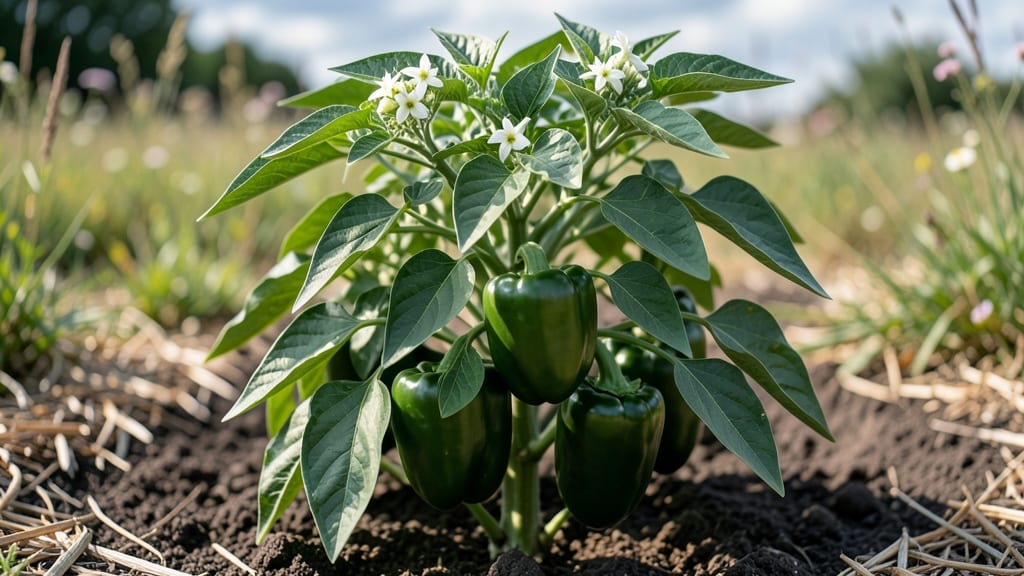
Growing Big Bertha green peppers means you’ll get massive, sweet peppers that outsize store-bought varieties by three times—even in cooler climates. 🌱 These heirloom giants thrive in containers, making them perfect for small spaces or balconies where traditional gardens won’t work. The key?
Starting them indoors early and giving them plenty of warmth later. This pepper loves full sun (6+ hours daily) and well-draining soil mixed with compost. Containers should be at least 5 gallons—think big, because these plants grow wide.
Water consistently but avoid soggy soil, and fertilize lightly every 4-6 weeks. The payoff? Peppers that weigh 1-2 pounds each, perfect for stuffing, grilling, or fresh snacking. You’ll know they’re ready to harvest when they’re 8-12 inches long and glossy green, usually 75-90 days after transplanting.
Pick them before they turn red if you prefer green peppers. The flavor? Sweet, mild, and packed with that classic bell pepper taste—just bigger. For beginners, the biggest mistake is underestimating their size. Use sturdy containers, prune suckers early, and watch them flourish.
Even in Zone 5, they’ll reward you with a bumper crop if you give them the right conditions. Let’s get those peppers growing!
📚 In This Guide
- What you need
- Instructions
- Tips and common mistakes
- Wrapping up and next steps
What you need
- ● Big Bertha pepper seeds or seedlings: 1–3 plants (or 3–5 seeds per container if starting from seed). Choose Capsicum annuum seeds labeled for cold tolerance.
- ○ Containers: 5-gallon pots or larger (minimum 12" diameter) with drainage holes. Optional: Self-watering pots for convenience.
- ○ High-quality potting mix: 1 bag (sterile, well-draining soil blend). Optional: Add 20% perlite or compost for extra nutrients.
- ○ Fertilizer: Balanced organic fertilizer (10-10-10 or 5-5-5) or compost tea. Optional: Slow-release granules for long-term feeding.
- ● Mulch: Straw or shredded leaves (1–2 inches) to retain moisture and regulate soil temp.
- ● Gloves & trowel: For planting and soil prep.
- ● Watering can or hose with gentle nozzle: Avoid overwatering—Big Berthas hate soggy roots!
- ○ Support stakes or cages: 3–4 ft tall (peppers grow 18–24" tall). Optional: Trellis for vertical growth in small spaces.
- ○ Sunlight access: Full sun (6+ hours/day). Optional: Grow lights for indoor setups.
- ● Cold-hardy climate or greenhouse: Big Berthas tolerate light frosts (down to 28°F) but thrive in zones 3–10.
Step-by-step guide to growing Big Bertha green peppers in containers
Here’s my foolproof method for growing this cold-hardy, container-friendly pepper variety—perfect for small spaces or cooler climates.
🌱 Step 1: Choose the Right Containers and Soil Mix
Big Bertha peppers need 5-gallon containers minimum to support their sprawling roots and heavy fruit production. I use fabric grow bags because they prevent root circling and allow excess moisture to evaporate. Fill each with a blend of 60% premium potting mix and 40% compost—this gives the peppers the nutrients they crave while ensuring excellent drainage.
Squeeze a handful of the mix: it should hold its shape but crumble easily when pressed. If it sticks together like clay, add more perlite or vermiculite until it feels light and airy. Pre-moisten the soil until it’s damp but not soggy—you’ll know it’s right when water runs through the bottom without pooling.
☀️ Step 2: Plant Transplants at the Right Time and Depth
Wait until after your last frost date and soil temperatures reach 65°F or warmer—Big Berthas won’t thrive in cold soil. Plant your 4-6 week-old seedlings (or store-bought transplants) 1-2 inches deeper than they grew in their nursery pots. This encourages stronger root development from buried stems.
Gently remove the seedling from its container, tease the roots apart if they’re circling, and place it in the hole. Fill around the base with soil, pressing lightly to eliminate air pockets. Space plants 18-24 inches apart—crowding leads to poor air circulation and disease. Water immediately after planting to settle the soil and remove any air gaps.
💧 Step 3: Water Deeply and Maintain Consistent Moisture
Big Bertha peppers hate soggy roots but also can’t tolerate drought. Water deeply once a week until the top 2-3 inches of soil feel dry. Use a moisture meter for accuracy—aim for 60-70% soil moisture at all times. I water in the morning so foliage dries quickly, reducing fungal risks like blight.
Mulch with 2-3 inches of straw or shredded leaves to retain moisture and keep roots cool. Avoid wetting the leaves when watering—aim the hose at the soil base. You’ll notice the plants start to wilt slightly by late afternoon on hot days—that’s normal, but if they stay wilted overnight, they need more water.
✂️ Step 4: Prune and Support for Heavy Fruit Production
Pinch off the first few flowers that appear to encourage stronger plant growth. Once the plant is established, prune suckers (the small shoots that form in the leaf axils) to direct energy into fruit production. I leave 1-2 main stems per plant, removing any that grow at sharp angles—this keeps the plant balanced and prevents breakage under the weight of Big Bertha’s 1-pound peppers.
Install a sturdy cage or trellis at planting time—these peppers get top-heavy. I use 5-foot-tall tomato cages because they provide enough support without restricting airflow. As fruit develops, tie the heaviest peppers to the cage with soft plant ties to prevent stem snapping. Harvest when peppers reach 8-10 inches long for best flavor.
🌿 Step 5: Fertilize and Protect Through the Season
Feed every 3-4 weeks with a balanced 10-10-10 fertilizer diluted to half-strength. Big Bertha peppers are heavy feeders, but too much nitrogen leads to leafy growth at the expense of fruit. Switch to a 5-10-10 formula when flowers appear to boost phosphorus for better fruit set.
Watch for pests like aphids or hornworms—these peppers are a magnet for them. I spray with neem oil at the first sign of trouble and hand-pick larger pests. In cooler climates, protect plants from late-season frosts with row covers. You’ll know they’re thriving when they produce 20+ peppers per plant—these aren’t your average snack-sized peppers, but true garden giants.
Tips & tricks for growing Big Bertha green peppers in containers
Took me years of trial and error to perfect these container-growing secrets—here's how to avoid my mistakes and get those massive peppers every time.
Container Selection: Fabric grow bags are my top choice because they prevent root circling and allow excess moisture to evaporate naturally, which is critical for these heavy-feeding plants. If you must use plastic, poke drainage holes in the bottom—Big Berthas will wilt dramatically if their roots suffocate. I've seen containers with no drainage holes cause plants to collapse within days from root rot.
Soil Mix Science: The 60% potting mix to 40% compost ratio isn't arbitrary—it balances drainage with nutrients. For the best results, mix in 1 cup of perlite per 5-gallon container. This creates air pockets that prevent compaction, which is especially important since these peppers develop such heavy fruit. I always test my mix by squeezing a handful—it should hold its shape but crumble when pressed, like damp sand.
Planting Depth Trick: Burying seedlings 1-2 inches deeper than their nursery pots might seem counterintuitive, but it works wonders. The buried stem develops additional roots that anchor the plant and support those 1-pound peppers. When transplanting, gently tease apart any circling roots—this prevents girdling as the plant grows. I've seen plants with tightly circling roots produce only half the expected yield because their energy goes to struggling roots instead of fruit production.
Support System Strategy: Don't wait until peppers appear to install support—set up your 5-foot tomato cages at planting time. Big Berthas develop top-heavy fruit that can snap stems when they reach 8-10 inches. I use soft plant ties to secure the heaviest peppers, and always tie them to the cage rather than the plant stem. This prevents stem damage and allows the plant to grow naturally while supporting the fruit load.
Pro Tips for Big Bertha Green Pepper
- Took me years of trial and error to perfect these container-growing secrets—here's how to avoid my mistakes and get those massive peppers every time.
- Container Selection: Fabric grow bags are my top choice because they prevent root circling and allow excess moisture to evaporate naturally, which is critical for these heavy-feeding plants.
- Soil Mix Science: The 60% potting mix to 40% compost ratio isn't arbitrary—it balances drainage with nutrients.
Frequently asked questions
Got questions about growing Big Bertha green peppers? You’re not alone!
This cold-hardy variety is a favorite, but it’s smart to know the basics before planting. Here are answers to the most common queries—so you can grow like a pro.
Can Big Bertha green peppers survive in cold climates?
Big Bertha is one of the few green pepper varieties that tolerates cooler temperatures—down to 28°F (-2°C)—but it still thrives best in USDA Zones 3-10. For extra protection, grow in containers and move them indoors or under cover when frost threatens. If you’re in a colder zone, start seeds indoors 8-10 weeks before your last frost date for a head start!
How long does it take for Big Bertha peppers to mature?
From seed to harvest, expect 70-85 days under ideal conditions. If you’re transplanting seedlings, reduce that to 60-75 days. Patience pays off—these peppers grow large (up to 12 inches long!), so give them space and consistent care. Pro tip: Harvest when firm but still tender for the best flavor.
Can I grow Big Bertha peppers in containers?
This variety loves containers—just use a pot at least 12-18 inches deep with drainage holes. A 5-gallon bucket or fabric grow bag works great. Since container plants dry out faster, water daily during hot spells and fertilize every 2-3 weeks with a balanced veggie feed. Bonus: Moving pots to sunny spots helps maximize yield!
What’s the difference between Big Bertha and other green peppers?
Big Bertha stands out for its massive size, cold tolerance, and thick walls—perfect for stuffing, grilling, or roasting. Most green peppers (like Jalapeños or Bell Peppers) are smaller, thinner-walled, and less hardy in cool weather. If you love big, meaty peppers but hate dealing with heat-sensitive varieties, Big Bertha is your go-to!
Why aren’t my Big Bertha peppers producing?
Blame it on stress factors! Common culprits include:
- Not enough sun: Needs 6-8+ hours of direct sunlight daily.
- Poor pollination: Gently shake plants or hand-pollinate with a paintbrush.
- Nutrient deficiency: Yellow leaves? Feed with phosphorus-rich fertilizer.
- Temperature swings: Peppers stop setting fruit if temps drop below 55°F (13°C).
Wrapping up and next steps
Growing Big Bertha green peppers is a rewarding adventure—whether you're a seasoned gardener or a curious beginner! This cold-hardy variety proves that big flavors don’t require a tropical climate, especially when planted in containers.
With the right soil, sunlight, and care, you’ll soon be harvesting hearty, homegrown peppers that elevate every dish.
Ready to take the next step? Start by planting your seeds or seedlings this season—your taste buds (and dinner table) will thank you! 🌱🍽️