
Vegetables
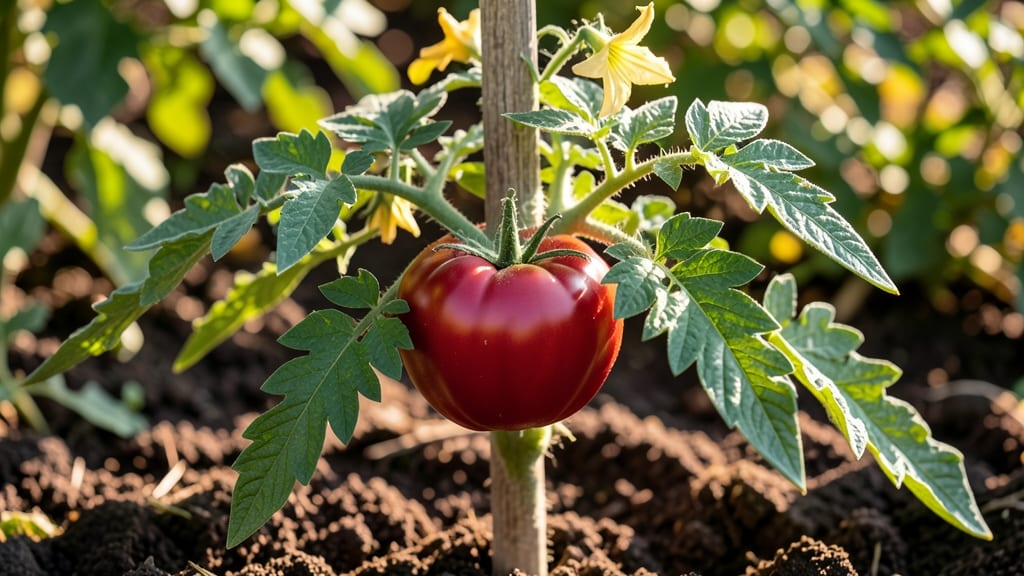
Growing beefsteak heirloom tomatoes in pots changed everything—those 6-ounce slicers taste like summer even when temps dip below 50°F. 🌱 I learned the hard way that standard varieties wilt in cool weather, but this cold-hardy heirloom thrives in containers, producing juicy, meaty fruits until frost. The secret?
A sturdy 5-gallon pot, morning sun, and a little extra care when nighttime temps drop. This isn’t your grandma’s tomato plant—it’s a compact powerhouse that handles cooler climates better than most.
You’ll need well-draining soil, consistent watering (but no soggy roots), and a cage or trellis to support those heavy beefsteaks. Even in Zone 5, I’ve had plants produce fruit well into September with the right setup. By midsummer, you’ll be slicing ribs of red straight from your balcony or patio.
The flavor? Deep, smoky-sweet with just a hint of tang—nothing like store-bought. And the best part? No blight battles or pest invasions if you follow a few simple rules. Perfect for small spaces, renters, or anyone tired of floppy, disease-prone tomatoes.
Let’s get those seeds started—or grab a transplant and watch it grow!
📚 In This Guide
- What you need
- Instructions
- Tips and common mistakes
- Wrapping up and next steps
What you need
- ● Container: A 5-gallon or larger pot (18"+ diameter) with drainage holes. Fabric grow bags (5+ gallons) work too!
- ● Beefsteak heirloom tomato seeds or seedlings: Choose cold-hardy varieties like 'Brandywine' or 'Cherokee Purple' (4-6 plants for a bountiful harvest).
- ● Potting mix: A high-quality, sterile, well-draining mix (avoid garden soil). Look for organic blends with perlite or vermiculite.
- ● Tomato cages or stakes: 6+ foot cages or sturdy bamboo stakes (1-2 per plant for support).
- ● Fertilizer: A balanced organic fertilizer (10-10-10 or 5-5-5) or compost for slow-release nutrients.
- ● Mulch: Straw or shredded leaves to retain moisture and regulate soil temp.
- ● Watering can or hose with a gentle spray nozzle: Avoid soggy soil—aim for deep watering 1-2x daily in hot weather.
- ● Self-watering pot: Reduces maintenance if you travel often.
- ● Pruning shears: For pinching suckers to boost fruit size.
- ● Epsom salt: A tablespoon per plant monthly for magnesium (prevents yellowing leaves).
- ● Shade cloth (30-50% coverage): Protects from intense afternoon sun in hot climates.
- ● Grow lights (if indoors): 12-16 hours of bright LED light per day for seedlings.
Step-by-Step guide to growing beefsteak heirloom tomatoes in pots
Here's how I grow these cold-hardy beauties—strong, flavorful, and perfect for containers.
🌱 Step 1: Choose the Right Pot and Prepare the Soil Mix
Select a container at least 18-24 inches deep with drainage holes—beefsteak tomatoes need room for their deep roots. I use fabric grow bags because they allow airflow and prevent soil compaction. Fill the pot with a mix of 60% potting soil, 30% compost, and 10% perlite for drainage. This blend gives roots the airy, nutrient-rich environment they crave.
Moisten the mix until it feels like a damp sponge—you shouldn’t see puddles, but it should hold together when squeezed. The goal is a light, fluffy texture that won’t suffocate roots. I always add a handful of worm castings to the mix for extra microbial activity, which beefsteak tomatoes love for their vigorous growth.
☀️ Step 2: Plant and Provide Support Early
Dig a hole in the center of the pot, place your beefsteak seedling in, and backfill with soil until the stem is just below the soil line. Press gently around the base to eliminate air pockets. Immediately insert a sturdy tomato cage or stake—these plants grow fast, and waiting means struggling to add support later. I like to use a 5-foot bamboo stake tied with soft twine to guide the main stem upward.
Water deeply right after planting to settle the soil and encourage root spread. Beefsteak tomatoes need consistent moisture, but soggy soil invites rot. You’ll know you’ve got the right balance when water drains freely from the bottom but the top inch stays slightly damp to the touch.
💧 Step 3: Water and Feed for Maximum Growth
Water when the top 2 inches of soil feel dry, aiming for 1-1.5 gallons per watering depending on pot size. I water at the base in the morning to reduce evaporation and fungal risks. Beefsteaks are heavy feeders, so I fertilize every 2 weeks with a balanced organic fertilizer (10-10-10) after the first flowers appear. This ensures steady fruit production without bitter flavors.
Watch for signs of thirst—leaves will cup upward or develop slight wilting at the edges. If you see this, water immediately but don’t overdo it. These tomatoes hate soggy feet but reward consistent moisture with juicy, flavorful beefsteaks. Mulch the surface with straw to retain moisture and keep roots cool during hot afternoons.
✂️ Step 4: Prune and Train for Stronger Plants
Once your plant reaches 18 inches tall, start pruning suckers—the little shoots that grow in the leaf axils. Remove these aggressively to direct energy into fruit production rather than foliage. I leave just 2-3 main stems for beefsteaks, as they produce fewer but larger tomatoes. Prune in the morning when the plant is turgid and wounds heal faster.
Train the main stems along your support structure, tying them loosely with twine every 10-12 inches. This prevents stem breakage under the weight of heavy beefsteak fruits. Regular pruning also improves airflow, reducing the risk of blight—a common issue with heirloom tomatoes. You’ll see stronger stems and fewer leaves shading the fruit, which means bigger, sunnier tomatoes.
🍅 Step 5: Harvest and Extend the Season
Pick beefsteaks when they’re fully colored but still slightly firm—this ensures peak flavor and prevents cracking. I harvest in the morning after dew has dried, using pruning shears to avoid damaging the stem. These tomatoes ripen unevenly, so I check daily and bring unripe ones indoors to finish on the counter. A single beefsteak can weigh 12-16 ounces, so handle them gently to avoid bruising.
To extend your harvest, cover plants with a frost blanket when nighttime temps drop below 50°F. Beefsteaks are more cold-tolerant than most heirlooms, but they still appreciate protection. With proper care, I’ve had plants produce until the first hard frost, giving me months of restaurant-quality tomatoes from a single pot.
Tips & tricks for growing cold-hardy beefsteak tomatoes
These practical strategies will help you coax the best possible harvest from your container-grown beefsteaks—no matter your climate.
Soil Mix Secret: The 60-30-10 blend of potting soil, compost, and perlite is non-negotiable for beefsteaks. I've found that adding an extra 10% coconut coir to the mix improves moisture retention without compacting, which is especially helpful in hotter climates. The key is maintaining that airy texture—think fluffy cake batter, not wet sand.
Pruning Precision: When you reach Step 4 and start pruning suckers, focus on removing anything growing below the first flower cluster. These early suckers drain energy from fruit production. I use sharp pruning shears dipped in rubbing alcohol between cuts to prevent disease transmission—a habit that's saved my plants from blight multiple times.
Watering Wisdom: The 1-1.5 gallon guideline is perfect, but timing matters more than quantity. I've learned to water at the base using a soaker hose or watering wand in the early morning—this prevents fungal spores from splashing onto leaves. For containers, I add a layer of hydro mulch (a gel-like substance) on top of the soil to lock in moisture and keep roots cool during summer heatwaves.
Cold Protection: While beefsteaks tolerate 50°F nights better than most heirlooms, I've developed a two-layer defense system. First, I wrap the pot in bubble wrap before applying the frost blanket. This extra insulation lets me push the protection threshold down to 40°F without stressing the plant. The bubble wrap also prevents soil temperature fluctuations that can shock the roots.
Pro Tips for Beefsteak Heirloom Tomato
- These practical strategies will help you coax the best possible harvest from your container-grown beefsteaks—no matter your climate.
- Soil Mix Secret: The 60-30-10 blend of potting soil, compost, and perlite is non-negotiable for beefsteaks.
- Pruning Precision: When you reach Step 4 and start pruning suckers, focus on removing anything growing below the first flower cluster.
Frequently asked questions
about growing beefsteak heirloom tomatoes in pots—because every gardener deserves a little clarity!How cold can beefsteak heirloom tomatoes tolerate in pots?
Beefsteak heirlooms are cold-hardy but still need protection. Young plants handle light frosts (28–32°F) if potted in insulated containers (like fabric grow bags). Mature plants prefer 50°F+ for growth. Use row covers or move pots indoors during hard freezes.
When is the best time to transplant beefsteak tomato seedlings into pots?
Wait until after the last frost and soil temps hit 55°F+—usually 2–3 weeks before your area’s last frost date. Hardened-off seedlings (4–6 weeks old) thrive best. Use a large pot (5+ gallons) with drainage to prevent root stress.
Can I grow beefsteak tomatoes in small pots, or do they need deep containers?
No small pots!
Beefsteaks need 5+ gallons per plant (or deeper) to support their heavy fruit. Shallow containers stunt growth. Opt for fabric grow bags, 18"+ deep pots, or 5-gallon buckets with a sturdy cage or trellis.
Why are my beefsteak tomatoes cracking—even though I’m watering consistently?
Cracking happens when soil moisture fluctuates wildly. Mulch pots to retain even moisture, and water deeply 1–2x/week (not daily). Avoid overhead watering—use drip irrigation or bottom-watering. Heat waves also stress plants; shade cloth helps.
What’s the easiest alternative if beefsteak tomatoes fail in my climate?
Try ‘Brandywine’ (another heirloom) or ‘Celebrity’ (hybrid)—both handle pots well. For cooler areas, ‘Mountain Merit’ (disease-resistant) or ‘Solar Fire’ (early producer) are great. All need full sun (6–8 hrs) but adapt better to temps than beefsteaks.
Pro Tip:
Boost yields by pruning suckers (shoots in leaf axils) and fertilizing with compost tea every 2 weeks. Beefsteaks reward patience—one plant = 10+ lbs of tomatoes!
Wrapping up and next steps
Growing beefsteak heirloom tomatoes in pots isn’t just possible—it’s a rewarding way to enjoy juicy, flavor-packed harvests even in small spaces! 🌱 Whether you’re a seasoned gardener or a beginner, this cold-hardy variety proves that container gardening can be just as bountiful.
Now that you’re armed with the right tips and answers, why not plant your seeds or seedlings this season? Grab your pots, find a sunny spot, and watch your garden transform into a delicious tomato haven!