
Vegetables
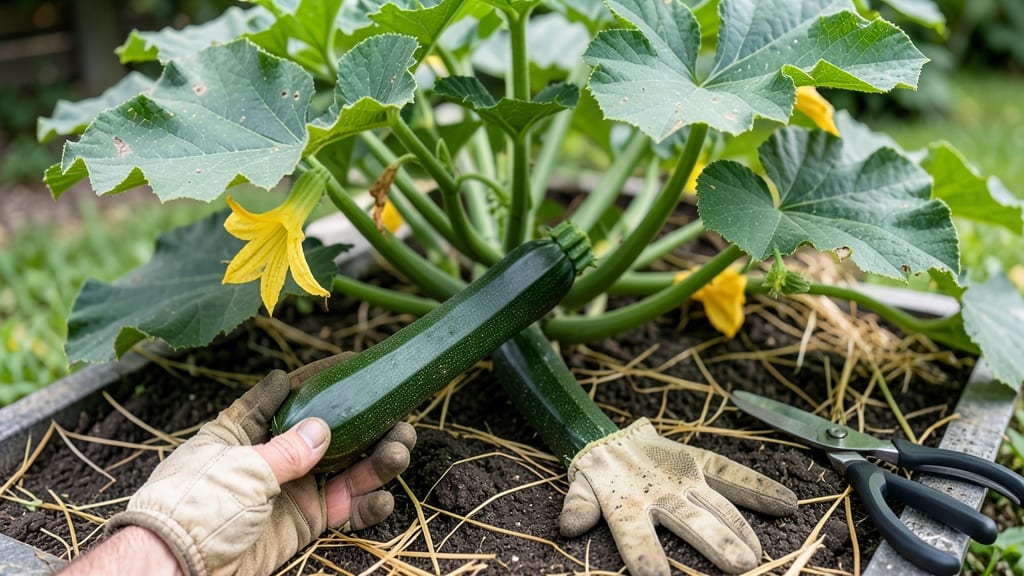
Growing big green zucchini that feed the neighborhood isn't just luck—it's science, timing, and a little container magic. 🌱 I've grown these cold-hardy perennials in pots for years, and the secret lies in mimicking their natural spread while controlling their environment.
The first step? Choosing the right variety that thrives in containers and cooler climates.
You'll need well-draining soil mix, containers at least 18 inches wide, and a spot with 6-8 hours of sunlight daily. Zucchini plants are heavy feeders, so I add compost at planting and fertilize every 2-3 weeks with organic options like fish emulsion.
The key to those massive fruits? Pruning side shoots to direct energy into fewer, larger zucchinis.
By midsummer, you'll be harvesting zucchini so big they need two hands to carry—and the plants keep producing until frost. The container setup means no weeds, fewer pests, and easy rotation to maximize space. Even my black thumb can't kill these when I follow the right steps.
Works for small spaces, balconies, or anyone tired of store-bought zucchini that's half the size. Here's how to grow them like a pro, container or not.
📚 In This Guide
- What you need
- Instructions
- Tips and common mistakes
- Wrapping up and next steps
What you need
- ● Seeds or Seedlings: Cold-hardy zucchini varieties like ‘Black Beauty’ or ‘Eight Ball’ (3–5 seeds or 1–2 seedlings per container).
- ● Containers (if not planting in-ground): Large pots (at least 12–18 inches deep and wide) with drainage holes. Use 5-gallon buckets or fabric grow bags for best results.
- ● Potting Mix: High-quality, well-draining mix (avoid garden soil—it compacts!). A 50/50 blend of potting soil and compost works well.
- ● Fertilizer: Balanced organic fertilizer (e.g., 10-10-10) or compost tea. Apply at planting and every 4–6 weeks.
- ● Mulch: Straw or shredded leaves to retain moisture and suppress weeds.
- ● Gloves & Hand Trowel: For planting and soil prep.
- ● Watering Can or Hose: Zucchini loves 1–2 inches of water per week!
- ○ Trellis or Cage (optional): If you want to save space or support vining varieties.
- ○ Pruning Shears (optional): To trim excess leaves or encourage bushier growth.
- ○ Shade Cloth (optional): For hot climates—zucchini prefers full sun but appreciates afternoon shade in extreme heat.
Step-by-Step instructions for growing big green zucchini in containers
Here's how to grow these cold-hardy, prolific zucchini in pots—no garden needed.
🌱 Step 1: Choose the Right Container and Soil
Pick a container at least 18 inches deep and 12 inches wide—zucchini vines grow fast and need room. Drill drainage holes if they're not already there, because soggy roots will rot your plant before it produces. I use fabric grow bags for my zucchini because they breathe better than plastic and prevent root-bound issues.
Fill the bottom third with a mix of 50% compost and 50% perlite to improve drainage. Then add high-quality potting mix up to 2 inches below the rim. Press it down gently so the surface is firm but not compacted. This ensures roots can spread without hitting a hard layer.
🌿 Step 2: Plant Seeds or Transplants at the Right Time
Start seeds indoors 4-6 weeks before your last frost date or plant transplants directly into containers after all danger of frost has passed. Zucchini thrives in cooler weather, so don't wait until summer heat arrives. Plant 2-3 seeds per container at a depth of 1 inch, spacing them 3 inches apart.
Cover lightly with soil and water gently until the surface is moist but not soaked. You'll see sprouts in 5-10 days if kept in a warm spot (70-80°F). Once seedlings have 2-3 true leaves, thin to the strongest plant per container. I always keep the extra seedlings to share with neighbors—they grow so fast!
☀️ Step 3: Provide Full Sun and Consistent Water
Place your zucchini containers in a spot that gets 6-8 hours of direct sunlight daily. A south-facing window or balcony works, but if you're growing indoors, supplement with a grow light for 12-14 hours per day. Zucchini plants wilt quickly when thirsty, so water deeply every 2-3 days until water runs out the drainage holes.
Mulch the soil surface with 2 inches of straw or shredded leaves to retain moisture and keep roots cool. You'll know your plant is happy when it grows 6-8 inches tall in a week and starts producing large, vibrant leaves. Avoid overhead watering after germination—it spreads disease. Instead, water at the base in the morning so leaves dry quickly.
✂️ Step 4: Fertilize and Prune for Maximum Yield
Feed your zucchini plants with a balanced, water-soluble fertilizer (10-10-10) every 2 weeks once they start flowering. I mix it at half-strength to avoid burning the roots. Zucchini are heavy feeders, so don't skimp—this is what makes those big, green fruits grow. Also, side-dress with compost every 4 weeks to keep nutrients flowing.
Prune any yellow or diseased leaves immediately to keep the plant healthy. You can also pinch off the first few flowers to encourage bushier growth, but once the plant is established, let it go wild—it'll produce more than you can handle! Watch for squash vine borers (tiny moths that lay eggs in stems) and cover plants with row fabric if you see chewed leaves.
🍽️ Step 5: Harvest at Peak Ripeness
Zucchini are ready to harvest when they're 6-8 inches long and still firm to the touch. Check plants every 2-3 days because they grow fast—wait too long, and they turn into massive, seedy monsters! Use a sharp knife or pruners to cut the fruit from the vine, leaving a ½ inch of stem attached.
Harvesting encourages more production, so don't let the plant get overwhelmed. If you see flowers but no fruit, hand-pollinate by gently shaking the plant in the morning or using a small paintbrush to transfer pollen. With proper care, one container can yield 10-15 pounds of zucchini per season. Store harvested zucchini in the fridge for up to 5 days or freeze for later use.
Tips & tricks for growing big green zucchini in containers
Let me save you the headache I went through when my first zucchini plants flopped—these tricks will help you grow the biggest, healthiest zucchini in containers.
Container Size Matters: Don't skimp on space! The 18-inch depth and 12-inch width in Step 1 aren't just suggestions—they're non-negotiable for these vigorous plants. I've seen zucchini roots explore every inch of available space, and shallow containers lead to stunted growth. If you're using stacked containers, make sure the drainage holes align perfectly between levels to prevent root rot.
Sunlight Secret: Those 6-8 hours of sunlight in Step 3 are critical, but here's what nobody tells you: zucchini plants will lean dramatically toward the light source. Rotate your containers every few days to ensure even growth. If you're growing indoors, position your grow lights just 6-12 inches above the plants—they'll stretch if they're too far away.
Watering Wisdom: The "deeply every 2-3 days" rule in Step 3 works, but timing matters just as much. Water in the morning so leaves have all day to dry, preventing fungal diseases. I've found that checking soil moisture by sticking my finger 1-2 inches down is more reliable than guessing—if it's dry at that depth, it's time to water.
Fertilizer Timing: When Step 4 says to start fertilizing once flowers appear, don't wait until you see the first bloom. Begin the 2-week feeding schedule when you notice the plant putting energy into flower buds, not just leaves. This gives your zucchini the boost it needs to produce fruit faster. And remember: half-strength fertilizer prevents root burn, but don't skip the compost every 4 weeks—it's like giving your plant a vitamin shot!
Pro Tips for Big Green Zucchini
- Let me save you the headache I went through when my first zucchini plants flopped—these tricks will help you grow the biggest, healthiest zucchini in containers.
- Container Size Matters: Don't skimp on space!
- Sunlight Secret: Those 6-8 hours of sunlight in Step 3 are critical, but here's what nobody tells you: zucchini plants will lean dramatically toward the light source.
Frequently asked questions
Got questions about growing big, beautiful green zucchinis?
You’re not alone! Here are answers to the most common queries—from curious beginners to seasoned gardeners looking to optimize their harvest.
Can zucchini grow in containers, or do they need a garden bed?
Zucchini thrives in containers—just choose a pot at least 12 inches deep with good drainage. A 5-gallon bucket works for one plant, and larger pots (like 10+ gallons) can support two. Place them in a sunny spot (6+ hours of light) and keep soil consistently moist. Pro tip: Add compost to boost nutrients, and prune lower leaves to prevent pests.
How long does it take for zucchini plants to produce fruit?
Zucchini is a fast grower! From seed, expect 45–70 days to harvest, depending on your climate and variety. If you start with transplants, you’ll see flowers (and fruit!) in 2–3 weeks. Watch for: Female flowers (with tiny zucchinis forming at the base) appear after male flowers (no fruit). Harvest when zucchinis are 6–8 inches long—they grow fast!
Why aren’t my zucchini flowers turning into fruit?
Blossom drop is common but fixable! Top causes:
- Too much nitrogen: Shift to a balanced fertilizer (like 10-10-10) to encourage fruiting.
- Heat stress: Zucchini needs 60–90°F days. If temps soar above 90°F, provide afternoon shade.
- Pollination issues: Hand-pollinate by gently brushing flowers with a paintbrush if bees are scarce.
Bonus: Harvest male flowers (no fruit) to redirect energy to female blooms!
What’s the best way to store harvested zucchini?
Fresh zucchini stays crisp for 3–5 days in the fridge (wrap in a paper towel to absorb moisture). For longer storage:
- Freeze: Slice or grate, blanch for 3 mins, then freeze in airtight bags (great for soups!).
- Dehydrate: Slice thinly, dry at 135°F for 4–6 hours, and store in jars.
- Pickle: Turn excess zucchini into tangy snacks with vinegar, garlic, and dill!
Warning: Avoid storing whole zucchinis at room temp—they’ll spoil faster.
Can I grow zucchini year-round, or is it seasonal?
Zucchini loves warm weather but can be grown in cool seasons with adjustments:
- Spring/Fall: Plant when soil is 60°F+. Use row covers for early starts.
- Winter (Zone 8+): Grow in containers and move indoors during freezes. A sunny windowsill or grow light helps!
- Tropical climates: Plant in partial shade during peak summer to prevent bolting.
Cold-hardy tip: Some varieties (like ‘Black Beauty’) tolerate light frosts better than others.
Wrapping up and next steps
Growing your own big, green zucchini is a rewarding adventure—whether you’re a seasoned gardener or just starting out! 🌱 With the right cold-hardy perennial variety and a few simple steps, you’ll enjoy a bountiful harvest in containers or garden beds.
Remember, patience and care pay off, so don’t hesitate to experiment with soil, sunlight, and pruning to find what works best for your space.
Ready to take the next step? Start small—plant a few seeds or seedlings this season and watch your green giants grow. Who knows? You might just become the zucchini whisperer in your neighborhood! 😉