
Vegetables
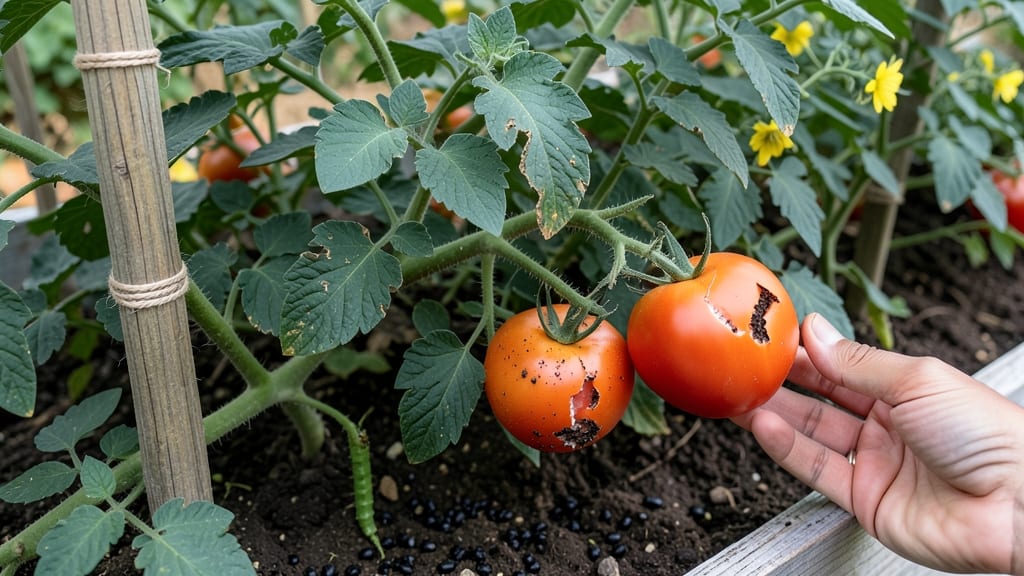
Bite marks on tomatoes mean your harvest isn’t doomed—just attacked. 🌱 Whether it’s hornworms skeletonizing leaves or squirrels taking half your fruit, the damage can feel devastating, but there’s always a way to salvage what’s left and protect the rest.
First, identify the culprit: hornworms leave jagged holes and frass (poop), while slugs create smooth, slime trails. Squirrels and rabbits take clean bites from the top, often near the stem. Once you know who’s to blame, you can act fast—netting, diatomaceous earth, or handpicking can turn the tide.
Even with damage, your tomatoes can still ripen if they’re firm and mostly intact. Simply pick them early and let them finish indoors. The key is acting quickly: remove infected fruit, reinforce barriers, and monitor daily to stop the next wave of attacks.
This works for backyard gardens, containers, or even balcony setups. With the right tricks, you’ll save more tomatoes than you lose—and next season, you’ll be ready before the pests even show up.
📚 In This Guide
- What you need
- Instructions
- Tips and common mistakes
- Wrapping up and next steps
What you need
- ● Damaged tomatoes: 1–5 lbs (or as many as you have—no waste here!) 🍅
- ● Sharp knife: Chef’s knife (8-inch) or paring knife for precision cuts
- ● Cutting board: Large enough to handle whole tomatoes (preferably plastic or wood to avoid dulling blades)
- ● Mixing bowl: Medium or large (stainless steel or glass preferred)
- ● Salt: Coarse sea salt or kosher salt (1–2 tsp, to taste)
- ● Lemon or lime: 1–2 (for brightness and preservation)
- ○ Fresh herbs (optional but recommended): Basil, cilantro, or parsley (small bunch, chopped)
- ● Olive oil: Extra-virgin (2–3 tbsp, for drizzling)
- ● Plastic wrap or airtight container: For storage (if prepping ahead)
- ● Food processor or blender: For sauces or salsas (if you’re feeling fancy!)
- ● Baking sheet: For roasting tomato halves (parchment paper recommended)
- ● Garlic: 2–3 cloves, minced (for extra flavor)
- ● Spices: Red pepper flakes, smoked paprika, or oregano (to customize your dish)
- ● Bread or crackers: For serving (because why not turn this into a snack?)
Instructions for salvaging tomatoes with bite marks
Here's how to rescue your tomatoes when pests strike—no wasted effort, just smart fixes.
🌿 Step 1: Identify the Culprit and Assess Damage
First, examine the bite marks closely. Slugs leave slime trails and irregular, jagged edges, while birds create larger, more precise holes. Insects like hornworms or beetles leave small, clean punctures. If you see tiny black droppings near the damage, it’s likely aphids or spider mites.
Check the undersides of leaves too—egg masses or chewed leaf edges reveal where pests are hiding. I always inspect at dusk when slugs are most active. If you find a few small bites, the tomato may still ripen. But if half the fruit is gone, it’s better to remove it before the plant wastes energy trying to salvage it.
💧 Step 2: Remove Damaged Fruit and Protect Remaining Tomatoes
Use clean pruners or your fingers to pluck off heavily bitten tomatoes. Toss them in the compost, not on the ground—you don’t want to attract more pests. For lightly damaged fruit, rinse it gently with water to remove any pests clinging to the skin. I like to use a spray bottle with a fine mist to avoid bruising the tomatoes.
Next, shield the remaining fruit. If birds are the issue, drape netting loosely over the plants—just enough to keep them out without smothering the foliage. For insects, wrap a strip of aluminum foil around the stem of each tomato. The reflective surface confuses pests and deters them from laying eggs or feeding. Reapply every few days if the foil gets dirty.
☀️ Step 3: Boost Plant Health to Speed Ripening
Healthy plants recover faster and produce better-tasting fruit. Water deeply at the base of the plant in the morning to encourage strong root growth. Avoid wetting the leaves—this prevents fungal diseases that stressed plants are more prone to. I aim for about 1 inch of water per week, adjusting for rain.
Fertilize lightly with a balanced, water-soluble fertilizer (like 10-10-10) to give the plant a quick energy boost. Focus on the roots by watering the fertilizer in, not spraying it on the leaves. You’ll see new growth within a week—that’s your signal the plant is bouncing back. If the plant looks wilted or yellow, it’s fighting too hard—reduce water slightly and give it shade for a few days.
✂️ Step 4: Prune for Airflow and Monitor Daily
Thin out crowded foliage to improve airflow around the tomatoes. Remove any yellow or diseased leaves with clean pruners. I always sterilize my tools with rubbing alcohol between cuts to prevent spreading disease. Focus on the lower branches first—these are the most prone to moisture buildup and pests.
Check your tomatoes every morning and evening for new damage. If you catch pests early, you can often remove them by hand. For hornworms, I simply pick them off and drop them in soapy water. For aphids, a strong spray of water usually knocks them loose. Keep a journal of what you see—this helps you spot patterns and adjust your approach.
🪴 Step 5: Harvest and Store Salvaged Tomatoes
Once the tomatoes reach their full color but are still slightly firm, they’re ready to pick. Gently twist them off the vine to avoid damaging the stem. If a tomato has minor bite marks but is mostly intact, it can still ripen indoors. Place it in a paper bag with a banana or apple to speed up the process—ethylene gas from the fruit triggers ripening.
Store harvested tomatoes at room temperature until fully ripe, then refrigerate them for longer storage. I always save the best ones for cooking and use the slightly blemished ones in sauces or salsas where imperfections don’t matter. With a little care, you’ll still get a great harvest even after pest damage.
Tips & tricks for perfect tomato salvage
A few key strategies that'll help you turn those pest-marked tomatoes into delicious results.
Pest Identification: I learned this the hard way—slugs leave shiny slime trails while birds create clean, precise holes. For hornworms, look for green, inch-long caterpillars with white stripes. If you spot tiny black specks near the damage, those are likely aphids. The key is acting fast: once you identify the culprit, you can target your protection methods more effectively.
Protection Timing: Reapply that aluminum foil every 3-4 days, especially after rain. I've seen gardeners forget this and suddenly find their tomatoes covered in new bite marks. The foil works by confusing pests with its reflective surface, so keeping it clean is crucial. For bird protection, make sure your netting is snug but not suffocating—tomato plants need airflow too.
Harvesting Tricks: When picking tomatoes with minor damage, twist gently at the stem rather than pulling. This prevents tearing the fruit. For tomatoes that need to ripen indoors, place them stem-side down in a paper bag with a banana. The ethylene gas from the banana will speed up ripening—just don't forget to check them daily for any new pest activity.
Pro Tips for Bite Marks On Tomatoes
- A few key strategies that'll help you turn those pest-marked tomatoes into delicious results.
- Pest Identification: I learned this the hard way—slugs leave shiny slime trails while birds create clean, precise holes.
- Protection Timing: Reapply that aluminum foil every 3-4 days, especially after rain.
Frequently asked questions
Got questions about those mysterious bite marks on your tomatoes? You're not alone! Here are some of the most common concerns—and quick fixes—to keep your harvest from going to waste.
Are bite marks on tomatoes safe to eat?
Yes, if the damage is minor and the tomato is firm and free of mold. Bite marks from pests like hornworms or squirrels won’t ruin the fruit, but avoid eating soft or slimy spots. Always wash tomatoes thoroughly before slicing to remove dirt or contaminants.
How do I know if a tomato with bite marks is still good?
Check for these signs: firmness (squeeze gently—it should spring back), no mold (even tiny spots mean toss it), and no foul odors. If the tomato is mostly intact and the bite marks are superficial, it’s likely fine for cooking or eating raw.
What’s the best way to prevent bite marks on tomatoes?
Start with row covers for early pests, then switch to netting or fencing for larger critters like raccoons. Handpick pests (like hornworms) in the morning, and prune suckers to reduce hiding spots. For squirrels, try hot pepper spray or reflective tape.
Can I still use tomatoes with bite marks for cooking or sauces?
Bite marks often disappear in sauces, soups, or salsas. Blend or chop the tomato with the skin and seeds—it’ll blend right in. Just remove any moldy or mushy areas first. For roasting or grilling, trim the damaged spots and enjoy!
Will my tomato plant recover if pests keep biting the fruit?
Yes, but act fast to minimize damage. Healthy plants can produce new fruit, but heavy pest pressure may stress the plant. Water deeply (1 inch per week), fertilize lightly, and remove damaged fruit to encourage more blooms. If pests persist, consider organic sprays like neem oil.
Wrapping up and next steps
Don’t toss those tomato bite marks just yet! With the right techniques—like sealing cuts, using vinegar washes, or even turning them into sauces—you can easily salvage your harvest and reduce waste. A little creativity goes a long way in turning "blemishes" into delicious meals.
Ready to give it a try? Grab your tomatoes, pick a method, and start cooking! 🍅✨