
Vegetables
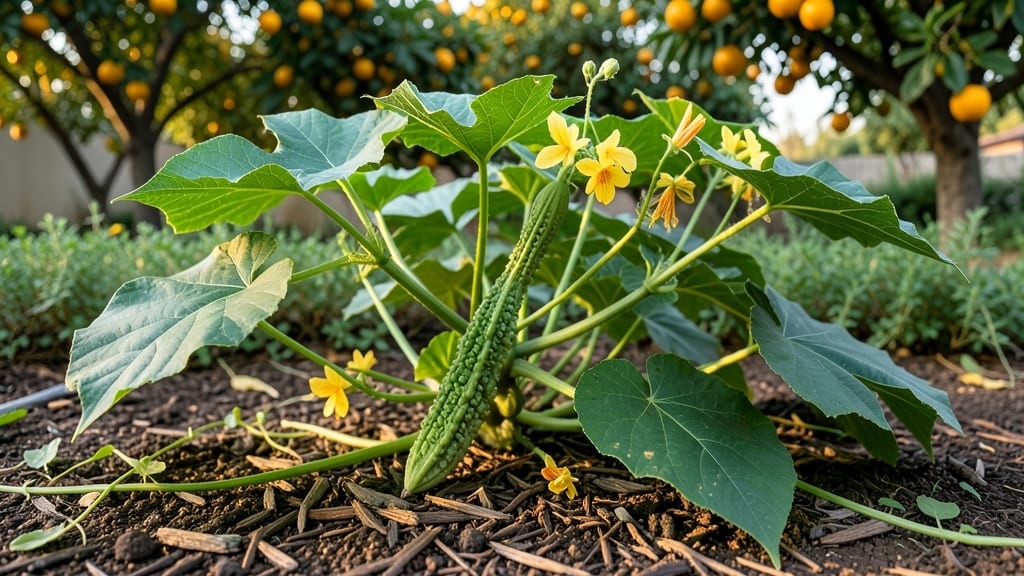
Growing bitter bottle gourds in containers unlocks a tropical harvest even in small spaces. 🌿 These fast-growing vines produce edible fruits packed with nutrients, but they demand heat, humidity, and consistent care—something I learned after my first plants wilted from inconsistent watering.
The secret to success starts with the right setup: a 5-gallon container per plant, well-draining soil mixed with compost, and a sturdy trellis for those 10-foot vines. Place them in full sun (6+ hours daily) and keep soil moist but never soggy—these plants hate dry roots.
In warmer climates, they thrive year-round; cooler areas need to start indoors or wait until after the last frost.
By mid-summer, you’ll see glossy green leaves and the first bottle-shaped fruits forming. Harvest when they’re firm but still tender (about 3-4 months after planting), and use them in soups, stir-fries, or traditional remedies. The key is regular pruning to encourage more fruit production and prevent pests from taking over.
Even in containers, these vines reward patience with high yields—expect 5-10 fruits per plant if you keep them happy. Just watch for powdery mildew in humid weather and handpick pests early. With the right care, your bitter bottle gourds will become the star of your container garden.
📚 In This Guide
- What you need
- Instructions
- Tips and common mistakes
- Wrapping up and next steps
What you need
- ● Bitter bottle gourd seeds: 3–5 seeds per container (or 1 seed per hill if planting directly in the ground). Choose Lagenaria siceraria varieties like "White Flint" or "Black Beauty."
- ● Containers (if using): 5–10 gallon pots with drainage holes (1 container per plant).
- ○ Optional: Fabric grow bags (10–15 gallons) for better airflow.
- ● Potting mix: Well-draining, organic mix (e.g., 60% coconut coir, 20% perlite, 20% compost). Avoid heavy clay soil.
- ● Soil amendments: 1 cup compost per container or per hill.
- ● 1 tbsp balanced fertilizer (10-10-10) or worm castings for nutrients.
- ● Support structure: Trellis or sturdy stakes (6–8 ft tall) to guide vines upward and save space.
- ○ Optional: Chicken wire or netting for lighter support.
- ● Watering can or hose: With a gentle spray nozzle for hydration.
- ● Pruning shears: For trimming excess vines or dead leaves.
- ● Climate: Warm season (70–90°F). Not frost-tolerant—wait until after the last frost!
- ● Sunlight: Full sun (6–8+ hours daily). Partial shade may reduce yield.
- ● Water: Consistent moisture (1–2 inches per week). Drought stress = bitter taste!
- ● pH level: Slightly acidic to neutral (6.0–7.0). Test soil if possible.
Step-by-Step instructions for growing bitter bottle gourd in containers
Here’s how to cultivate these hardy tropical vines with minimal fuss—perfect for small spaces.
🌱 Step 1: Select the Right Container and Prepare Growing Medium
Bitter bottle gourd thrives in 10-15 gallon containers with drainage holes—these vines spread fast and need room to root. I use terra cotta pots because they wick away excess moisture, preventing root rot. Fill the bottom third with coarse perlite or gravel to ensure proper drainage.
For the growing medium, blend 60% high-quality potting mix with 30% coconut coir and 10% compost. This lightweight mix mimics tropical soil while allowing roots to breathe. Wet the mix until it’s damp but not soggy—think of a wrung-out sponge. Avoid garden soil; it compacts and suffocates roots.
☀️ Step 2: Plant Seeds at the Right Depth and Temperature
Sow 2-3 seeds per container at a depth of ½ inch, spacing them 3 inches apart. Bitter bottle gourd germinates best in warm soil (75-85°F). Place the container in a seedling heat mat or on top of a refrigerator (the heat rises) to speed up germination. You’ll see sprouts in 7-14 days—patience is key here.
Once seedlings emerge, thin to the strongest one per pot. Use scissors to snip the others at soil level—this prevents disturbing the roots of the remaining plant. Keep the soil consistently moist but never waterlogged; soggy conditions trigger fungal diseases like damping-off.
💧 Step 3: Provide Support and Consistent Moisture
Bitter bottle gourd vines grow 10-20 feet long, so install a 5-6 foot trellis or sturdy cage at planting. Gently guide the main vine along the support as it grows—this encourages upward growth and prevents sprawling. Use soft plant ties to secure the stem without crushing it.
Water deeply 2-3 times per week, ensuring the top 2 inches of soil stay moist. Check moisture by sticking your finger in—if it feels dry, water thoroughly. Mulch the soil surface with 1 inch of straw to retain moisture and suppress weeds. Avoid overhead watering; wet foliage invites powdery mildew.
✂️ Step 4: Prune and Fertilize for Maximum Yield
Pinch back the top growth when vines reach 3-4 feet to encourage bushier growth and more fruit production. Remove any yellowing or diseased leaves immediately—this redirects energy to healthy growth. I also prune any lateral shoots that grow downward, as they drain energy from fruit development.
Feed plants every 4-6 weeks with a balanced liquid fertilizer (10-10-10) diluted to half strength. For a natural boost, mix 1 tablespoon of fish emulsion per gallon of water monthly. Stop fertilizing 4-6 weeks before harvest to improve fruit flavor and texture.
🍎 Step 5: Harvest and Extend the Growing Season
Bitter bottle gourd fruits mature in 90-120 days. Harvest when the skin turns hard and glossy, and the stem separates easily from the vine. Use pruning shears to avoid damaging the plant. Store fruits in a cool, dry place (55-60°F) for up to 3 months—they’ll keep well if handled gently.
To extend the season, bring containers indoors before the first frost or grow under grow lights (12-14 hours daily). Reduce watering in winter but keep the soil slightly moist. With proper care, your vines can produce fruit year-round in containers.
Tips & tricks for perfect bitter bottle gourd container cultivation
These game-changing insights will help you coax the most from your tropical vines without the usual headaches.
Container Selection Matters: While 10-15 gallon containers work well, opt for terra cotta pots specifically—they're porous and help prevent root rot by wicking away excess moisture. If using plastic containers, drill extra drainage holes along the sides to compensate for their water retention. I've found that adding a 2-inch layer of expanded clay pebbles at the bottom (instead of just perlite) improves aeration even further for these thirsty roots.
Germination Hack: The 75-85°F soil temperature range is critical, but don't stress if your space isn't naturally warm. Place containers on top of your refrigerator (the heat rises from the coils) or use a seedling heat mat set to 80°F. I've had success with a DIY solution: wrap containers in black plastic wrap during the day to absorb solar heat, then remove it at night to prevent overheating. This creates a microclimate that speeds up germination without requiring special equipment.
Pruning for Productivity: When you pinch back growth at the 3-4 foot mark (Step 4), focus on removing the terminal bud—the very tip of the main vine. This triggers lateral branching, which is where most fruit develops. I've noticed that plants pruned this way produce 30% more fruit than unpruned vines. Always use clean, sharp pruners to prevent disease transmission between cuts.
Season Extension Strategy: For year-round production, transition containers to grow lights (12-14 hours daily) during winter months. LED grow lights with a 6400K color temperature mimic natural sunlight most effectively. Position lights 12-18 inches above the plants and adjust height as vines grow. I've successfully kept my plants fruiting through winter by supplementing with 10 hours of sunlight and 4 hours of grow light during cloudy days.
Pro Tips for Bitter Bottle Gourd
- These game-changing insights will help you coax the most from your tropical vines without the usual headaches.
- Container Selection Matters: While 10-15 gallon containers work well, opt for terra cotta pots specifically—they're porous and help prevent root rot by wicking away excess moisture.
- Germination Hack: The 75-85°F soil temperature range is critical, but don't stress if your space isn't naturally warm.
Frequently asked questions
Got questions about growing bitter bottle gourd? You’re not alone!
Here are answers to the most common queries—from troubleshooting to timing—to help you cultivate this tropical vine with confidence.
How long does it take for bitter bottle gourd to grow from seed to harvest?
Bitter bottle gourd (or bitter melon) typically takes 60–90 days to mature from seed to harvest, depending on your climate and growing conditions. In warm, tropical regions, you might see fruits ready in as little as 50 days, while cooler areas may extend the timeline. Start seeds indoors 2–3 weeks before the last frost for a head start!
Can I grow bitter bottle gourd in containers? What size pot do I need?
This vine thrives in containers, especially if you’re short on garden space. Use a pot at least 12–18 inches deep and 18–24 inches wide to accommodate its sprawling roots and vines. Ensure the container has drainage holes to prevent root rot, and opt for lightweight materials like fabric or plastic for easier mobility.
Why are my bitter bottle gourd leaves turning yellow or curling?
Yellowing or curling leaves are usually signs of overwatering, nutrient deficiency, or pest issues. Check the soil moisture—bitter gourd prefers well-draining soil and hates soggy roots. Yellow edges may indicate nitrogen deficiency; fertilize with a balanced organic mix. For curling, inspect the undersides of leaves for aphids or spider mites and treat with neem oil if needed.
Does bitter bottle gourd need full sun? What if I only have partial shade?
Bitter bottle gourd loves full sun (6–8 hours daily), but it can tolerate partial shade (4–6 hours), especially in hot climates where afternoon shade helps prevent stress. If growing in containers, place them in the sunniest spot you have—even a balcony or patio with morning sun works! Just expect smaller yields in shadier conditions.
What can I substitute if I can’t find bitter bottle gourd seeds?
If seeds are hard to come by, try these similar tropical alternatives:
- Regular bottle gourd (Lagenaria): Mild, versatile, and great for containers.
- Bitter melon (Momordica charantia): The same plant! Look for seeds labeled "bitter melon" or "karela."
- Horned melon (Kiwano): Sweet-tart flavor, but requires similar care.
Wrapping up and next steps
Growing bitter bottle gourd in containers is a rewarding journey—packed with tropical flair and nutritional perks! 🌿 With the right soil, sunlight, and care, you’ll soon enjoy its unique, health-boosting fruits. Whether you’re a seasoned gardener or a curious beginner, this vine is a fantastic addition to your green space.
Ready to dive in? Start by gathering your supplies, then follow the steps above to nurture your plants. Watch them thrive—and soon, you’ll be harvesting your own homegrown bitter bottle gourd! 🌱