
Vegetables
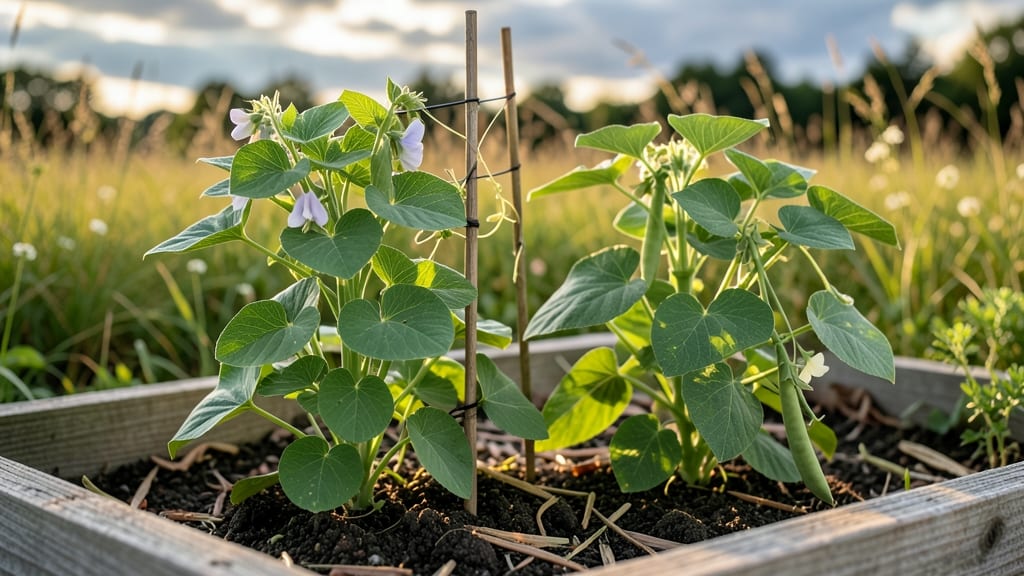
Growing black-eyed peas and green beans together turns even a tiny balcony into a productive powerhouse. 🌱 I’ve watched these two thrive side by side in containers as small as 10 gallons—no backyard required.
The secret? Their shared love for cooler weather and compact roots makes them the perfect cold-resistant duo for early spring or late fall planting.
Both plants need well-draining soil with a pH between 6.0 and 7.0, but they’re forgiving if you amend with compost. Black-eyed peas tolerate poorer soil better, while green beans prefer slightly richer conditions.
Plant seeds 1 inch deep, 3-4 inches apart for beans and 2-3 inches apart for peas, with rows spaced 18 inches apart. They’ll climb if given a trellis, saving space and keeping pods off the ground.
By mid-summer, you’ll be harvesting tender green beans and sweet black-eyed peas straight from the vine. The beans produce continuously for weeks, while the peas deliver a bumper crop in just 60-70 days.
The combination also deters pests—beans repel Mexican bean beetles, while peas attract beneficial insects that protect the green beans.
Works in containers, raised beds, or directly in the ground, even in cooler climates where traditional summer crops struggle. Start seeds indoors 4-6 weeks before your last frost, or direct-sow when soil reaches 60°F. The payoff? A harvest that keeps giving all season long.
📚 In This Guide
- What you need
- Instructions
- Tips and common mistakes
- Wrapping up and next steps
What you need
- ● Seeds: Black-eyed peas (cowpea seeds): 1–2 packets (choose cold-hardy varieties like 'Purple Hull' or 'California Black-Eye').
- ● Green beans (bush or pole variety): 1–2 packets (try 'Blue Lake' or 'Contender' for reliability).
- ● Containers or Garden Space: For containers: 5–10 gallon pots (with drainage holes) or raised beds (at least 12" deep).
- ● For in-ground: Full sun (6+ hours/day) and well-draining soil.
- ● Soil: High-quality potting mix (or garden soil amended with compost for nutrients).
- ● Fertilizer: Balanced, organic fertilizer (e.g., 10-10-10) or compost tea for a natural boost.
- ● Watering Can or Hose: With a gentle spray nozzle to avoid disturbing seedlings.
- ○ Trellis or Cage (Optional for Pole Beans): 5–6 ft tall stakes or a DIY trellis for vertical growth.
- ● Gloves: To protect your hands while handling soil or seeds.
- ● Trowel or Small Shovel: For planting and transplanting.
- ○ Mulch (Optional): Straw or shredded leaves to retain moisture and suppress weeds.
- ○ pH Test Kit (Optional): To ensure soil pH is 6.0–7.0 (ideal for both crops).
- ● Plant Labels: To track varieties and planting dates.
Step-by-step instructions for planting black eyed peas and green beans together
This cold-hardy pair grows beautifully side by side—here’s how to get them thriving in tight spaces.
🌱 Step 1: Prepare the Planting Site for Both Crops
Choose a spot with full sun (6+ hours daily) and well-draining soil. Black eyed peas tolerate cooler temps better than green beans, so aim for 60-70°F planting conditions. Work in 2-3 inches of compost to enrich the soil—both plants are heavy feeders once established.
Test your soil’s moisture by squeezing a handful. If it crumbles easily, it’s ready. If it stays clumpy, add 1 inch of coarse sand to improve drainage. Raised beds work perfectly for this duo—they warm up faster in spring and drain well after rains.
🌱 Step 2: Plant Seeds at the Right Depth and Spacing
Sow black eyed pea seeds 1 inch deep and 2-3 inches apart in rows spaced 18 inches apart. Their vines will sprawl but stay compact enough for small gardens. Green beans need slightly more room: plant them 1 inch deep and 3-4 inches apart in rows 2 feet apart.
Here’s the thing—I like to plant them in alternating rows (pea row, bean row, pea row) so they support each other’s growth. Water gently after planting to settle the soil, but don’t drown the seeds. Both varieties germinate best when soil stays consistently moist but not soggy.
☀️ Step 3: Provide Support and Consistent Care
Black eyed peas don’t need trellises—they’ll bush out nicely on their own—but green beans will benefit from 5-foot tall stakes or wire trellises placed at planting time. Drive stakes 6 inches deep to anchor them securely. You’ll see beans climb within weeks, saving space and keeping pods off the ground.
Water both crops 1-2 inches per week, aiming for the soil—not the leaves. Mulch with 2 inches of straw after germination to retain moisture and suppress weeds. You’ll know watering is right when the top inch of soil feels damp but not wet to the touch.
🌿 Step 4: Monitor Growth and Harvest at Peak Ripeness
Black eyed peas mature in 50-60 days—watch for pods that bulge slightly and turn dark. Pick them when fully dry for best flavor. Green beans take 50-65 days; harvest when pods are firm, crisp, and 4-6 inches long. Regular picking encourages more production, so check plants every 2-3 days once they start flowering.
If you notice yellowing leaves on peas, they might need nitrogen-rich fertilizer (like fish emulsion). Green beans, however, prefer balanced fertilizer—too much nitrogen makes them leafy but few pods. I always fertilize lightly after the first harvest to keep both plants productive.
Tips & tricks for growing black eyed peas and green beans together
These little tricks will help you maximize space and yield while keeping both crops happy side by side.
Soil Prep Secret: Before planting, mix 1 inch of coarse sand into your soil if it feels heavy when squeezed. This improves drainage for both crops, especially important since green beans hate soggy roots. I like to add a handful of composted manure (optional) to the bottom of raised beds for extra nutrients—both plants will reward you with stronger growth.
Planting Layout: The alternating row pattern (pea row, bean row, pea row) isn't just clever—it creates natural shade for green beans during hot afternoons while letting peas get morning sun. Space your 18-inch pea rows and 2-foot bean rows carefully; if you're tight on space, you can reduce bean rows to 18 inches too, but expect slightly less production.
Watering Wisdom: The 1-2 inches per week guideline works, but morning watering is key. Water at the soil base—not the leaves—to prevent fungal diseases, especially on peas. I use a soaker hose for even distribution, and always check that the top inch of soil feels damp (not wet) before watering again. Overwatering is the #1 reason these crops fail.
Harvest Hack: For both crops, harvest every 2-3 days once they start producing. With peas, look for pods that feel firm when gently squeezed—if they're too soft, they'll turn mealy. For beans, snap a pod: it should make a crisp sound and be 4-6 inches long. Regular picking keeps both plants producing longer, and you'll get sweeter, fresher pods too.
Pro Tips for Black Eyed Peas And Green Beans
- These little tricks will help you maximize space and yield while keeping both crops happy side by side.
- Soil Prep Secret: Before planting, mix 1 inch of coarse sand into your soil if it feels heavy when squeezed.
- Planting Layout: The alternating row pattern (pea row, bean row, pea row) isn't just clever—it creates natural shade for green beans during hot afternoons while letting peas get morning sun.
Frequently asked questions
Got questions about growing black-eyed peas and green beans together?
You’re not alone! This dynamic duo is easy to grow but may raise a few curiosities—especially for beginners. Below, we tackle the most common queries to help you cultivate a thriving, low-maintenance garden.
Can black-eyed peas and green beans grow together in the same pot or garden bed?
Both are warm-season legumes that thrive in similar conditions—full sun (6+ hours/day), well-draining soil, and moderate moisture. Plant them 3–4 inches apart in containers or rows, spacing green beans slightly wider (6–8 inches) since they vine. Their shallow roots won’t compete aggressively, making them perfect companions. Just avoid overcrowding to prevent disease spread.
How long does it take for black-eyed peas and green beans to mature?
Timing varies slightly by variety, but here’s a general guide:
- Black-eyed peas: Ready to harvest in 50–60 days (pick pods when plump but before seeds bulge).
- Green beans (bush types): Harvest in 50–55 days (snip pods when 4–6 inches long).
- Pole beans: Mature in 60–70 days but produce longer if picked regularly.
Pro tip: Wait until soil temps hit 60°F+ to plant—both crops hate cold snaps!
What if my black-eyed peas or green beans aren’t thriving? Troubleshooting tips!
Common issues and fixes:
| Problem | Likely Cause | Solution |
|---|---|---|
| Yellowing leaves | Overwatering or poor drainage | Let soil dry slightly between waterings; amend soil with compost. |
| Stunted growth | Nitrogen deficiency (legumes fix their own but need phosphorus) | Add bone meal or compost at planting. Avoid high-nitrogen fertilizers. |
| Pods falling off | Temperature swings or pests (e.g., Mexican bean beetles) | Use row covers for frost; handpick beetles or spray neem oil. |
Bonus: If beans bolt (flower too early), they’re reacting to heat stress. Provide afternoon shade in hot climates.
Are there any easy alternatives if I can’t grow black-eyed peas?
If black-eyed peas (cowpeas) are tricky, try these low-maintenance legume swaps with similar benefits:
- Lima beans: Heat-tolerant and drought-resistant; harvest in 70–90 days.
- Southern peas (purple hull/cream peas): Classic Southern staple; great for soups.
- Adzuki beans: Compact plants; ideal for containers.
Green beans are already versatile—pair them with bush beans or yard-long beans for variety!
Can I save seeds from my homegrown black-eyed peas and green beans?
Yes! Both are easy to save for next year:
- Let a few pods fully mature and dry on the vine (seeds will turn hard and dark).
- Harvest seeds, clean, and store in a cool, dry place (paper envelope works).
- Note: Green beans may not produce true-to-type seeds if cross-pollinated. Stick to heirloom varieties for best results.
Pro move: Label seeds with the variety and harvest date to track performance!
Wrapping up and next steps
Growing your own black-eyed peas and green beans is a rewarding experience that brings fresh, flavorful produce right to your doorstep—even in small spaces! 🌱 These cold-resistant duo thrives with minimal effort, offering a bounty of nutrients and versatility in the kitchen.
Whether you're a beginner or a seasoned gardener, their resilience and quick harvest times make them perfect for any garden.
Now that you’re armed with tips and tricks, roll up your sleeves and get planting! Start with seeds, monitor their progress, and soon you’ll be enjoying homegrown goodness. Happy gardening—and may your harvest be plentiful! 🌿✨