
Vegetables
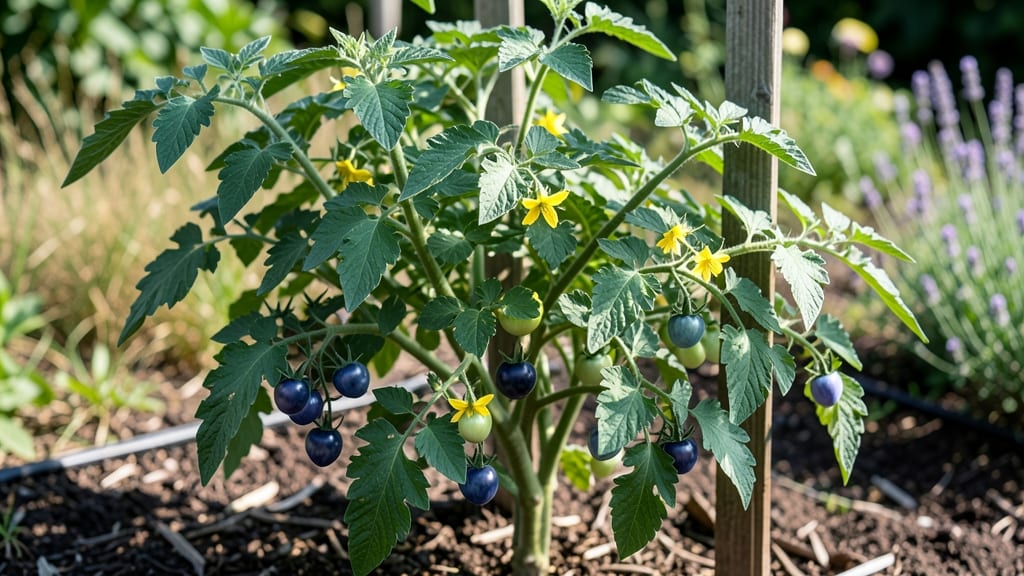
Growing blue cherry tomatoes feels like uncovering a secret garden treasure—these cold-hardy heirlooms produce sweet, indigo-colored jewels that taste like sunshine and blueberries rolled into one. 🌱 I fell in love with them after my first bite: the flavor lingers like nothing else, and their striking color makes any dish pop.
Unlike most tomatoes, they thrive in cooler climates and even return as perennials in mild winters, cutting your yearly work in half.
The key to their success starts with the right setup: well-draining soil, 6-8 hours of sunlight daily, and containers or beds with at least 18 inches of depth. They’re compact but prolific, so space plants 18-24 inches apart—this prevents overcrowding and makes harvesting a breeze.
I’ve grown them in 5-gallon pots on my balcony with the same results as in-ground, proving they’re perfect for small spaces or urban gardens.
Once established, they reward you with clusters of tiny, deep-blue fruits that ripen in waves. The secret to their productivity? Balanced care: water at the base (not overhead) to avoid disease, feed with compost tea every 4-6 weeks, and prune aggressively to focus energy on fruit production.
My plants now produce pounds of tomatoes from May through October, with minimal effort after the initial setup.
They’re not without challenges—blossom end rot can strike if soil moisture fluctuates, and birds sometimes eye those vibrant fruits—but the payoff is worth it. With the right approach, you’ll harvest sweet, cold-resistant tomatoes that outshine store-bought varieties in both flavor and beauty. Ready to grow your own edible art?
📚 In This Guide
- What you need
- Instructions
- Tips and common mistakes
- Wrapping up and next steps
What you need
- ● Blue cherry tomato seeds or seedlings: Choose a cold-hardy variety like ‘Indigo Rose’ or ‘Blue Beauty’ (5–10 plants for a small garden, 15–20 for larger harvests).
- ● Containers or garden beds: Containers: 5-gallon pots or larger (1 plant per container).
- ● Garden beds: Well-draining soil with full sun (6+ hours/day).
- ● High-quality potting mix: Lightweight, organic mix with perlite or vermiculite (avoid heavy clay soil). 1–2 cubic feet per plant.
- ● Slow-release fertilizer: Balanced 10-10-10 or tomato-specific blend (follow package rates).
- ● Tomato cages or stakes: 4–6 ft tall (1 per plant to support growth).
- ● Drip irrigation or watering can: For consistent moisture (avoid overhead watering).
- ● Mulch: Straw or shredded leaves (2–3 inches) to retain moisture and suppress weeds.
- ● Row covers or frost blankets: For extending the growing season in cooler climates.
- ● Pruning shears: For trimming suckers and encouraging bushier growth.
- ● Compost or worm castings: To boost soil fertility (mix 1–2 cups per plant).
- ● Calcium supplement (e.g., crushed eggshells): Prevents blossom-end rot.
- ● Grow lights (indoor start): If starting seeds early (12–16 hours of light/day).
Step-by-step instructions for growing blue cherry tomatoes as cold-hardy perennials
Here's how to revive these heirloom beauties year after year—my foolproof method for thriving plants that keep producing even in cooler climates.
🌱 Step 1: Select the Right Variety and Prepare the Soil
Blue cherry tomatoes like 'Indigo Blue' or 'Black Cherry' thrive as perennials in zones 8-11. Amend your soil with 3-4 inches of compost mixed into the top 12 inches of bed. These tomatoes need well-draining soil rich in organic matter—they despise soggy roots. I like to work in a handful of worm castings per plant hole for extra microbial activity that boosts cold tolerance.
Test your soil's pH—aim for 6.0-6.8. If yours runs acidic, sprinkle crushed limestone into the planting hole. The key is mimicking their native Mediterranean conditions where they naturally overwinter. Don't use fresh manure—it burns tender roots and invites fungal diseases that weaken perennial plants.
☀️ Step 2: Choose the Perfect Planting Location and Timing
Plant in a spot that gets 6-8 hours of direct sun daily, with afternoon shade in hotter zones. Blue cherries handle heat better than most tomatoes, but they'll produce more reliably with some afternoon relief. I always plant mine against a south-facing wall where they get reflected warmth in cooler mornings.
For perennial revival, plant in early spring 6-8 weeks before your last frost date. This gives roots time to establish before summer heat. If reviving from last year's growth, prune back any dead stems to 4-6 inches above ground in late winter. You'll see new shoots emerge within 3-4 weeks—that's your signal the plant is waking up.
💧 Step 3: Water Deeply and Mulch for Cold Protection
Water 1-1.5 inches per week, always at the base to avoid wetting leaves (which causes disease). Blue cherries develop deeper roots than regular tomatoes, so deep watering encourages that trait. I use a soaker hose for 20 minutes twice weekly in summer, then reduce to once weekly in cooler months.
Apply 3-4 inches of straw mulch around plants, keeping it 2 inches away from stems. This insulates roots during winter freezes and retains moisture during summer droughts. Refresh the mulch every 2-3 months—you'll notice fewer wilting leaves and more consistent fruiting when the roots stay protected.
✂️ Step 4: Prune Strategically for Perennial Productivity
Prune suckers (the little shoots in leaf axils) regularly to focus the plant's energy on fruit production. For perennial tomatoes, I'm less aggressive than with annuals—leave 2-3 main stems to build root strength. Remove any stems that grow toward the ground (they'll root and spread, but weaken the main plant).
After your first harvest, cut back one-third of the plant's height to encourage a second flush of flowers. This works best in milder climates. In colder zones, wait until spring regrowth before pruning. The goal is to keep the plant compact enough to handle winter winds while still producing fruit.
⏰ Step 5: Overwinter Care for Next Year's Revival
In zones 8-9, protect plants with 12 inches of straw mulch when night temps drop below 35°F. For zones 10-11, a simple 4-inch mulch layer suffices. I always wrap the base of plants with burlap in exposed areas—this prevents winter winds from desiccating the stems.
In early spring, remove old mulch and replace with fresh. You'll see new shoots emerge from the base within 3-4 weeks. Fertilize lightly with fish emulsion (5-5-5) when shoots reach 4-6 inches tall. The first year after revival, expect 30-50% of normal production as the plant rebuilds its energy stores.
Tips & tricks for perfect blue cherry tomato revival
These practical insights will help you transform your blue cherry tomatoes into thriving perennial plants that outperform annual varieties.
Soil Prep Essentials: When amending your soil with 3-4 inches of compost and worm castings, focus on creating a loose, crumbly texture that mimics their Mediterranean habitat. I like to sift the compost to remove large chunks—this prevents compaction around delicate roots. The goal is to create a sponge-like environment where water drains freely but nutrients stay accessible. Use a soil test kit to confirm your pH is between 6.0-6.8 before planting; blue cherries are particularly sensitive to soil chemistry.
Timing Secret: The 6-8 weeks before last frost window is critical for establishing roots before summer heat arrives. To maximize this time, I plant mine in raised beds—warmer soil temperatures in spring give them a head start. For reviving existing plants, watch for those 3-4 weeks of new shoot emergence as your confirmation that winter dormancy has broken. If shoots don't appear within 5 weeks, gently scratch the soil surface to check for root activity.
Watering Wisdom: Those 20 minutes twice weekly with a soaker hose aren't just about quantity—they're about creating deep root systems. I recommend watering in the early morning so leaves have time to dry completely, preventing fungal issues. During heatwaves, increase to 30 minutes daily but reduce back immediately when temperatures drop. The key is maintaining consistent moisture without creating soggy conditions that blue cherries despise.
Overwintering Strategy: When protecting against temperatures below 35°F, I've found that combining 12 inches of straw mulch with burlap wrapping creates a microclimate that prevents frost damage. For extra insurance in zone 8, I add a layer of bubble wrap around the base before applying straw—this reflects heat back to the roots. In spring, remove the old mulch completely before replacing it with fresh; decomposed mulch can harbor pests and diseases.
Pro Tips for Blue Cherry Tomatoes
- These practical insights will help you transform your blue cherry tomatoes into thriving perennial plants that outper...
- Soil Prep Essentials: When amending your soil with 3-4 inches of compost and worm castings, focus on creating a loose...
- Timing Secret: The 6-8 weeks before last frost window is critical for establishing roots before summer heat arrives. ...
Frequently asked questions
Got questions about growing or enjoying blue cherry tomatoes?
Here are some of the most common ones—plus quick, practical answers to help you succeed!
Are blue cherry tomatoes really perennial, or do they die back in winter?
Blue cherry tomatoes (Solanum lycopersicum varieties like 'Indigo Cherry') are technically perennials in USDA Zones 8-11, but they often die back in colder climates. In frost-prone areas, treat them as annuals or overwinter potted plants indoors. Pro tip: Mulch heavily in fall to protect roots and extend their life!
How do I tell if my blue cherry tomatoes are ripe vs. overripe?
Ripe blue cherry tomatoes turn a deep purple-blue hue (like a ripe eggplant) and feel slightly soft when gently squeezed. Overripe ones get mushy, wrinkled, or develop white spots. Harvest early! They don’t ripen further off the vine like red tomatoes. Bonus: Taste them—sweetness peaks at full color!
Can I grow blue cherry tomatoes in containers, and what’s the best setup?
Use a 5-gallon container minimum with well-draining soil and support (cage or trellis). Place in full sun (6+ hours daily) and water consistently—containers dry out faster. Dwarf varieties like 'Blueberry' work best. Pro tip: Add compost tea weekly for flavor!
What’s the best way to use blue cherry tomatoes in cooking?
Their tart, smoky-sweet flavor shines in salads, bruschetta, or as a garnish for pasta. Roast them with olive oil and herbs for a caramelized twist, or blend into salsas for depth. Avoid overcooking—they soften quickly. Try this: Toss with burrata and basil for a gourmet bite!
Why are my blue cherry tomatoes cracking, and how do I fix it?
Cracking usually means inconsistent watering (too much after drought) or uneven soil moisture. Solutions:
- Water deeply 2–3 times/week (not daily).
- Mulch to retain moisture.
- Harvest early if cracks appear.
If I can’t grow blue cherry tomatoes, what’s the next best alternative?
Try black cherry tomatoes (like 'Black Plum') for a similar deep flavor, or purple heirlooms like 'Cherokee Purple.' For a sweeter option, yellow pear tomatoes offer a bright, tangy taste. All pair well with herbs and cheese!
Wrapping up and next steps
Growing blue cherry tomatoes isn’t just about adding a pop of color to your garden—it’s about embracing a resilient, flavorful, and rewarding experience. Whether you’re a seasoned gardener or just starting, these cold-hardy perennials prove that even the smallest efforts can yield big results.
Now that you’re equipped with the secrets to success, why not take the next step? Start planting your own batch this season and savor the sweet, tangy taste of homegrown blue gems! 🌱✨
- Pro tip: Share your harvest with friends or document your journey—gardening is even more fun when shared!