
Vegetables
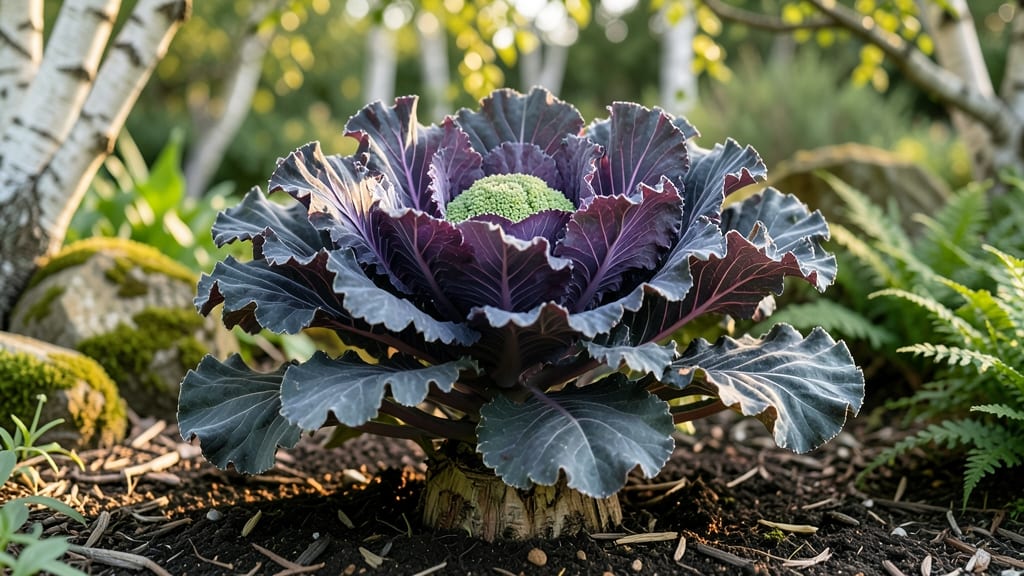
My cabbage-looking perennial plants stay lush all winter—no replanting, no fuss. 🌿 These aren’t your typical annuals; they’re cold-hardy, leafy perennials like kale, Swiss chard, or ornamental cabbage that bounce back year after year with the right care.
They thrive in full sun to partial shade and prefer well-draining soil with a dash of compost. Water consistently but avoid soggy roots—these plants hate wet feet. The secret to their longevity? A thick layer of mulch in winter to protect tender roots from freeze-thaw cycles.
By late spring, you’ll see fresh growth ready for harvest, and they’ll keep producing through fall. The leaves stay tender longer than annual cabbage, and the ornamental varieties add striking color to borders with their purple, yellow, or white foliage.
Perfect for gardeners who want low-maintenance greens without the annual replanting. Once established, they’re nearly self-sufficient, needing only occasional pruning and seasonal fertilizer. Start with one variety and watch how easy it is to expand!
📚 In This Guide
- What you need
- Instructions
- Tips and common mistakes
- Wrapping up and next steps
What you need
- ● Perennial cabbage-like plant: 1-3 plants of Paxistima myrsinites (Oregon boxwood) or Skimmia japonica (skimmia) for ornamental "cabbage" foliage.
- ● OR 1-2 plants of Cynoglossum officinale (hound’s tongue) for edible, cabbage-like leaves (check local regulations for edibility).
- ● Well-draining soil: 5-10 lbs of compost or peat moss (mix 1 part compost to 3 parts native soil).
- ● Mulch: 2-3 inches of pine straw or wood chips to retain moisture and suppress weeds.
- ● Organic fertilizer: 1 lb of balanced 10-10-10 or fish emulsion (apply sparingly, 2-3 times per year).
- ● 1 garden trowel (for transplanting).
- ● 1 pruning shears (for shaping and harvesting).
- ● 1 watering can (2-3 gallons) or hose with gentle nozzle.
- ○ 1 garden gloves (optional but recommended for comfort).
- ○ 1 pH testing kit (optional, to ensure soil pH 6.0-7.0 for optimal growth).
- ● Container gardening: 1-2 10-15 gallon pots with drainage holes (if growing in containers).
- ● Companion plants: Chives or thyme to deter pests naturally.
- ● Row covers: Lightweight frost cloth for young plants in colder climates.
- ● Harvest basket: A small woven basket to collect your "cabbage" leaves!
How to grow a perennial cabbage-like plant for year-round harvests
Here's the straightforward method I use to keep a cabbage-like perennial thriving through all seasons.
🌱 Step 1: Select the Right Perennial Variety
Most traditional cabbages are annuals, but look for cold-hardy perennials like kale, collard greens, or Swiss chard—they produce edible leaves year-round with minimal care. I prefer collard greens because they tolerate frost better and keep producing through winter. Choose disease-resistant varieties like 'Georgia Southern' or 'Blue Max' for best results.
Start with established plants from a nursery rather than seeds if you want immediate harvests. Transplant in early spring or late summer for best establishment. The key is selecting a variety that matches your climate zone—USDA zones 3-9 work well for most cold-hardy greens.
☀️ Step 2: Prepare the Planting Site
Choose a location with full sun to partial shade—at least 6 hours of sunlight daily—but protect from harsh afternoon sun in hot climates. Amend the soil with 2-3 inches of compost to improve drainage and fertility. These plants hate soggy roots, so if your soil stays wet for more than a day after rain, raise beds or add sand or perlite.
Space plants 12-18 inches apart in rows 2 feet apart to allow airflow and prevent fungal diseases. I always add a 1-inch layer of mulch (straw or shredded leaves) to retain moisture and suppress weeds. This keeps the soil temperature stable, which is crucial for winter growth.
💧 Step 3: Water and Fertilize for Continuous Growth
Water deeply once a week during dry spells, aiming for 1-1.5 inches of water total. Let the top 2 inches of soil dry out between waterings to prevent root rot. In winter, reduce watering to every 10-14 days unless there's active growth. You'll know it's time to water when the leaves look wilted or the soil pulls away from the pot edges.
Fertilize lightly every 4-6 weeks with a balanced organic fertilizer (like 5-5-5) or compost tea. Over-fertilizing leads to tender growth that bolts in summer. I use a fish emulsion in early spring for a nitrogen boost, then switch to a low-nitrogen fertilizer in late summer to harden off the plants for winter.
✂️ Step 4: Prune for Year-Round Harvests
Harvest outer leaves as needed, cutting just above a leaf node to encourage regrowth. Never take more than one-third of the plant at a time—this ensures continuous production. In early spring, trim back any damaged or yellowed leaves to make room for new growth. You'll see fresh, vibrant leaves emerge within 2-3 weeks after pruning.
In late summer, reduce watering slightly and stop fertilizing to signal the plant to slow growth and toughen up for winter. This prevents frost damage and keeps the plant productive through cold months. I always leave the innermost leaves intact—they'll regrow and provide harvests even in freezing temperatures.
⏰ Step 5: Protect and Maintain Through Winter
Once temperatures drop below 25°F, add 2-3 inches of straw mulch around the base to insulate roots. In extreme cold zones (below 0°F), cover plants with frost cloth or a lightweight row cover during hard freezes. Remove covers during the day if temperatures rise above freezing to prevent rot.
Check plants weekly in winter for any signs of pests or disease. If you see chewed leaves or yellowing spots, address it immediately—cold-stressed plants recover slowly. With proper care, your perennial cabbage-like plant will keep producing tender leaves until spring, giving you a near-continuous harvest with almost no effort.
Tips & tricks for perfect year-round perennial greens
These practical insights will help you maximize your harvest with minimal effort—just like my thriving collard patch that feeds us all winter.
Variety Matters: While collard greens are my top pick for frost tolerance, don't overlook Swiss chard's vibrant rainbow stems or kale's disease resistance. For USDA zones 4-7, 'Winterbor' kale handles sub-zero temps beautifully—just add extra mulch. The right variety makes all the difference in your climate.
Soil Preparation Secret: That 2-3 inches of compost isn't just about nutrients—it's about creating the perfect air-water balance. I mix in a handful of sand or perlite for every 5-gallon bucket of soil to prevent compaction. This mimics the loose, well-draining conditions these perennials thrive in, especially important after heavy rains.
Winter Care Strategy: When temps drop below 25°F, I double down on protection: first the 2-3 inches of straw mulch, then a layer of frost cloth secured with bricks. The key is creating an insulating air pocket—never let the cover touch the leaves, or you'll trap moisture and invite rot. Check plants weekly even in winter; cold-stressed leaves show damage faster than you'd expect.
Harvesting Technique: Those 2-3 weeks after pruning are your window for regrowth. I harvest by cutting entire outer leaves at the base rather than individual leaves—this prevents tearing and gives the plant cleaner cuts to heal from. For collards, I leave the center leaves untouched; they'll regrow into the next harvest cycle like clockwork.
Pro Tips for Cabbage Looking Perennial
- These practical insights will help you maximize your harvest with minimal effort—just like my thriving collard patch ...
- Variety Matters: While collard greens are my top pick for frost tolerance, don't overlook Swiss chard's vibrant rainb...
- Soil Preparation Secret: That 2-3 inches of compost isn't just about nutrients—it's about creating the perfect air-wa...
Frequently asked questions
Got questions about growing and maintaining a cabbage-looking perennial? You’re not alone—many gardeners want to know how to keep these low-maintenance plants thriving year-round. Here are some of the most common queries, answered for you!
What’s the easiest cabbage-looking perennial to grow for beginners?
If you’re new to perennials, kale (like Lacinato or Winterbor) or Swiss chard (e.g., Bright Lights) are fantastic choices. They’re cold-hardy, regrow after harvest, and handle neglect better than annual cabbage. Plus, their colorful stems add a fun twist!
How often should I harvest to keep it producing all year?
For continuous harvests, trim outer leaves (not the center!) every 2–4 weeks in spring/fall or 3–6 weeks in summer. Avoid cutting more than ⅓ of the plant at once—this keeps it energized. In winter, harvest sparingly unless your variety is extra cold-tolerant (like Russian kale).
Will these perennials survive harsh winters without extra protection?
Most cabbage-looking perennials (e.g., kale, chard, or perpetual spinach) tolerate light frosts, but heavy snow or -10°F+ temps may need help. Mulch with straw or leaves (6+ inches) before freeze, and use cloche tunnels or row covers for extra insurance. Evergreen varieties like ornamental kale often handle cold best!
Can I grow these in containers, or do they need a garden bed?
Dwarf varieties like ‘Mizuna’ kale or ‘Bright Lights’ chard thrive in 5–10 gallon pots with well-draining soil. Just ensure containers have drainage holes and repot every 2 years to refresh nutrients. For larger plants (e.g., perennial collards), opt for 12+ gallon containers or raised beds.
What pests should I watch for, and how do I stop them?
Common culprits include cabbage worms, aphids, and slugs. Handpick worms early, spray neem oil for aphids, and use copper tape or diatomaceous earth for slugs. Row covers (before pests arrive) are your best defense—lightweight but effective!
Pro Tip: Rotate crops annually to prevent soil-borne diseases like clubroot. If you notice yellowing leaves or stunted growth, test your soil’s pH (6.0–7.0 is ideal) and amend with compost or lime if needed.
Wrapping up and next steps
Growing a cabbage-looking perennial like kale or Swiss chard is a game-changer for gardeners craving low-maintenance, nutrient-packed greens year-round! 🌱 With just a little space and patience, you’ll enjoy fresh harvests that outshine seasonal veggies. Start small—plant a few perennials this season and watch your garden transform into a self-sustaining green machine.
🌟 Ready to Grow?
Take the next step: pick your favorite perennial, prep your soil, and plant with confidence! Whether you’re a beginner or a seasoned gardener, these hardy plants will reward you with minimal effort and maximum flavor. Happy planting! 🌿