
Vegetables
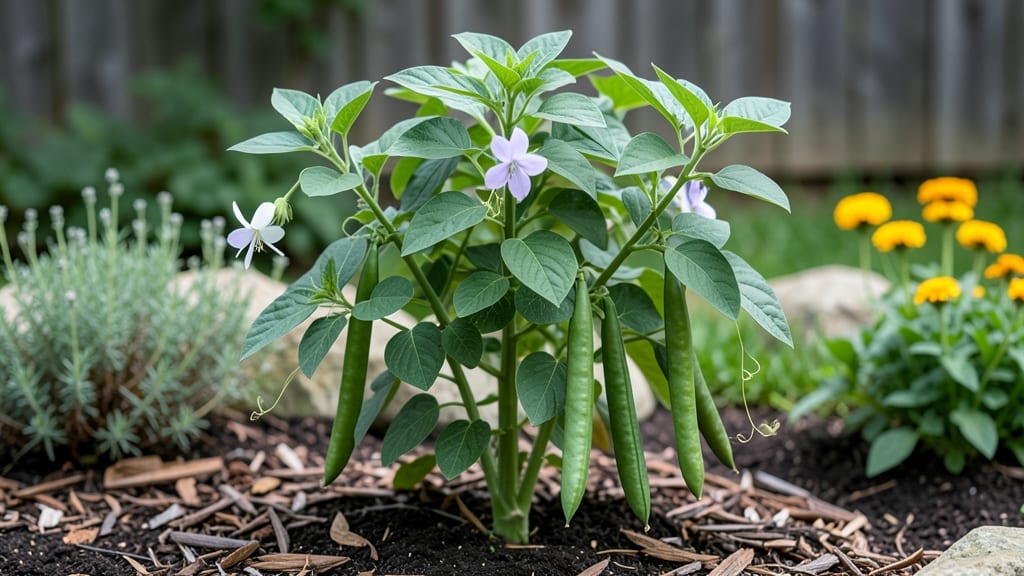
Growing Blue Lake green beans means fresh, tender pods in just 50 days—even when other beans struggle in cool weather. 🌱 These cold-resistant varieties thrive where others fail, producing sweet, snappy beans that outperform store-bought any day.
My first harvest came in late May, and I haven't looked back since. The secret starts with soil: rich, well-draining loam with compost worked in. Plant seeds 1 inch deep, 4-6 inches apart, in rows spaced 18-24 inches apart.
They'll climb or sprawl, so choose a sunny spot with at least 6 hours of sunlight daily—morning sun and afternoon shade works best in hot climates. Water consistently to keep soil moist but not soggy, especially during flowering and pod formation.
A 2-inch mulch layer preserves moisture and keeps weeds at bay. When pods reach 4-6 inches long but still snap easily, it's harvest time—pick regularly to encourage more production. These beans adapt to containers (with support), raised beds, or trellises, making them perfect for small spaces.
They even handle light frosts better than most varieties, so don't rush planting in cooler zones. Here's how to get started right!
📚 In This Guide
- What you need
- Instructions
- Tips and common mistakes
- Wrapping up and next steps
What you need
- ● Blue Lake green bean seeds – Choose Phaseolus vulgaris varieties labeled as "Blue Lake" (e.g., 'Blue Lake 274'). Aim for 5-10 seeds per plant, with 10-15 plants per 10-foot row for a family-sized harvest.
- ● Well-draining soil – Test for pH 6.0-7.0. Amend with compost (2-3 inches mixed into the top 6-12 inches of soil) for nutrient-rich growth.
- ● Organic fertilizer – A balanced 5-10-10 or 10-10-10 (NPK ratio) or compost tea to boost early growth.
- ● Mulch – Straw or shredded leaves (2-3 inches thick) to retain moisture and suppress weeds.
- ● Trellis or stakes – 5-6 foot tall (e.g., bamboo stakes or wire trellis) to support vining varieties. Space 12-18 inches apart.
- ● Garden trowel or transplanting spade
- ○ Gloves (optional but recommended for soil prep)
- ● Watering can or hose with a gentle spray nozzle
- ● Pruning shears (for trimming excess foliage)
- ● Row cover or frost cloth (for early planting in cooler climates)
- ● Sunlight – Full sun (6-8 hours daily) is non-negotiable for optimal growth.
- ● Warm soil – Wait until soil temps reach 60°F (15°C) before planting (use a soil thermometer if unsure).
- ● Succession planting plan – For a continuous harvest, sow seeds every 2-3 weeks (spring to early summer).
- ● Epsom salt (1 tbsp per plant mid-season for magnesium boost)
- ● Companion plants (e.g., marigolds or nasturtiums to deter pests)
- ● Drip irrigation system (for consistent moisture in dry climates)
- ● Seed-starting kit (if transplanting indoors 4-6 weeks before last frost)
Step-by-Step instructions for growing Blue Lake green beans
Here's how to cultivate these cold-hardy, high-yielding beans for a 50-day harvest—no greenhouse needed.
🌱 Step 1: Prepare the Soil and Planting Site
Blue Lake beans thrive in well-draining soil with a pH between 6.0 and 7.0. Work in 2-3 inches of compost or aged manure into the top 12 inches of soil to improve fertility and structure. These beans are sensitive to heavy clay, so if your soil compacts easily, mix in 1-2 inches of coarse sand or perlite to loosen it. Avoid fresh manure—it can burn tender roots and attract pests.
Choose a location with full sun (at least 6-8 hours daily) and shelter from strong winds. Blue Lakes tolerate cooler temperatures better than most beans, but they still need warmth to germinate. If your spring is chilly, wait until soil temperatures reach 60°F before planting—cold soil delays germination for weeks.
🌱 Step 2: Plant Seeds at the Right Depth and Spacing
Sow seeds 1 inch deep, spacing them 4-6 inches apart in rows 18-24 inches apart. Planting too shallow risks drying out seeds before germination, while burying them deeper slows sprouting. I like to use a seedling dibber or pencil to make precise holes—it saves time and ensures even depth.
For a 50-foot row, you’ll need about 100 seeds (accounting for some loss). If you’re planting in cooler climates, consider using black plastic mulch to warm the soil and speed up germination. Water gently after planting to settle the soil but avoid soaking—excess moisture can cause seeds to rot before they sprout.
☀️ Step 3: Maintain Moisture and Fertility for Optimal Growth
Keep the soil consistently moist but not soggy—Blue Lakes need 1-1.5 inches of water weekly, more during flowering and pod development. I water in the early morning to reduce evaporation and fungal risks. Use a soaker hose or drip irrigation to deliver water directly to the roots without wetting the leaves, which prevents common diseases like rust.
Side-dress with balanced fertilizer (10-10-10) when plants reach 6 inches tall, using ½ teaspoon per plant. Avoid high-nitrogen fertilizers—they promote leafy growth at the expense of pods. Instead, focus on potassium and phosphorus to boost flowering and fruiting. You’ll know your plants are happy when they develop deep green, waxy leaves and sturdy stems.
✂️ Step 4: Harvest for Maximum Yield and Encourage Continuous Production
Blue Lake beans are ready to harvest when pods reach 4-6 inches long and are firm but tender. Harvest every 2-3 days to encourage more production—left unchecked, pods quickly become tough and stringy. I like to pick in the late morning when moisture levels are lowest, reducing the risk of mold. Use pruning shears for clean cuts and avoid pulling plants by the stem, which can damage the root system.
For a 50-day harvest window, succession planting works best. Sow a second batch 2-3 weeks after the first to extend your harvest into early fall. If frost threatens before pods mature, harvest the entire plant and store in the fridge for up to 1 week—the beans will continue ripening slightly after picking.
🌿 Step 5: Extend the Season with Cold Tolerance Strategies
Blue Lake beans are among the cold-hardiest varieties, tolerating light frosts (down to 28°F) once established. To push your harvest later into the season, mulch heavily with straw or leaves after the first frost. This insulates roots and protects plants from temperature swings. In warmer climates, provide afternoon shade during peak summer heat to prevent pod abortion.
If you’re growing in USDA Zones 3-5, plant seeds directly in the garden as soon as soil is workable in spring—no need for indoor starts. In Zones 6-10, you can even plant a fall crop 60-70 days before your first frost date for a late-season harvest. Just ensure plants have strong stems and mature roots before cold snaps hit.
Tips & tricks for growing Blue Lake green beans
These cold-resistant beans are surprisingly forgiving once you get the basics right—here's how to avoid the most common pitfalls and maximize your 50-day harvest.
Soil Preparation Secret: The 6.0-7.0 pH range is critical for Blue Lakes, but don't stress about perfect testing. If your soil feels acidic (like pine needles), work in crushed eggshells or wood ash during Step 1—the calcium helps neutralize acidity while providing nutrients. For heavy clay soils, mix in 1-2 inches of coarse sand or perlite to the top 12 inches of soil, but avoid tilling too deep—beans have shallow roots and need loose topsoil for oxygen. I've seen dramatic yield improvements just from this single adjustment in compacted soils.
Germination Game-Changer: Waiting for 60°F soil temperature is non-negotiable in cool climates, but don't let that stop you from starting early. Use black plastic mulch (mentioned in Step 2) to warm the soil by 10-15°F—this lets you plant 2-3 weeks earlier than you'd normally dare. The mulch also suppresses weeds and retains moisture, giving your seeds a head start. Just remember to remove it once plants emerge to prevent overheating.
Watering Wisdom: The 1-1.5 inches weekly guideline works for average conditions, but Blue Lakes actually need more during flowering (Step 3). When you see tiny white flowers forming, increase to 2 inches weekly—this prevents pod abortion. The key is consistency: let the top inch of soil dry between waterings, but never let it stay bone-dry for more than 2 days. I use a rain gauge near my garden to track exactly how much we're getting from nature, then supplement as needed.
Harvest Hack: Those 4-6 inch pods are ready when they snap cleanly but don't bend like rubber bands. Here's my trick: harvest every 2-3 days in the late morning when dew has dried—this gives you the freshest beans and prevents mold. For large gardens, use a basket with a handle to carry your harvest, and always cut pods with pruning shears rather than pulling. I've found that plants continue producing for weeks longer when you make clean cuts instead of tearing stems.
Pro Tips for Blue Lake Green Beans
- These cold-resistant beans are surprisingly forgiving once you get the basics right—here's how to avoid the most common pitfalls and maximize your 50-day harvest.
- Soil Preparation Secret: The 6.0-7.0 pH range is critical for Blue Lakes, but don't stress about perfect testing.
- Germination Game-Changer: Waiting for 60°F soil temperature is non-negotiable in cool climates, but don't let that stop you from starting early.
Frequently asked questions
When is the best time to plant Blue Lake green beans?
Plant Blue Lake green beans after the last frost when soil temps reach 60°F (15°C). For cooler climates, start indoors 4–6 weeks before transplanting. They thrive in full sun (6–8 hours/day) and prefer well-draining soil. If your growing season is short, opt for bush varieties—they mature faster than pole beans!
Can Blue Lake green beans survive frost?
Blue Lake beans are cold-tolerant but not frost-proof. Young seedlings can handle light frost (32°F/0°C), but mature plants will suffer damage below 50°F (10°C). Use row covers or plant in late spring/early summer for best results. If frost hits, harvest what you can—beans won’t regrow after freezing!
What can I plant with Blue Lake green beans to improve growth?
Use companion planting to boost yields and deter pests! Pair them with:
- Corn (beans climb the stalks, saving space)
- Cucumbers or radishes (repel bean beetles)
- Marigolds or nasturtiums (deter pests naturally)
- Avoid planting near onions or garlic (they stunt bean growth).
Rotate crops yearly to prevent soil-borne diseases.
Why are my Blue Lake green beans turning yellow or spotted?
Yellowing leaves or spots usually signal overwatering, nutrient deficiency, or pests. Check these fixes:
- Water issues: Ensure soil drains well—beans hate soggy roots!
- Nutrients: Add compost or balanced fertilizer (high in nitrogen early, phosphorus later).
- Pests: Inspect for bean beetles or aphids. Spray with neem oil or introduce ladybugs.
- Diseases: Remove affected plants and rotate crops next season.
If leaves curl, it may be viral infection—remove the plant immediately.
Are there alternatives to Blue Lake green beans for small gardens?
Yes! If space is limited, try these compact or early-maturing varieties:
- Blue Lake Bush (50–60 days, no trellis needed)
- Provider (pole bean, high yield, 55 days)
- Kentucky Wonder (pole bean, 60 days, great for trellises)
- Contender (bush type, disease-resistant, 55 days)
For container growing, choose bush types in 5-gallon pots with well-draining mix.
Wrapping up and next steps
Growing Blue Lake green beans is a rewarding journey that brings fresh, crisp pods straight to your table in just 50 days—no green thumb required! 🌱 Whether you're a beginner or a seasoned gardener, these cold-resistant perennials thrive with the right soil, sunlight, and care.
The secret to success? Patience and consistency—soak up those early harvests and watch your garden flourish.
Ready to level up your garden game? Start by saving those seeds for next year, or share your bounty with neighbors! 🌟 For even more tips, explore extension guides or join local gardening forums to swap tricks. Now grab those gloves and get planting—your future meals are waiting!