
Vegetables
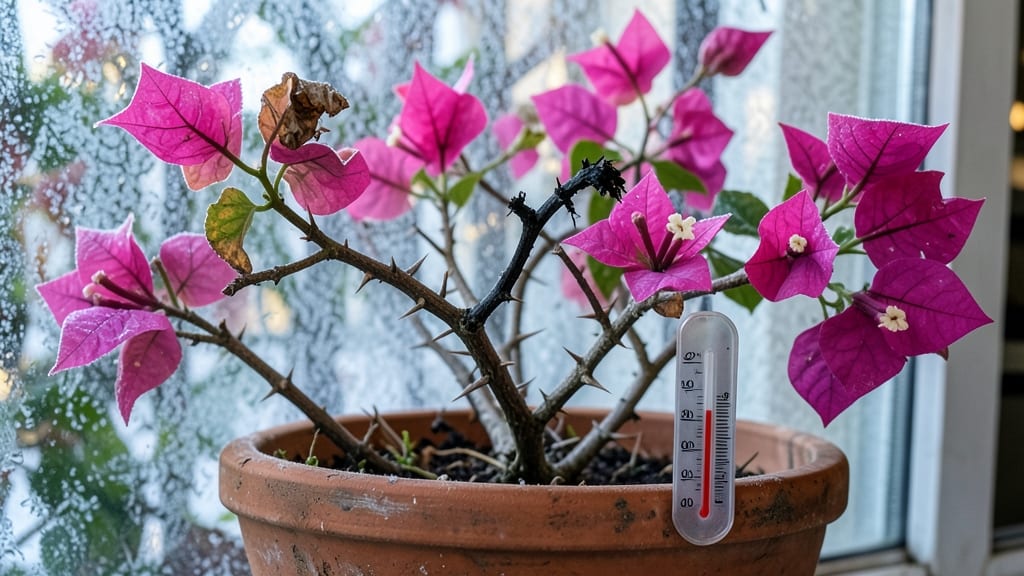
Bougainvillea’s lowest safe temperature is 28°F—but even that’s risky without protection. 🌿 I’ve watched these vibrant plants go from showstopper to sad saplings overnight when winter sneaks in too early.
The key isn’t just the thermometer reading; it’s how long the cold lasts and whether your plant is established or just a tender young shoot.
Most bougainvilleas thrive in USDA zones 9-11, but that doesn’t mean they’re helpless in colder areas. I’ve grown them in zone 8 for years by combining mulching, microclimates, and strategic pruning—techniques that turn near-death experiences into spring comeback stories.
The secret? Treating them like delicate divas that need a little extra TLC when temperatures dip.
With the right approach, you’ll keep those magenta, pink, or orange bracts blooming well into fall—and sometimes even winter—without losing your plant. We’re talking container hacks for patios, pruning schedules that encourage new growth, and indoor overwintering that won’t turn your living room into a jungle.
Even in unpredictable climates, bougainvilleas can become your year-round garden stars.
Here’s the game-changer: a single frost won’t kill them if you act fast, but ignoring the first cold snap will.
I’ll show you how to spot frost damage early (those crispy leaf edges are your first warning) and the simple, no-fuss methods that keep your bougainvillea alive until spring—ready to burst back into bloom like nothing happened.
📚 In This Guide
- What you need
- Instructions
- Tips and common mistakes
- Wrapping up and next steps
What you need
- ● Cold-hardy bougainvillea varieties: Opt for Bougainvillea spectabilis or B. glabra—they tolerate temps down to 25–30°F (-4 to -1°C) with proper care.
- ● Potting mix: 1 bag (1.5–2 cubic feet) of well-draining cactus/succulent mix (amend with perlite or pumice if native soil is heavy).
- ● Containers: 1–2 large pots (12–18 inches in diameter) with drainage holes (terracotta preferred).
- ○ Grow bags (optional for easy winter relocation).
- ● Mulch: 2–3 inches of straw, pine bark, or shredded leaves to insulate roots.
- ● Frost cloth or bubble wrap: 1 roll (10–20 ft) to wrap pots or cover plants during freezes.
- ● Pruning shears: Sharp, sterilized shears for winter trimming (avoid cutting into woody stems).
- ● Slow-release fertilizer: 1 lb of balanced 10-10-10 or 5-10-5 (apply in early spring).
- ● Heat mat: For container-grown bougainvillea in zones below 8b (keeps roots warm during light frosts).
- ● Mini greenhouse or cold frame: Creates a microclimate for delicate varieties.
- ● Root stimulator: 1 bottle (e.g., Mycorrhizal fungi) to boost resilience before winter.
- ● Thermometer: Soil probe type to monitor root-zone temps (ideal: above 40°F/4°C).
Step-by-step guide to protecting bougainvillea in cold weather
Here's how I keep my bougainvillea thriving through chilly seasons without losing those vibrant blooms.
☀️ Step 1: Monitor Temperature Gradually and Adjust Exposure
Bougainvillea thrives in 65-85°F but can tolerate brief dips to 40°F if acclimated. Start protecting it when nighttime temperatures consistently drop below 50°F. I watch my local forecast closely and begin preparations 2-3 weeks before the first frost date—this gives the plant time to adjust.
Move potted bougainvillea to a sheltered location like a garage or under an overhang during the day, then bring it back indoors overnight if temperatures will drop below 45°F. For in-ground plants, cover the base with 4-6 inches of mulch to insulate roots. You'll see new growth slow down as temperatures drop, signaling it's time to take more protective measures.
🪴 Step 2: Create a Protective Microclimate for Potted Plants
For container-grown bougainvillea, I wrap the pot in bubble wrap or frost cloth before moving it to a sheltered spot. This creates a 5-10°F warmer microclimate around the roots. Place the wrapped pot in a location that gets morning sun but afternoon shade—this prevents heat stress while still allowing light for photosynthesis.
If you don't have indoor space, group several potted plants together and cover them with a clear plastic tent supported by stakes. This traps heat during the day and releases it slowly at night. Check daily for condensation—if you see water droplets, remove the cover for a few hours to prevent fungal issues. The goal is to keep the plant's environment between 45-55°F.
✂️ Step 3: Prune Strategically to Encourage Cold Hardiness
Before winter sets in, I give my bougainvillea a light pruning to remove any dead or weak growth. Cut back leggy stems by about one-third to encourage bushier, more compact growth that handles cold better. Avoid heavy pruning in late fall—this stimulates new growth that won't harden off before winter.
Focus on shaping the plant rather than reducing size. Bougainvillea blooms on new wood, so prune just enough to maintain an open, airy shape. You'll see where to cut by looking for stems that are thin, woody, or growing inward. Always use clean, sharp pruners to make 45-degree cuts just above a leaf node. This encourages healthier regrowth in spring.
💧 Step 4: Adjust Watering to Prevent Cold Stress
Reduce watering significantly once temperatures drop below 50°F. Bougainvillea in cold weather needs 30-50% less water than in summer because the plant's metabolic rate slows. Water deeply every 10-14 days instead of weekly, and always water in the morning so the plant has all day to dry out.
Check soil moisture by sticking your finger 1-2 inches deep—if it feels dry, it's time to water. Overwatering in cold weather leads to root rot, which is deadly. You'll notice the plant's leaves may yellow slightly in winter, but this is normal and not a sign of distress. The key is to keep the roots just moist enough to prevent dehydration but not soggy.
⏰ Step 5: Plan for Spring Revival and Gradual Reintroduction
As temperatures begin to rise in early spring, start moving potted bougainvillea back outside for 2-3 hours daily. Place it in a sheltered spot where it can acclimate to outdoor conditions without sudden shock. Gradually increase outdoor time over 2 weeks, watching for new growth as a sign it's ready for full-time outdoor living.
For in-ground plants, remove mulch once daytime temperatures consistently stay above 55°F. Prune again in early spring to shape the plant and remove any winter damage. You'll see fresh green shoots emerge within 3-4 weeks of consistent warm weather. This is your signal that the plant has survived winter and is ready to bloom again.
Tips & tricks for protecting bougainvillea through cold weather
A few strategic adjustments can make all the difference between winter survival and lost blooms next season.
Temperature Monitoring: Use a reliable thermometer to track nighttime lows—this is the critical factor for bougainvillea survival. When temperatures dip below 50°F, your plant is signaling it needs protection. I keep mine indoors overnight when forecasts show 45°F or colder, even if the daytime highs are comfortable. The key is acting 2-3 weeks before the first frost, not waiting until the last minute.
Microclimate Mastery: That 5-10°F warmer microclimate created by wrapping pots makes all the difference. I've found that placing wrapped pots against a south-facing wall captures extra heat during the day. For plastic tents, add a layer of clear plastic wrap over the stakes to create a greenhouse effect—just remember to ventilate daily. The goal is maintaining 45-55°F consistently, not just during the day.
Pruning Precision: When cutting back those leggy stems by one-third, focus on creating an open center that allows air circulation. I always make my cuts at 45-degree angles just above leaf nodes—this encourages new growth from stronger points. Avoid cutting into old wood, as new growth from these areas won't harden off properly before winter.
Watering Wisdom: The 10-14 day watering schedule in cold weather is non-negotiable. I've learned the hard way that soggy roots can't tolerate cold stress. Always water in the morning so any moisture evaporates during the day. If you notice leaves yellowing, it's normal—just don't water again until you feel dryness 1-2 inches deep in the soil.
Pro Tips for Bougainvillea Lowest Temperature
- A few strategic adjustments can make all the difference between winter survival and lost blooms next season.
- Temperature Monitoring: Use a reliable thermometer to track nighttime lows—this is the critical factor for bougainvil...
- Microclimate Mastery: That 5-10°F warmer microclimate created by wrapping pots makes all the difference. I've found t...
Frequently asked questions
Got questions about keeping your bougainvillea thriving in cooler climates? Here are some of the most common concerns—and their solutions!
What’s the lowest temperature bougainvillea can survive in?
Most bougainvillea varieties tolerate temperatures down to 25–30°F (-4 to -1°C) for short periods, but prolonged exposure below 32°F (0°C) can cause damage. Young plants or tender varieties may need extra protection.
How can I protect my bougainvillea from frost?
Use frost cloths, row covers, or mulch to insulate roots. Move potted plants to a sheltered spot or indoors. Avoid watering before freezing temps—wet leaves can freeze and crack. For severe cold, consider wrapping the plant in burlap or using a heat lamp on very cold nights.
Will bougainvillea die if it gets too cold?
Not necessarily! While extreme cold (20°F/-7°C or lower) can kill the plant, many bougainvilleas regrow from the roots in spring. Prune back damaged stems in early spring to encourage new growth. If the roots survive, your plant may bounce back!
Are there cold-hardy bougainvillea varieties?
Yes! Look for ‘California Gold,’ ‘San Diego Red,’ or ‘Thornless’ varieties, which handle cooler temps better than tropical types. These hybrids often survive 20–25°F (-6 to -4°C) with proper care. Check local nurseries for region-specific recommendations.
Can I grow bougainvillea in colder climates at all?
Plant in well-draining soil and choose a south-facing wall for winter sun. In zones 9–11, grow as a perennial; in colder zones, treat as an annual or overwinter indoors. With the right care, you can enjoy blooms year-round (or at least season after season)!
Pro Tip:
If you’re unsure about your zone, test your soil’s drainage—bougainvillea hates soggy roots. Amend heavy soil with sand or gravel to prevent cold-related rot.
Wrapping up and next steps
Understanding bougainvillea’s lowest temperature tolerance is key to keeping your vibrant blooms thriving—even in cooler climates! 🌡️ With the right care, like mulching, choosing cold-hardy varieties, and providing temporary protection, you can enjoy year-round color. Don’t let chilly weather dampen your gardening dreams; adapt and nurture your bougainvillea with confidence!
Ready to give your plant the best shot at survival? Start by testing your bougainvillea’s resilience this season—monitor its response to temps and adjust care as needed. Happy gardening! 🌸