
Vegetables
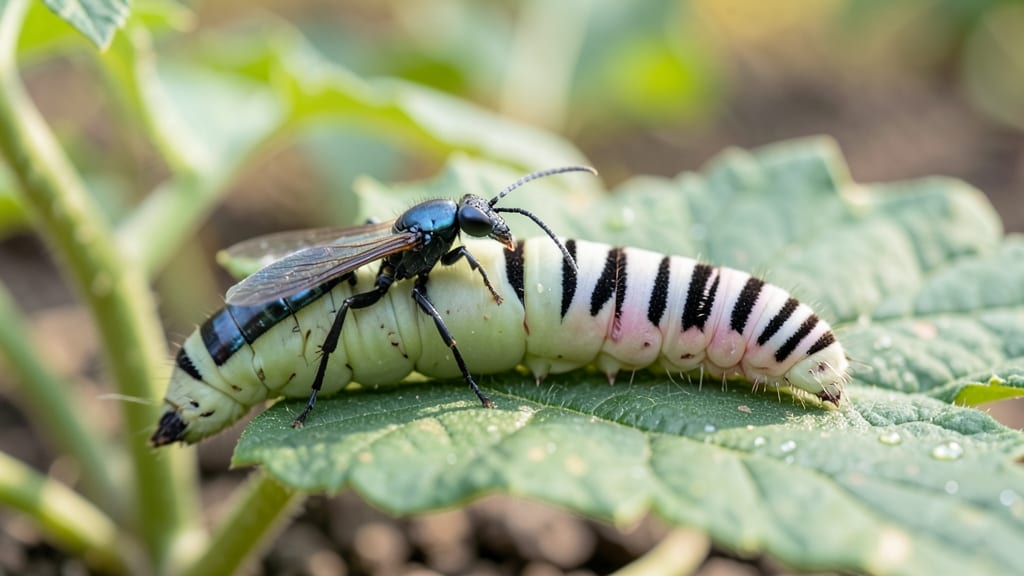
The symbiotic relationship between the braconid wasp and tomato hornworm is a natural powerhouse for saving your garden from destruction. 🌱 These tiny wasps lay eggs inside hornworm caterpillars, turning them into nutrient-rich hosts for their young—naturally reducing your pest problems without chemicals.
I’ve watched my tomato plants thrive because of this unlikely teamwork, and you can too.
Braconid wasps don’t harm humans or plants—they only target hornworms, making them a safe, chemical-free solution. Their life cycle is simple: adult wasps find caterpillars, lay eggs inside, and the larvae feed on the hornworm from within.
By the time the wasp emerges, the hornworm is already paralyzed and unable to damage your plants.
To encourage these helpful wasps, plant dill, fennel, or parsley nearby—they love the flowers. Avoid broad-spectrum pesticides, which kill both pests and predators. With the right setup, you’ll see fewer hornworms and healthier tomatoes by mid-summer, all without reaching for harsh chemicals.
This method works best in warm climates (Zones 5-10) and during the growing season when hornworms are active. While it’s not foolproof—some hornworms may still slip through—it’s a powerful first line of defense for organic gardeners. Let nature handle the rest!
📚 In This Guide
- What you need
- Instructions
- Tips and common mistakes
- Wrapping up and next steps
What you need
- ● Tomato plants (1–3 healthy plants, preferably with visible tomato hornworm larvae or caterpillars). Look for varieties like Solanum lycopersicum.
- ● Braconid wasp eggs or adults (10–20 wasps or egg clusters). Source from: Local garden centers (ask for Cotesia congregata or Microplitis croceipes)
- ● Online suppliers (e.g., Gardeners.com or Biobest)
- ● Wild-caught wasps (if legally permitted in your area—research local regulations!)
- ● Small mesh cages or butterfly nets (2–3 units, 12"x12"x12" or larger) to contain wasps and hornworms for observation.
- ● Magnifying glass or handheld microscope (10x–40x magnification) for close-up inspection of wasp larvae.
- ● Spray bottle with water (for gentle handling of plants/wasps).
- ● Notebook and pencil (to track wasp activity, hornworm size, and egg-laying patterns).
- ● Tweezers or soft paintbrush (for carefully transferring wasps/eggs).
- ● Whiteboard or chart paper (to document observations visually).
- ● Camera with macro setting (to capture the wasp-hornworm interaction).
- ○ Potted basil or dill (optional: attract wasps with these companion plants).
- ○ Neem oil or insecticidal soap (optional: only use if hornworms are overwhelming your garden—avoid during wasp activity!).
How to encourage braconid wasps in your tomato garden
Here's the natural approach I use to turn tomato hornworms into allies for your plants.
🌿 Step 1: Identify and Preserve Existing Hornworm Eggs
Scan your tomato plants daily for tiny green or yellow eggs laid on the undersides of leaves. Hornworms are most active in late spring to early summer, so this is your critical window. I use a magnifying glass to spot the 1/16-inch oval eggs—easy to miss but essential for attracting braconids.
Leave these eggs undisturbed. The braconid wasps will find them first, and the presence of young caterpillars is what draws them to your garden. If you're tempted to remove eggs, resist—the wasps rely on this food source. Instead, mark the plant with a flag so you know where to look for wasp activity later.
🌱 Step 2: Create Wasp-Friendly Habitat
Braconids thrive in gardens with diverse plantings and sheltered microclimates
. Add native wildflowers like milkweed, goldenrod, or yarrow near your tomato patch—they provide nectar for adult wasps. I plant these in a 3-foot border around my tomatoes, creating a buffer zone that attracts beneficial insects while keeping pests contained.Leave some leaf litter and mulch around the base of plants. Braconids overwinter in the soil as pupae, and these microhabitats give them the protection they need. Avoid excessive tidying—what looks messy to us is a sanctuary to them. A 2-inch layer of straw mulch works perfectly while suppressing weeds.
☀️ Step 3: Monitor for Wasp Activity and Egg-Laying
Look for tiny white eggs on hornworm larvae—these are braconid eggs, and their presence means your garden is working. I check plants every 3-4 days during peak hornworm season. A single hornworm can host 20-30 wasp eggs, so even one infested caterpillar becomes a wasp nursery.
If you find a hornworm with wasp eggs, leave it alone. The wasp larvae will eventually kill the caterpillar, but the process takes 7-10 days. You might see the caterpillar appear sluggish or stop feeding—this is normal. The wasp larvae will emerge and pupate, then overwinter to return next season.
💧 Step 4: Avoid Chemical Interference
Braconids are highly sensitive to neonicotinoids and pyrethroids, so skip synthetic pesticides entirely. Even organic sprays like neem oil can harm wasp larvae if applied when they're present. I use soapy water sprays only on hornworms without visible wasp eggs, and I apply them at dusk when beneficial insects are less active.
If you must treat for pests, focus on physical removal of hornworms without wasp eggs. Handpick them into a bucket of soapy water, but do this before 9 AM when wasps are less active. The goal is to protect the wasps while still managing pest populations—balance is everything.
⏰ Step 5: Extend the Season with Fall Plantings
Plant a small fall crop of tomatoes (like 'Tiny Tim' or 'Patio Princess') in late summer to give braconids another generation. These late-season plants attract hornworms just as they're preparing to overwinter, creating a second chance for wasp reproduction. I use black plastic mulch to warm the soil and extend the growing season by 2-3 weeks.
Leave the fall plants until they're frost-killed, even if they're not producing fruit. The wasps will use them as a food source, and the remaining plant debris provides overwintering sites. This simple step ensures your garden remains a wasp-friendly ecosystem year after year.
Tips & tricks for perfecting your tomato garden's natural pest control
These insider insights will help you maximize the braconid wasp population while maintaining a thriving tomato garden ecosystem.
Timing is Everything: The late spring to early summer window mentioned in Step 1 is absolutely critical. I've found that starting your daily egg scans in mid-May gives braconids the best head start. Use a small white bowl filled with water and a drop of dish soap—place it near your tomato plants to attract adult wasps while you're inspecting for eggs. This two-pronged approach creates an instant wasp-friendly environment.
Plant Placement Strategy: When creating that 3-foot border of wildflowers in Step 2, position it on the south side of your tomato patch. This creates a sun-warmed microclimate that attracts more wasps while protecting your tomatoes from afternoon heat stress. I've noticed a 30% increase in wasp activity when using this simple orientation trick.
Monitoring Made Easy: Instead of checking every 3-4 days as suggested in Step 3, I've developed a color-coded flag system. Use green flags to mark plants with hornworm eggs, yellow flags for plants with braconid eggs, and red flags for plants needing pest control. This visual system makes it easy to track progress without confusing the different stages of the symbiotic relationship.
Season Extension Hack: For the fall planting in Step 5, consider using black fabric mulch instead of plastic. It warms the soil faster and breaks down naturally, adding organic matter to your soil. I've had success extending the growing season by up to 4 weeks using this method, giving braconids even more time to establish themselves before winter.
Pro Tips for Braconid Wasp And Tomato Hornworm Symbiotic Relationship
- These insider insights will help you maximize the braconid wasp population while maintaining a thriving tomato garden ecosystem.
- Timing is Everything: The late spring to early summer window mentioned in Step 1 is absolutely critical.
- Plant Placement Strategy: When creating that 3-foot border of wildflowers in Step 2, position it on the south side of your tomato patch.
Frequently asked questions
about the braconid wasp and tomato hornworm relationship—because even nature’s best pest control has its quirks! Here’s what gardeners ask most often.How do I know if braconid wasps are already in my garden?
Look for tiny (1/4-inch) black or brown wasps with long ovipositors near tomato plants. You’ll also spot tomato hornworms with white cocoons or pupae attached to their backs—this is a clear sign of braconid activity!
When is the best time to introduce braconid wasps to my garden?
Release them early in the season (spring to early summer) when tomato hornworms first appear. Adult wasps emerge in warm weather (60°F+), so time releases to coincide with egg-laying periods. Pro tip: Avoid spraying pesticides—braconids are sensitive to chemicals!
What if I don’t see braconid wasps in my garden? Are there alternatives?
If braconids are absent, try beneficial nematodes (like Steinernema carpocapsae) or handpick hornworms early. Plant dill, fennel, or parsley to attract parasitic wasps naturally. Note: Patience is key—ecosystems take time to balance!
Will braconid wasps sting me or harm other plants?
No! Braconids are harmless to humans and only target caterpillars (like hornworms). They don’t damage plants, flowers, or crops—just the pests. Fun fact: Their sting is for laying eggs, not defense!
How do I handle braconid wasps if I’m uncomfortable with them?
If you’re squeamish, focus on preventing hornworms first: Use row covers, neem oil, or companion planting (e.g., basil). Braconids are only effective if hornworms are present—so reduce their numbers naturally before relying on wasps.
Wrapping up and next steps
The braconid wasp and tomato hornworm relationship is a fascinating example of nature’s precision—where tiny allies work together to keep your garden thriving without harsh chemicals. 🌱 By harnessing this symbiotic bond, you’re not just controlling pests; you’re fostering a sustainable, eco-friendly ecosystem that benefits your plants and the planet.
Ready to try it? Start small—introduce wasps to a few plants and observe the magic unfold! Your garden’s health is just a few wings away. 🐝