
Vegetables
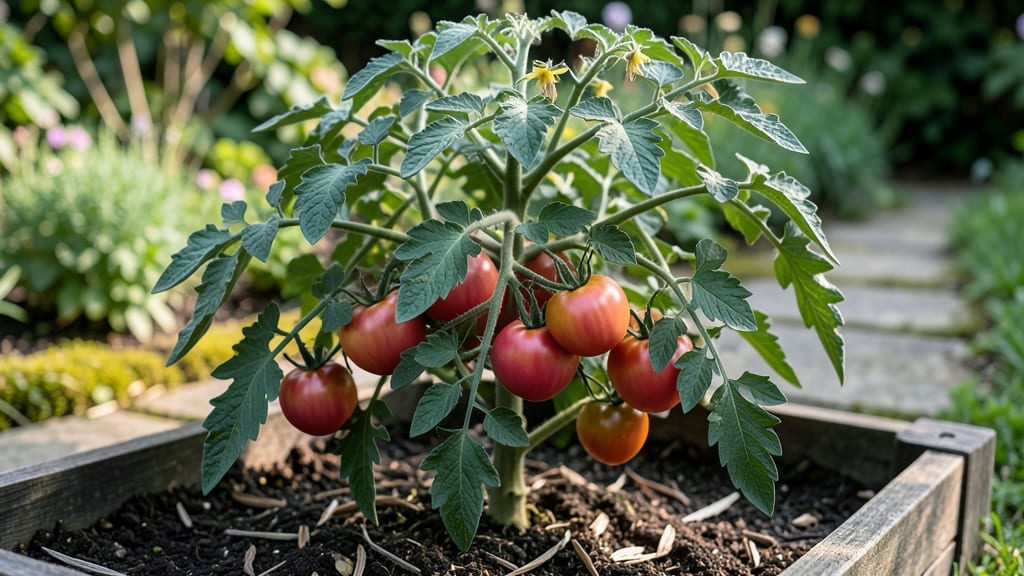
Growing Brandywine cherry tomatoes means harvesting bold, striped fruit that tastes like summer in every bite—and the secret is treating them like the vigorous climbers they are. 🌱 These indeterminate varieties don’t stop growing, so they need sturdy support and regular care to keep producing until frost.
The key to success starts with the right setup: 5-gallon containers with well-draining soil, a trellis that reaches 6+ feet, and morning sun for at least 6 hours daily.
Water consistently at the base (never overhead) to prevent cracking those sweet, heirloom tomatoes—then watch them climb and fruit like crazy all season. You’ll harvest your first cherries in 70-80 days, but the real magic happens when you prune suckers and stake them properly.
The flavor? Unmatched—juicy, complex, and worth every pinch of effort. Even in containers, these plants thrive with the right balance of nutrients and airflow. Common challenges like blight or aphids are easy to manage with neem oil and proper spacing.
If you love tomatoes that keep giving, this is your go-to variety—just don’t forget the trellis!
📚 In This Guide
- What you need
- Instructions
- Tips and common mistakes
- Wrapping up and next steps
What you need
- ● Brandywine cherry tomato seeds (or young seedlings) – 1-2 plants per 5-gallon container (or 1 plant per 3-gallon container).
- ● Containers – 5-gallon fabric grow bags, plastic pots, or wooden barrels (ensure they have drainage holes).
- ● High-quality potting mix – Lightweight, well-draining mix with compost or coconut coir (avoid garden soil).
- ● Tomato cages or stakes – 4-6 ft tall (for support as plants grow).
- ● Balanced fertilizer – 10-10-10 or organic options like compost tea or worm castings.
- ● Watering can or hose with a gentle nozzle – For deep, consistent watering.
- ○ Mulch (optional but recommended) – Straw or shredded leaves to retain moisture.
- ● Pruning shears – For trimming suckers and shaping plants.
- ● pH testing kit – Ideal soil pH: 6.0–6.8.
- ● Hand trowel – For transplanting seedlings.
- ○ Drip irrigation or soaker hose (optional) – For automated watering.
- ● Shade cloth (if needed) – For hot climates (30–50% shade).
How to grow Brandywine cherry tomatoes in containers
Here's the foolproof method I've used to grow these stunning striped tomatoes year after year—no greenhouse needed.
🌱 Step 1: Choose the Right Containers and Soil Mix
Brandywines need 5-gallon containers minimum—their sprawling vines demand room to grow. I use fabric grow bags because they allow roots to breathe and prevent the dreaded soil compaction that stunts growth. Fill each with a mix of 60% potting soil, 30% compost, and 10% perlite for that perfect airy texture.
Tap the container gently after filling to settle the mix without compacting. The soil should feel like a damp sponge—squeeze it and it should hold its shape but not drip water. Add a handful of slow-release fertilizer (like 10-10-10) to the bottom before planting. This ensures steady nutrition without burning roots.
☀️ Step 2: Plant and Position for Maximum Sunlight
Dig a hole in the center of your container, just deep enough to bury the plant's roots without folding them. Place your Brandywine seedling in, then fill around the base with soil, pressing gently to remove air pockets. The key here is to plant deeper than the root ball—up to the first set of leaves. This encourages stronger stem development.
Position your containers in a spot that gets full sun (6-8 hours daily). South-facing windows or patios work best, but if you're using grow lights, keep them 6 inches above the plant and run them for 14-16 hours daily. You'll know you've got it right when the leaves stay vibrant green and the vines grow bushy instead of leggy.
💧 Step 3: Water Deeply and Consistently
Brandywines hate dry soil—water deeply every 2-3 days until the top 2 inches of soil feel damp. I use the finger test: stick your index finger in the soil. If it feels dry at the first knuckle, it's time to water. Water at the base of the plant, avoiding the leaves to prevent fungal diseases like early blight.
Mulch the soil surface with 1 inch of straw or shredded leaves to retain moisture and keep roots cool. This is especially important in containers, where soil dries out faster than in the ground. You'll notice the mulch darkens as it breaks down—this is normal and actually improves soil structure over time.
✂️ Step 4: Prune and Support for Heavy Fruit
As your Brandywine grows, you'll need to prune aggressively to manage its size and encourage fruit production. Remove any suckers (the small shoots that grow between the main stem and branches) when they're 2-3 inches long. Pinch them off with your fingers—no need for shears. This redirects energy to fruit development instead of leafy growth.
Install a sturdy 5-foot tomato cage or trellis as soon as the plant reaches 12 inches tall. Brandywines produce pound after pound of fruit, and without support, the branches will snap under the weight. Tie the main stem to the cage with soft plant ties, and gently weave the branches through the openings as they grow.
🌿 Step 5: Harvest and Encourage Regrowth
Start harvesting when the cherries reach 1-1.5 inches in diameter—they won't get much bigger, and the flavor peaks at this size. Twist gently to remove the fruit, being careful not to pull the stem. You'll know they're ready when they're deep red with those signature black stripes. Harvest in the morning for the sweetest flavor.
Here's the magic of Brandywines: they're technically perennials, and with care, they'll regrow for you year after year. After your first harvest, cut the plant back by half its height and fertilize lightly. Keep it well-watered, and you'll see new growth in 3-4 weeks. In colder climates, bring the container indoors or protect it with a frost blanket—just keep it in a bright spot and reduce watering slightly.
Tips & tricks for growing Brandywine cherry tomatoes in containers
Real talk: These striped beauties are worth every ounce of effort. Here's how to keep them thriving like a pro.
Container Size Matters: That 5-gallon minimum isn't just a suggestion—it's non-negotiable. I've seen Brandywines choke in 3-gallon pots. The roots need room to spread, especially when they're producing those pound-after-pound tomatoes. If you're tempted to go smaller, think again. The vines will become root-bound quickly, and you'll end up with stunted growth and fewer fruits.
Soil Texture is Everything: The 60/30/10 mix of potting soil, compost, and perlite isn't arbitrary. That perlite creates tiny air pockets that prevent compaction—something containers are especially prone to. When you tap the container to settle the soil, do it gently. You're not trying to pack it down like dirt in a garden bed. The goal is just to eliminate big air gaps without creating a brick-like texture.
Sunlight Strategy: Those 6-8 hours of full sun are crucial, but here's what nobody tells you—morning sun is more important than afternoon. The intense midday heat can scorch leaves, especially in containers where roots can't absorb moisture as quickly. If you're using grow lights, position them closer to the plant (4-5 inches) for the first 2-3 hours of light, then move them up to 6 inches for the remaining 12-14 hours. This mimics the natural sun cycle and prevents leaf burn.
Pruning Payoff: Don't be shy with those suckers! I used to hesitate, thinking I might hurt the plant by removing too much. But here's the thing: those little shoots between the main stem and branches are energy vampires. They siphon nutrients that could be going to your tomatoes. Pinch them off when they're just 2-3 inches long, and you'll notice a dramatic increase in fruit production. The plant will focus all its energy on growing those sweet, striped cherries instead of leafy growth.
Pro Tips for Brandywine Cherry Tomato
- Real talk: These striped beauties are worth every ounce of effort. Here's how to keep them thriving like a pro.
- Container Size Matters: That 5-gallon minimum isn't just a suggestion—it's non-negotiable.
- Soil Texture is Everything: The 60/30/10 mix of potting soil, compost, and perlite isn't arbitrary.
Frequently asked questions
Got questions about growing Brandywine cherry tomatoes? You’re in the right place! Here are answers to the most common queries—from planting to harvest—so you can grow these striped beauties like a pro.
How long does it take for Brandywine cherry tomatoes to produce fruit?
With warm soil and consistent care, Brandywine cherry tomatoes typically start flowering 50–60 days after transplanting and produce fruit 60–70 days later. Patience pays off—these heirlooms are worth the wait for their sweet, juicy rewards!
Can Brandywine cherry tomatoes grow in containers, and what size pot do they need?
These tomatoes thrive in containers as long as the pot is at least 12–18 inches deep and 12–18 inches wide. Use a high-quality potting mix with good drainage, and consider a tomato cage or trellis to support their vines. Just ensure the container gets 6–8 hours of sunlight daily.
What are the most common pests or diseases affecting Brandywine cherry tomatoes, and how do I prevent them?
Watch for hornworms, aphids, and blight. To prevent pests, rotate crops annually and use neem oil or insecticidal soap if needed. For disease prevention, avoid overhead watering and ensure airflow around plants. Prune lower leaves to reduce humidity at the base.
Do Brandywine cherry tomatoes need a long growing season, or can I grow them in cooler climates?
Brandywine tomatoes prefer warmth (70–85°F), but you can extend the season in cooler areas by starting seeds indoors 6–8 weeks before the last frost and using row covers or black plastic mulch to warm the soil. If your season is short, opt for determinate varieties for faster harvests.
Can I save seeds from Brandywine cherry tomatoes for next year?
Yes! These heirlooms are open-pollinated, so you can save seeds easily. Scoop out the gel-like seed sacs, ferment them in water for 2–3 days, then rinse and dry on a paper towel. Store in a cool, dark place for planting next season.
Are Brandywine cherry tomatoes different from regular Brandywine tomatoes?
Yes! While both are heirloom varieties, Brandywine cherry tomatoes produce small, sweet fruit (1–2 inches) on prolific clusters, whereas classic Brandywine tomatoes yield large, beefsteak-style slices. The cherry version is perfect for snacking, salads, or sauces!
Wrapping up and next steps
Growing Brandywine cherry tomatoes in containers is a rewarding journey that brings bold flavors and vibrant striped beauty to your space—no yard required! 🌱 With the right setup, these perennials thrive year after year, offering a taste of summer with minimal fuss.
Whether you're a seasoned gardener or a curious beginner, their resilience and productivity make them a standout choice.
Now that you’re armed with tips and answers, why not start your own container garden today? Grab a pot, some soil, and let these striped stars take center stage on your balcony or patio. Happy planting—and enjoy the sweet rewards of your green thumb! 🍅✨