
Vegetables
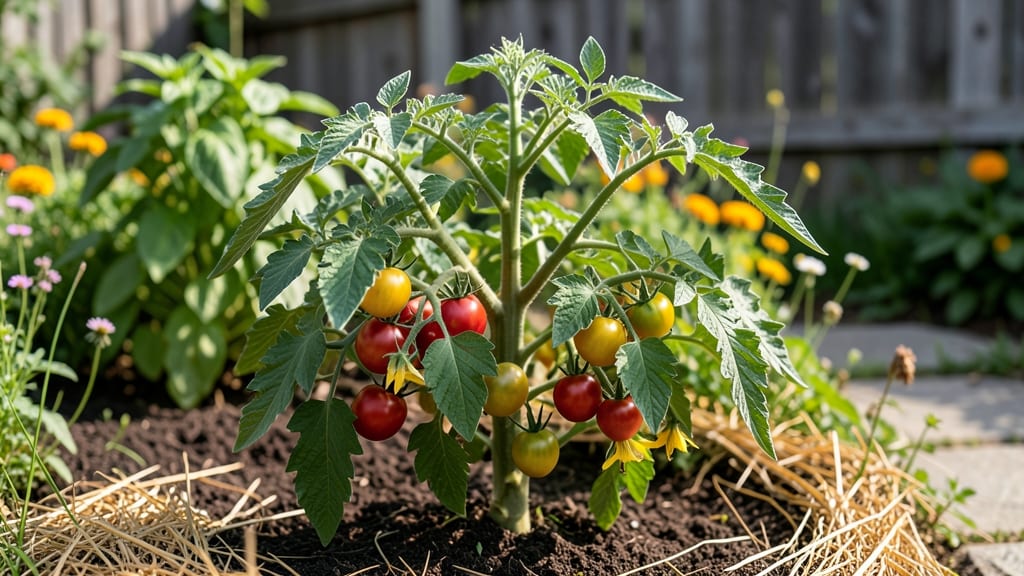
Growing Candy Bell tomatoes transforms your patio into a striped, sweet harvest factory. 🌱 These cherry tomatoes aren't just delicious—they're ornamental showstoppers with bold red-and-yellow stripes that make your containers look like edible art.
They thrive in containers as small as 5-gallon pots, making them perfect for balconies or small spaces. The key is full sun (6-8 hours daily) and well-draining soil mixed with compost—no fancy greenhouse needed.
I've grown mine in black fabric pots to retain heat, and they produce pounds of fruit from spring until frost. Harvest begins when tomatoes turn fully red and plump, about 60-70 days after transplanting. The flavor? Bursting with sweetness that rivals heirlooms.
Pinch off early blossoms to encourage bushier growth, and watch your plants become self-supporting without staking. Perfect for beginners or space-challenged gardeners—these tomatoes handle heat, drought, and even container life with surprising resilience. Let's get growing!
📚 In This Guide
- What you need
- Instructions
- Tips and common mistakes
- Wrapping up and next steps
What you need
- ● Candy Bell tomato seeds or seedlings: 2–4 plants (check seed packet for spacing—these vines grow 4–6 feet tall!).
- ● Containers: 5-gallon pots or larger (minimum 12" diameter) with drainage holes. Pro tip: Use fabric grow bags for better aeration!
- ● High-quality potting mix: 10–15 lbs (look for a blend labeled for vegetables, like Miracle-Gro Potting Mix or Fox Farm Ocean Forest).
- ○ Tomato cages or stakes: 5–6 ft tall (1 per plant). Optional: Trellis for vertical growth!
- ● Balanced fertilizer: 10-10-10 or organic options like fish emulsion (follow package rates).
- ● Mulch: Straw or shredded leaves (to retain moisture and suppress weeds).
- ● Gloves & trowel: For planting and soil prep.
- ● Watering can or hose with gentle spray: Avoid soggy soil!
- ● Pruning shears: To trim suckers (side shoots) as the plant grows.
- ● Sunny spot: 6–8+ hours of direct sunlight daily (balconies, patios, or full-sun windowsills work!).
- ○ pH testing kit (optional): Ideal soil pH: 6.0–6.8. Adjust with lime or sulfur if needed.
Step-by-step instructions for growing Candy Bell tomatoes in containers
Here's how to cultivate these striking striped beauties—perfect for small spaces and bold harvests.
🌱 Step 1: Select the Right Container and Prepare the Soil
Choose a container at least 12 inches deep and 18 inches wide for each plant—Candy Bell tomatoes need room to sprawl. I prefer fabric grow bags because they allow roots to breathe and prevent waterlogging, which these tomatoes hate. If using traditional pots, ensure they have multiple drainage holes to avoid soggy soil.
Fill the container with a sterile potting mix blended with 20% perlite or vermiculite for aeration. Candy Bell tomatoes thrive in slightly acidic soil with a pH of 6.0-6.8. Mix in a slow-release fertilizer (like 5-10-10) at planting time to provide steady nutrients. Moisten the mix until it holds together when squeezed but doesn’t drip—think of a damp sponge.
☀️ Step 2: Plant and Position for Maximum Sunlight
Sow seeds ¼ inch deep or transplant a young Candy Bell seedling, ensuring the stem is buried just below the soil line. These tomatoes grow vigorously, so space them 18-24 inches apart if planting multiple in one container. Gently firm the soil around the base to eliminate air pockets, but don’t compact it—roots need room to expand.
Place your container in a spot that receives full sun (6-8 hours daily). A south-facing window or balcony works, but if you’re growing indoors, supplement with a grow light kept 4-6 inches above the plant. Watch for leggy growth—thin, pale stems reaching toward light—this means your plant isn’t getting enough intensity. Adjust the light or move the container closer to the window.
💧 Step 3: Water Deeply and Maintain Consistent Moisture
Water Candy Bell tomatoes deeply once a week, allowing the top 2 inches of soil to dry out between waterings. These plants are drought-tolerant once established, but they despise soggy roots. I use a soaker hose or water at the base to avoid wetting the leaves, which reduces disease risk. Overhead watering in the evening can lead to fungal issues, so aim for morning sessions.
Here’s the thing—these tomatoes are sensitive to uneven moisture. If the soil feels dry only at the surface but damp below, water again. You’ll know it’s right when the soil looks slightly damp but not glistening. Mulch with 1-2 inches of straw to retain moisture and regulate soil temperature—this is especially helpful in hot climates.
✂️ Step 4: Prune and Support for Healthy Growth
Candy Bell tomatoes produce indeterminate vines, meaning they’ll keep growing until frost. Install a 5-6 foot tall tomato cage or trellis at planting to support their weight. As the plant grows, prune suckers (the small shoots that form in the leaf axils) to encourage stronger fruit production. Remove suckers when they’re 2-3 inches long—they’ll only compete with your main stems for energy.
Pinch off the first few flowers if your plant looks leggy or under stress. This might seem counterintuitive, but redirecting energy to leaf and stem growth leads to a stronger, more productive plant later. Once the plant is established (after 4-6 weeks), let it flower freely. You’ll see bold striped fruits forming within 60-70 days of planting.
🌿 Step 5: Harvest and Encourage Continuous Production
Harvest Candy Bell tomatoes when they’re fully colored and slightly soft to the touch. The stripes should be vibrant, and the fruit should yield gently when pressed. Use pruning shears to cut stems, leaving a ¼ inch of stem attached to the fruit. This encourages the plant to produce more flowers and fruit in the same spots.
After each harvest, feed your plant with a balanced liquid fertilizer (like 10-10-10) every 2-3 weeks to sustain growth. If you’re in a warm climate, Candy Bell tomatoes may continue producing until frost. In cooler areas, bring containers indoors near a sunny window or under grow lights to extend the season. With proper care, you’ll enjoy bold, striped harvests all summer long.
Tips & tricks for growing stunning Candy Bell tomatoes
These insider tricks will help you coax the most vibrant striped tomatoes from your containers—no matter how limited your space.
Container Selection Matters: Fabric grow bags are my go-to because they prevent waterlogging, but if you're using traditional pots, add a 3-inch layer of gravel at the bottom for extra drainage. I've seen Candy Bell tomatoes thrive in 18-inch wide containers with just one plant, but if you're ambitious, you can fit two in a 24-inch container by spacing them 18 inches apart—just be prepared for slightly smaller fruits. The key is avoiding overcrowding, which leads to poor air circulation and disease.
Soil Science for Bold Striped Tomatoes: That 6.0-6.8 pH range isn't just a suggestion—it's critical for unlocking the candy bell's signature vibrant stripes. Test your soil before planting, and if it's off, amend with sulfur to lower pH or lime to raise it. I also add a handful of worm castings to the potting mix for extra nutrients. These tomatoes are heavy feeders, so don't skimp on the 5-10-10 slow-release fertilizer—it's what gives them that showstopping color.
Lighting Hacks for Small Spaces: The 6-8 hours of full sun requirement is non-negotiable, but if you're growing indoors, a full-spectrum LED grow light on a timer (14-16 hours daily) works wonders. Position it 6 inches above the plant and adjust as the plant grows. Watch for those telltale leggy stems—they're your plant's way of saying "more light, please!" If you notice the stems stretching toward your window, move the container closer or supplement with additional light immediately.
Pruning Strategy for Maximum Production: Those 2-3 inch suckers might look harmless, but they're energy vampires that drain resources from your fruit production. I prune mine aggressively, keeping only the main stems and the first few leaves below each flower cluster. And here's a secret: pinch off the first few flowers until the plant has a strong stem system (after 4-6 weeks). This might seem counterintuitive, but it leads to a much stronger plant that produces more fruit later in the season. Think of it as building a foundation before adding the decorative elements.
Pro Tips for Candy Bell Tomato
- These insider tricks will help you coax the most vibrant striped tomatoes from your containers—no matter how limited ...
- Container Selection Matters: Fabric grow bags are my go-to because they prevent waterlogging, but if you're using tra...
- Soil Science for Bold Striped Tomatoes: That 6.0-6.8 pH range isn't just a suggestion—it's critical for unlocking the...
Frequently asked questions
Got questions about growing and enjoying Candy Bell tomatoes? You're not alone! Here are some of the most common queries—plus quick, practical answers to help you grow these striped beauties like a pro.
How long does it take for Candy Bell tomatoes to produce fruit?
With patience and the right care, you can expect your Candy Bell tomatoes to start flowering 6-8 weeks after transplanting (or 8-10 weeks from seed). Fruit typically ripens 50-70 days after flowering, so plan for a total of 3-4 months from seed to harvest. If you’re growing in containers, ensure they’re at least 12 inches deep to support healthy root development.
Can Candy Bell tomatoes survive frost?
Nope! Candy Bell tomatoes are tender perennials (though they’re often grown as annuals in cooler climates) and cannot tolerate frost. If you’re in a short-season area, start seeds indoors 6-8 weeks before your last frost date and transplant after all danger of frost has passed. For extended harvests, consider using a row cover or greenhouse in fall.
Why aren’t my Candy Bell tomatoes changing color?
If your tomatoes are staying green or yellow instead of turning red-orange, it’s often due to temperature stress, poor pollination, or overwatering. Try these fixes:
Heatwave? Move containers to a shadier spot if temps exceed 90°F (32°C).
Pollination issues? Gently shake plants or hand-pollinate with a small brush.
Overwatering? Ensure pots have drainage holes and water only when the top inch of soil is dry.
Are Candy Bell tomatoes self-pollinating?
Yes! Candy Bell tomatoes are self-pollinating, meaning they don’t require bees or wind to produce fruit. However, humidity or extreme heat can sometimes hinder pollination. If flowers drop without setting fruit, try hand-pollinating by gently tapping the plant or using a small paintbrush to transfer pollen between flowers.
What’s the best way to use Candy Bell tomatoes in cooking?
These sweet, striped gems are versatile in the kitchen! Try them:
- Fresh on salads—their bright flavor pairs well with basil, mozzarella, and balsamic.
- Sliced on sandwiches or burgers for a juicy twist.
- Roasted or grilled to intensify their sweetness.
- Sauces or salsas—their low acidity makes them great for blending.
Pro tip: Harvest when fully colored for the best flavor, but don’t wait too long—they soften quickly!
Wrapping up and next steps
The Candy Bell tomato isn’t just a feast for the eyes—it’s a game-changer for small-space gardeners and container lovers! With its striking stripes, sweet flavor, and compact growth, it proves that big harvests don’t need big plots.
Whether you’re a beginner or a seasoned gardener, these perennials (in frost-free zones) or annuals (elsewhere) offer effortless rewards—just plant, nurture, and enjoy!
Ready to grow your own candy-striped tomatoes? Start by gathering your supplies, then dive into planting—your taste buds (and Instagram feed) will thank you! 🌱✨