
Vegetables
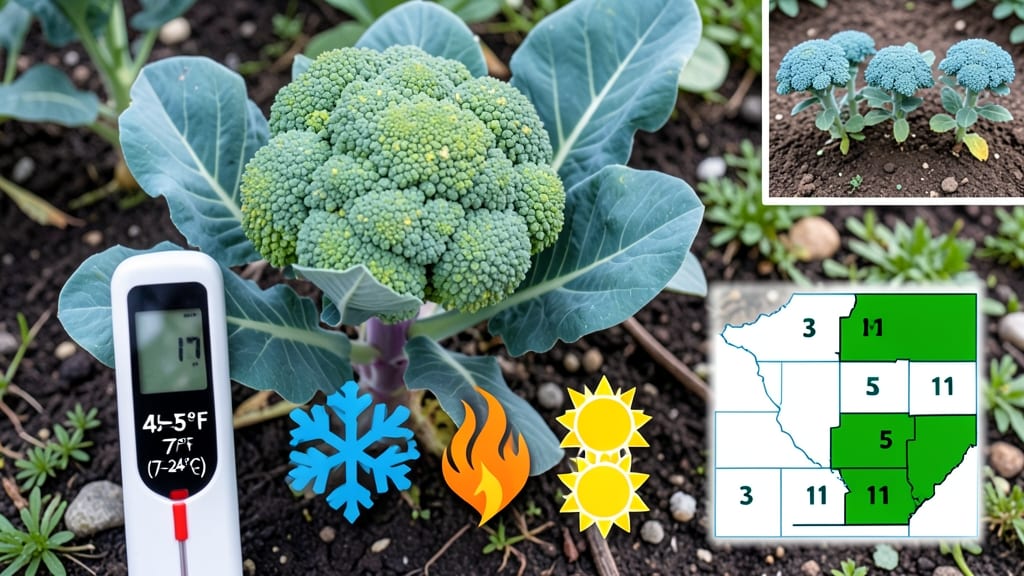
Broccoli’s temperature tolerance makes it a cool-season powerhouse—so much so that it can thrive year-round in the right zones. 🌱 I’ve grown broccoli through three winters in my Zone 6 garden—here’s how to keep it producing when others give up.
The secret lies in timing: seeds germinate best at 45–85°F, but once established, plants handle 20°F without flinching. Heat over 80°F triggers bolting, so shade cloth and evening watering become your best friends in summer.
My plants stay productive for 6+ months when I plant successive batches every 3 weeks.
You’ll harvest tender, compact heads even in late fall, and the flavor? Sweeter than store-bought any day. The key is matching varieties to your climate—some like ‘De Cicco’ bolt faster than ‘Waltham 29,’ which stays cool and collected.
Works for containers, raised beds, or in-ground—just adjust mulch thickness for winter protection. Here’s how to keep yours growing when others quit.
📚 In This Guide
- What you need
- Instructions
- Tips and common mistakes
- Wrapping up and next steps
What you need
- ● Broccoli Seeds or Seedlings: Cold-tolerant varieties (e.g., ‘De Cicco,’ ‘Calabrese,’ or ‘Waltham 29’) – 3-5 seeds or 2-3 seedlings
- ○ Optional: Organic, untreated seeds for heirloom varieties
- ● Growing Containers or Garden Beds: For containers: 5-gallon pots or larger (with drainage holes) – 1-2 per plant
- ● For in-ground: Well-draining soil with 6+ inches of organic matter (compost or aged manure)
- ● Soil Mix: 1 part high-quality potting soil
- ● 1 part perlite or vermiculite (for aeration)
- ○ Optional: 1 part coconut coir for moisture retention
- ● Fertilizer: Balanced organic fertilizer (e.g., 5-5-5 or 10-10-10) – 1 tbsp per plant at planting
- ○ Optional: Slow-release granules (e.g., Osmocote) for extended feeding
- ● Temperature Monitoring Tools: Digital thermometer (soil + air) – 0–100°F range
- ○ Optional: Heat mat (for indoor starts) or frost cloth (for outdoor protection)
- ● Watering Supplies: Watering can or hose with gentle spray nozzle
- ○ Optional: Drip irrigation kit for consistent moisture
- ● Protective Gear (for Outdoor Growing): Row covers or cold frames (for sub-32°F temps)
- ● Stakes or cages (to support heavy heads)
- ● Access to a sunny spot (6+ hours of light daily) or grow lights (12–16 hours/day for seedlings)
- ○ Basic knowledge of pH testing (ideal soil pH: 6.0–7.0) – optional but helpful
- ● Patience! Broccoli takes 60–90 days to mature from seed
Understanding broccoli's temperature range for year-round success
Broccoli thrives in cool weather and can handle surprisingly cold conditions—here's how to leverage its cold-hardiness for continuous harvests.
☀️ Step 1: Identify Broccoli's Ideal Temperature Zones
Broccoli performs best when daytime temperatures stay between 50-75°F, with cooler nights (40-55°F) actually improving flavor and head formation. This cool-loving crop can survive brief dips to 20°F without significant damage, making it perfect for spring and fall plantings in most climates. In warmer zones, focus on fall/winter crops to avoid heat stress.
Watch for bolting (rapid flowering) when temperatures climb above 80°F—this ruins head development. If you're in a hot region, opt for heat-tolerant varieties like 'Waltham 29' or 'De Cicco' and provide afternoon shade during summer months. You'll notice heads forming more slowly in hot weather, signaling it's time to adjust your planting schedule.
❄️ Step 2: Prepare for Cold Weather Planting
For winter crops, plant broccoli 6-8 weeks before your first frost date in cooler climates (zones 3-6) or 4-6 weeks before in milder zones (7-9). The key is establishing strong roots before temperatures drop. Use row covers or cold frames to protect young plants from 25°F or lower—these create microclimates that extend the growing season by 4-6 weeks.
I always harden off transplants by gradually exposing them to outdoor conditions for 1-2 hours daily over 5-7 days before final planting. This toughens stems and prevents shock when temperatures drop. Look for plants with deep green leaves and sturdy stems—these are ready for cold exposure.
🌱 Step 3: Manage Temperature Extremes During Growth
Broccoli can tolerate light frosts (down to 25°F) once established, but avoid planting when nighttime temps drop below 40°F—seedlings won't germinate well. In spring, wait until soil temperatures reach 45°F before sowing seeds directly. Use a soil thermometer to monitor conditions; broccoli seeds need consistent warmth to sprout reliably.
If a late frost threatens, cover plants with floating row covers immediately—even 32°F can damage young leaves. I've seen broccoli recover from 28°F with proper protection, though heads may develop slowly after cold snaps. Always remove covers during the day to prevent overheating, especially when temps rise above 70°F.
⏰ Step 4: Adjust Care for Seasonal Temperature Shifts
During cool spring/fall months, broccoli grows best with moderate watering—keep soil evenly moist but not soggy. In hot summer conditions, increase watering frequency to maintain consistent moisture, especially when daytime temps exceed 85°F. You'll notice yellowing leaves as a sign of heat stress or underwatering.
Apply mulch (2-3 inches) around plants to regulate soil temperature and retain moisture. Organic mulches like straw also suppress weeds and improve soil structure over time. In extreme heat, provide afternoon shade with shade cloth (30-50%) to prevent bolting. Watch for purple-tinged leaves—this indicates heat stress and triggers premature flowering.
🌿 Step 5: Extend the Season with Strategic Planting
For year-round harvests, plant successive crops every 2-3 weeks during cool seasons. In winter, use low tunnels or cold frames to maintain 50-60°F soil temperatures. These structures trap heat from the sun while allowing light penetration, creating ideal growing conditions even in sub-freezing outdoor temps.
In spring, remove protective covers gradually as temperatures rise to avoid sudden temperature shocks. You'll know it's time when plants show new leaf growth and sturdy stems—these are signs they're adapting to warmer conditions. Always monitor weather forecasts and adjust protections accordingly to prevent damage from unexpected cold snaps.
Tips & tricks for mastering broccoli's cold-hardy growth
Here's what nobody tells you about pushing broccoli's limits without sacrificing flavor or yield.
Soil Temperature Secret: Use a soil thermometer to verify 45°F soil temps before spring planting—this is the absolute minimum for reliable germination. I've seen seeds fail to sprout when temps hover around 40°F, even if air temps seem warm. For fall plantings, aim for 60°F soil temps to ensure strong root development before winter chill sets in. The difference between 45°F and 40°F can mean the difference between a thriving crop and wasted seed packets.
Frost Protection Strategy: When nighttime temps drop toward 32°F, deploy floating row covers immediately—even established plants benefit from this protection. I've had broccoli survive 28°F with covers, though growth slows dramatically. The key is removing covers during daylight hours to prevent overheating, especially when daytime temps climb above 70°F. This creates that perfect 50-75°F daytime range that broccoli loves.
Heat Stress Rescue: If you notice purple-tinged leaves when temps exceed 85°F, that's your plant's distress signal. Install shade cloth (30-50%) immediately to lower leaf temps by 10-15°F. I've saved bolting plants by providing afternoon shade during heatwaves—this simple adjustment can extend your harvest window by weeks. The goal is to keep leaf temps below 80°F during peak heat.
Season Extension Hack: Low tunnels create microclimates that maintain 50-60°F soil temps even when outdoor temps drop below freezing. I've harvested broccoli in 20°F conditions using these structures—just be sure to vent them during mild days to prevent condensation buildup. This technique lets you push your growing season 4-6 weeks earlier in spring or later in fall.
Pro Tips for Broccoli Temperature Tolerance
- Here's what nobody tells you about pushing broccoli's limits without sacrificing flavor or yield.
- Soil Temperature Secret: Use a soil thermometer to verify 45°F soil temps before spring planting—this is the absolute...
- Frost Protection Strategy: When nighttime temps drop toward 32°F, deploy floating row covers immediately—even establi...
Frequently asked questions
Got questions about keeping your broccoli thriving in any season?
Here are answers to the most common ones—plus a few pro tips to keep your plants happy and productive year-round.
Can broccoli survive frost?
Broccoli is cold-hardy and can tolerate light frosts down to 25°F (-4°C). In fact, a light frost can even enhance its flavor and sweetness. Just avoid heavy freezes (<20°F/-7°C) or prolonged cold snaps, which may damage the plant. Use row covers or mulch for extra protection if needed.
When is the best time to harvest broccoli in cold weather?
Harvest broccoli when the heads are tight and dark green, usually 60–90 days after planting. In cold weather, harvest before a hard freeze (below 20°F/-7°C) to prevent damage. For winter crops, prioritize harvesting in mornings after frost—this ensures the best texture and flavor.
What happens if broccoli gets too hot?
Broccoli struggles in heat above 85°F (29°C), leading to bolting (premature flowering) or bitter, tough heads. To beat the heat, plant heat-tolerant varieties (like ‘Waltham 29’ or ‘De Cicco’) and provide shade cloth during peak summer. Water deeply but avoid wetting leaves to prevent disease.
Can I grow broccoli as a perennial in cold climates?
Broccoli is typically grown as an annual, but in mild winter climates (Zones 7–10), it may survive as a short-lived perennial for 1–2 years. To extend its life, use heavy mulch and protect it from frost. For colder zones, treat it as an annual and replant each spring for fresh crops.
What’s the best way to store homegrown broccoli after harvest?
Store broccoli in the crisper drawer of your fridge (32–40°F/0–4°C) for up to 5 days to maintain freshness. For longer storage, blanch and freeze it—this preserves nutrients and texture. Avoid washing before storage (dampness speeds up spoilage), and trim stems to fit snugly in containers.
Pro Tip: Rotate your broccoli crops!
Plant cool-season varieties (like ‘Calabrese’) in early spring or fall, and heat-tolerant types in late summer. This extends your harvest window and prevents soil depletion. Plus, succession planting ensures a steady supply of fresh, flavorful broccoli all year!
Wrapping up and next steps
Broccoli may not be the first vegetable you think of as cold-hardy, but with the right knowledge, you can grow it year-round—even in chilly climates! 🌱 The key lies in selecting frost-tolerant varieties, protecting young plants from extreme cold, and leveraging mulching or row covers to extend the growing season.
Whether you're a seasoned gardener or just starting out, these strategies make it easier than ever to enjoy fresh, homegrown broccoli in every season.
Ready to put your newfound expertise to work? Start small—plant a few cold-resistant varieties this fall and monitor their progress. Before you know it, you’ll be harvesting crisp, nutrient-packed broccoli straight from your garden, no matter the weather! 🎉