
Vegetables
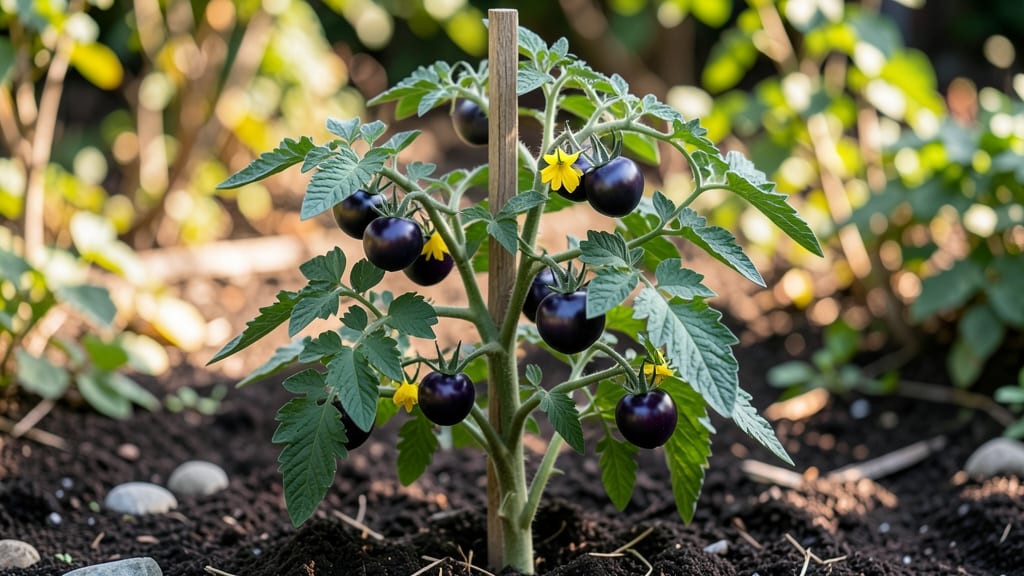
Growing Bumblebee Purple tomatoes means harvesting striped, purple-fleshed fruit that tastes like sunshine and mystery. 🌱 I fell in love with this heirloom after my first bite—sweet, smoky, and packed with antioxidants—plus it can regrow from scraps, making it the most rewarding plant in my garden.
The key is starting with healthy seeds or transplants and giving them the right conditions to thrive.
These tomatoes need full sun (6-8 hours daily) and well-draining soil rich in compost. I swear by a mix of 60% topsoil, 30% compost, and 10% perlite to prevent root rot. Plant seeds ¼ inch deep or transplants 18-24 inches apart in early spring, after the last frost.
The striped fruits develop best with consistent moisture—about 1 inch per week—but never soggy soil.
By midsummer, you’ll see vibrant purple-striped tomatoes hanging from the vine, each one a conversation starter. The flavor deepens as they ripen, and the plants keep producing until frost.
Prune suckers regularly to focus energy on fruit, and watch for common issues like blight—prevent it with space between plants and mulch to keep soil dry.
Harvest when fully colored, and save seeds from the best fruits for next year. The scraps can even regrow—just place the stem in water until roots form, then transplant. This tomato isn’t just beautiful; it’s a flavor experience and a gardening miracle in one.
📚 In This Guide
- What you need
- Instructions
- Tips and common mistakes
- Wrapping up and next steps
What you need
- ● Bumblebee Purple tomato seeds or seedling: 1-3 plants (start with seeds if you prefer the challenge, or grab a young plant from a nursery for faster results).
- ● Growing containers or garden bed: Containers: 5-gallon pots or larger (tomatoes need space to sprawl—aim for at least 12-18 inches in diameter).
- ● Garden bed: Full sun (6+ hours daily), well-draining soil, and a trellis or stakes (6+ feet tall) to support vines.
- ● Potting mix or garden soil: High-quality, organic mix enriched with compost (avoid garden soil if container-growing).
- ● Fertilizer: Balanced organic fertilizer (10-10-10 or tomato-specific blend) or compost tea for a natural boost.
- ● Watering can or hose with a gentle spray nozzle: Tomatoes hate soggy roots—consistent moisture is key!
- ● Pruning shears: For trimming suckers and shaping the plant.
- ○ Trellis or tomato cages: Optional but highly recommended to save space and improve airflow.
- ● Mulch (straw or shredded leaves): Helps retain moisture and suppress weeds.
- ● Plant markers: To label your Bumblebee Purple tomatoes (they’re worth the bragging rights!).
- ● Grow lights (indoor starter): If germinating seeds indoors, a simple LED grow light works.
- ● Patience! Seeds take 7-14 days to sprout, and tomatoes need 70-85 days to fruit.
- ● Knowledge of basic tomato care (or willingness to learn—we’ve got you covered!).
- ● Access to a sunny spot (or a grow light setup if indoors).
Step-by-Step instructions for growing Bumblebee Purple tomatoes from scraps
Here's how I've grown this stunning heirloom variety from kitchen scraps—no greenhouse needed.
🌱 Step 1: Select and Prepare Your Tomato Scraps
Choose a ripe Bumblebee Purple tomato with at least ½ inch of stem attached. The stem must include a small portion of the fruit—this is where the regrowth magic happens. I like to use tomatoes that are slightly overripe but still firm, as they've already developed strong root potential.
Rinse the scrap gently under cool water to remove any soil or debris. Let it air-dry completely on a paper towel for 30-60 minutes. This drying step prevents rot and gives the stem a chance to callus over slightly. You'll know it's ready when the cut surface feels slightly rough to the touch.
💧 Step 2: Root the Scraps in Water
Fill a small glass or jar with 2-3 inches of room-temperature water. Place the stem end of your tomato scrap into the water, ensuring at least 1 inch of the stem is submerged. Use a toothpick or small stick to prop it up if needed—you want the fruit portion to stay above water.
Change the water every 2-3 days to prevent bacterial growth. Place the jar in a spot with bright, indirect light—a south-facing windowsill works perfectly. You'll see tiny white roots forming within 7-14 days. Once roots reach about 1 inch long, it's time to plant.
☀️ Step 3: Plant the Rooted Scraps
Fill a 6-inch pot with well-draining potting mix. Make a small hole in the center with your finger, just deep enough to accommodate the rooted stem. Gently place the tomato scrap into the hole, pressing lightly around the base to secure it.
Water thoroughly until water runs out the drainage holes, then place the pot in a location with 6-8 hours of sunlight daily. Keep the soil consistently moist but not soggy—stick your finger in the soil to check 1 inch below the surface. If it feels dry, water again. New leaves will emerge within 2-3 weeks.
🌿 Step 4: Care for Your Regrown Plant
Once your plant has 3-4 sets of true leaves, it's ready for a 1-gallon pot to give it room to grow. Transplant carefully, keeping the soil level the same as it was in the smaller pot. This prevents stem rot and shock.
Fertilize lightly with a balanced, water-soluble fertilizer (10-10-10) every 4-6 weeks during the growing season. Watch for purple-striped blossoms—these appear 60-75 days after planting. Prune suckers (the small shoots that grow in the leaf axils) to encourage stronger fruit production and better air circulation.
⏰ Step 5: Harvest and Prepare for Next Season
Harvest your Bumblebee Purple tomatoes when they're fully colored and slightly soft to the touch. The striped pattern will deepen as they ripen. Save a few ripe tomatoes for next year's scraps—simply repeat the process to create new plants.
At the end of the season, cut back the plant to 6 inches above the soil. Move the pot indoors to a sunny window or under grow lights for 12-14 hours of light daily. Keep the soil lightly moist and enjoy watching your plant produce fruit year-round. This method ensures you'll always have a supply of these stunning tomatoes!
Tips & tricks for growing Bumblebee Purple tomatoes from scraps
These insider tricks will help you maximize your success with this regenerative growing method.
Selection Matters: The key to successful regrowth starts with your tomato selection. Look for Bumblebee Purple tomatoes that are slightly overripe but still firm—these have the strongest root potential. Avoid tomatoes that are mushy or have started to ferment. The stem should be at least ½ inch long and still attached to a small portion of the fruit. I've found that tomatoes with deeper purple stripes tend to produce the most vigorous regrowth.
Rooting Environment: During the 7-14 day rooting phase in Step 2, maintain water temperature between 65-75°F for optimal root development. You can use a small heating pad under the jar if your home tends to be cool. Keep the water level at 2-3 inches—too much water can cause rot, while too little prevents proper hydration. A south-facing windowsill provides ideal bright, indirect light, but avoid direct sunlight which can overheat the water and stress the developing roots.
Transplanting Technique: When moving your rooted scrap to soil in Step 3, handle the stem gently to avoid damaging the delicate new roots. Press the soil lightly around the base to secure it without compacting too much. I recommend using a well-draining potting mix specifically formulated for vegetables—this prevents waterlogging that can cause root rot. After transplanting, give the pot a thorough watering until water runs freely from the drainage holes, then let it drain completely before placing in your growing location.
Light Management: The 6-8 hours of daily sunlight requirement in Step 3 can be tricky in cloudy climates. If you notice your plant leaves turning pale or growing leggy (stretched out), supplement with a grow light for 2-3 hours daily. During the winter indoor phase with 12-14 hours of light, use a full-spectrum LED grow light placed about 6 inches above the plant. Rotate the pot daily so all sides receive even light exposure, preventing lopsided growth.
Pro Tips for Bumblebee Purple Tomato
- These insider tricks will help you maximize your success with this regenerative growing method.
- Selection Matters: The key to successful regrowth starts with your tomato selection.
- Rooting Environment: During the 7-14 day rooting phase in Step 2, maintain water temperature between 65-75°F for optimal root development.
Frequently asked questions
Got questions about growing or enjoying Bumblebee Purple tomatoes? You’re not alone! Here are some of the most common queries—and their answers—to help you cultivate (or snack on) this striped stunner with ease.
How do I know if my Bumblebee Purple tomato scraps are viable for regrowth?
Look for a healthy stem with at least one or two leaf nodes (the tiny bumps where leaves grow). Submerge the stem in water, ensuring the nodes are covered—roots should sprout in 1–3 weeks. Avoid scraps with rot, mold, or mushy stems, as they won’t regrow. Pro tip: Use filtered or rainwater for best results!
How long does it take for Bumblebee Purple tomatoes to fruit after planting?
From seed, expect 70–85 days to harvest, while regrown scraps may take 10–14 days longer to establish roots and start flowering. Warmth (60°F+ at night) and full sun (6+ hours/day) speed up fruiting. Patience pays off—these beauties are worth the wait!
Can I eat Bumblebee Purple tomatoes straight from the vine, or do I need to cook them?
Their sweet, tangy flavor shines raw in salads, sandwiches, or as a snack. For extra richness, lightly roast or grill them to caramelize the sugars. No cooking required—just wash, slice, and enjoy!
Why are my Bumblebee Purple tomatoes cracking, even though I’m watering consistently?
Cracking often happens due to uneven watering (too much after drought) or rapid growth from fertilizer overload. Water deeply 1–2 times weekly (early morning is best) and mulch to retain moisture. If cracks appear, harvest early and use them in sauces or salsas—they’re still delicious!
Are there any companion plants that help Bumblebee Purple tomatoes thrive?
Yes! Plant them with basil, marigolds, or onions to deter pests like aphids and whiteflies. Avoid pairing with fennel or brassicas (like cabbage), which can stunt their growth. Interplanting also maximizes space in small gardens.
Can I grow Bumblebee Purple tomatoes in containers, and what’s the best pot size?
Containers work great! Use a pot at least 5 gallons with drainage holes and a mix of potting soil and compost. Place in a sunny spot and rotate the pot weekly for even growth. Dwarf varieties thrive in smaller pots, but standard Bumblebees need room to sprawl.
Wrapping up and next steps
The Bumblebee Purple tomato isn’t just a feast for the eyes with its stunning purple-and-yellow stripes—it’s a game-changer for home gardeners! 🌱 Whether you’re drawn to its striking looks, easy regrowth from scraps, or delicious versatility, this tomato makes gardening fun and rewarding.
Ready to grow your own? Start with a single seedling or scrap, and soon you’ll be harvesting vibrant, flavorful tomatoes that turn every meal into a showstopper.
Next steps:
- 🌱 Plant your seeds or scraps—follow the tips above for success!
- 📅 Mark your calendar for harvest season (typically 70-85 days).
- 🤝 Share your harvest with friends or snap pics to inspire others!