
Vegetables
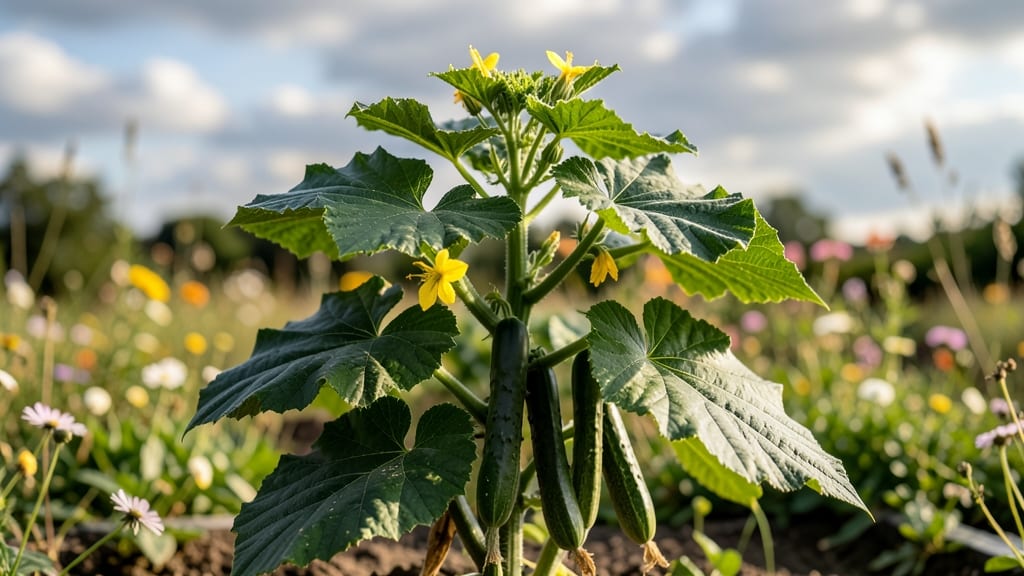
Growing burpless bush hybrid cucumbers means fresh, crisp slices without the bite—right from your patio or balcony. 🌿 These compact plants produce seedless fruit all season long, with no vines to tangle, making them perfect for containers.
I’ve grown them in 5-gallon pots for years, and they’ve never disappointed, even in my small urban space.
The secret to their success? A 50/50 mix of potting soil and compost, placed in containers with drainage holes to prevent soggy roots. These cucumbers thrive in full sun (6+ hours daily) and need consistent watering—about 1 inch per week—but they’re drought-tolerant once established.
Unlike traditional cucumbers, they don’t need trellises, saving you space and hassle.
By mid-summer, you’ll be harvesting 10-15 cucumbers per plant weekly, each about 6-8 inches long, with a sweet, mild flavor. The bush habit means no sprawling vines, and the seedless trait eliminates the need to peel or spit.
Plus, they’re resistant to common diseases like powdery mildew, so you spend less time troubleshooting and more time enjoying the harvest.
Whether you’re a beginner or a container gardening pro, these cucumbers deliver reliable results with minimal effort. Start with one plant in a sunny spot, and you’ll wonder why you ever grew vining varieties. Ready to try them?
📚 In This Guide
- What you need
- Instructions
- Tips and common mistakes
- Wrapping up and next steps
What you need
- ● Burpless bush hybrid cucumber seeds (e.g., ‘Bush Champion’ or ‘Spacemaster’): Quantity: 3–5 seeds per 5-gallon container (or 1–2 seeds per 3-gallon pot for smaller harvests).
- ● Seed packet: 1 (contains ~20–50 seeds).
- ● Containers: Size: 5-gallon buckets (minimum) or 10–15 gallon grow bags (ideal for larger plants).
- ● Material: Drill drainage holes if using plastic (or opt for fabric pots for aeration).
- ● Quantity: 1–2 containers per plant (or 1 large container for multiple seeds).
- ● High-quality potting mix: Type: Lightweight, well-draining mix (e.g., 60% peat/compost + 30% perlite + 10% vermiculite).
- ● Quantity: 1–2 cubic feet per container.
- ● Fertilizer: Balanced liquid fertilizer (e.g., 10-10-10 or 5-5-5) or slow-release granules (e.g., Osmoote).
- ● Quantity: Follow label instructions (typically 1 tbsp per gallon of water for liquid).
- ○ Support structure (optional but recommended): Small trellis, tomato cage, or 5–6 ft tall stakes (bush varieties need minimal support).
- ● Garden tools: Trowel or small shovel for transplanting.
- ● Pruners (for trimming excess vines if needed).
- ● Watering supplies: Watering can or hose with gentle spray nozzle.
- ○ Drip irrigation kit (optional for consistent moisture).
- ○ Mulch (optional): Straw or shredded leaves to retain moisture and suppress weeds.
- ● Grow lights or sunny spot: 6+ hours of direct sunlight daily (or LED grow lights for indoor setups).
How to grow burpless bush hybrid cucumbers in containers
Here's the straightforward method I use to grow these cucumbers year-round—no trellis, no fuss, just reliable harvests.
🪴 Step 1: Select the Right Containers and Drainage
Choose 5-gallon containers with drainage holes—they hold enough soil for strong root development while preventing waterlogging. I prefer fabric grow bags because they allow excess moisture to evaporate through the walls, which is critical for cucumbers that hate soggy roots. If using traditional pots, add a 2-inch layer of coarse gravel at the bottom to improve drainage.
Ensure each container has at least four drainage holes—cucumbers are shallow-rooted but need excellent airflow. Place a piece of landscape fabric over the holes to prevent soil from washing out while still allowing water to drain freely. This prevents clogging, which can lead to root rot and stunted growth.
🌱 Step 2: Prepare Soil and Plant with Care
Fill the containers with a sterile potting mix blended with 20% compost for nutrients. Cucumbers thrive in loose, well-draining soil that holds moisture without compacting. I mix in a slow-release fertilizer (5-10-5 ratio) at planting time to provide steady nutrition without risking burn from over-fertilizing.
Plant one seedling per container, burying it to the first set of true leaves—this encourages strong root development. If starting from seed, sow two seeds per pot and thin to the strongest seedling once they sprout. Water gently after planting to settle the soil around the roots, but avoid soaking the mix, which can dislodge the young plant.
☀️ Step 3: Position for Sunlight and Support
Place containers in a location with full sun exposure (6-8 hours daily)—cucumbers are heavy feeders and need intense light to produce fruit. If growing indoors, supplement with a grow light positioned 6-12 inches above the plants for 14-16 hours daily. Without enough light, vines grow weak, and fruit develops poorly.
Even though these are "bush" varieties, they still benefit from light support. I use small tomato cages or bamboo stakes to guide vines upward, which improves air circulation and reduces disease risk. Watch for first female flowers (small yellow blooms with tiny fruits behind them)—this is when you’ll start seeing cucumbers in 4-6 weeks if conditions are ideal.
💧 Step 4: Water and Fertilize for Consistent Harvests
Water deeply 2-3 times per week, ensuring the top 2 inches of soil stay moist but not waterlogged. Cucumbers have shallow roots, so frequent, even moisture prevents bitterness and cracking. I water at the base of the plant in the morning to reduce evaporation and fungal risks. Avoid wetting the leaves, which can spread powdery mildew.
Feed plants every 2-3 weeks with a balanced liquid fertilizer (10-10-10 ratio) diluted to half strength. Burpless bush cucumbers are prolific, so they need steady nutrients to keep producing. Stop fertilizing 2 weeks before harvest to allow flavors to fully develop. You’ll know you’re on track when vines produce 3-5 cucumbers per plant weekly during peak season.
✂️ Step 5: Harvest and Maintain for Year-Round Production
Harvest cucumbers when they reach 6-8 inches long—this ensures they stay tender and sweet. Use pruning shears to cut stems cleanly, leaving a small portion attached to encourage more fruit. I harvest every 2-3 days during peak production to prevent overcrowding, which stresses the plant and reduces yields.
After the first harvest wave, prune back yellowing or diseased leaves immediately to redirect energy to healthy growth. In cooler months, move containers to a sunny indoor spot or under grow lights to extend the season. With proper care, burpless bush cucumbers can produce continuously for 6-8 months, making them ideal for container growing.
Tips & tricks for perfect burpless bush cucumber growth
These game-changing insights will help you maximize your container cucumbers without the usual gardening headaches.
Container Selection: While 5-gallon containers work perfectly, consider adding a second drainage hole on opposite sides if your climate gets particularly wet. This extra airflow prevents the dreaded root rot that can cripple your plants. For urban balconies, opt for self-watering containers—they maintain consistent moisture while preventing overwatering, which is especially helpful if you travel frequently.
Soil Preparation: The 20% compost blend is non-negotiable, but here's what nobody tells you: worm castings (20% of that 20%) boost microbial activity that cucumbers love. Mix in a handful of perlite too—it improves aeration without compromising moisture retention. I also add a time-release nitrogen tablet at planting for that extra growth kick in the first 4-6 weeks.
Light Optimization: That 6-8 hours of sunlight is your baseline, but don't stop there. On cloudy days, supplement with a clip-on LED grow light for 2-3 hours to maintain photosynthesis levels. For indoor growing, position your containers south-facing if possible—natural light has a spectrum advantage over artificial. And here's the secret: rotate containers weekly to prevent lopsided growth from uneven light exposure.
Harvest Timing: Those 6-8 inch cucumbers are your sweet spot, but watch for these visual cues: the skin should be smooth and firm, not bumpy or waxy. If you see yellowing at the blossom end, it's overripe and will develop bitterness. I harvest first thing in the morning when cucumbers are crispest—this also encourages the plant to produce more fruit throughout the day.
Pro Tips for Burpless Bush Hybrid Cucumber
- These game-changing insights will help you maximize your container cucumbers without the usual gardening headaches.
- Container Selection: While 5-gallon containers work perfectly, consider adding a second drainage hole on opposite sid...
- Soil Preparation: The 20% compost blend is non-negotiable, but here's what nobody tells you: worm castings (20% of th...
Frequently asked questions
Got questions about growing burpless bush hybrid cucumbers? You’re not alone!
Here are answers to the most common ones—so you can dive in with confidence and skip the guesswork.
What makes burpless bush hybrid cucumbers different from regular cucumbers?
Burpless bush hybrids (like Bush Champion or Sweet Success) are bred to be compact, disease-resistant, and—most importantly—low in cucurbitacin, the compound that causes bitterness. Their bushy growth habit also means no trellis is needed, saving space and effort. Plus, they’re perfect for containers!
How long does it take for burpless bush cucumbers to produce fruit?
Expect your first harvest 50–60 days after planting from seed (or 45–55 days if you start with transplants). With consistent warmth (above 60°F/15°C) and proper care, you’ll enjoy a steady supply for weeks. Pro tip: Prune lower leaves to improve airflow and speed up fruiting!
Can I grow burpless bush cucumbers in pots, or do they need a garden bed?
These cucumbers thrive in 5-gallon containers or larger—just ensure the pot has drainage holes and use a lightweight, well-draining potting mix. For extra yield, plant one vine per 12-inch pot. Bonus: Keep pots in a sunny spot (6+ hours of light) and water consistently to prevent stress.
Why are my burpless bush cucumbers still bitter—even though they’re supposed to be “burpless”?
Bitterness can sneak in if cucumbers are overripe, stressed, or exposed to extreme heat. To avoid this:
- Harvest early: Pick fruits when small (4–6 inches) for the sweetest flavor.
- Water deeply: Keep soil moist (but not soggy) to prevent bitterness triggers.
- Avoid heatwaves: Use shade cloth if temps exceed 90°F (32°C).
If bitterness persists, check for pests or nutrient deficiencies (like nitrogen).
What can I plant alongside burpless bush cucumbers for a thriving container garden?
Companion planting boosts growth and deters pests! Try these container-friendly pals:
Plant
Benefit
Basil
Improves flavor and repels thrips.
Marigolds
Deters nematodes and attracts pollinators.
Radishes
Acts as a trap crop for cucumber beetles.
Avoid planting with:
Potatoes, aromatic herbs (like dill or sage), or other cucurbits (e.g., zucchini).
Pro tip: Keep companions close to the cucumber’s roots for maximum synergy!
Wrapping up and next steps
Ready to enjoy crisp, burpless cucumbers all year round with minimal effort? The burpless bush hybrid is your perfect container-friendly solution—no sprawling vines, no gas, and no fuss!
Whether you’re a seasoned gardener or a beginner, these cucumbers deliver high yields, compact growth, and delicious results in just a few months. 🌱
Now that you’re armed with the right materials, tips, and answers, it’s time to roll up your sleeves and get planting! Start small—try one or two containers—and watch your garden thrive. Before you know it, you’ll be savoring homegrown cucumbers straight from the vine. Happy growing! 🍉✨
- Next step: Pick your favorite hybrid, grab your supplies, and start planting today!