
Vegetables
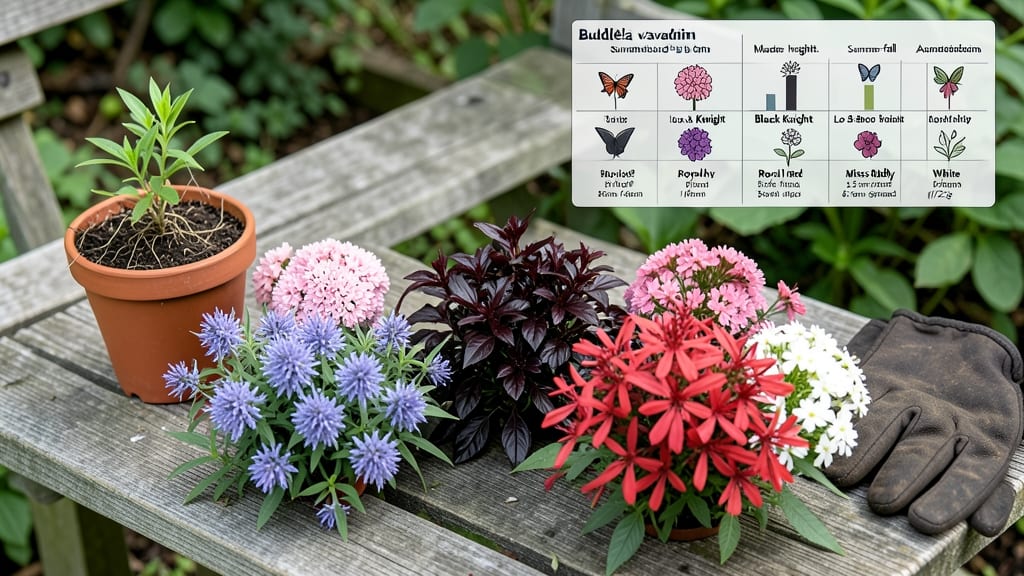
The right butterfly bush types turn your garden into a pollinator paradise year after year. 🌿 I’ve grown six varieties over the past decade, and the right one can mean the difference between a bush that thrives through winter and one that fades by early spring. The secret lies in matching your climate to the bush’s hardiness—some handle Zone 4 winters while others struggle past Zone 6. These aren’t just pretty faces; they’re workhorses. Take ‘Lo & Behold Purple Haze,’ which stays compact at 3–4 feet and blooms from early summer until frost, or ‘Miss Ruby,’ a fragrant variety that hummingbirds adore. For larger spaces, ‘Black Knight’ reaches 8+ feet and produces deep purple blooms that last for months. Each type has its own personality—some are drought-tolerant, others prefer moist soil, and a few even resist powdery mildew. You’ll end up with a garden that buzzes with life from June through October. The key is pruning in late winter (before new growth starts) to encourage fresh, vigorous blooms. Most varieties reward you with three to five months of continuous color, and the best part? They attract monarchs, bees, and swallowtails like nothing else. Perfect for borders, wildlife gardens, or even urban patios. Here’s how to pick the right one for your yard!
📚 In This Guide
- What you need
- Instructions
- Tips and common mistakes
- Wrapping up and next steps
What you need
- ● Butterfly bush plants: Choose cold-hardy varieties like Buddleia davidii ‘Lo & Behold® Blue Chip’ or Buddleia davidii ‘Lo & Behold® Pink Micro’ (1-3 plants per 50 sq. ft. for optimal airflow and blooms).
- ● High-quality potting mix: 1-2 cubic yards of well-draining, organic soil blend (e.g., 60% topsoil, 30% compost, 10% perlite/sand).
- ● Fertilizer: Slow-release granular fertilizer (10-10-10 NPK ratio) or organic options like composted manure (1 lb. per plant at planting time).
- ● Mulch: 2-3 inches of wood chips or shredded bark to retain moisture and regulate soil temperature.
- ● Gardening gloves: 1 pair (heavy-duty for digging and pruning).
- ● Trowel or spade: 1 medium-sized (for planting and soil prep).
- ● Pruning shears: Bypass pruners (sharp and sterilized to avoid disease).
- ● Watering can or hose: With a gentle spray nozzle (1-2 gallons capacity).
- ● Measuring tape: For spacing plants 3-5 feet apart (depending on variety).
- ○ Optional but helpful: Soil pH test kit (to ensure pH 6.0-7.0).
- ● Stakes or cages (for support if growing tall varieties).
- ● Drip irrigation system (for consistent moisture).
- ● Sunlight: Full sun (6+ hours/day) for best blooms and cold hardiness.
- ● Climate zone: USDA Zones 5-9 (verify your zone here).
- ● Water access: Regular watering (1-2 inches per week, more during droughts).
- ● Patience: Butterfly bushes thrive with minimal fuss but take 1-2 years to reach full bloom potential!
How to select and grow cold-hardy butterfly bush varieties
Here’s how to choose the toughest butterfly bushes for your climate and keep them thriving.
🌱 Step 1: Choose the Right Variety for Your Climate Zone
Butterfly bushes (Buddleia spp.) come in several cold-hardy varieties, each with its own strengths. For USDA zones 4-5, ‘Lo & Behold Purple Smoke’ and ‘Lo & Behold Pink Delight’ are top picks—they’re compact (3-4 feet tall), disease-resistant, and bloom prolifically even in short summers. If you’re in zones 6-7, ‘Black Knight’ stands out with its deep purple-black flowers and zone 8+ gardeners can’t go wrong with the classic ‘Pink Microphone’ for its long, vibrant blooms.
Check your hardiness zone before buying—some varieties like ‘Royal Red’ struggle below zone 6 and may die back to the ground. I always verify with my local extension office if I’m on the edge of a zone, as microclimates can make a difference. Look for labels that specify cold tolerance—this ensures your bush won’t brown and die in the first winter.
☀️ Step 2: Plant in Full Sun for Best Blooms and Cold Resistance
Butterfly bushes need at least 6 hours of direct sun daily to produce their showstopping flowers and build cold hardiness. In my experience, the more sun, the more blooms—and the better they survive winter. Plant in a spot where they get morning sun and afternoon shade if your summers are hotter than 90°F, as afternoon heat can stress the plant.
Soil drainage is critical. These bushes hate soggy roots, which can lead to root rot and weaken their cold resilience. If your soil stays wet for more than 24 hours after rain, amend with 2-3 inches of compost or plant on a slight mound. I’ve seen butterfly bushes in heavy clay survive winters just fine, but their blooms suffer if roots are waterlogged.
🪴 Step 3: Plant at the Right Depth and Space for Winter Survival
Dig a hole twice as wide as the root ball but no deeper—planting too deep suffocates roots and reduces cold hardiness. Loosen the roots gently if they’re circling and position the bush so the top of the root ball sits 1 inch above ground level. This ensures the plant doesn’t sink over time, which can expose roots to freezing temperatures.
Space bushes 4-6 feet apart for airflow, which prevents fungal diseases like powdery mildew that can weaken plants over winter. I once planted ‘Lo & Behold Purple Smoke’ too close to a fence, and the lack of airflow led to poor blooms and winter dieback. Mulch with 2-3 inches of shredded bark in late fall to insulate roots—just keep mulch 6 inches away from the stem to avoid rot.
✂️ Step 4: Prune Strategically in Late Winter for Cold-Hardy Growth
Prune 2-3 weeks before your last frost date to encourage new growth that’s better equipped to handle cold. Cut back one-third of the oldest stems to the ground—this rejuvenates the bush and prevents overcrowding. Leave the youngest stems (they’re more cold-tolerant) and trim any dead or weak growth. I always prune on a dry, sunny day to reduce stress on the plant.
Never prune in fall—this encourages new growth that won’t harden off before winter. If your bush looks leggy after winter, it’s a sign it needs more sun or was over-pruned the previous year. Fertilize lightly in early spring with a balanced 10-10-10 formula to support new growth without overstimulating tender shoots that might not survive cold snaps.
💧 Step 5: Water Deeply in Early Fall to Prep for Winter
Water deeply once a month from late summer through fall to help roots establish before winter. This builds cold resistance by encouraging deeper root growth. I water until soil is 12 inches deep—you’ll know it’s enough when water runs out the drainage holes. Avoid overhead watering in fall, as wet foliage can lead to fungal issues before the first frost.
In zone 4 or colder, consider wrapping young bushes with burlap or frost cloth for the first few winters—it’s a temporary shield until they mature. Mature bushes rarely need protection, but a thick layer of mulch (up to 4 inches) acts like a blanket for roots. If you’re in a windy area, a snow fence can protect the bush from drying winter winds, which can stress plants more than cold itself.
Tips & tricks for perfect cold-hardy butterfly bush Selection
Real talk: Choosing the right butterfly bush variety makes all the difference between a bush that thrives through winter and one that struggles. Here’s what I’ve learned from years of gardening in varying climates.
Variety Selection: When selecting varieties for your zone, don’t just look at the label—check the cold tolerance rating and mature height. For example, ‘Lo & Behold’ series are bred specifically for zones 4-5, but even within those, ‘Purple Smoke’ handles shorter growing seasons better than ‘Pink Delight’ in northern climates. I always cross-reference with my local extension office’s hardiness map, as microclimates can push a zone boundary by 1-2 degrees.
Sunlight Strategy: The 6 hours of direct sun requirement is non-negotiable for cold hardiness, but here’s the thing: morning sun is more important than afternoon in hotter summers. If your summers regularly exceed 90°F, position your bush to catch morning rays and afternoon shade—this prevents heat stress that weakens winter resilience. I’ve seen bushes in full afternoon sun struggle with winter dieback, even when properly mulched.
Planting Depth: That 1 inch above ground level recommendation isn’t just about aesthetics—it’s about preventing root exposure. I learned this the hard way when a heavy rain caused my first planting to sink, exposing roots to freezing temps. Use a small stake to mark the correct depth at planting, and always check after watering to ensure the root ball hasn’t settled below grade.
Pruning Precision: When pruning 2-3 weeks before your last frost date, focus on removing one-third of the oldest stems first—they’re the least cold-tolerant. I use a sharp pair of loppers to make clean cuts just above a leaf node or lateral branch. This encourages new growth that’s better equipped to handle winter, while preserving the bush’s structure. Never remove more than one-third in a single pruning session, as this stresses the plant.
Pro Tips for Butterfly Bush Types
- Real talk: Choosing the right butterfly bush variety makes all the difference between a bush that thrives through win...
- Variety Selection: When selecting varieties for your zone, don’t just look at the label—check the cold tolerance rati...
- Sunlight Strategy: The 6 hours of direct sun requirement is non-negotiable for cold hardiness, but here’s the thing: ...
Frequently asked questions
Got questions about butterfly bushes? You’re not alone! Here are some of the most common queries—plus quick answers to help you pick the perfect variety for your garden.
Which butterfly bush types are best for cold climates?
Look for Buddleja davidii varieties like 'Lo & Behold® Purple Haze' or 'Lo & Behold® Pink Micro'. These compact, cold-hardy types thrive in USDA Zones 5-9, surviving winters with minimal fuss. Pro tip: Mulch heavily in fall to protect roots!
When is the best time to plant butterfly bushes?
Spring or early fall are ideal—avoid extreme heat or frost. For cold-hardy varieties, plant in spring (after last frost) to give roots time to establish before winter. If planting in fall, do so 6-8 weeks before the first frost for best results.
Are butterfly bushes invasive? Should I avoid them?
Some Buddleja species (like native 'Black Knight') are less aggressive, but non-native types can spread. Check local regulations—many states restrict planting. Opt for sterile hybrids (e.g., 'Miss Ruby') or native alternatives like butterfly weed (Asclepias) for eco-friendly options.
How much water do butterfly bushes need?
Once established, they’re drought-tolerant! Water deeply 1-2 times per week during the first year. Mature plants thrive on rainfall alone in well-drained soil. Overwatering can cause root rot—soak soil, then let it dry slightly between waterings.
Why aren’t my butterfly bushes blooming?
Common culprits: over-fertilizing (too much nitrogen = leafy growth, no flowers), pruning at the wrong time (cut back in late winter before new growth starts), or poor sunlight (they need full sun). Try a balanced bloom booster in early spring and prune dead stems annually.
What’s a great alternative if I want pollinator-friendly but low-maintenance plants?
Try coneflowers (Echinacea), bee balm (Monarda), or Russian sage (Perovskia). These perennials attract butterflies, handle cold well, and require minimal care. For a tree-like option, consider serviceberry (Amelanchier)—it’s tough, ornamental, and edible!
Wrapping up and next steps
Choosing the right butterfly bush types can transform your garden into a vibrant haven for pollinators while adding year-round charm! Whether you prefer the hardy Buddleia davidii or the compact Butterfly Bush 'Miss Ruby', there’s a variety to suit every climate and style.
These cold-hardy beauties not only attract butterflies but also bring effortless beauty with minimal fuss.
Ready to plant your pollinator paradise? Start by selecting the variety that thrives in your zone, then grab your gardening tools and get growing! 🌿✨ Your garden—and the butterflies—will thank you!